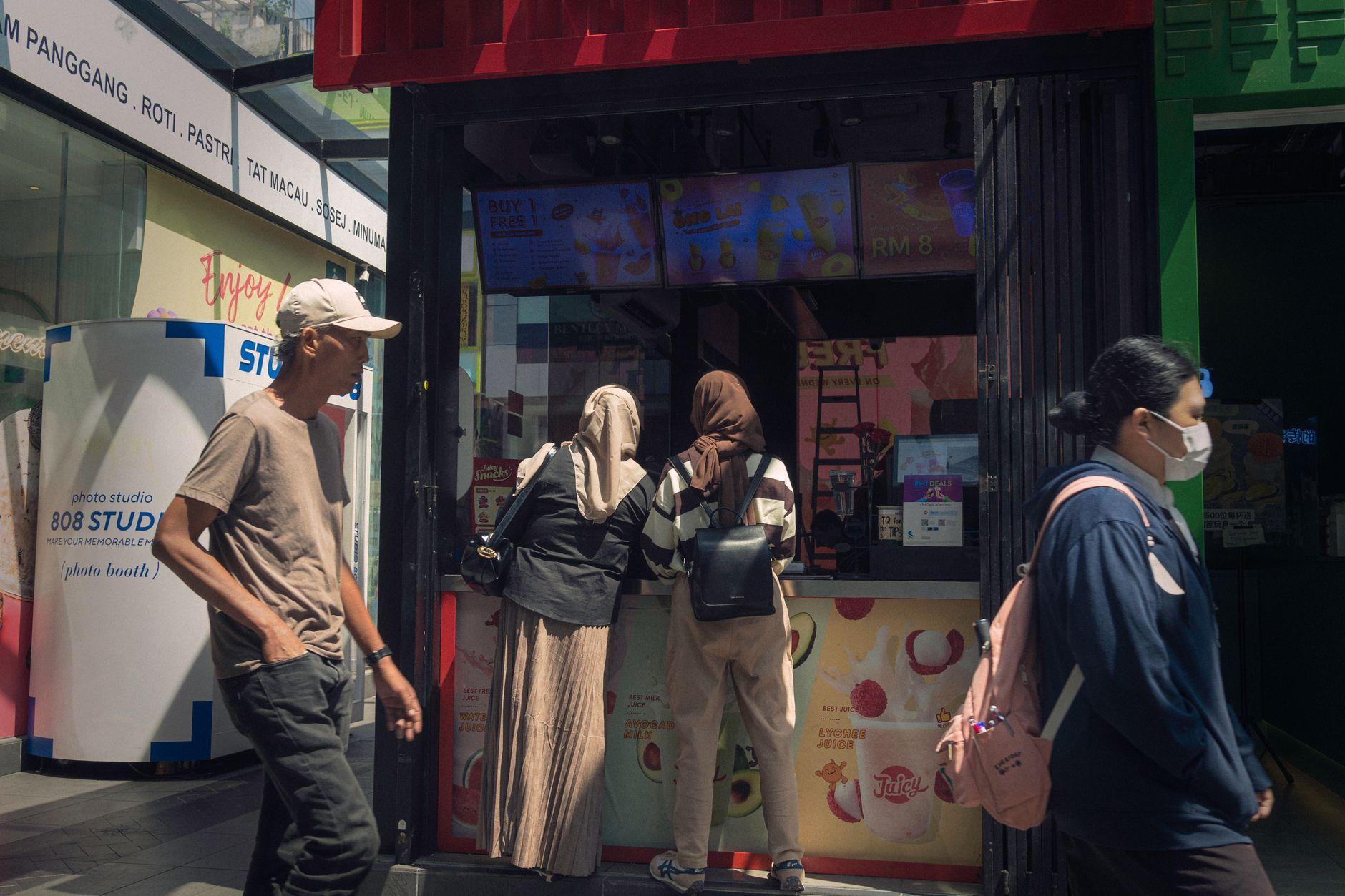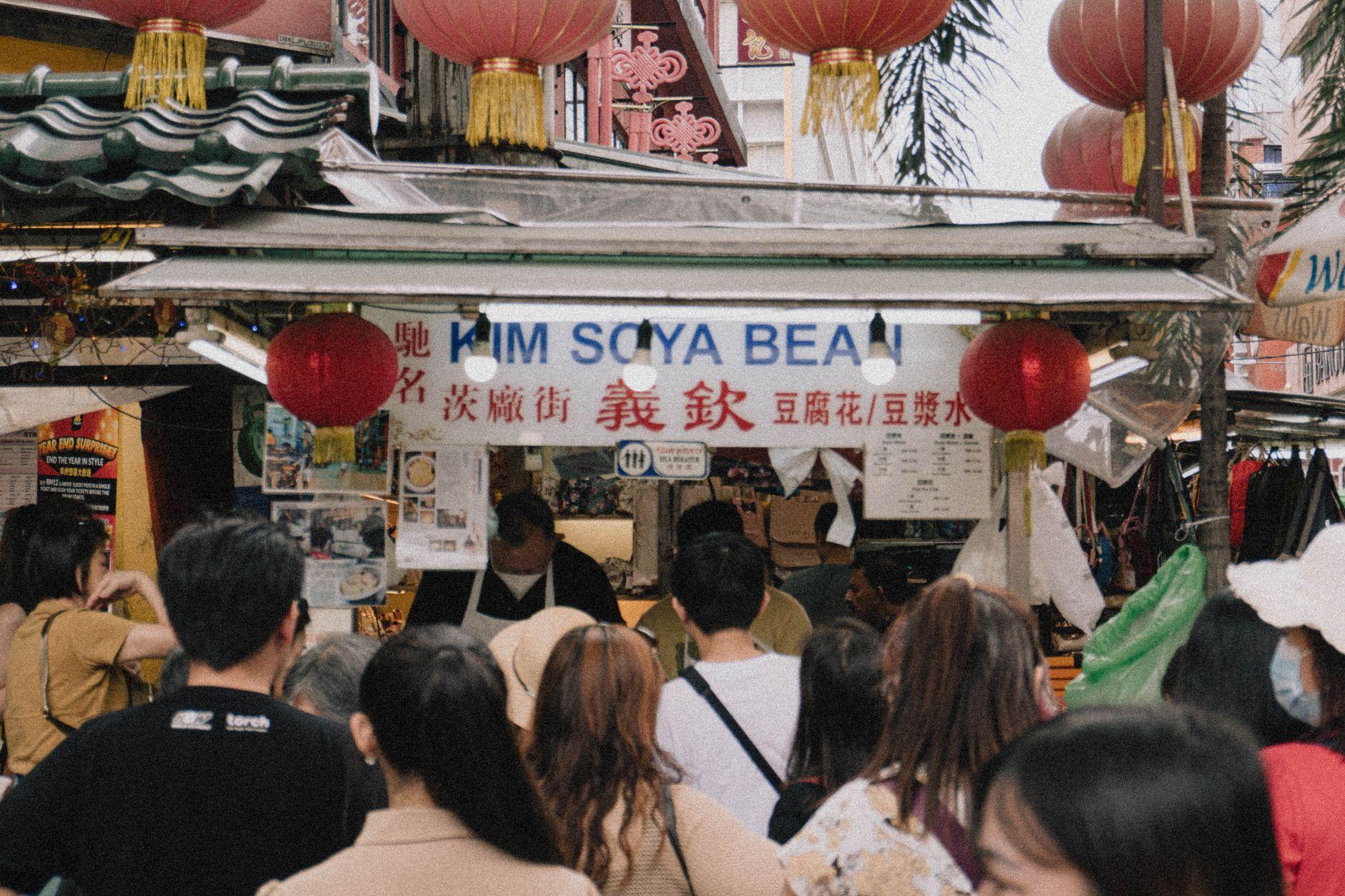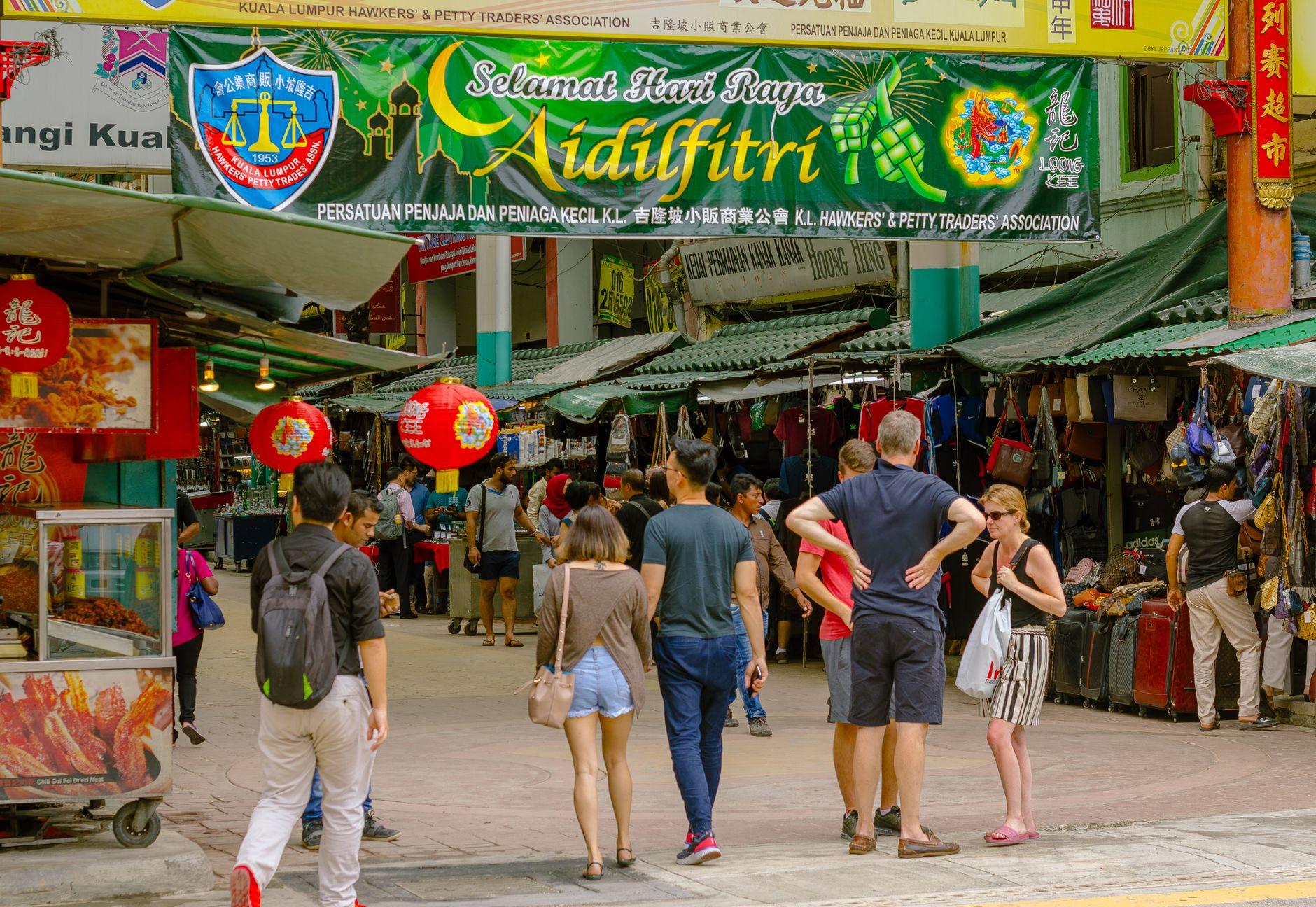

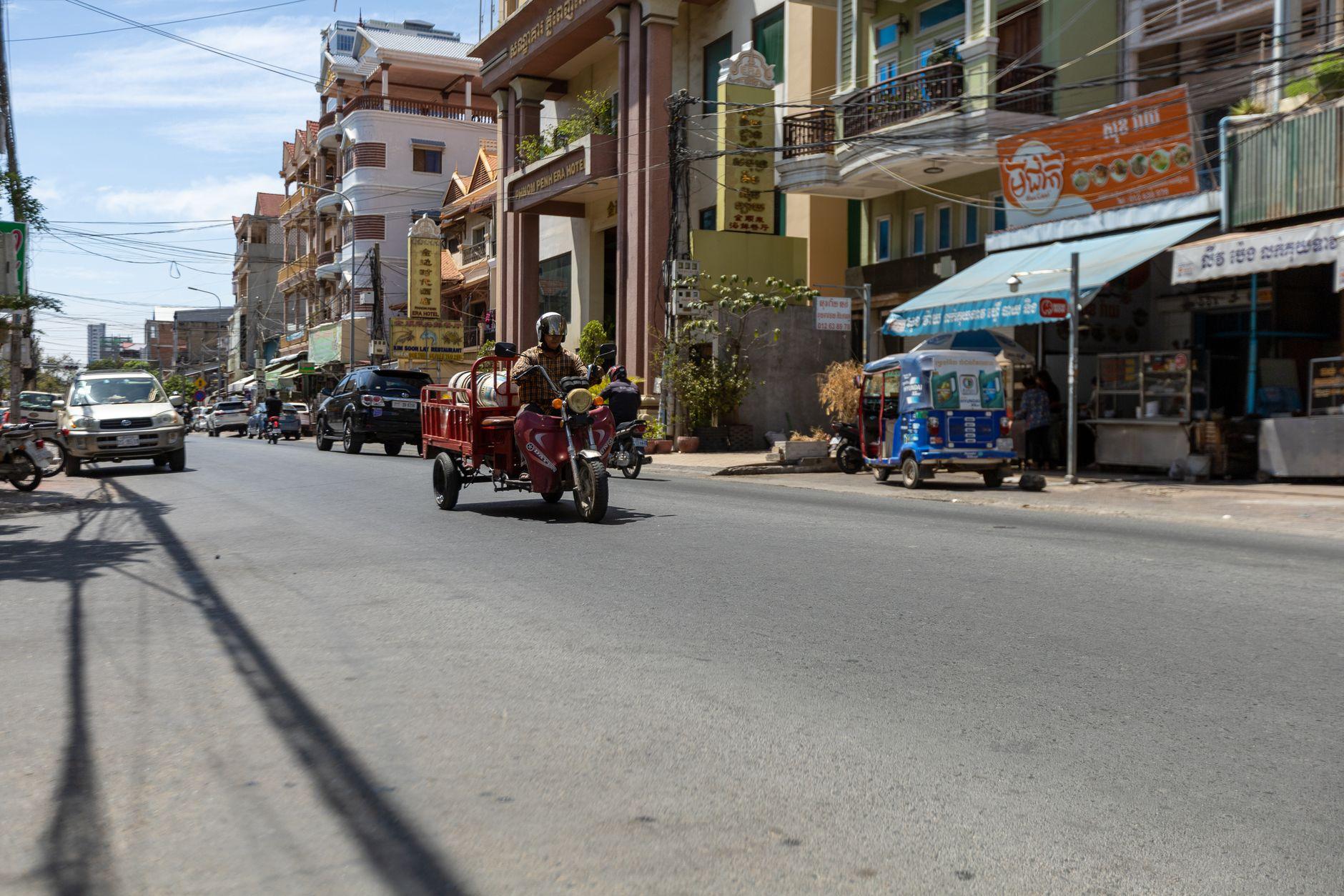
It is 9 p.m. on Sisowath Quay in Phnom Penh. The ATM outside a minimart asks whether you want US dollars or riel. Then it shows a fee. Then it offers to "lock in" the rate in your home currency. That is three screens and three separate costs, while a tuk-tuk driver idles at the curb.
What is an ATM operator fee, and how is it different from your bank's fees?
An ATM operator fee is a flat charge that the machine's owner adds to a foreign-card withdrawal. It is only one of four possible costs: your home bank's out-of-network fee, your card's foreign transaction fee, and any dynamic currency conversion markup can all sit on top of it. Each cost at that Phnom Penh machine comes from a different party. You cannot cut a fee until you know who is charging it.
| Fee layer | Who charges it | How to avoid it |
|---|---|---|
| Operator fee | The bank that owns the ATM | Use a machine without one, or a card issuer that refunds it |
| Out-of-network fee | Your home bank | Pick a card with no foreign ATM fee |
| Foreign transaction fee | Your card issuer | Pick a card without one |
| Dynamic currency conversion | The ATM operator, at its own rate | Decline it every time |
The operator fee normally appears on screen before any cash comes out. If it is higher than you expected, cancel there and try the bank across the street.
How much do ATMs charge foreign cards in each country in 2026?
The operator fee is the layer that changes most from country to country. This table lists each country's fee structure and the trap to watch for, rather than a single number. Each bank sets its own price and revises it, so any static figure online is a starting point, not a quote.
| Country | Cash dispensed | Operator fee pattern | Watch for |
|---|---|---|---|
| Malaysia | MYR | Varies by bank | Conversion offers on screen |
| Cambodia | USD and riel | Flat fee per withdrawal is common | Choosing the wrong currency |
| Brazil | BRL | Flat fee common on foreign cards | Conversion prompt |
| China | CNY | Varies; not every ATM takes foreign cards | Use major bank machines |
| Vietnam | VND | Varies by bank | Per-withdrawal caps differ; use machines at bank branches during opening hours |
| Philippines | PHP | Flat fee common on foreign cards | Low caps repeat the fee |
| Laos | LAK | Flat fee common | Low caps in kip |
| South Korea | KRW | Charged at machines accepting foreign cards | Look for "Global ATM" signage |
| Mongolia | MNT | Varies by bank | Few machines outside Ulaanbaatar |
| Argentina | ARS | Flat fee with low caps | Many withdrawals for one week's cash |
| Peru | PEN, some USD | Varies by bank | Picking dollars by accident |
| Colombia | COP | Flat fee common | Caps vary by bank |
| Bolivia | BOB | Varies by bank | Limited coverage outside cities |
Why do low withdrawal caps make operator fees more expensive?
The caps column in that table matters as much as the fee column. A flat fee works like a bridge toll that costs the same for a scooter or a truck. Your cost per kilo depends on how much you carry each trip, and a low cap is a small vehicle. Philippines ATM fees are a clear case: a modest flat fee looks small next to a full withdrawal, but it becomes painful when the cap forces three trips for one week's spending.
Should you accept dynamic currency conversion at an ATM?
Caps are a structural cost, but the conversion prompt is a choice, and the answer is no. With dynamic currency conversion, the ATM converts your withdrawal at a rate the operator picks, instead of letting your card network convert it. Decline it and choose to be charged in local currency. The same prompt appears on restaurant card terminals in Kuala Lumpur and Rio, and the advice is the same there.
What makes the best travel debit card for 2026?
Once you decline conversion, your card's own pricing decides the rest. The best travel debit card does three things:
- Charges no foreign transaction fee.
- Charges no out-of-network fee for foreign ATMs.
- Refunds local operator fees, or states clearly that it does not.
The same test applies to choosing the best travel card for 2026, debit or credit. Any card provider's own pricing sits on top of the local operator fee, because the machine's owner charges that fee, not your card issuer. Check each provider's published pricing before you fly.
Which ATM should you use in Cambodia?
Cambodia ATM fees vary by bank, so the best ATM in Cambodia is less about the brand and more about where the machine is. Use a machine attached to a bank branch, during opening hours. If it swallows your card, staff can retrieve it. We cover paying with KHQR in its own guide.
How do QR payments replace ATM withdrawals in these countries?
The more useful question is whether you need the machine at all. Real-time payment rails are reshaping how money moves across Latin America [jpmorgan.com], and across Southeast Asia merchants increasingly display a national QR code at the counter.
- Malaysia: DuitNow QR at the mamak counter
- Cambodia: KHQR (we covered Cambodia's two-currency quirk in our KHQR guide)
- Brazil: Pix
- China: WeChat Pay (Weixin Pay), usable in Moreta only while you are physically in China
- Elsewhere: QR Ph and InstaPay (Philippines), Yape and Plin (Peru), Bre-B (Colombia), Transferencias 3.0 (Argentina), QR BCB (Bolivia), VietQR, MoMo and ZaloPay (Vietnam), BCEL and OnePay (Laos), Seoul Pay (South Korea), QPay (Mongolia)
Pix for foreigners is the clearest gap. Pix runs between Brazilian financial institutions and wallet accounts, and opening one requires Brazilian documents such as a CPF. A travel wallet app that scans the merchant's Pix code removes that step. With Moreta Pay, a payment works like this:
- Top up in your own currency by US ACH, SEPA, Faster Payments, Interac e-Transfer, card, Apple Pay or Google Pay. You can also use USDC or USDT on Solana, but stablecoin funds cannot be spent in Cambodia or China.
- Scan the same QR code locals scan.
- Check the merchant name, amount and exchange rate.
- Confirm. The merchant is paid instantly in local currency.
Moreta charges a 1.5% fee per payment at the live rate, with no other add-ons.
Cash still has a place on most trips. You will still need notes for a pagoda donation box in Phnom Penh, a ger camp on the Mongolian steppe, or a Lao village noodle stall with no signal.
What should I set up before landing?
That leaves a short list of tasks:
- Check your card's foreign ATM fee, its foreign transaction fee, and whether it refunds operator fees.
- Install and verify your QR wallet at home. Verification needs your passport and a selfie.
- On day one, withdraw a modest reserve at a bank branch, such as 40 USD plus about 40,000 riel in Cambodia, or around RM150 in Malaysia.
Frequently Asked Questions: What Else Do Travelers Ask About ATM Fees?
What are typical Philippines ATM fees for foreign cards?
Most banks charge a flat fee per withdrawal, and low caps make it repeat. The exact amount is shown on screen before you confirm.
Can foreigners use Pix in Brazil?
You cannot open a Pix account without Brazilian documents, but you can pay Pix QR codes through a wallet that supports the rail.
Is Moreta a bank?
No. Moreta is a FinCEN-registered Money Services Business, and it holds customer funds with licensed partner banks.
Does paying by QR involve ATM fees?
No. No machine is involved, so there is no operator fee. Moreta's per-payment fee is shown before you confirm.
Is one large withdrawal cheaper than several small ones?
Yes. With a flat fee, each extra withdrawal adds the full fee again.
Who is Moreta?
Moreta Global Inc. is a Y Combinator-backed fintech (Summer 2024 batch), a Delaware corporation and a FinCEN-registered Money Services Business. It lets travelers pay national QR networks such as KHQR, DuitNow QR, Pix and QR Ph from one balance funded in their home currency. Before each payment, the app shows the merchant name, amount and exchange rate, which replaces many of the ATM withdrawals described above. Its rate tool compares that spending against bank cards, USD-billed cards, airport exchange counters and ATM cash. Every account is identity-checked, and transactions are monitored around the clock.
To compare your next trip's ATM costs with paying by QR, visit https://moretapay.com/.
References
- Latin America Payments Outlook: Trends Shaping 2026-2030 (jpmorgan.com)