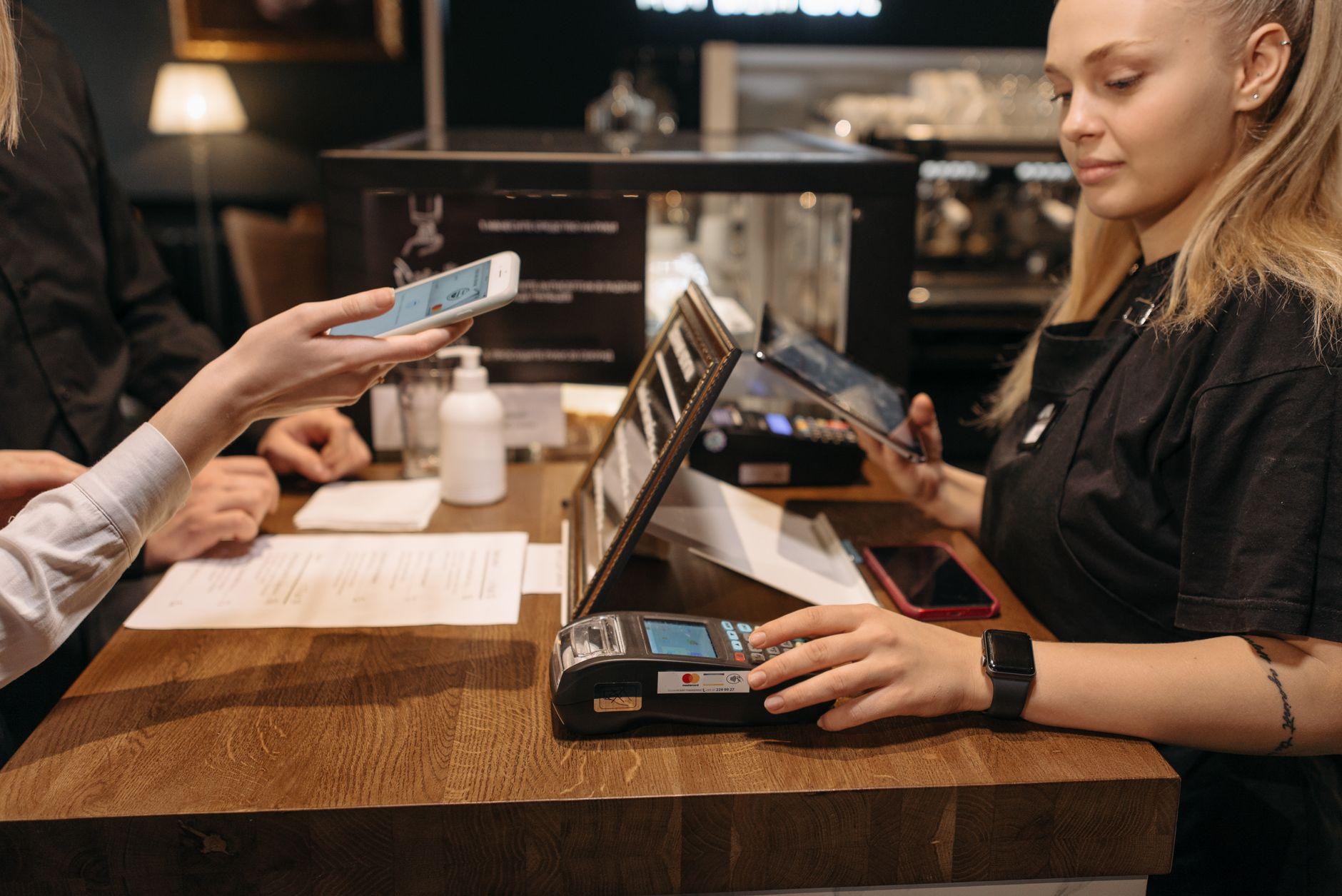

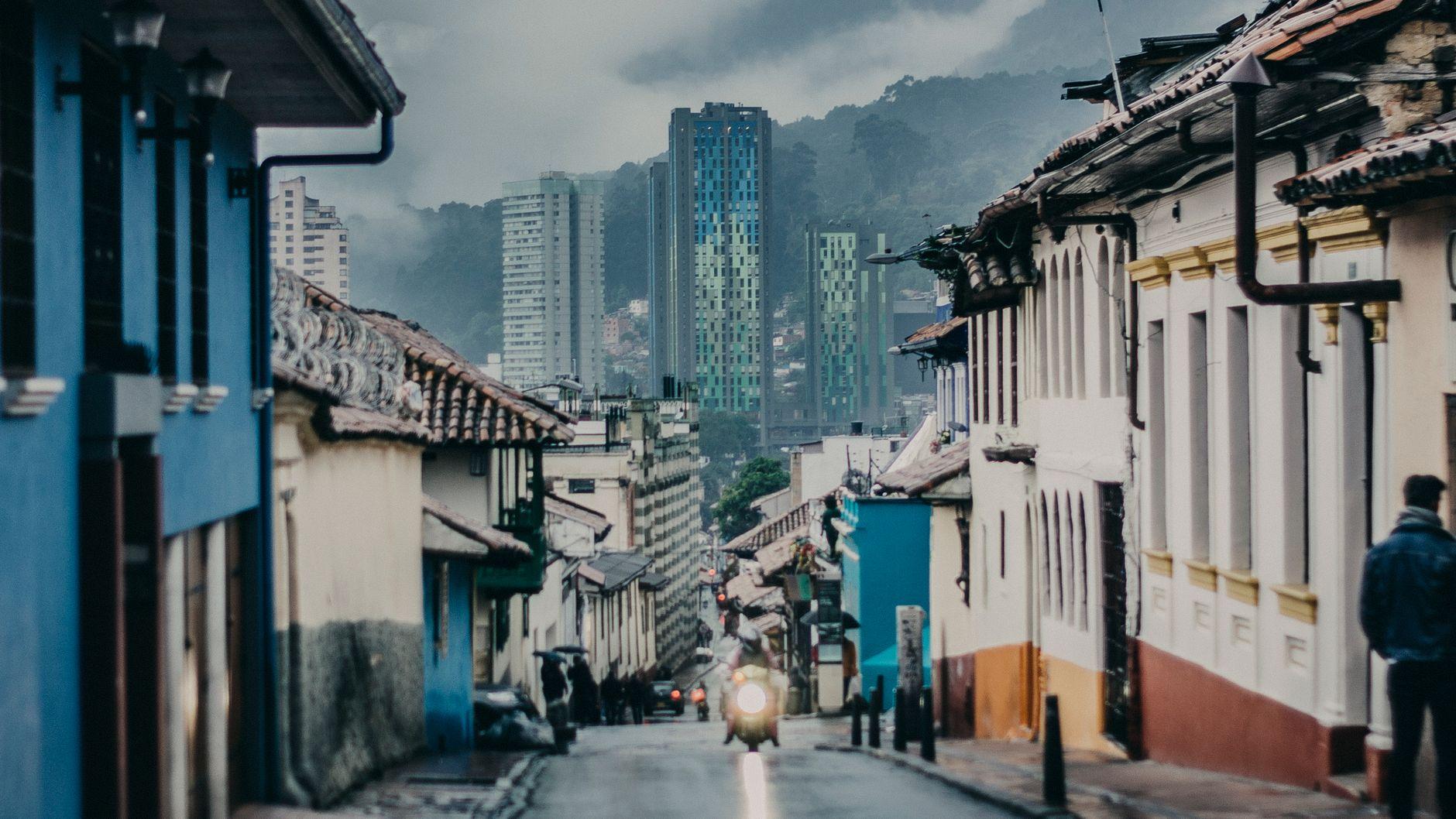
You are standing at a Western Union counter in Bogotá or São Paulo, waiting to collect money your family wired from the US. The agent counts out the bills, and you do the math: your sister said she sent $300, but your hands are holding the local currency equivalent of $270 or $294. You never find out which rail carried it or why the number shrank.
Between the sending currency and the final deposit sits a stack of costs: a transfer fee, an exchange rate markup, sometimes a second intermediary bank fee, and occasionally a delay that costs you more if you needed the money that day.
What fees actually apply to a Brazil or Colombia money transfer?
A remittance fee is rarely one number. It is typically two or three separate charges layered on top of each other, and the layering is what makes international money transfer review comparisons so hard to do accurately.
The first layer is the transfer fee itself. Traditional banks charge high flat wire fees regardless of the amount sent, which is punishing on smaller transfers. Legacy operators like Western Union and MoneyGram charge variable upfront fees that shift depending on how the sender pays (card, bank debit, cash) and how the recipient collects (cash pickup, bank deposit, mobile wallet). Digital providers charge a transparent percentage fee, typically a fraction of 1 percent for common currency routes, plus a small fixed cost, disclosed before you confirm.
The second layer, and usually the larger one, is the exchange rate spread.
Why does the exchange rate matter more than the visible fee?
The exchange rate markup is the cost most senders never see, because it is baked into the number instead of listed as a line item. Traditional banks and legacy remittance services typically apply spreads of 3 to 7 percent above the mid-market rate on USD to BRL and USD to COP conversions. On a $500 transfer, a 5 percent spread alone removes $25 before any fee is even charged, and the sender's receipt never shows that as a cost. It just shows a slightly worse rate than the one quoted on a currency converter.
This is the same mechanism as a currency exchange counter at an airport: the fee sign says "no commission," but the exchange rate posted is worse than the interbank rate, so the cost is real, just relocated. Modern digital providers pass through the mid-market rate with minimal spread and charge the cost as a visible upfront fee. The total dollar cost may end up similar, but transparency lets a sender compare providers honestly, which a hidden spread does not allow.
How much slower is a bank wire than a local rail like Pix?
Speed and cost are connected because delayed settlement has its own cost, particularly for a recipient who needs funds for rent or a medical bill the same day.
Digital remittance providers and mobile wallets that route through local instant-payment rails can often settle transfers to Brazil and Colombia instantly or within a few hours. Brazil's Pix system is the clearest example: a Pix money transfer clears in seconds once initiated, because it is a real-time interbank settlement rail run through the Central Bank rather than a correspondent banking chain. A traditional international wire sent over SWIFT, by contrast, typically takes 1 to 5 business days to clear and land in a local account, passing through one or more correspondent banks along the way, each of which can add its own handling fee before the recipient ever sees the deposit.
What do regulators require for transfers into Brazil and Colombia?
Both countries route international transfers through licensed, supervised institutions: in Brazil, only institutions authorized by the Central Bank can convert foreign currency and settle it into a Pix account, and in Colombia foreign exchange flows run through intermediaries overseen by the Superintendencia Financiera and Banco de la República. That shapes which providers a sender can legally use.
Any legitimate provider operating in either corridor works within this supervised structure. Moreta, a FinCEN-registered money services business in the United States, delivers funds through licensed local partners, which is what lets a transfer land as a Pix or Bre-B credit rather than a SWIFT wire.
How big is the Colombia and Brazil remittance market, and what does that tell you?
Scale matters here because it explains why local rail integration is worth building in the first place, rather than routing everything through SWIFT by default.
Colombia received a record 13.1 billion USD in remittances in 2025, according to Banco de la República, while Brazil receives roughly 4 to 5 billion USD a year, with individual transfers typically a few hundred dollars. In Brazil, digital transfers now dominate because 148 million Brazilians, about 86 percent of adults, used Pix in 2025, meaning a provider that cannot plug directly into Pix is routing recipients through a slower, costlier path than the one Brazilians use with each other every day. Across Latin America as a whole, cash and digital remittance transactions are now roughly evenly split, according to the Inter-American Dialogue, which is why a provider's coverage of both matters depending on where the recipient lives.
How does Moreta fit into sending money to Brazil or Colombia?
Moreta was built first as a wallet for travelers making local QR payments in Brazil, Colombia, and other Latin American and Asian markets, which means the underlying infrastructure-direct access to Pix and other local instant-payment rails-is the same infrastructure that makes a remittance land quickly rather than sit in a correspondent banking queue. A sender funds the Moreta wallet from a US bank account, card, or one of the other supported funding methods, and Moreta shows the exchange rate and total cost before the transfer is confirmed. That upfront visibility is the practical answer to the fee-versus-spread problem: a recipient's family member can see the real number before committing, not after.
Frequently Asked Questions
Does Pix cost anything to receive money in Brazil?
Pix itself is a free, instant interbank rail within Brazil. The cost a recipient experiences comes from whatever the international sender's provider charges to convert and route the funds into Pix, not from Pix itself.
Why did less money arrive than the sender said they sent?
Almost always the exchange rate spread, not a hidden fee. A provider quoting "no fee" or "free transfer" can still apply a 3 to 7 percent markup on the exchange rate, which reduces the local currency amount without appearing as a separate charge.
Is a bank wire ever the cheaper option for Colombia or Brazil?
Rarely for smaller amounts, because flat wire fees hit small transfers disproportionately hard. Wires can be competitive on very large, one-off transfers where the flat fee is a small percentage of the total.
How fast does a transfer to a Colombian bank account actually land?
Speed depends on the rail. A transfer routed through a local instant-payment network can land same-day; one routed through SWIFT correspondent banking typically takes 1 to 5 business days.
Can I compare providers by fee percentage alone?
No. A provider with a lower stated fee but a wide exchange rate spread can cost more overall than one with a higher stated fee and minimal spread. Compare the final local currency amount received, not the advertised fee.
Before you send
Keep a small amount of cash in local currency-BRL or COP-on hand for vendors who do not accept digital payments, taxis that demand exact change, or a market stall with no QR code. Most of your spending will clear instantly through Pix or Colombia's Bre-B, which went live in October 2025, but a reserve of 50,000 COP or 100 BRL covers the gaps. Set up your Moreta wallet before you need to send, verify your funding method works, and check the exchange rate and total fee one more time before confirming the transfer.
About Moreta
Moreta Global Inc. is a Delaware corporation, a FinCEN-registered Money Services Business, and a Y Combinator-backed company (Summer 2024 batch). Moreta operates a digital wallet that connects directly to local payment rails, including Brazil's Pix, Colombia's Bre-B, and QR networks across Latin America and Asia, funded through a US bank account linked through Plaid, SEPA, UK Faster Payments, Canadian Interac e-Transfer, Australian PayID, cards, Apple Pay, Google Pay, or USDC. The company's rate comparison tool shows the exchange rate and total cost before a transfer or payment is confirmed, built on the same infrastructure used for its point-of-sale QR payments abroad.
If you are sending money to Colombia or Brazil regularly and want to see the real exchange rate and fee before you commit, visit Moreta to compare it against what you are currently using.