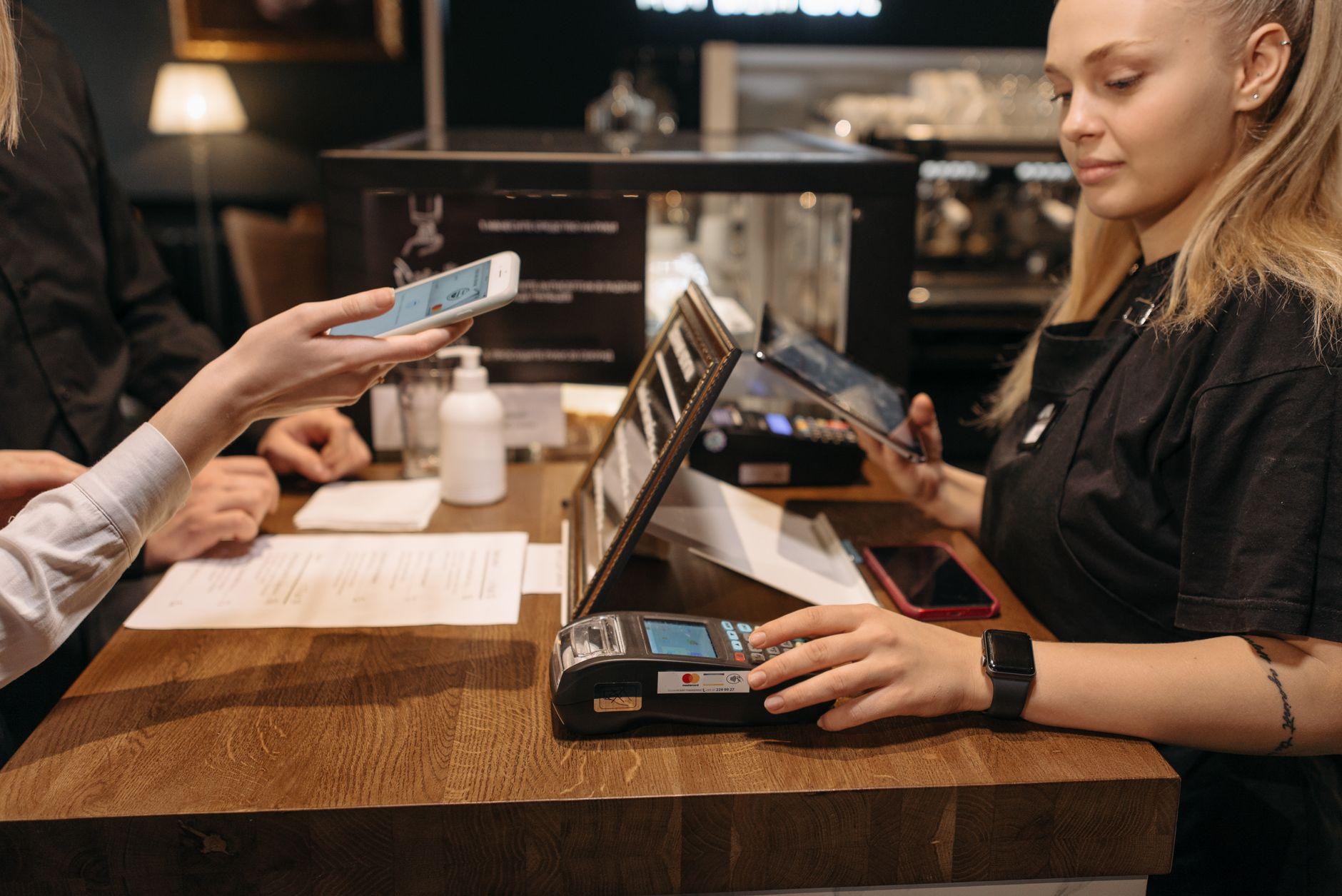

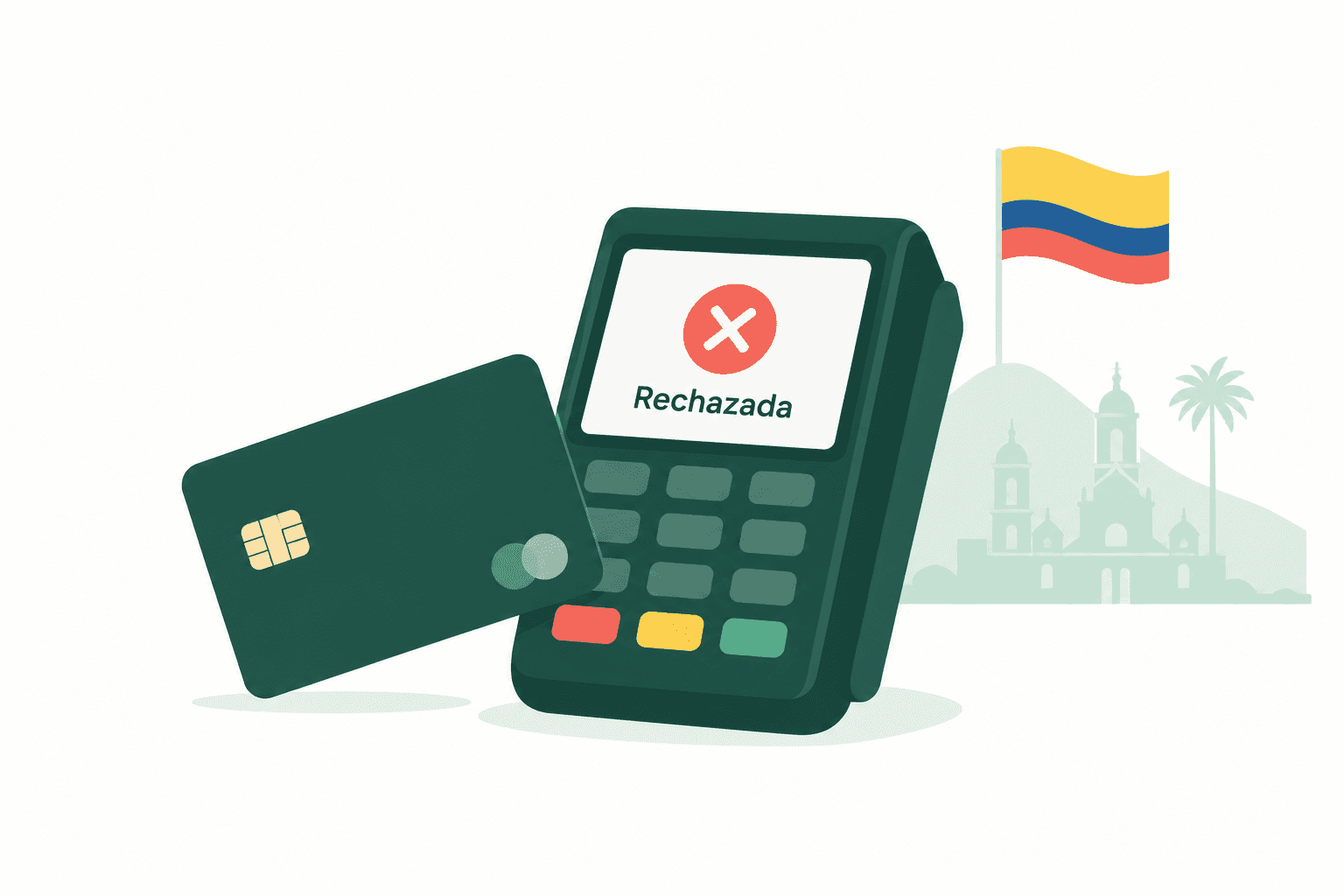
You are standing at the counter of a tienda de barrio on a corner in Chapinero, a bag of Bogotazo bread and a liter of Alpina yogurt on the counter, and the owner has just handed your card back with a small shake of his head. The terminal says "rechazada." Behind you, someone shifts their weight, waiting. This happens to travelers in Bogota every day, and the fix is not panic or a walk to the nearest ATM. Know why the decline happened and have a second, independent way to pay that does not depend on your home bank's fraud algorithm agreeing with your travel plans.
Why did my card get declined at a Bogota store?
A decline means the transaction was stopped somewhere between the terminal and your card issuer, and in Colombia that stoppage usually happens for one of a handful of well-documented reasons. The most common cause across markets, not specific to Colombia, is simple: insufficient funds or available credit, which one payment processor's decline-code data pegs at 44% of all declines [stripe.com]. The second most common cluster involves your bank's own fraud controls. Foreign transaction flags trigger when a card that has only ever been swiped in Ohio suddenly shows a charge in Bogota, and some issuers will freeze the card automatically rather than risk approving a fraudulent charge [bankrate.com][checkout.com]. A merchant hold, sometimes for a slightly higher amount than the purchase, can also tie up funds and make a second attempt at the same terminal fail even though nothing is actually wrong with the card [consumer.ftc.gov].
A third, less obvious cause is entering the wrong information at the terminal, whether that is a PIN typo, an expired card, or a card that was never activated for international use before you left home [whiterosecu.com][chase.com]. None of these are unique to Colombia. What is specific to Colombia is the terminal network itself: EMV chip terminals are standard, and Colombian regulation under the Superintendencia Financiera requires QR code payments to follow the EMV QR Code Specification, so a merchant's QR reader is a different rail entirely from the chip-and-PIN terminal your card just failed on.
Is this part of a scam or just a normal decline?
Building on the causes above, a separate and more serious version of the same message deserves its own explanation. Fraud researchers have flagged a scam pattern where a fake "card declined" text or email, sent right after you actually tried a transaction, prompts you to click a link or call a number to "verify" your card [abc7news.com][abc30.com]. The real decline at the real terminal is not the scam. The scam is the follow-up message that arrives on your phone claiming to be your bank, asking you to re-enter your card number or PIN through a link. If your card is declined in a Bogota store and you get an unsolicited text minutes later asking you to confirm details, do not tap it. Call the number printed on the back of your physical card instead, or check your bank's app directly [abc7news.com].
What should I do the moment my card is declined?
The practical sequence matters more than the theory. Here is what actually works at the counter, in order:
- Ask the merchant to run it again, but only once. A slow signal or a mistyped amount causes plenty of one-off failures that resolve on a second try.
- Try a second card if you're carrying one. A different issuer, different network (Visa versus Mastercard), or a card you've already used successfully in Colombia is your fastest fallback.
- Check your banking app on the spot. Most issuers show a real-time decline reason, distinguishing a fraud hold from insufficient funds in seconds.
- Have a QR-based payment method ready as your true backup, one that is funded separately from your card and does not depend on your home bank approving a foreign swipe.
- Pay in Colombian pesos, never in your home currency, whenever a terminal or ATM offers you the choice. Choosing DCC locks in a worse rate before you've even solved the decline problem.
Why is Dynamic Currency Conversion a trap even when the card works?
This is worth separating from the decline problem entirely, because it costs you money on every successful transaction, not just the failed ones. Major card networks and issuers typically charge foreign transaction fees of 1% to 3% on top of the purchase price. Dynamic Currency Conversion, the prompt that asks "would you like to be charged in US dollars instead?", adds its own exchange rate markup of 7% to 15% on top of that. Always decline DCC. Always choose to be charged in Colombian pesos. The terminal or ATM is not doing you a favor by quoting a number in dollars; it is applying a worse exchange rate and calling it convenience.
Why does a QR payment method work when a card doesn't?
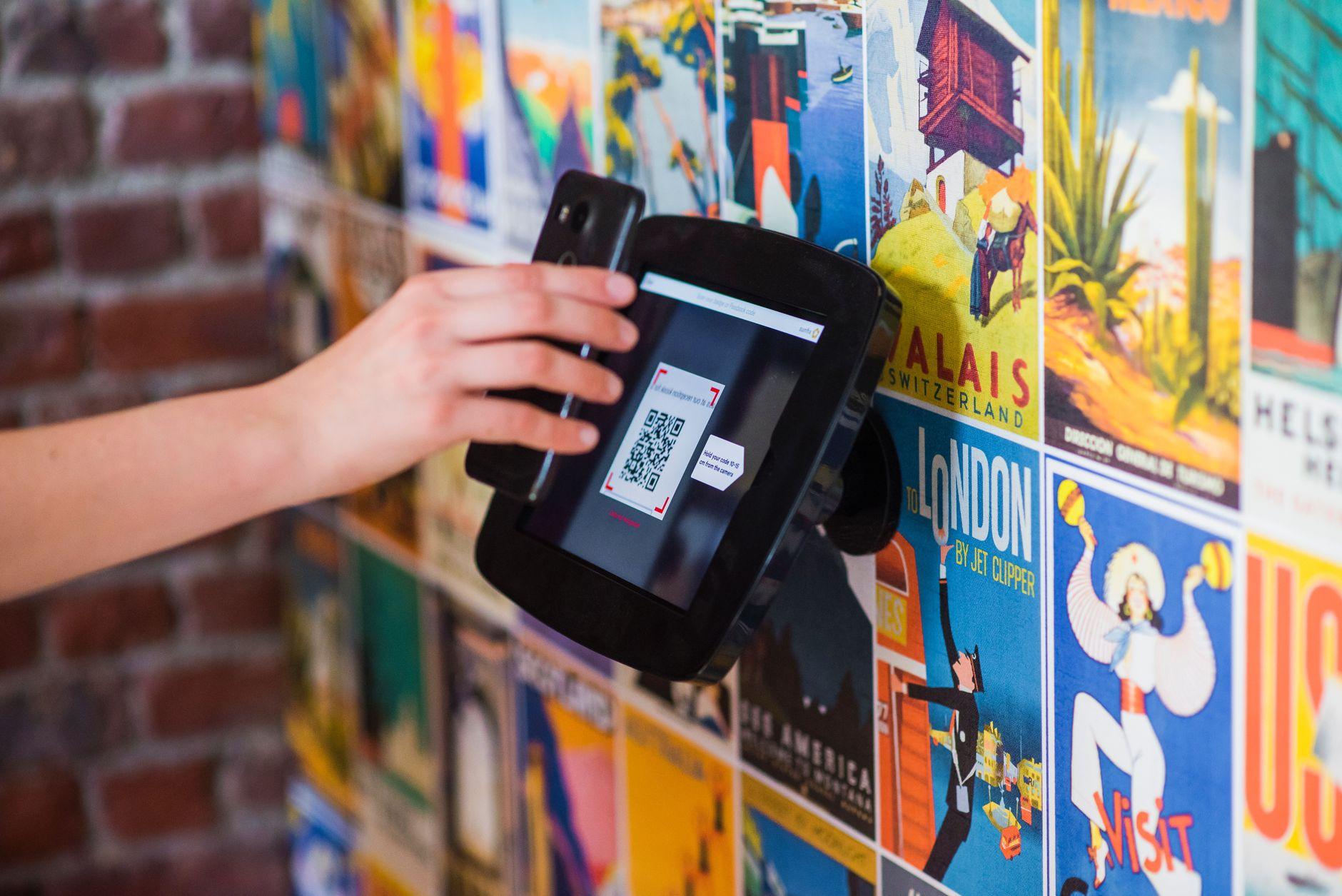
The mechanism is the point, not just the outcome. A card decline happens because your issuing bank, sitting thousands of miles away, is making a real-time judgment call about a transaction it has limited context for: wrong country, wrong spending pattern, wrong terminal type. A QR payment routes around that judgment call entirely. When you scan a merchant's QR code with a wallet that has already converted and loaded your funds, you're not asking a foreign bank to approve a foreign swipe in real time. You're spending a balance that already exists in the wallet, denominated the way the local system expects it. It's the difference between asking a stranger's permission for every purchase versus carrying money you already have in your pocket. Colombia's Bre-B system, which supports mandatory interoperability for instant transfers, is pushing QR and account-to-account payments further into daily commercial life at exactly the kind of small stores where card declines are most common and least explainable.
Moreta Pay is built around that mechanism. You top up from your home bank or card, in your own currency, before you ever reach the counter. You scan the same QR code the corner store already displays. You see the merchant name, the exact amount in pesos, and the exact FX rate before you confirm anything. The store gets paid instantly in Colombian pesos, and your payment never depended on a foreign bank guessing whether a Bogota transaction was really you.
How do I send money to Colombia if I run out of funds mid-trip?
If your primary card is frozen and your wallet balance runs low, sending money to Colombia through a bank transfer or card top-up into a QR code payment app gives you a second funding channel that doesn't touch the card your bank has flagged. Colombian QR systems are now standardized and widely integrated into commercial payment flows, meaning the rails are increasingly used by formal merchants at exactly the moment a card backup is most useful.
Do I still need cash in Bogota?
Yes, in specific places. Panela and empanada carts in San Victorino, some TransMilenio top-up windows, and tips for a physical newspaper vendor still run on coins and small bills. Keep something like 50,000 to 100,000 pesos in cash as a reserve, not because the city runs on cash, but because a handful of transactions still do.
Frequently Asked Questions
Why does my card work at big stores but fail at small tiendas in Bogota?
Larger retailers often have more established merchant processing relationships and higher approval thresholds set with acquiring banks, while smaller shops sometimes route through processors more prone to flagging unfamiliar foreign cards [checkout.com].
Is it safer to notify my bank before traveling to Colombia?
Calling your bank ahead of a trip to note travel dates can reduce fraud-flag declines, though it does not eliminate merchant holds or terminal errors [bankrate.com].
What's the fastest way to check why a specific transaction was declined?
Open your banking app immediately; most issuers display a decline code or reason in real time rather than making you call support [chase.com].
Should I trust a text message about a declined card?
Not unless you initiated contact. Verify through the number on your physical card, since decline-related phishing texts are a documented and growing scam pattern [abc7news.com][abc30.com].
Does Colombia use QR payments the way Vietnam or the Philippines do?
Yes, with its own standard: Colombian QR payments follow the EMV QR Code Specification and are moving toward interoperability through the Bre-B instant transfer system, similar in spirit to VietQR or QR Ph but built on Colombia's own regulatory framework.
Can I avoid ATMs entirely in Bogota?
Mostly, if you rely on a QR code payment app for daily purchases and reserve cash only for the small merchants who need it.
About Moreta
Moreta Global Inc. is a Delaware corporation and FinCEN-registered Money Services Business, backed by Y Combinator. The platform lets travelers top up in their home currency and pay directly through local QR networks across markets including Colombia, Brazil, Peru, Cambodia, and Malaysia. Funds are held through bank-connected infrastructure with identity verification and continuous fraud monitoring built in. For travelers who want a payment method that doesn't depend on a foreign bank's real-time approval, Moreta is built to be the backup that actually works at the counter.
If your next trip includes Bogota, or any of the other markets Moreta supports, set up your wallet before you land. Visit Moreta Pay to get started.