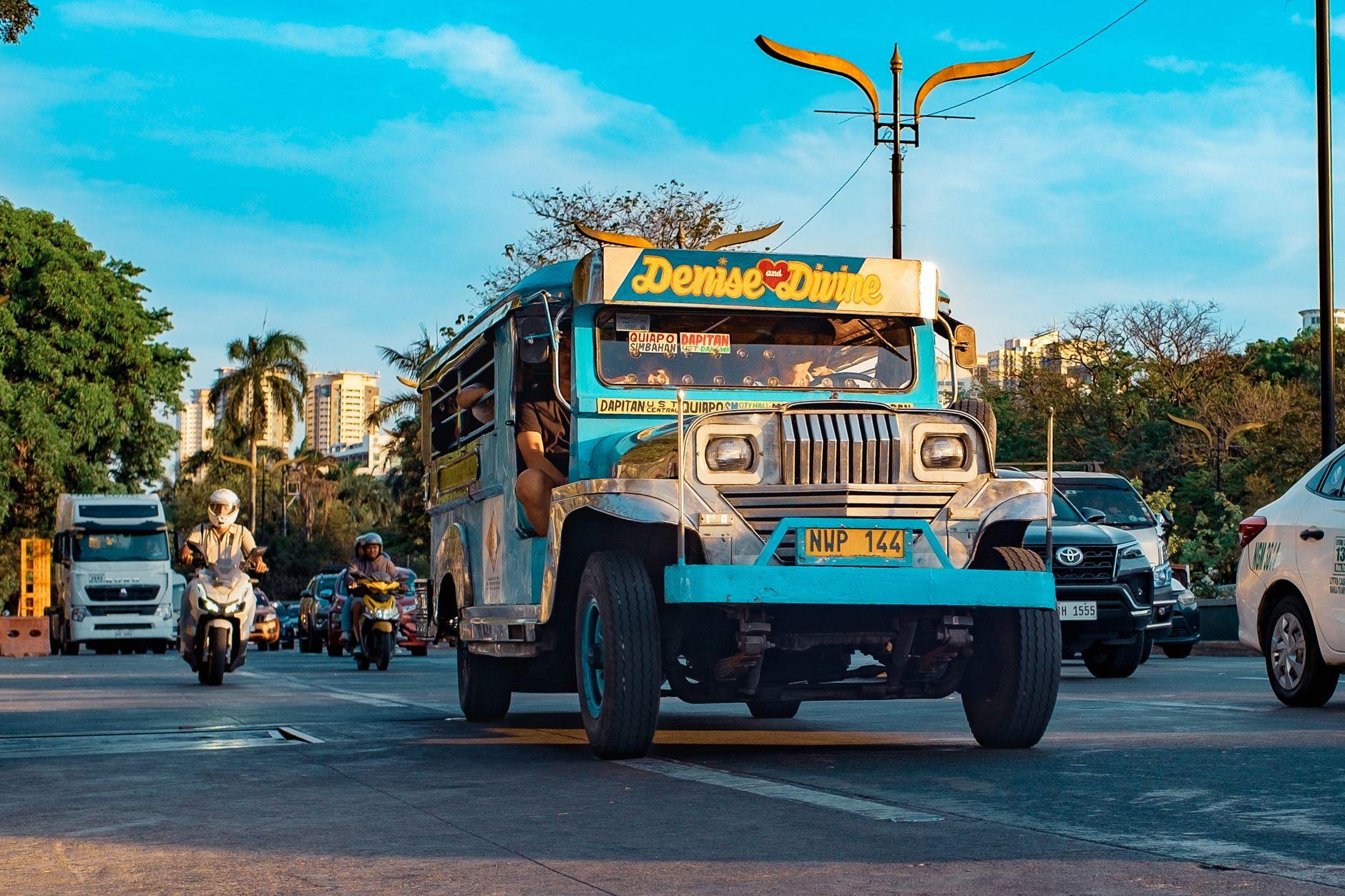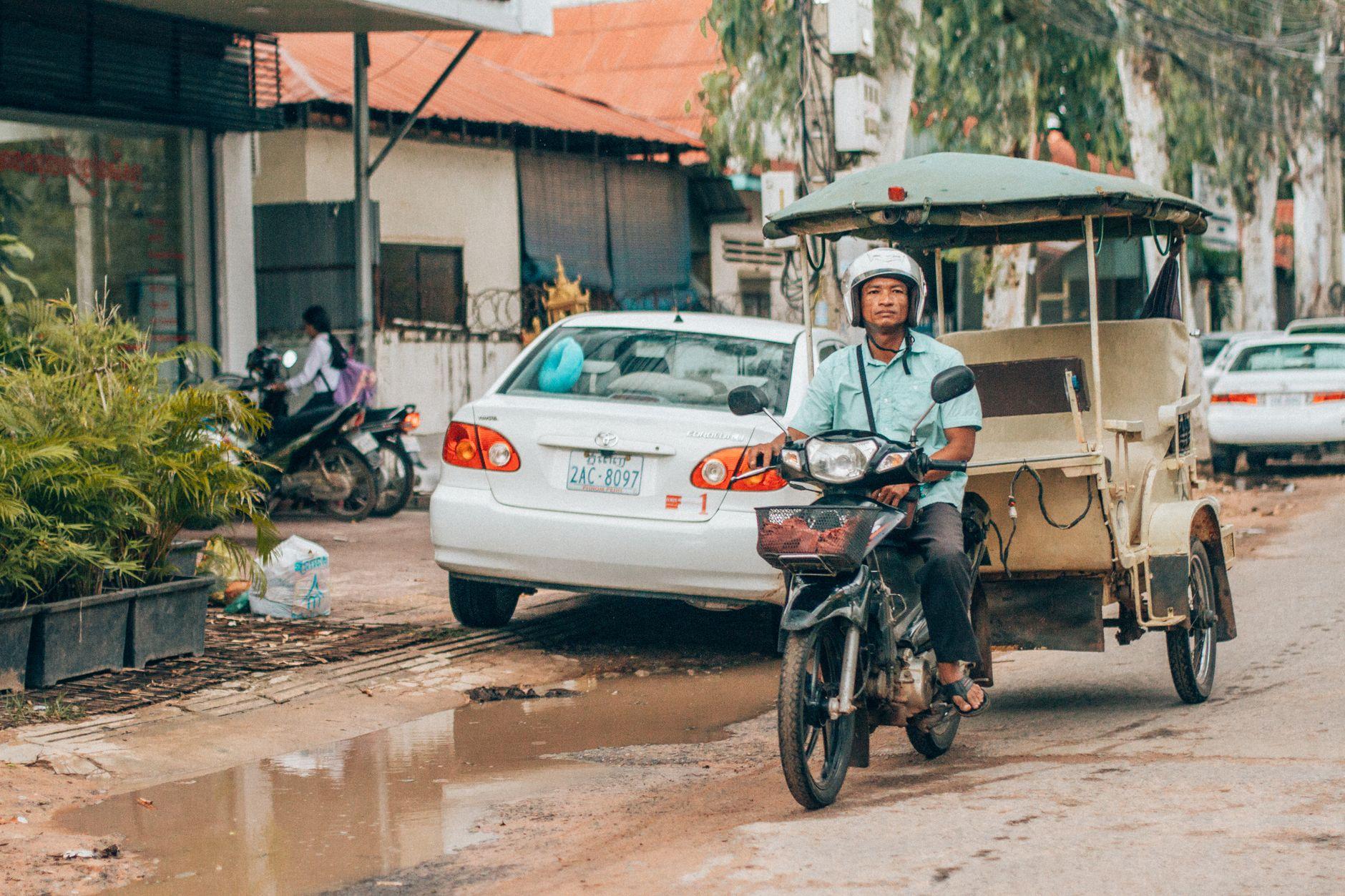


A single daily spending cap, one number in your own currency that you hold yourself and check against one wallet, gives a traveler moving through four countries one figure to track instead of four. You decide the limit once, and because every payment converts at the point of sale, whether that's a Pix payment in Brazil, a DuitNow scan in Kuala Lumpur, or a KHQR scan in Phnom Penh, one transaction history tells you where you stand. The alternative, juggling four prepaid cards or four cash stashes with four separate mental math problems, is where budgets actually fall apart on long trips.
Budget overruns on multi-country trips rarely come from one big bad purchase. They come from small leaks across many currencies that nobody adds up until the trip is over.
What does it mean to set a daily spending cap across multiple currencies?
A daily spending cap across multiple currencies is a single number, denominated in your home currency, that you apply uniformly no matter which country's rail you're paying through that day. Say you set $80 a day for a trip that moves from Kuala Lumpur to Phnom Penh to Manila to São Paulo. That $80 doesn't change when the local currency does. What changes is only the conversion happening at the point of sale, not the number you're tracking in your head.
Setting four separate caps, one per currency, requires four ongoing conversions to know where you stand relative to your overall trip budget. A traveler with a Malaysian ringgit cap, a Cambodian riel cap, a Philippine peso cap, and a Brazilian real cap has to constantly convert each back to home currency just to answer "am I over budget today." That's four conversions, done mentally, under time pressure, often at a market stall while a vendor waits.
Why does carrying four different wallets make budgeting harder, not easier?
Carrying four wallets, whether physical cash pouches or four separate prepaid travel cards, multiplies the number of balances you have to monitor instead of dividing the problem. Each wallet has its own balance, its own top-up schedule, and its own leftover currency you'll either waste or have to convert back at a loss when you leave the country.
The deeper issue is reconciliation. At the end of a four-country trip, a traveler with four wallets has to pull four transaction histories, convert each into one currency, and add them up to know what the trip actually cost. Most people don't do this rigorously, which is exactly why overspending on multi-country trips tends to surface as a surprise rather than a gradual, visible trend. One history, in one currency, is the whole trick.
There's also the dead-currency problem. Leftover Cambodian riel or Malaysian ringgit sitting in a card you'll never reload isn't free. It's money you already spent to acquire that you can't use anywhere else, and reconverting it typically costs you the same markup you paid going in.
How do currency conversion costs actually change when you split spending across wallets?
Foreign transaction costs compound separately for each wallet, which is the arithmetic that makes four-wallet travel more expensive than one well-chosen multi currency wallet app. Traditional bank cards typically add a foreign transaction fee of 1% to 3% on top of the card network's rate, which itself sits a fraction of a percent above mid-market, and accepting dynamic currency conversion at the till adds another 3% to 8%. If you're running four separate bank-linked cards across four countries, you're paying that stack of fees four separate times, once per currency conversion event, with no visibility into the cumulative total until your statements arrive weeks later.
Multi-currency travel cards like Wise and Revolut improved on this by eliminating the traditional foreign transaction fee and using real-time or mid-market rates with a smaller, disclosed conversion fee. That's a real improvement over a traditional bank card. But it still means a separate conversion event, and a separate fee line, for every currency you touch. A single wallet funded once and spent across four local QR rails collapses that into one top-up and one visible rate at each point of payment, rather than four parallel fee structures running at once.
Can one wallet actually work across four different payment rails?
Yes, if the wallet is built to connect to each country's native QR standard directly rather than relying on a single card network routed through card rails that not every local merchant accepts. Moreta Pay works this way: you top up from your home bank, card, or connected account, then scan the same local QR code a resident would use, whether that's DuitNow in Malaysia, KHQR in Cambodia, QR Ph in the Philippines, or Pix in Brazil. The app shows you the merchant name, the amount, and the exact FX rate before you confirm, so the conversion is visible at the exact moment it happens rather than buried in a monthly statement.
Pix in particular is worth understanding on its own terms. It's Brazil's instant bank-to-bank payment rail, built to settle in seconds between any two Brazilian bank accounts via a QR code or a registered key. Most tourists can't open a Brazilian bank account just to use it, which historically locked visitors out of the exact payment method every Brazilian vendor expects. A wallet that connects to Pix payment Brazil infrastructure directly removes that lock without requiring a local account.
What's the honest limit of a single-wallet, single-cap approach?
No wallet, single or otherwise, replaces cash completely, and claiming otherwise would be dishonest. Rural stalls, temple donations, small market vendors digging through a tin for change, and parking attendants in pockets of Phnom Penh or the Philippine provinces still run on physical notes. The sensible move is to keep a modest, specific cash reserve, something like the equivalent of $30 to $50 in small local denominations per country, rather than assuming your daily cap covers every transaction you'll encounter.
Cash also behaves differently during disruptions. Physical currency demand tends to spike during infrastructure outages, financial stress events, or connectivity problems, precisely the moments when a digital wallet is least useful: during the April 2025 Iberian blackout, card spending in the affected areas fell by roughly 40% while precautionary cash withdrawals jumped elsewhere [ecb.europa.eu]. A single spending cap is a budgeting discipline you keep, not a switch in the app, and not a replacement for carrying some physical currency as a backstop.
Frequently Asked Questions
Does a single daily cap mean I can't adjust spending by country?
You can still spend more in one country and less in another on a given day. The cap is a running total across the trip, not a rigid per-country allowance.
Is Moreta Pay a bank account?
No. Moreta Global Inc. is a Delaware corporation and a FinCEN-registered Money Services Business, not a bank; customer funds are held with licensed partner banks.
Does Moreta support Pix in Brazil?
Yes, Moreta Pay connects to Brazil's Pix rail directly, letting travelers scan the same QR codes Brazilian residents use.
What funding sources work with the wallet?
A US bank account linked through Plaid, SEPA, UK Faster Payments, Canadian Interac e-Transfer, Australian PayID, cards, Apple Pay, Google Pay, or USDC.
Do I still need cash with a multi currency wallet app?
Yes, in rural areas, for small vendors, and for things like temple donations or parking, where QR acceptance is inconsistent.
How does the app show exchange rates?
The exact FX rate, merchant name, and amount are shown before you confirm each payment, so there's no surprise markup after the fact.
About Moreta
Moreta Global Inc. is a Delaware corporation, a FinCEN-registered Money Services Business, and a Y Combinator company backed in the Summer 2024 batch. The company built Moreta Pay specifically for travelers who need to spend across multiple countries' native QR payment networks, including Malaysia's DuitNow, Cambodia's KHQR, and Brazil's Pix, without opening local bank accounts or relying on cash. Funds move in through familiar rails like US ACH, SEPA, UK Faster Payments, Interac e-Transfer, PayID, cards, Apple Pay, Google Pay and USDC, then convert to local currency at the exact moment of payment, with the rate disclosed before you confirm. Security features include identity verification through Persona, 24/7 fraud monitoring, and real-time account alerts.
If you're planning a trip across multiple QR-payment countries and want one wallet, one cap, and one rate check instead of four, visit Moreta to see how it works.