
Cambodia is the only country on most nomad itineraries where you will pay in one currency and get change in another. You hand over US dollars, you get Cambodian riel back. Every single day. The math is constant, the small bills pile up, and nobody ever seems to have the right change.
Here is the good news: Cambodia also has one of the cleanest QR payment systems in Southeast Asia, and it sidesteps the whole mess. This is a practical walkthrough of how everyday spending actually works there, and how to plug into the local system as a visitor.
Why the dual currency wears you down
Dollars and riel circulate side by side. Bigger purchases are usually priced and paid in dollars. Anything under a dollar, and most change, comes back in riel. So a coffee might cost you a few dollars, and your change arrives as a fistful of riel notes you will struggle to spend anywhere except on another coffee.
Then there is the condition problem. Cambodian merchants are famously picky about US bills. A torn corner, a small ink mark, a note that has been folded too many times, and it gets handed back to you with an apologetic smile. You end up carrying a stack of "rejected" dollars that only an exchange booth will take, often at a worse rate.
Multiply that by three meals, two coffees, a tuk-tuk, and a market run, and the dual currency shuffle becomes the most annoying part of your day. It is not expensive, exactly. It is just friction, over and over.
KHQR: the one QR code that works everywhere
Cambodia solved its own fragmentation problem better than most of its neighbors. The central bank built a system called Bakong, and sitting on top of it is a single national QR standard called KHQR. Every bank and wallet in the country, from the big players like ABA and ACLEDA to smaller apps, issues the same style of QR code, and they all talk to each other.
Practically, that means the red-and-white KHQR sticker on a noodle cart in Phnom Penh works exactly the same as the one at a minimart in Siem Reap or a guesthouse in Kampot. There is no "sorry, we only take this app" conversation. One code format, scanned by anything that speaks Bakong.
And adoption runs deep. Market stalls, tuk-tuk drivers, barbers, laundry shops, pharmacies. If a business handles money, there is a decent chance a laminated KHQR code is taped somewhere near the cash drawer. Locals pay this way constantly, precisely because it kills the small-change problem for them too.
The catch for foreigners, and the way around it
Local Bakong-connected apps generally assume you have a Cambodian bank account or a local SIM and ID to register. If you are in the country for a few weeks or months, that is a door that mostly stays closed.
This is where Moreta Pay fits. You top up a wallet from your home bank or card, in your own currency, before or during the trip. Then you scan the merchant's KHQR code like any local would, see the amount, the merchant name, and the exchange rate on screen, and confirm. The merchant gets paid instantly in their currency. No Cambodian bank account, no local paperwork, no stack of riel in your pocket.
The on-screen review step matters more in Cambodia than you might expect, because prices get quoted in dollars or riel depending on the shop. Seeing exactly what you are about to pay, converted transparently, removes the "wait, is that in riel or dollars" moment entirely.
One habit worth keeping: glance at the merchant name that appears when you scan, and check it matches the shop you are standing in. QR stickers in busy areas occasionally get swapped by scammers, and that one-second check is your protection.
A realistic day of KHQR spending
To make this concrete, here is what a normal nomad day in Phnom Penh or Siem Reap looks like on QR:
Morning coffee and a coworking day pass. Both almost certainly have KHQR at the counter. Scan, confirm, done. No riel change rattling around your bag by 9am.
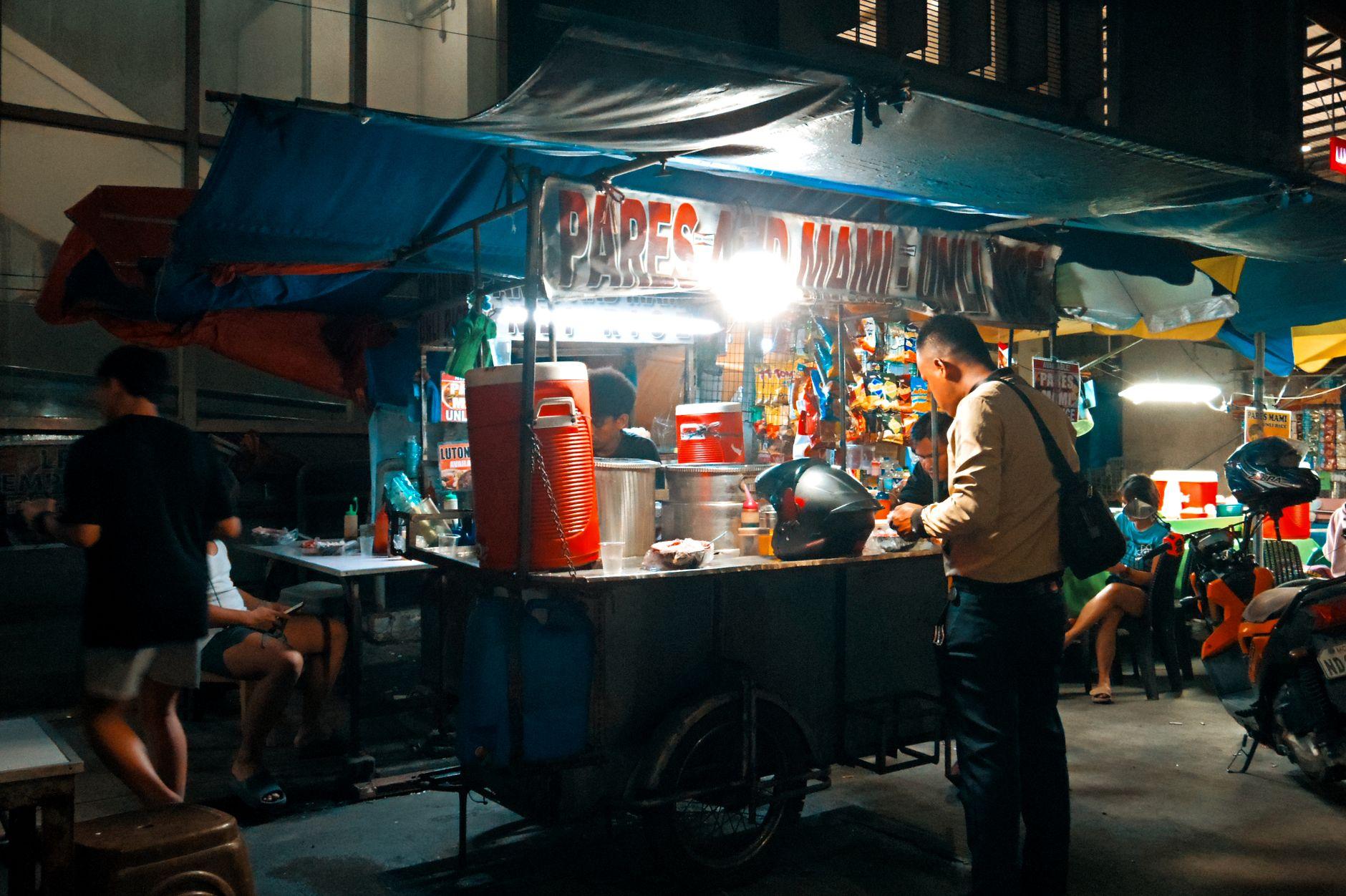
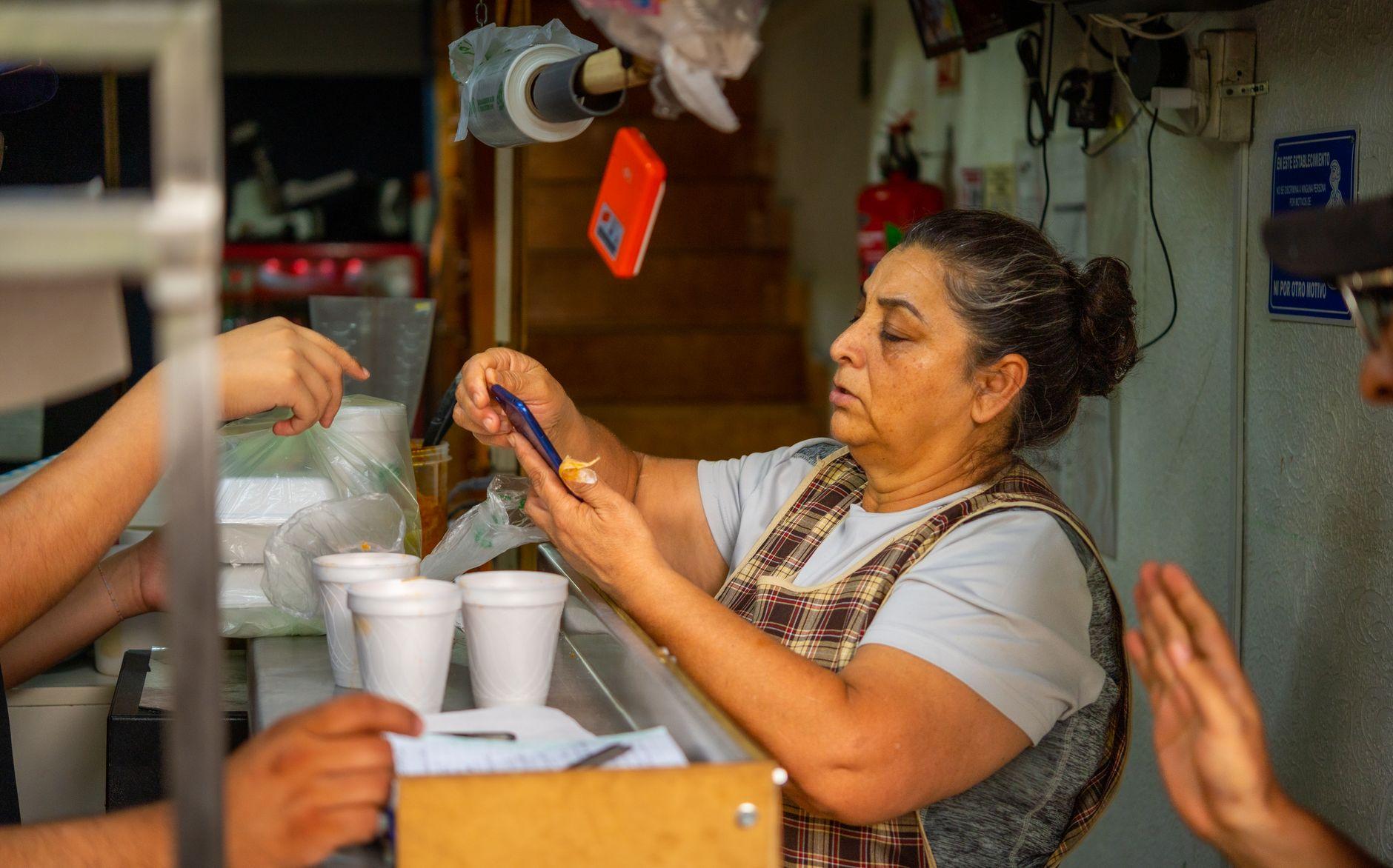
Lunch at a market or street stall. This is where QR shines most. Small vendors hate breaking large dollar bills, and small riel notes are exactly what everyone runs out of. A QR payment for an oddly priced bowl of noodles is the exact amount, every time.
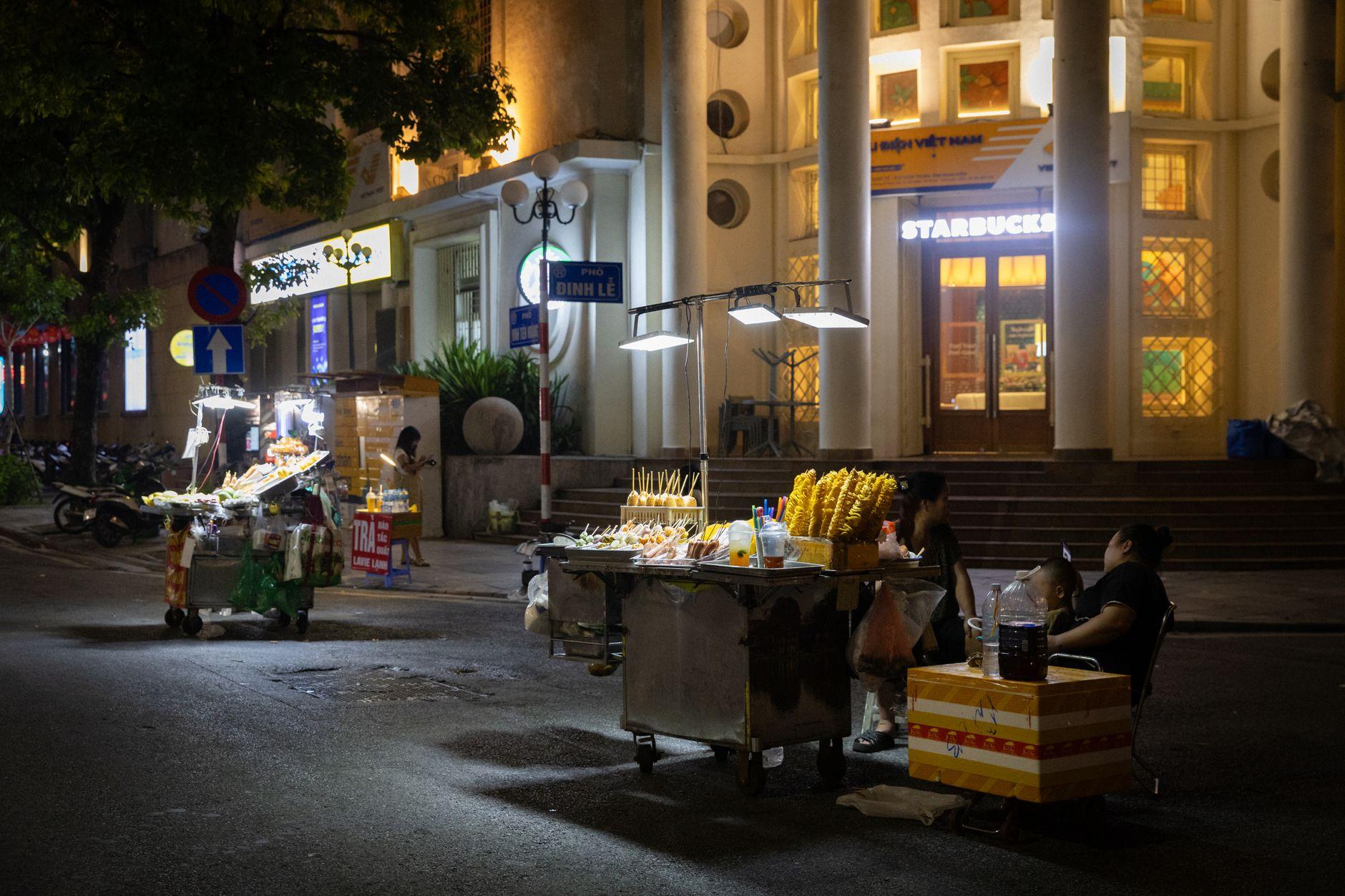
A tuk-tuk across town. Many drivers, especially those working through ride apps, display a KHQR code on the dashboard or their phone. Agree the price, scan, show them the confirmation screen.
Groceries and a pharmacy run. Chains and minimarts all take KHQR. This is also where dual pricing gets most confusing on paper, and where paying the exact digital amount saves you from mentally converting a receipt that mixes both currencies.
Evening: booking the next leg. QR-based checkout also works for online payments on platforms like Agoda or Trip.com, so the same Moreta Pay wallet covers your next guesthouse, not just street-level spending.
Where you still want paper money
Do not go fully cashless in Cambodia. Keep a modest reserve, in clean, newish US bills plus some riel, for a few situations:
Remote areas and islands. Connectivity gaps happen, and a vendor on Koh Rong may not have reliable signal for a QR confirmation to come through.
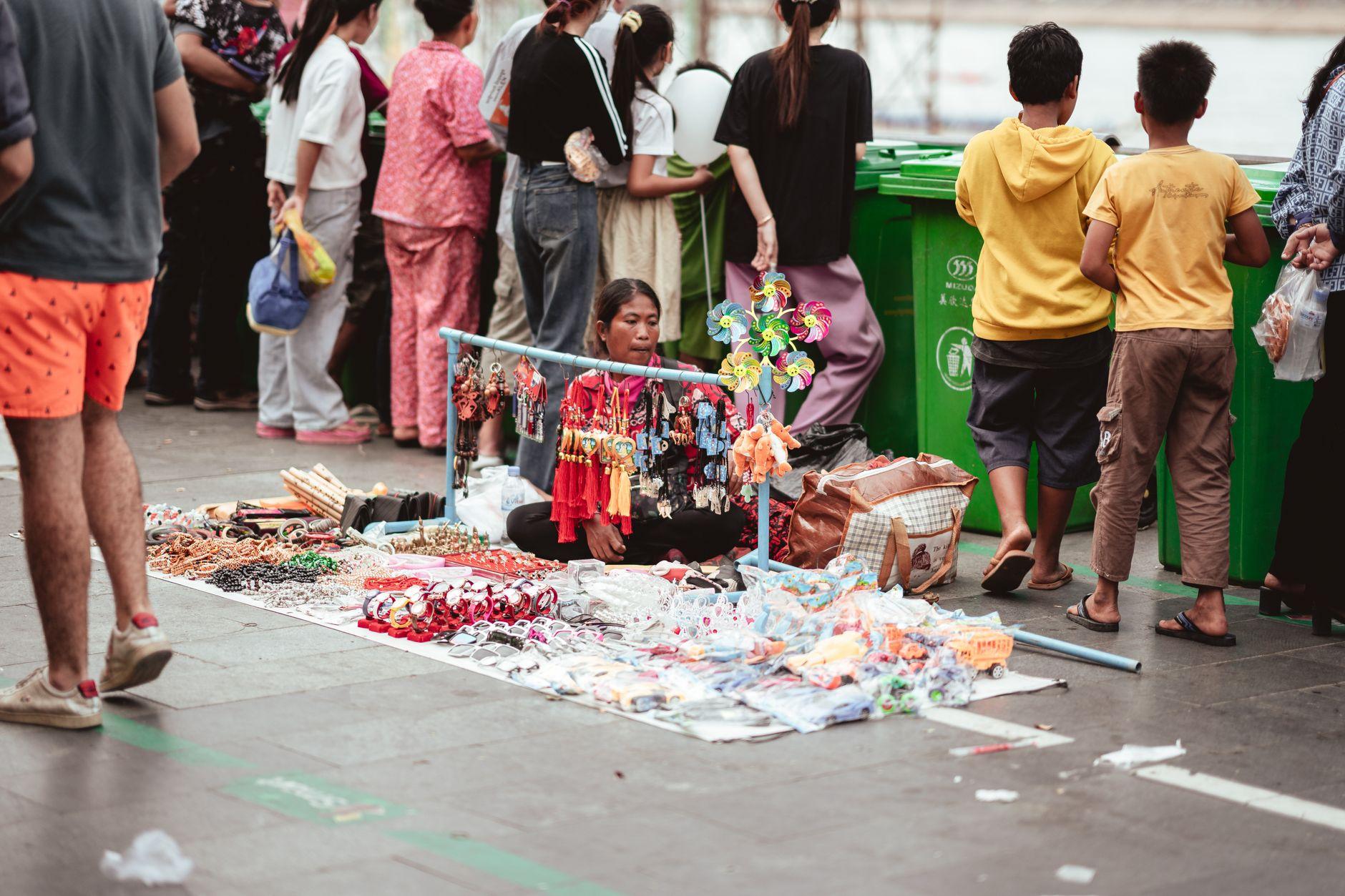
Temple donations and very informal sellers. Some of the oldest vendors and donation boxes remain cash only.
Border crossings and visa fees. These are dollar-cash territory, and the bills need to be in good condition.
A sensible split is small and digital-heavy: enough cash for a day or two of emergencies, everything else through QR. The riel you do receive as change, spend it quickly on small items rather than hoarding it.
The quiet bonus of paying digitally
There is a side benefit for anyone staying longer than a holiday. Every KHQR payment leaves a clean record with the merchant name attached, which beats trying to reconstruct a month of cash spending from memory. If you are tracking a budget across countries, or just want proof of where your money went, that spending trail is genuinely useful.
Compare that to the cash alternative: a wallet with dollars in one pocket, riel in another, a mental note of which bills are "too damaged" to use, and zero record of any of it.
Set it up before you clear immigration
The setup takes minutes, and doing it before you land means your very first tuk-tuk from the airport can be a QR payment instead of a fumble with unfamiliar notes. Connect your home bank or card, load a balance in your own currency, and you are ready to scan KHQR the moment you see one.
Cambodia without cash headaches is not a fantasy, it is just KHQR plus a wallet that foreigners can actually use. Get Moreta Pay set up before your flight and leave the dollar-and-riel arithmetic to the exchange booths.