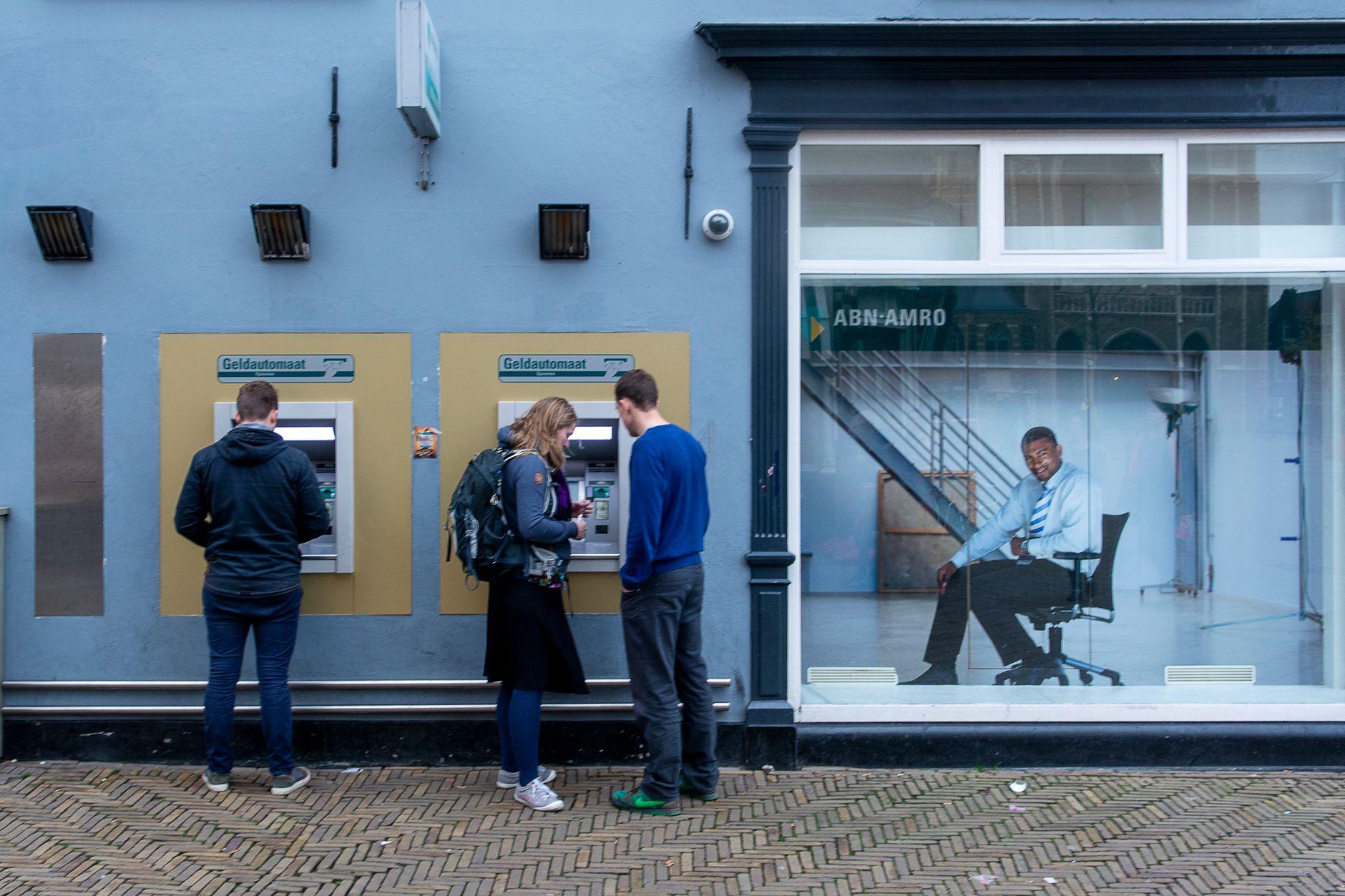


Here is a scene that plays out daily at arrivals halls from Pudong to Chengdu. A traveler lands with a wallet full of crisp yuan from the airport exchange counter, a premium travel credit card, and total confidence. Forty minutes later they are standing at a noodle counter watching the owner shake her head at both. She is pointing at a laminated QR code taped to the register, because that is how people pay in China. Not sometimes. Basically always.
Most of the bad advice travelers carry into China was true a decade ago. Almost none of it is true in 2026. So let’s take the common beliefs one at a time and see which ones survive contact with an actual Chinese street.
Myth: “China runs on cash, just bring plenty of yuan”
This is the oldest myth and the most expensive one to believe. Urban China has become one of the most cashless societies on earth. Locals pay for everything, from a subway snack to a month of rent, by scanning QR codes with WeChat Pay or Alipay. Merchants have adapted accordingly. Many small shops keep almost no change in the till. Hand a 100 yuan note to a fruit vendor and you may get a sigh, a search through drawers, a call to a neighboring stall, or a flat refusal.
Cash is technically legal tender, and you should still carry a small amount as a backup. But building your whole trip around banknotes means you have chosen the payment method that annoys the most people and works in the fewest places.
Myth: “My international credit card will get me through”
Your Visa or Mastercard will work at international hotel chains, some airport shops, and a handful of malls aimed at foreign visitors. That is roughly where the list ends. The taxi that picked you up, the dumpling place your hotel recommended, the convenience store on the corner, the tailor at the market, the tea shop in the hutong: none of them are likely to have a terminal that accepts your card, and most have never needed one.
This is the part that shocks people. In much of the world, “card acceptance is limited” means street food and small stalls. In China it can mean sit-down restaurants with printed menus and full staff. The infrastructure simply grew up around QR payments instead of card terminals, and there is no reason for a merchant to add hardware that only a passing foreigner would ever use.
Myth: “Fine, I’ll just hit the ATM when I need money”
ATMs in China will usually dispense yuan to a foreign card, but think about what you are actually buying. You pay whatever the local machine charges, plus whatever your home bank charges for a foreign withdrawal, plus an exchange rate you never got to inspect. Some machines will also helpfully offer to convert the withdrawal into your home currency on screen, which is the same dynamic currency conversion trap we’ve written about in South Korea, and it is never the good option.
And here is the punchline: after paying all of that, you are holding a stack of cash in a country where cash is the least welcome way to pay. You paid a premium to acquire the wrong tool.
Myth: “WeChat Pay and Alipay are for locals only, so I’m locked out”
Half true, and this is where most travel advice goes stale. Yes, the full local versions of these apps are built around Chinese bank accounts and local phone numbers, and setting yourself up as a resident would takes time you don’t have on a two week trip. But the important thing is not the app. It is the QR code on the counter.
Every merchant in China already displays a standard payment QR code. That code is the door, and you don’t need a Chinese bank account to walk through it. Moreta Pay lets you scan the same WeChat Pay QR code the locals scan, using a wallet you topped up from your own bank at home (US bank via Plaid or ACH, SEPA in Europe, UK Faster Payments, Canadian e-Transfer, or an international card). Before you confirm, you see the amount, the exchange rate, and the merchant’s name on your screen. Tap confirm, the merchant is paid instantly in yuan, and the noodle lady stops sighing.
No local SIM required for setup, no branch visit, no explaining your visa status to a bank teller. Just the QR code that was already there.
Myth: “At least booking things online will take my foreign card”
Sometimes, but don’t count on it as your only path. Plenty of travel and shopping platforms popular in Asia lean on QR-based checkout, and payments can fail or get flagged when a foreign card meets a local processor. The nice side effect of having a QR wallet is that platforms like Trip.com and Agoda that support QR-based payment become available to you the same way they are to everyone else, with the FX shown up front instead of discovered on your statement weeks later.
Myth: “Worst case, someone will help me pay”
This one is technically true and practically miserable. Stranded travelers in China do get rescued: a fellow diner scans the code for you and you hand them cash, a hotel receptionist pays your taxi driver, a tour guide covers your museum ticket. People are kind. But do you really want your dinner plans to depend on finding a bilingual stranger who happens to have change for your 100 yuan note? Being unable to complete a basic transaction, several times a day, wears you down fast. Travelers who have felt that particular helplessness in one country tend not to risk it again in the next.
What to actually do before you land
Strip the plan down to three moves. First, set up your QR wallet and top it up before your flight, while you still have easy access to your home bank. Second, withdraw one modest amount of cash as a true emergency reserve, small bills if you can get them, and expect to bring most of it home. Third, when you’re standing at that first counter, look for the QR code, scan it, check the merchant name and the rate on your screen, and confirm. That’s the whole skill.
China without cash sounds like a stunt until you watch an entire city do it every single day. You can spend your trip apologizing at registers, or you can put Moreta Pay on your phone before you board and pay the way the whole country already does.