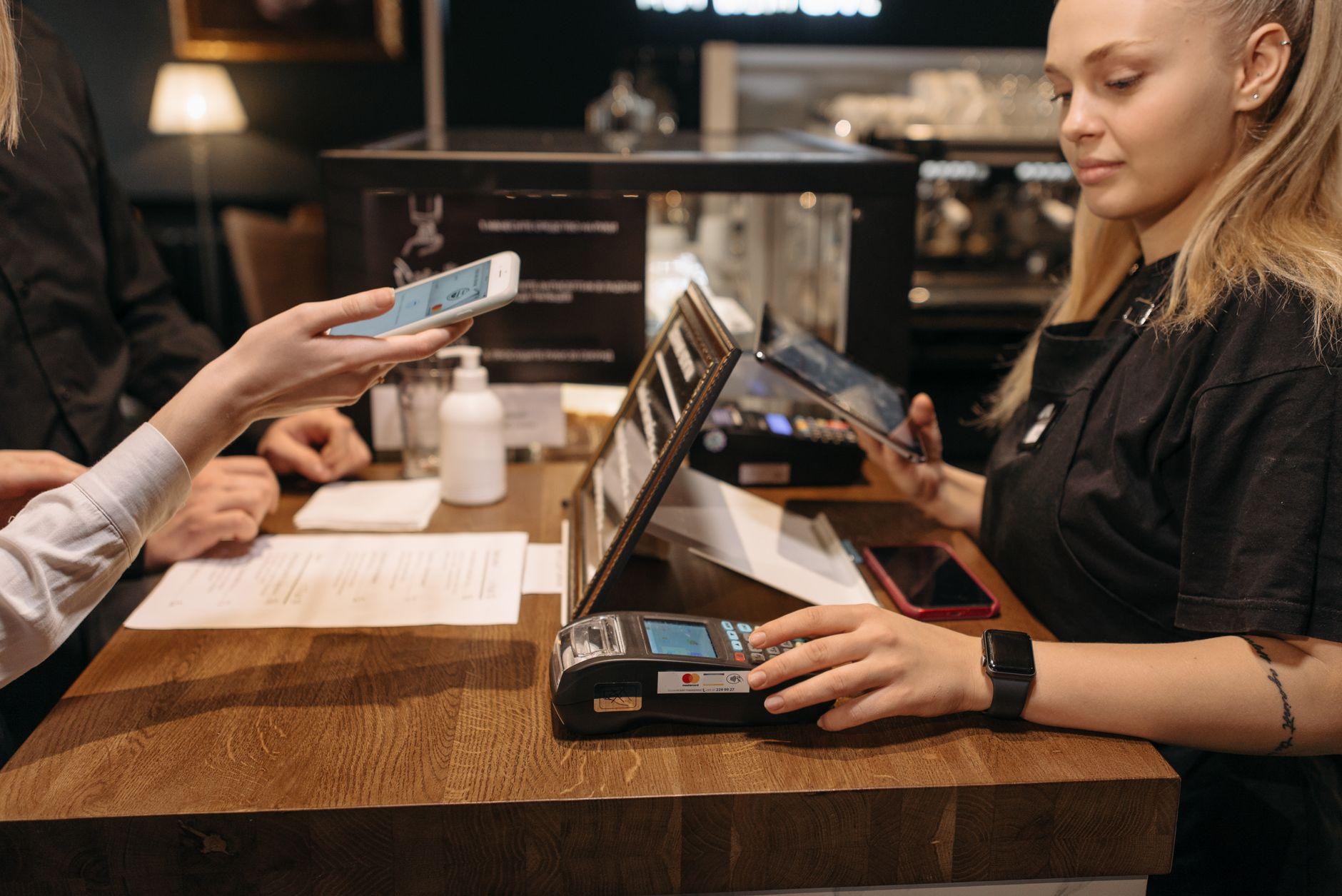

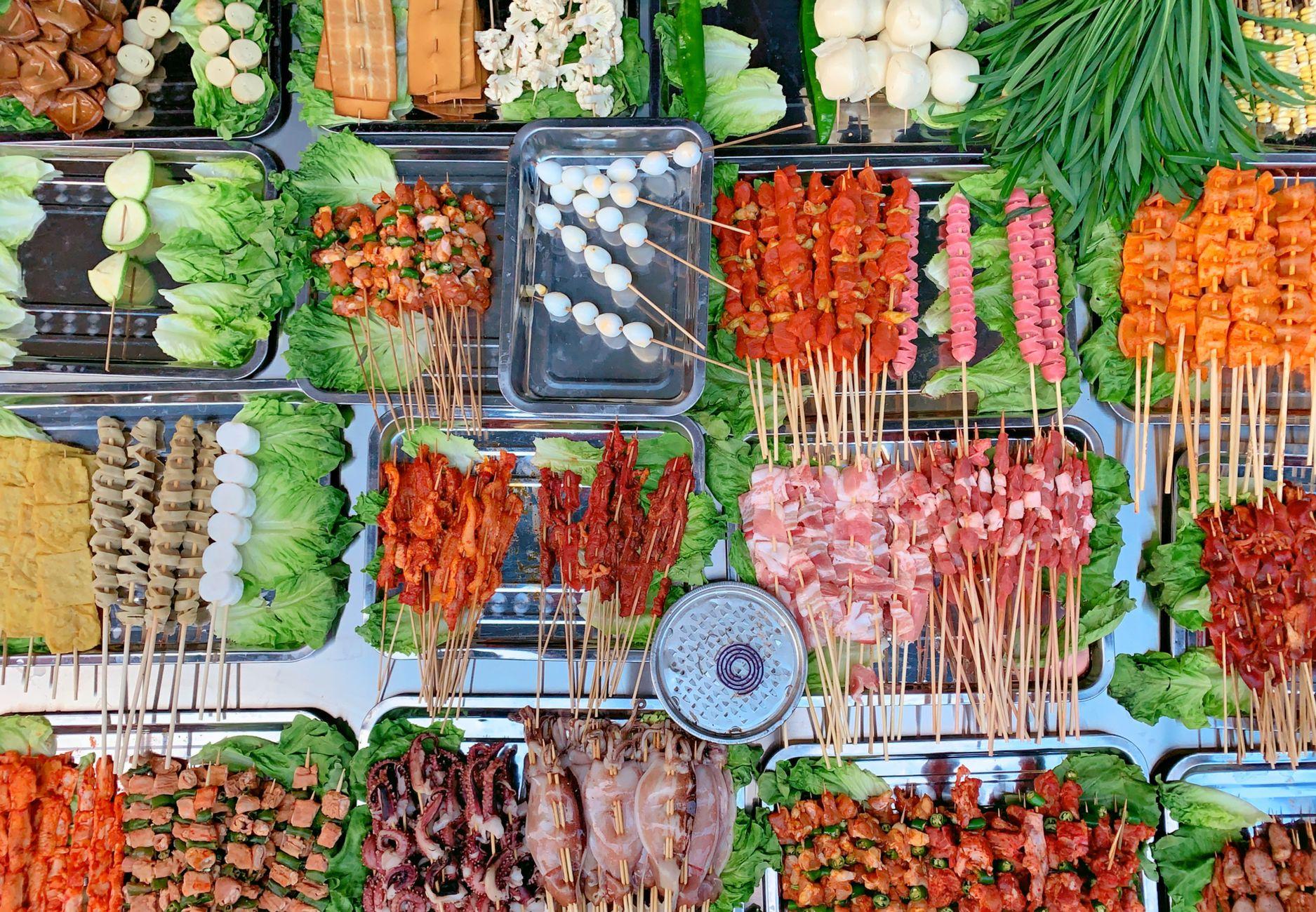
The noodle shop in Chengdu smells like chili oil and star anise, and you have just eaten the best bowl of dan dan mian of your life. You walk to the counter holding a crisp 100 yuan note. The cashier looks at it the way you might look at a traveler's cheque. She sighs, calls to the back, and a teenager appears to rummage through a drawer for change that may or may not exist. Behind you, three locals pay in roughly four seconds each, phone out, beep, gone. Nobody touched money. Nobody even touched a card.
Welcome to the most cashless large economy on the planet. If you are trying to figure out how to pay in China as a visitor, the first thing to understand is that you are not catching up to a trend. You are arriving a decade after the trend finished.
China didn't go cashless. It went QR.
Most countries that moved away from cash moved toward cards, then tap-to-pay. China skipped that entire chapter. The country jumped from cash straight to QR codes, and two apps, WeChat Pay and Alipay, became the water everyone swims in. The fruit vendor at the wet market has a laminated QR code zip-tied to her scale. The temple donation box has one. Street musicians tape one to the guitar case. Your taxi driver has one suction-cupped to the dashboard, and he would genuinely prefer you use it, because he may not have change for your note either.
This is why foreign card acceptance is so thin. Outside of international hotel chains and some big-city department stores, your Visa or Mastercard is mostly decorative. Terminals that take foreign cards exist, but the staff may not know how to use them, and the small places where you actually want to eat and shop never had them in the first place. The rails you are used to simply were not built here, because nobody needed them.
The moment every visitor hits
Here is the pattern, and almost everyone who lands in China without a plan goes through it. Day one, you pay the airport taxi or your hotel with a card, fine. Day two, you walk into a hole-in-the-wall restaurant with no English menu and a wall of QR codes, order by pointing, eat happily, and then discover that none of your payment methods work. The staff are kind about it. They are also baffled, because to them, you are essentially trying to pay with something that does not exist.
Cash is legal tender and merchants are supposed to accept it, but in practice you get sighs, change hunts, or a flat shake of the head at smaller stalls. Taxis are the classic failure point. You arrive at your destination, the meter reads 47 yuan, you hold out a 100, and the driver holds out his QR code. Standoff.
Which is also why stocking up on a thick envelope of yuan before your flight is the wrong instinct. You will pay a markup for notes that half the city does not want, a problem we have covered before in why pre-ordering foreign cash from your home bank is almost always a bad deal. A small cash reserve for emergencies is sensible. A cash-first strategy in China is not.
Joining the QR ecosystem without a Chinese bank account
The traditional answer was to open a Chinese bank account, which, for a two-week trip or even a six-month stint, is a bureaucratic adventure most people never finish. The newer answer is to plug into the same QR codes locals scan, using money that starts in your own bank at home.
That is exactly what Moreta Pay is built for. You connect your home funding source before or after you land, a US bank via Plaid or ACH, SEPA in Europe, Faster Payments in the UK, Canadian e-Transfer, or an international credit or debit card, and top up a wallet in your own currency. Then, at that Chengdu noodle counter, you scan the same QR code everyone else does. The app shows you the amount, the exchange rate, and the merchant name before you confirm anything, then converts and pays the merchant in yuan instantly. No Chinese bank account, no ATM scavenger hunts, no mystery foreign transaction fees surfacing on your statement three days later.
One practical note on that home bank connection: a sudden string of transactions from Shanghai can make a cautious bank nervous, so it is worth understanding how fraud flags actually get triggered when you travel before you rely on any card abroad, including the one funding your wallet.
Reading the room: how payments actually go down
A few China-specific habits worth knowing so you do not look lost at the counter.
At restaurants and cafes, the QR code is often on the table or taped near the register. Many places expect you to pay at the end by scanning, and some casual spots expect payment before the food arrives. Watch what the person ahead of you does.
At markets and street stalls, the code hangs from the awning or sits in a little plastic stand. Scan it, type the amount the vendor tells you, show them the confirmation screen. They will often have a small speaker that announces incoming payments out loud, which is your receipt. Always glance at the merchant name on your confirmation screen before you tap pay, especially at crowded stalls where codes sit close together.
In taxis, the dashboard code is standard. Ride-hailing apps handle payment in-app, but plenty of visitors still flag street taxis, and the QR code is how those trips end. Having a working way to scan it turns the end of every ride from a negotiation into a beep.
Online, QR-based checkout shows up on travel and shopping platforms too. Booking a hotel on Trip.com or Agoda, or buying intercity train tickets through a platform that offers QR payment, works the same way as the noodle shop: scan, review, confirm. Moreta Pay handles those QR-based online payments as well, which matters more in China than almost anywhere, since so much of daily logistics (tickets, deliveries, attraction entry) happens through a phone.
Your first 24 hours, in order
If you want a simple plan: set up and fund your wallet before you fly, since doing it on hotel wifi after a long-haul flight is nobody's best moment. Sort out mobile data (an eSIM or local SIM) because QR payments need a connection on your end. Keep a modest amount of cash for the rare outlier, think a few hundred yuan, not a brick. Then go find the smallest, busiest restaurant you can and pay for lunch the way the entire country does, phone out, beep, done.
China without cash is not a stunt or a compromise. It is just China. The visitors who struggle are the ones trying to import their home country's payment habits into a place that moved on years ago. The ones who glide through are the ones who joined the local system on day one.
If that second group sounds better, get Moreta Pay set up before your flight boards and let your first meal in China end with a beep instead of a sigh.