
Ask five nomads who have never been to Laos how money works there, and you will get five confident answers. Most of them were true in 2016. Some were true in 2021. Almost none of them survive contact with Vientiane or Luang Prabang in 2026. Laos has quietly joined the same QR payment wave that swept Thailand and Vietnam, and the advice circulating in Facebook groups has not caught up.
So instead of another generic packing-list article, let's go myth by myth. Here is what travelers commonly believe about spending money in Laos, and what is actually waiting for you when you land.
Myth one: Laos is strictly a cash country
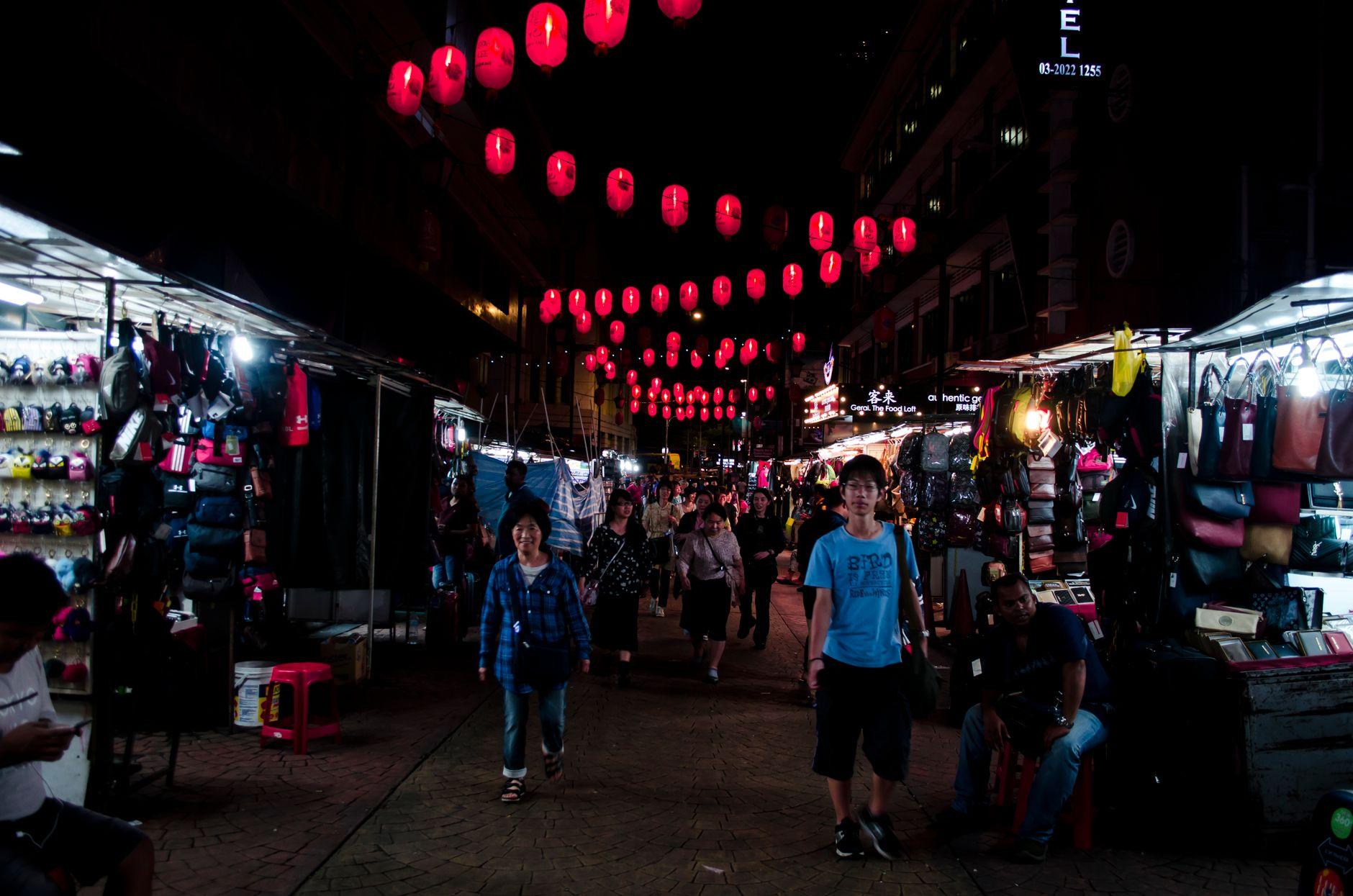
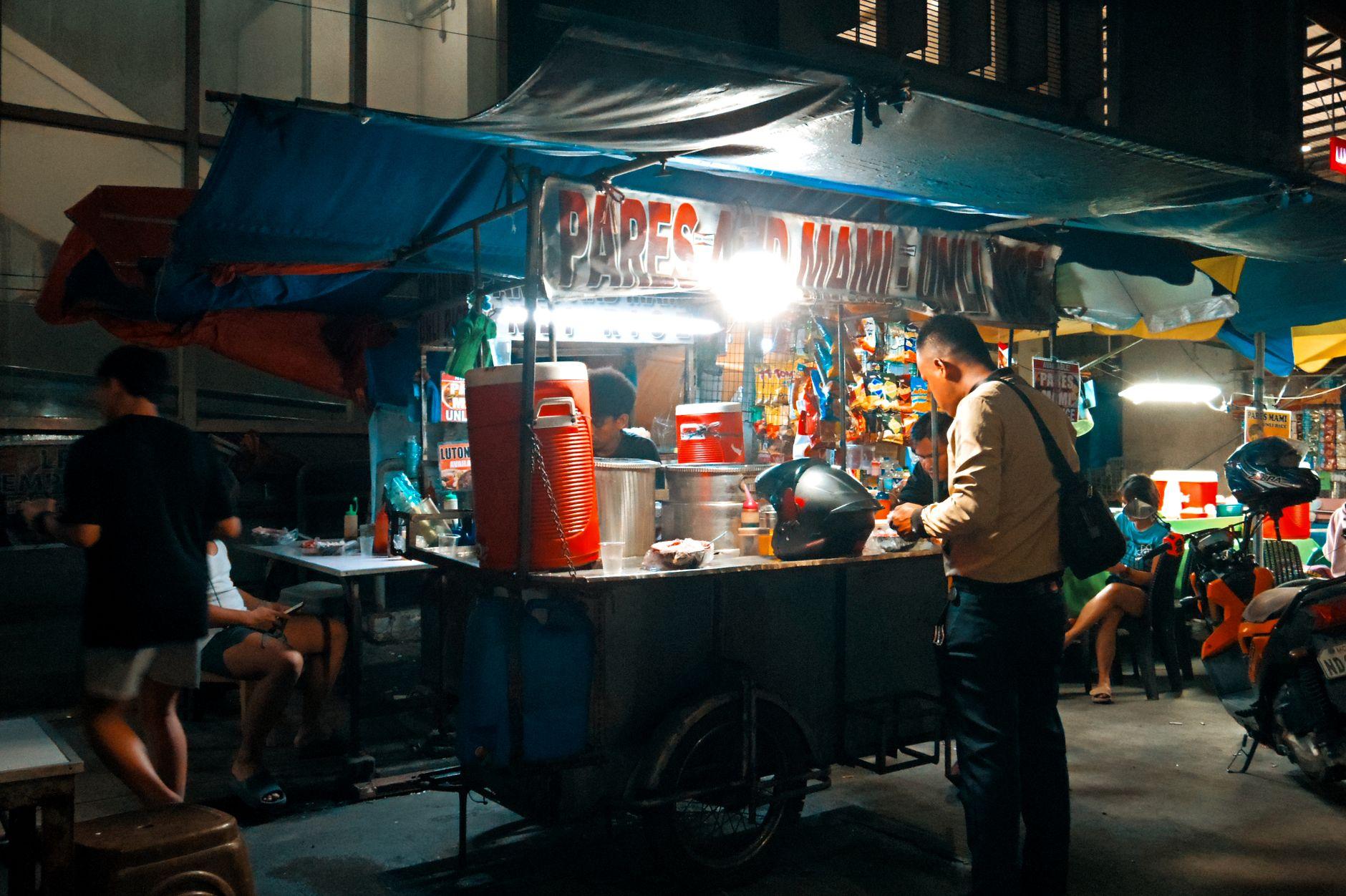
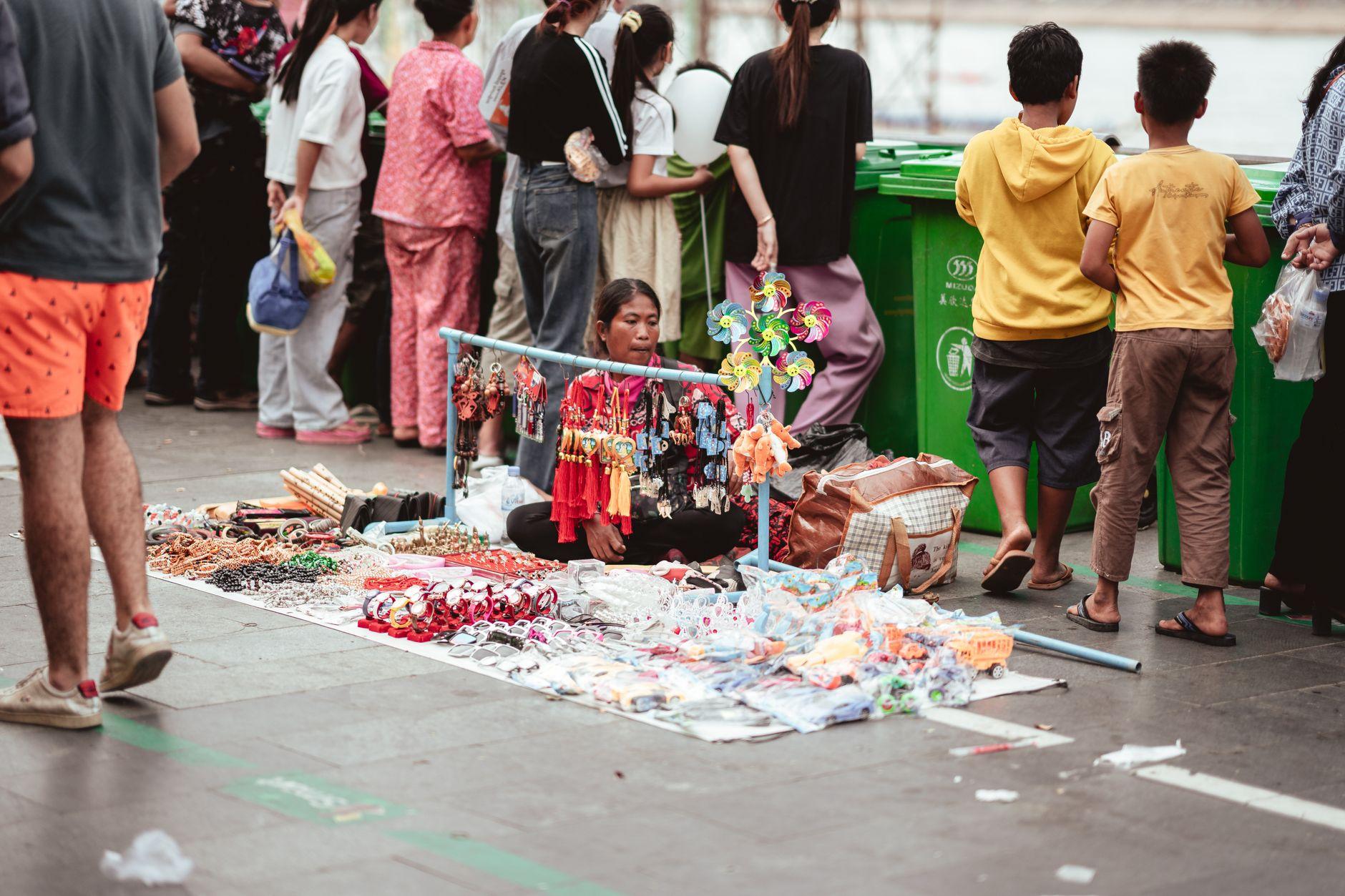
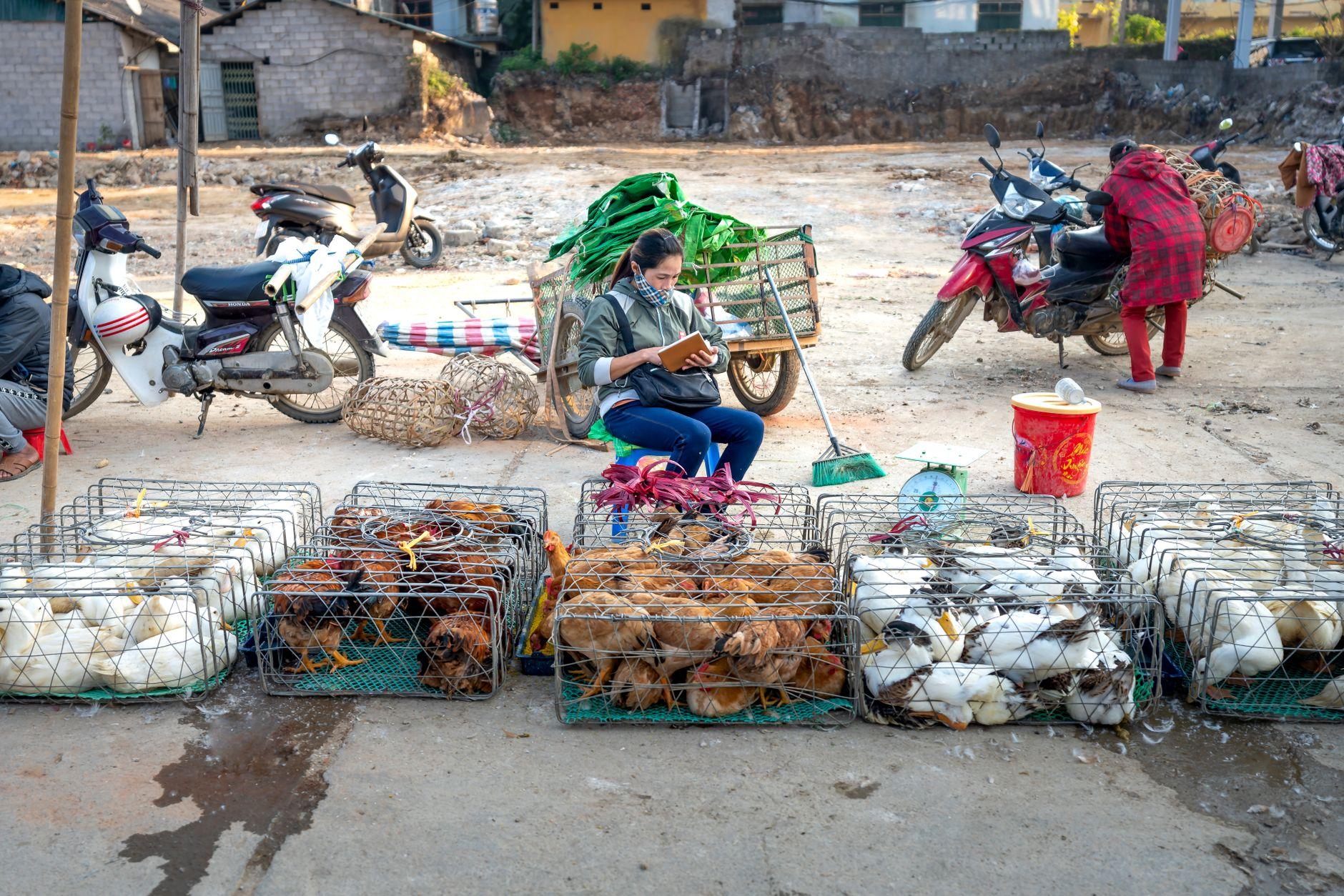
This is the big one, and it is the most outdated. Laos has a national QR payment standard called LAO QR, and it is spreading fast through exactly the places a nomad spends time: cafes in Vientiane where you camp out with a laptop, guesthouses and restaurants in Luang Prabang, minimarts, pharmacies, even some night market stalls. The little laminated QR placard taped next to the till, familiar to anyone who has spent time in Thailand or Vietnam, is now a normal sight in Lao cities.
Locals scan these codes with their banking apps every day. The catch for visitors has always been that those apps require a Lao bank account. That is where Moreta Pay changes the math: you top up a wallet from your home bank or card in your own currency, then scan the same LAO QR code the person ahead of you just scanned. You see the amount, the FX rate, and the merchant name before you confirm, and the merchant gets paid in kip instantly.
Is Laos fully cashless? No, and we will get to that. But "cash only" stopped being accurate a while ago.
Myth two: just hit the ATM when you arrive, like anywhere else
In Bangkok or Kuala Lumpur, an ATM run is a mild annoyance. In Laos it is a genuinely bad deal. Lao ATMs tend to have low withdrawal limits per transaction, paired with a fee on each withdrawal. Low limit plus per-transaction fee is the worst possible combination: you cannot amortize the fee over a big withdrawal, so you end up paying it again and again just to keep a normal nomad budget in your pocket. And that is before your home bank adds its own charges on top, because ATM withdrawals abroad usually trigger two separate fees, not one.
The practical fix is to invert your habits. Instead of treating cash as the default and cards as backup, treat QR as the default and cash as the backup. One modest ATM withdrawal for the places that genuinely need cash, QR for everything else. Your fee total drops immediately, and so does the number of times you stand at a machine doing mental arithmetic about limits.
Myth three: a fat wallet means you are rich
The Lao kip comes in large denominations, and everyday prices run into the tens and hundreds of thousands of kip. A perfectly ordinary week of spending money turns into a brick of notes that does not fold neatly into any wallet made for Western currencies. New arrivals routinely feel wealthy for about an hour, then spend the rest of the trip counting zeros at checkout counters and fishing crumpled notes out of three different pockets.
This is not just a comedy problem. Counting large-denomination notes slows down every transaction, makes it easier to hand over the wrong note, and means you are carrying a visible wad everywhere. Every bowl of khao soi, every tuk-tuk, every coffee you pay for by QR is one less occasion to unfold the brick. The kip stack you do carry lasts longer and stays thinner.
Myth four: QR payments are only for locals with Lao bank accounts
Technically true for the local banking apps, and this is why so many travelers give up on the idea entirely. You cannot realistically open a Lao bank account for a few weeks of co-working and river views, and nobody should try.
But the QR code on the counter does not care whose app scans it. With Moreta Pay, a visitor scans the standard LAO QR code, the wallet converts from your home currency, and the merchant receives kip the same way they would from a local customer. No local account, no negotiating with a bank branch, no asking the cafe owner if they take "foreign cards" (they usually do not, which brings us to the next myth).
Myth five: your Visa or Mastercard will cover the gaps
Card terminals exist in Laos, mostly at hotels, airline offices, and a handful of upscale restaurants. The everyday economy, the one you actually live in as a nomad, largely skipped card machines and went straight to QR, the same leapfrog pattern you see across Southeast Asia. The noodle shop near your guesthouse is far more likely to have a QR placard than a card reader. Planning your spending around card acceptance in Laos is planning around the smallest slice of the market.
Myth six: you still need cash for anything booked online
Plenty of nomads assume that digital payments in Laos end at the shop counter. In practice, QR-based checkout shows up online too, on booking platforms and regional e-commerce sites that serve the country. If a checkout page offers a QR payment option, you can pay it from a Moreta Pay wallet the same way you would at a market stall, which means a slow afternoon in a Vientiane cafe can double as the afternoon you sort out your next intercity bus or hotel without a cash handover.
So what do you actually carry?
Here is the honest picture for 2026. In Vientiane and Luang Prabang, a QR-first approach covers most of a nomad's day: coffee, meals, groceries, co-working snacks, pharmacies. Cash still matters for rural areas, small villages along the way to Vang Vieng or Nong Khiaw, some transport, and the occasional stall where the QR placard has wandered off. Keep a sensible kip reserve for those moments, replenish it rarely, and let QR absorb the daily volume. If you are stringing Laos together with Thailand or Cambodia, the same wallet and the same habit carry straight across the border, since each country's local QR network works on the same scan-review-confirm pattern.
The myths persist because Laos changed faster than the advice about it. The country that supposedly ran on envelopes of cash now has QR codes taped to market tables. Arrive with the old assumptions and you will spend your trip in ATM queues, holding a wallet that will not close. Arrive with a funded wallet and you can scan your way through most of it. Set up Moreta Pay before your flight to Laos and land already speaking the local payment language.