
Mongolia attracts a certain kind of traveler: someone picturing endless grassland, ger camps, and a week without phone signal. That picture shapes how people prepare their money, and it is usually half wrong. Travelers land in Ulaanbaatar carrying a thick envelope of US dollars for a city that runs on QR codes, then head into the countryside assuming their card will work somewhere, which it will not. Mongolia punishes both extremes. The travelers who have a smooth trip are the ones who understand that Ulaanbaatar and everywhere else are, financially speaking, two different countries.
So let's take the most common beliefs one by one.
Myth one: Mongolia is a cash-only country
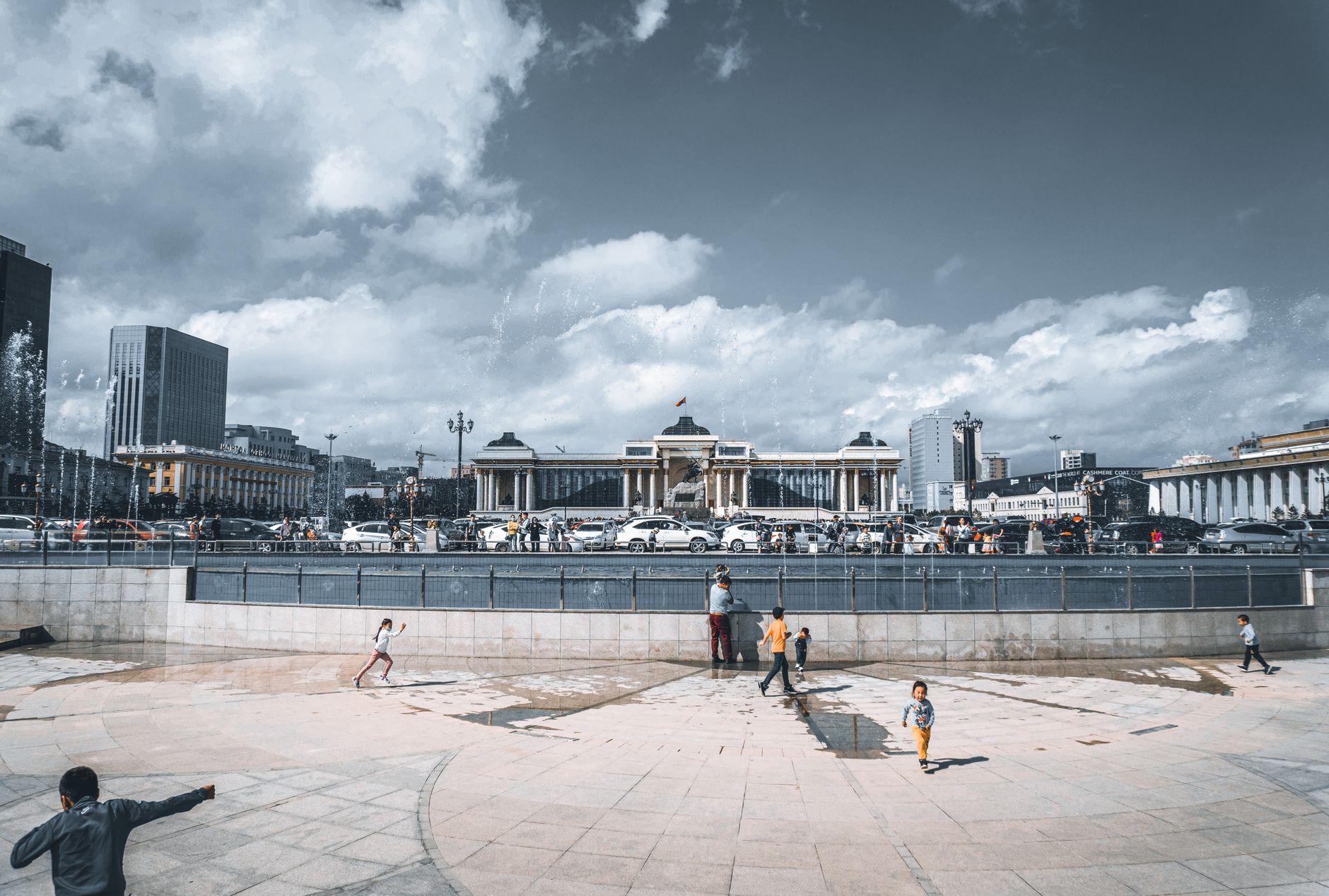
This is the big one, and in Ulaanbaatar it is simply outdated. Walk into a coffee shop near Sukhbaatar Square, a Korean restaurant in the Seoul Street area, or a convenience store in a residential district, and you will see locals paying by scanning a QR code at the counter. QR payment has become completely normal in the capital's shops and restaurants. Taxis arranged through apps, supermarkets, pharmacies, even small kiosks often have a laminated QR code taped next to the till.
The catch, and it is a real one, is that this ecosystem was built for people with Mongolian bank accounts. The local QR apps generally expect a local account and a local phone number, which is exactly why so many visitors conclude the whole system is closed to them and retreat to cash. It is not that QR payments do not exist in Mongolia. It is that tourists have historically had no way in. That is the gap a travel wallet like Moreta Pay is built for: you top up from your own bank at home, then scan the same merchant QR codes locals scan, with the amount, merchant name, and FX rate shown before you confirm.
Myth two: your Visa or Mastercard will carry you through the city
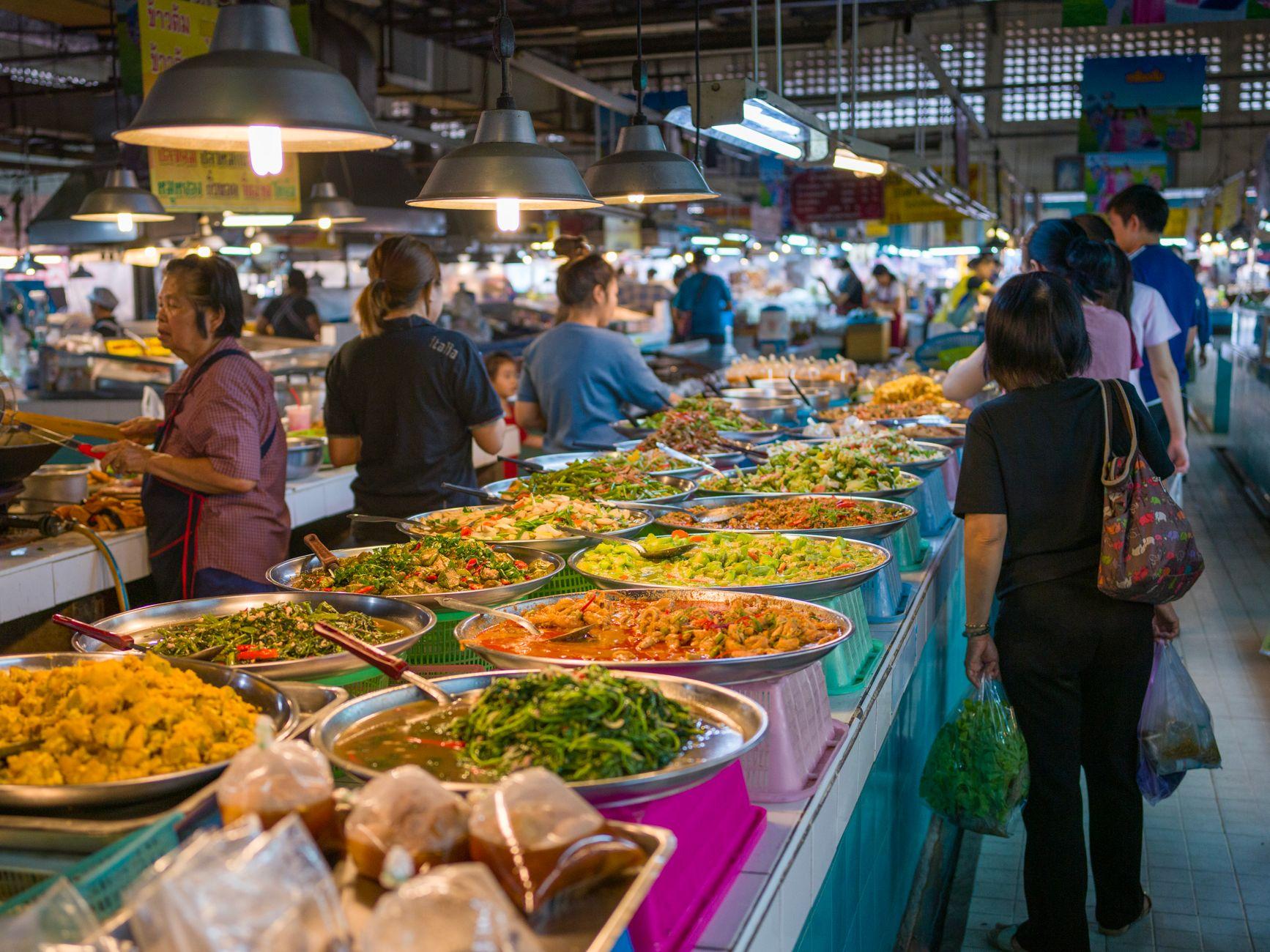
Travelers coming from South Korea or Japan often assume Ulaanbaatar will be similar: tap the card, move on. In practice, Mongolia is one of the less internationally friendly payment environments in Asia for visitors. Hotels, larger restaurants, and malls aimed at a wealthier crowd will usually take a foreign card. But the moment you step into the places where Ulaanbaatar actually eats and shops, the guanz canteens, the small grocery stores, the market stalls at Narantuul, foreign cards become unreliable or simply not accepted. The terminal might exist but reject international cards, or the owner will point you at the QR code instead.
Treat your foreign card as a backup for hotels and emergencies, not as your daily payment method. Your daily methods in the city are local QR and tugrik cash, in that order of convenience.
Myth three: US dollars work fine everywhere
Plenty of guidebook-era advice still tells travelers to bring crisp hundred dollar bills and pay with them directly. Some tour operators and guesthouses that deal mainly with foreigners may quote prices in dollars, but ordinary merchants want tugrik, full stop. Trying to hand dollars to a shopkeeper in a district supermarket will mostly earn you a confused look. Dollars are useful as something to exchange, not something to spend. If you bring them, plan to convert at a bank or exchange office in Ulaanbaatar rather than treating them as a parallel currency the way you might in parts of Southeast Asia.
Myth four: you can withdraw cash whenever you need it
In Ulaanbaatar, yes, ATMs are easy to find and many accept international cards. The myth is believing this continues outside the capital. Once your driver turns off the paved road toward the Gobi, Khuvsgul, or the Orkhon Valley, functioning ATMs that accept foreign cards become rare to nonexistent. Provincial towns may have a machine, but betting a two week horse trek on it is a mistake travelers genuinely regret.
The practical rule: withdraw everything you will need for the countryside while you are still in Ulaanbaatar. And before you leave home, it is worth knowing whether your debit card refunds ATM fees abroad, because in Mongolia you will likely make fewer, larger withdrawals rather than many small ones, and the fee structure of your card changes how you should split them up.
Myth five: you can do the whole trip cashless
This is the opposite error, usually made by travelers arriving from hyper-digital cities. Ulaanbaatar is impressively QR-driven, but Mongolia is not Ulaanbaatar. Ger camps in the countryside, roadside guanz stops on long drives, a family selling airag by the roadside, a herder who agrees to let you ride his horse for an afternoon: all of this is tugrik cash, often in smaller notes, often with no change for large bills. Mobile signal itself disappears for long stretches, which rules out any phone-based payment regardless of the app.
The honest answer to "can I visit Mongolia without cash" is: in the capital, mostly yes; beyond it, absolutely not. Build your plan around that split. Go light on cash in the city, go heavy on cash the day before you leave it, and carry the countryside cash sensibly across long jeep days (the same logic applies as on any overland Asia route, as we covered in our guide to carrying money on night buses and sleeper trains).
Myth six: setting up local payments is not worth it for a short trip
Travelers often decide that two weeks in Mongolia does not justify figuring out the QR system, so they default to cash for everything, including the city portion. That means more ATM runs, more exchange office visits, pockets full of notes, and mentally converting prices on the fly with no record of what anything actually cost you. It also means paying whatever hidden spread your home bank applies every time you withdraw.
But joining the QR ecosystem does not require a local bank account anymore. With Moreta Pay you connect your home funding source before the trip, via a US bank, SEPA, UK Faster Payments, Canadian e-Transfer, or an international card, load your wallet in your own currency, and you are ready to scan merchant QR codes the moment you want a coffee in Ulaanbaatar. Each payment shows the merchant and the exchange rate before you confirm, so there is no guessing what that lunch really cost. If your route includes other QR-heavy countries, the same wallet logic carries over, which is why it helps to think about payment networks rather than countries when planning a longer Asia trip.
The two-wallet mindset that actually works here
Forget the single strategy. Mongolia asks you to run two systems in parallel. In Ulaanbaatar: pay by QR wherever you see a code at the counter, keep a modest amount of tugrik for the odd stall or taxi, and leave the card for the hotel. Before heading out of the city: withdraw your full countryside budget in tugrik, break some of it into small notes, and split it between bags. Back in the city at the end of the trip: switch straight back to QR and stop carrying wads of cash through your last museum days and souvenir runs.
Travelers who arrive with this split already in mind spend their mental energy on the Gobi, not on money logistics. Get the city side sorted before you fly: set up Moreta Pay and load your wallet, so your first QR payment in Ulaanbaatar happens on day one, not day four.