
Here’s the thing nobody tells you before a month in Laos: the money itself is the hassle. Not the prices, which are gentle. The physical money.
The kip’s largest banknote is worth only a few dollars, so a normal week of spending means a wallet stuffed like a sandwich. Meanwhile, the ATMs that dispense those stacks have low per-withdrawal limits and charge a fee every single time. Low limit plus fixed fee means you’re paying the toll over and over just to keep yourself in noodle money.
The good news is that Laos quietly grew a way around all of it, and visitors can actually use it. Here’s how to set up your daily spending so the cash problem mostly disappears.
The blue sticker you’ll start noticing everywhere
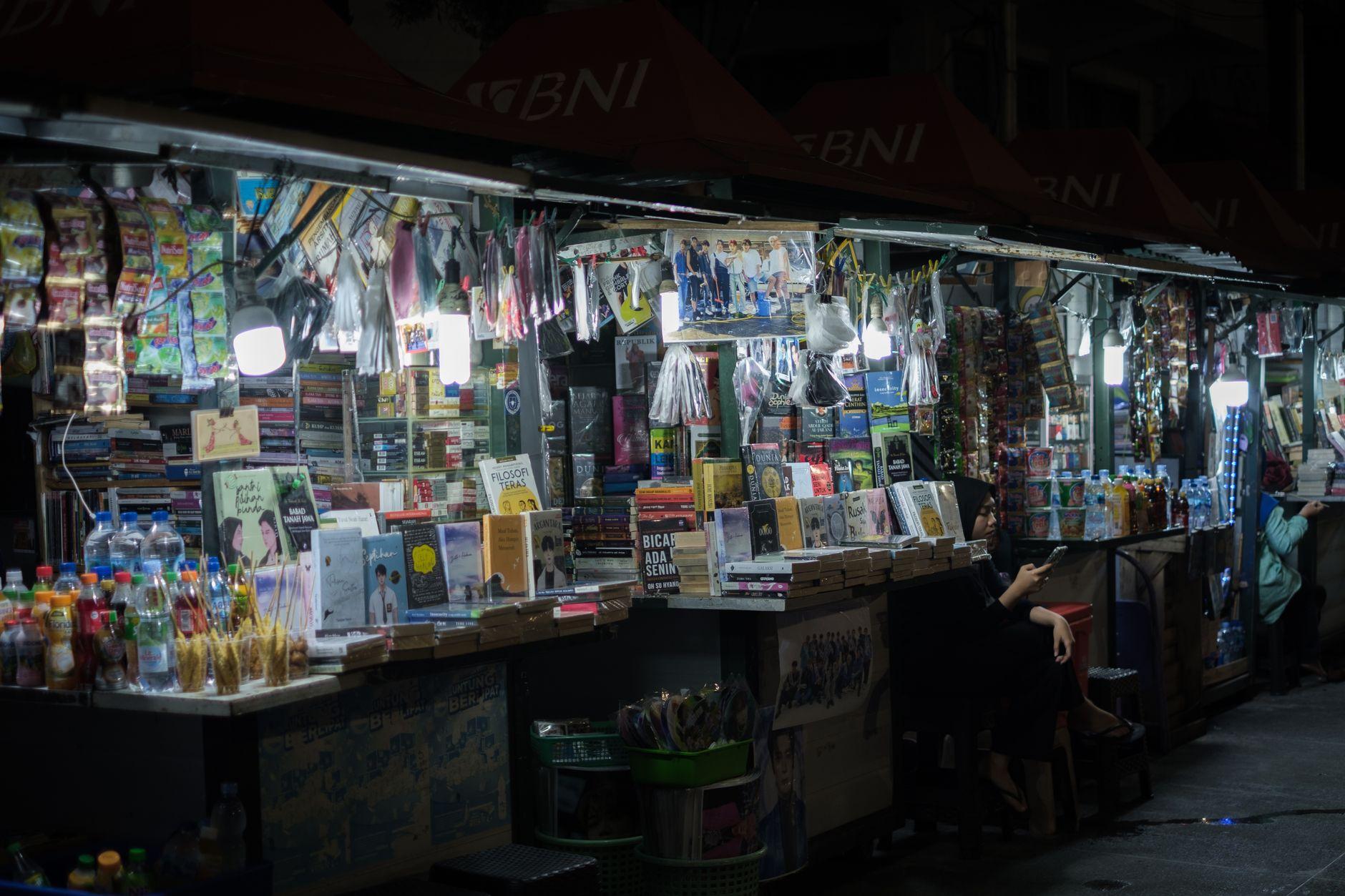
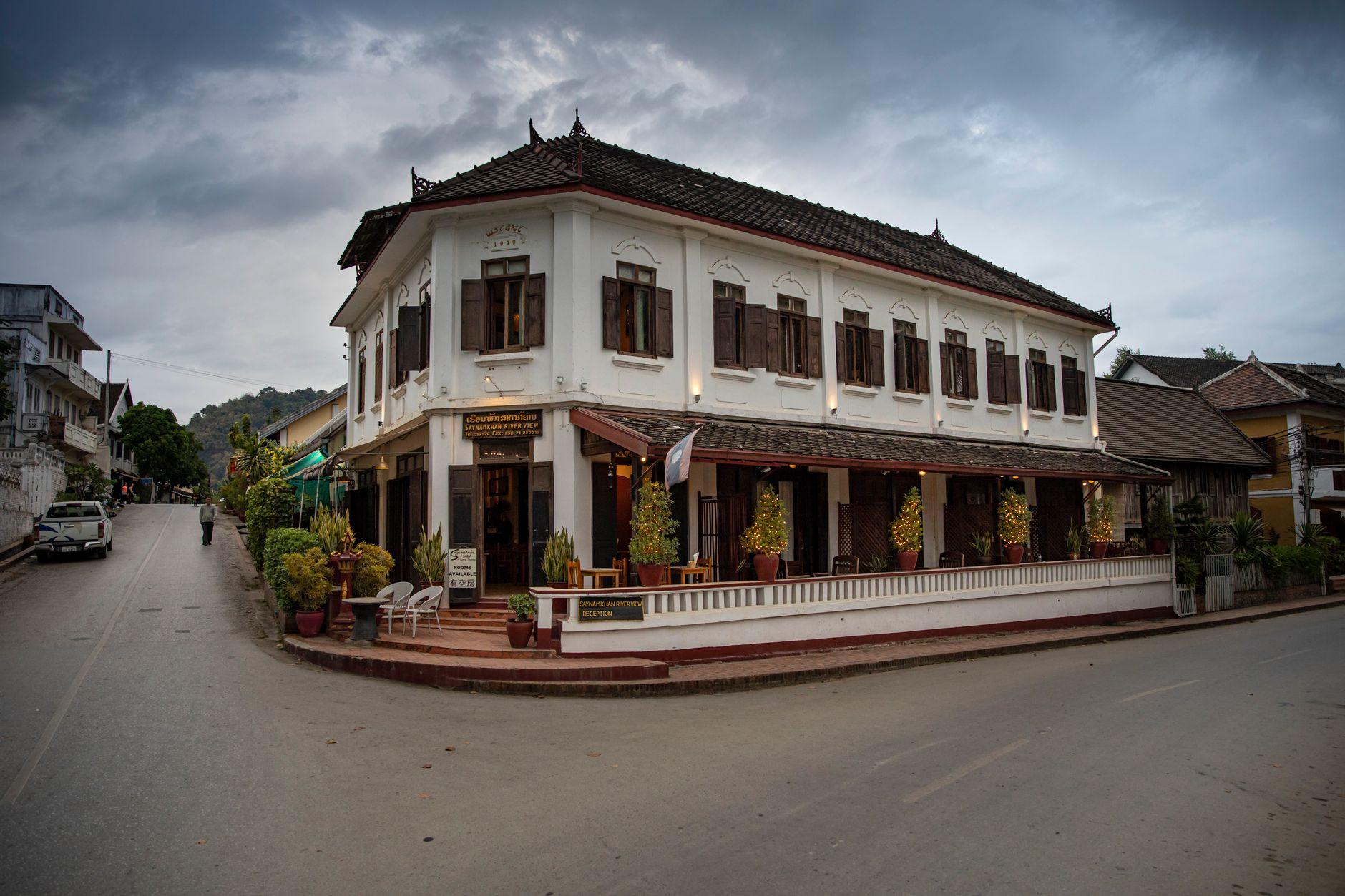
Look at the counter of almost any cafe in Vientiane or guesthouse in Luang Prabang and you’ll see a LAO QR sticker. It’s the national QR payment standard, and it has spread fast through exactly the places a nomad spends money: coffee shops with decent wifi, restaurants along the Mekong riverfront, minimarts, laundry services, night market stalls in Luang Prabang.
Locals scan it with their banking apps. BCEL One is the one you’ll see people using constantly, from office workers to the auntie selling khao jee baguettes. The catch for you is the same one across Southeast Asia: those apps want a Lao bank account and a Lao phone number, which a visitor on a thirty day stamp does not have and does not want to get.
That’s the gap Moreta Pay fills. You top up a wallet from your own bank at home (US via Plaid or ACH, SEPA in Europe, UK Faster Payments, Canadian e-Transfer, or an international card), and then you scan the exact same LAO QR stickers the locals scan. You see the amount, the merchant name, and the FX rate before you confirm. The merchant gets paid instantly in kip. You never touched a banknote.
What a normal day looks like when you’re set up
Concrete version, because abstract advice is useless:
Morning. Coffee and a croissant at a Vientiane cafe. There’s a LAO QR code taped next to the register. Scan, check the total, confirm. Ten seconds. No fishing crumpled 20,000 kip notes out of your bag.
Lunch. A noodle shop near your coworking space. Smaller places sometimes keep the QR code on a laminated card behind the counter rather than on display, so if you don’t see one, just ask. “Scan dai bor?” (can I scan?) gets the point across, and half the time the owner produces the code before you finish the sentence.
Afternoon. Groceries at a minimart, a fruit shake, maybe a massage. All increasingly QR-friendly in the two main nomad cities. Getting around, the Loca ride-hailing app covers Vientiane and Luang Prabang and saves you the tuk-tuk price negotiation entirely.
Evening. The Luang Prabang night market is the stress test. Plenty of stalls now take LAO QR, some don’t. Which brings us to the honest part of this guide.
You still need some kip. Here’s how to get it without rage
Laos is not cashless. Village stops on the Thakhek loop, some tuk-tuk drivers, temple donations, the smallest street vendors: kip only. The goal isn’t zero cash, it’s making cash a small backup instead of your entire financial system.
The strategy that works:
Withdraw rarely and deliberately. Since the fee hits per withdrawal and the limit caps each one, every trip to the ATM is expensive by design. If your daily spending runs through a QR wallet, one modest withdrawal can last weeks instead of days.
Break big notes early. When you do have 100,000 kip notes, use them at minimarts and larger restaurants that can make change. Small vendors genuinely struggle to break them at 7am.
Keep a dedicated cash stash for trips out of the cities. Heading to Nong Khiaw, Kong Lor, or anywhere rural? That’s what your kip reserve is for. In Vientiane and Luang Prabang, let the QR codes carry the load.
If you want the full head-to-head on cash versus cards versus wallets here, we broke it down in our comparison of every way to pay in Laos. Short version: cards are near useless outside hotels and a handful of tourist restaurants, so the real contest is cash versus QR.
The stuff beyond street food: bookings and bills
Nomad spending isn’t just meals. You’re booking a guesthouse in Vang Vieng on Agoda, grabbing a flight or bus ticket on Trip.com, maybe ordering something to your apartment. Where those platforms offer QR-based payment at checkout, you can pay the same way you pay at the coffee shop: Moreta Pay scans the code, shows you the rate, done. Same for bill payments in supported countries, which matters once you’re renting a place monthly instead of nightly.
This is the underrated part of going QR-first in Laos. It’s not just avoiding cash at the counter, it’s avoiding the foreign card surcharges and mystery FX markups that stack up when you book everything on a home credit card.
Three things that trip people up in week one
Assuming Bangkok rules apply. Thailand’s QR coverage is deeper than Laos’s, so calibrate expectations down slightly when you cross the Friendship Bridge. If Thailand is your next stop, the money questions every nomad in Thailand eventually Googles will get you oriented there.
Waiting for a card machine. There often isn’t one. Laos largely skipped card terminals and went straight from cash to QR. Look for the sticker, not the machine.
Not confirming the merchant name. When you scan, the merchant’s registered name shows on screen before you pay. Glance at it. It’s your receipt, your fraud check, and your proof of payment all at once, and it means a payment dispute never comes down to whose memory is better.
Set up before your flight, not after
Everything above works best if your wallet is funded before you land, because topping up from your home bank takes a moment and you’ll want lunch immediately. Load some money in, land in Vientiane, and start scanning the same blue stickers everyone around you is scanning. Get Moreta Pay set up here and let the ATM keep its fees.