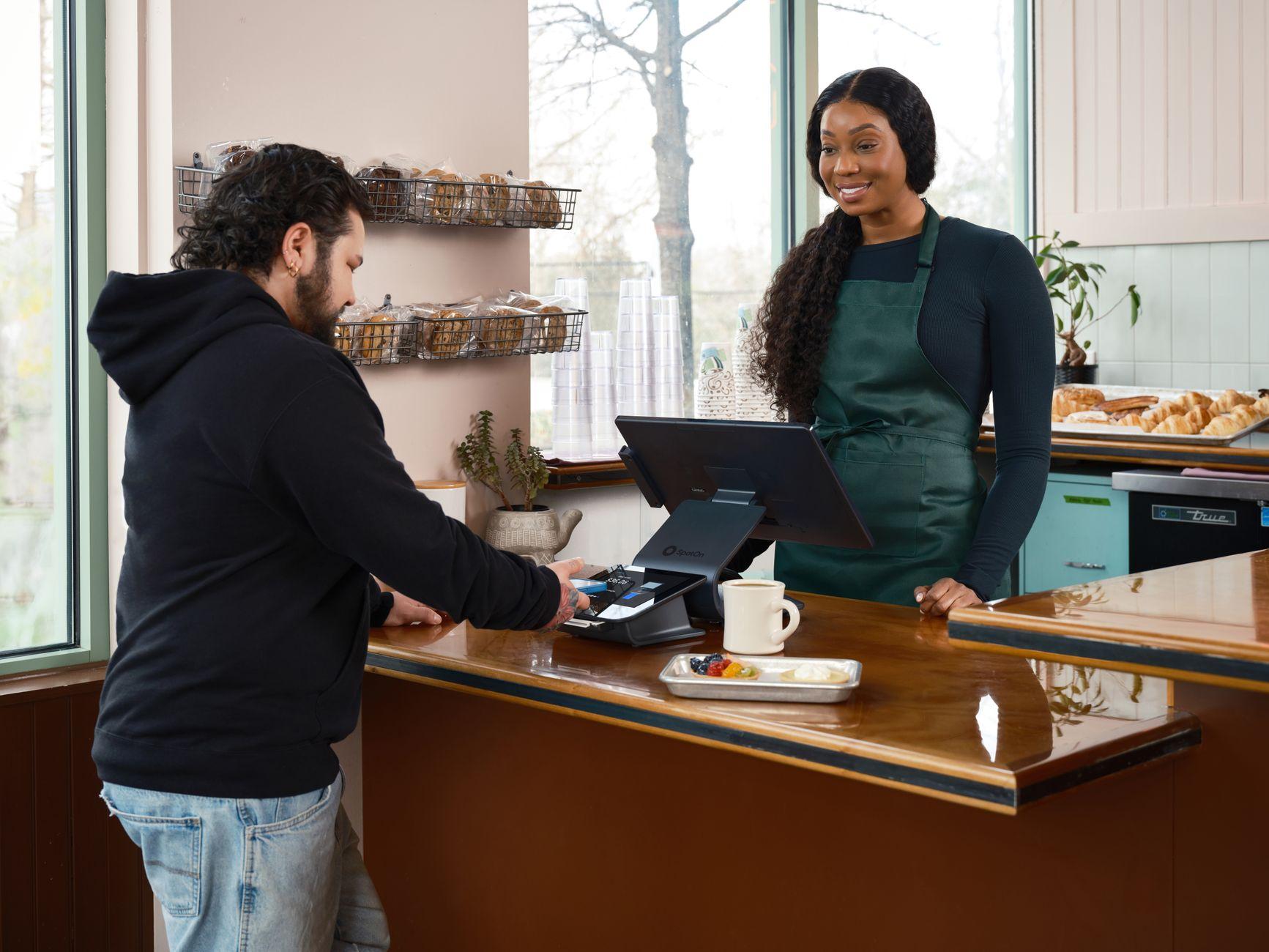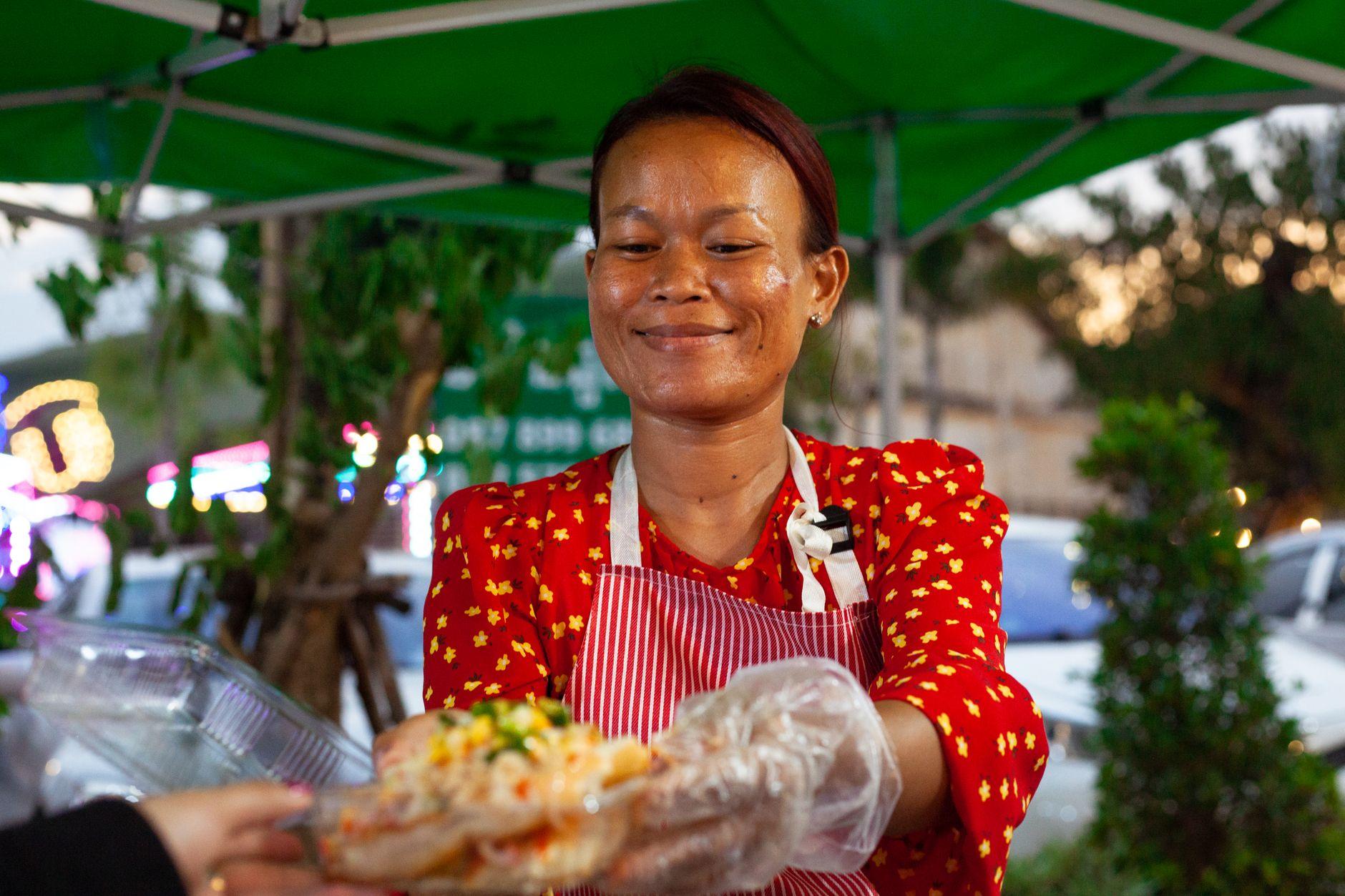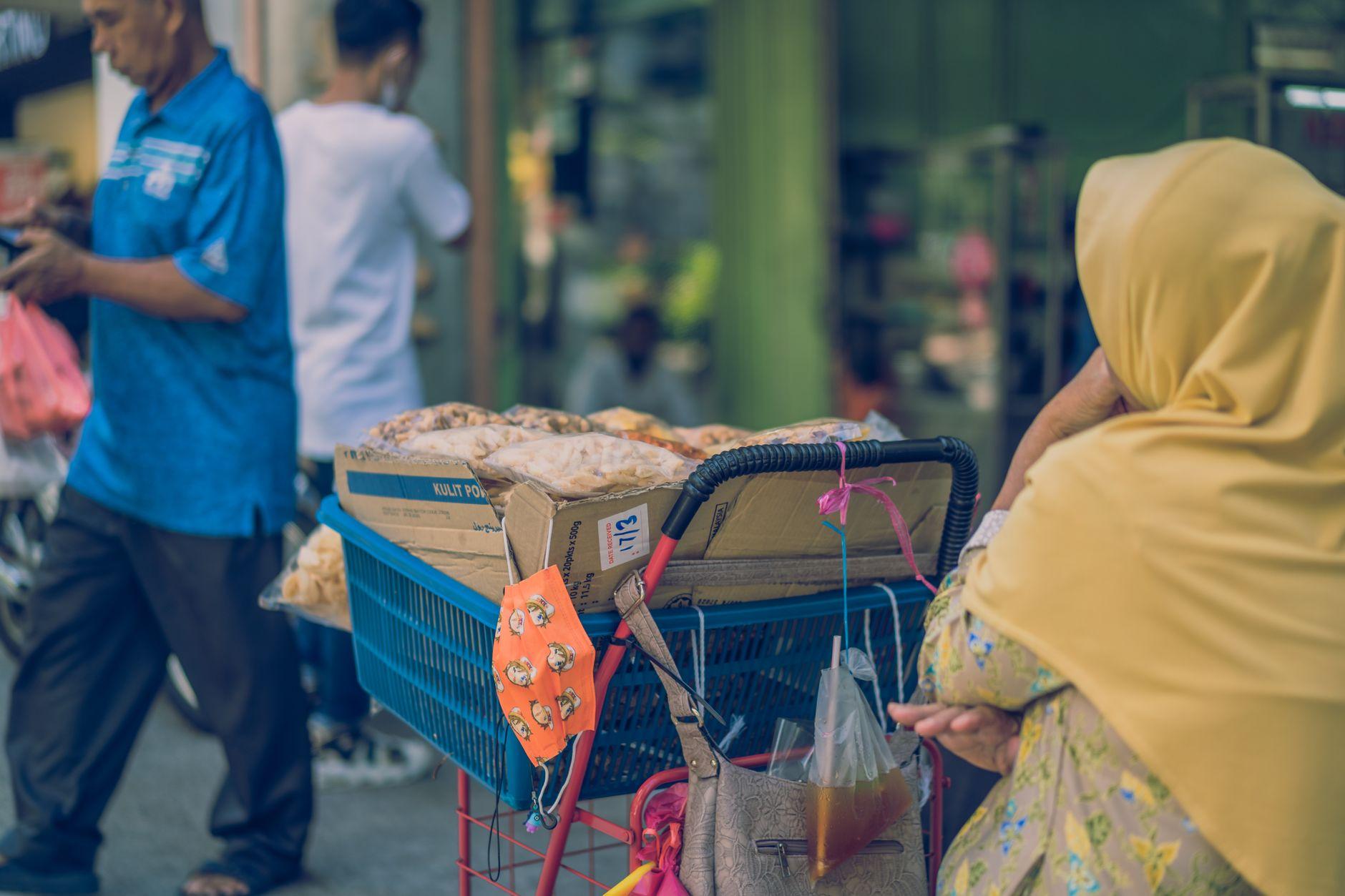

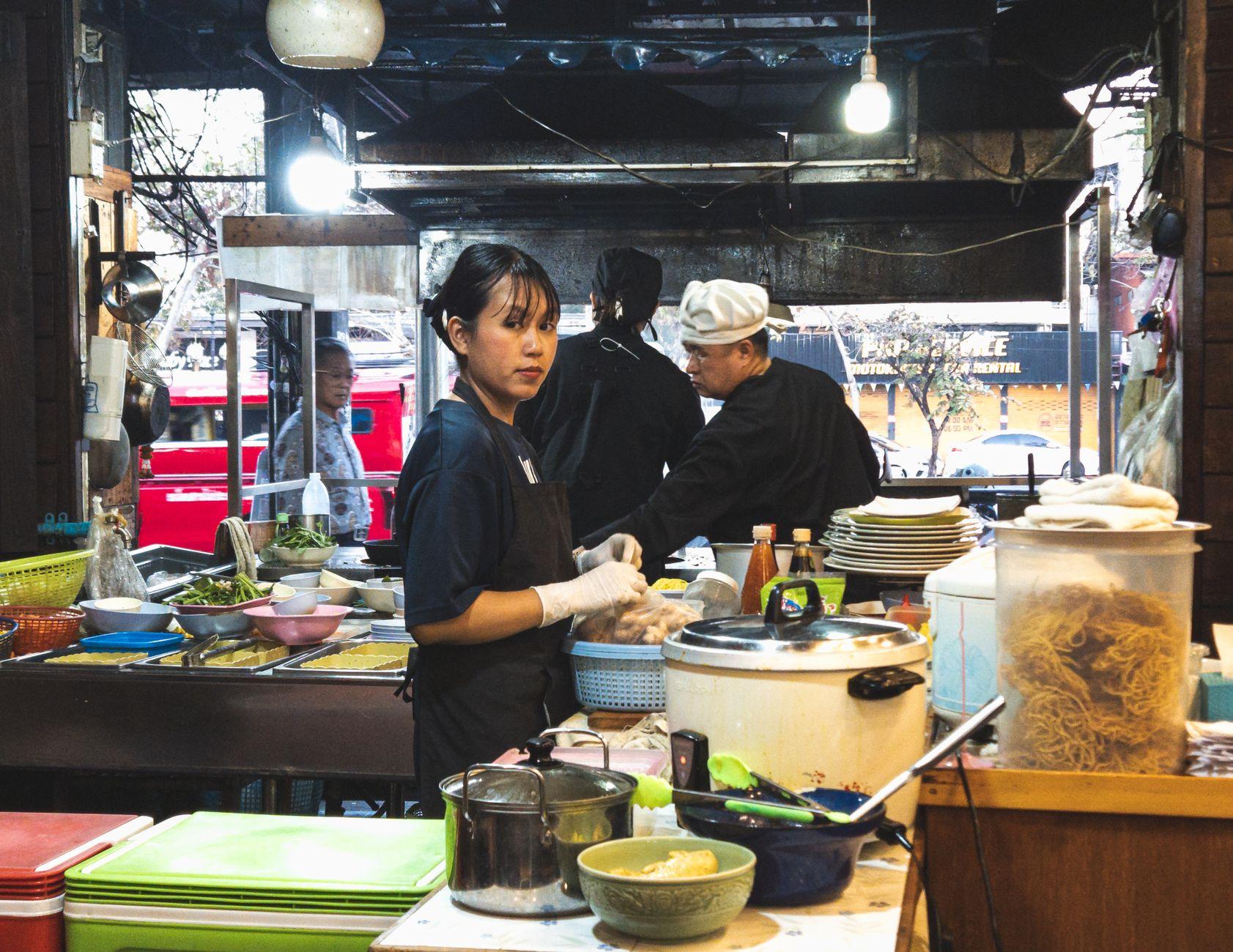
Somewhere in your first week in Thailand, usually while staring at an ATM screen that just announced a 220 THB fee on top of whatever your home bank charges, you start googling. How do people here actually pay for things? Why did the noodle stall wave off your card? Is everyone really just scanning that blue square? This is the FAQ that answers those searches in one place, written for people who are staying a month or six, not just passing through on a long weekend.
Can I live in Thailand day to day without a Thai bank account?
Yes, and thousands of nomads do. Opening a Thai bank account as a foreigner usually requires the right visa, patience, and sometimes several branch visits, so most people on tourist visas or short stays never bother. What you actually need is a way to pay the way locals pay, which in 2026 means QR codes. Cash covers the gaps. A Thai bank account is a convenience for long term expats, not a requirement for daily life.
Why does every ATM withdrawal hurt so much?
Thai ATMs charge foreign cards a fee per withdrawal, commonly 220 THB, and that is before your own bank adds its cut or the machine offers you a flattering conversion rate you should always decline. If cash is your main tool, you either withdraw large amounts and walk around with a fat wallet, or you bleed fees on frequent small withdrawals. Neither is great, which is exactly why nomads who stay a while migrate most of their spending to QR and treat the ATM as a backup, not a routine.
Will my foreign card actually work at the places I go every day?
At the places tourists go, often yes. At the places you will go as a resident, often no. Big malls, chain restaurants, and hotels take international cards happily. But the laundry shop, the fruit vendor at the morning market, the som tam lady near your condo, the motorbike mechanic, the massage place on your soi: many of these are cash or QR only, and some that technically have a card machine will quietly refuse a foreign card or add a surcharge. The pattern you will notice fast is that the cheaper and more local the purchase, the less likely a card is to work.
What is that blue QR everyone scans, and can I use it?
That is PromptPay, Thailand’s national QR payment standard, and it is accepted almost everywhere, from street food carts to 7-Eleven to the songthaew driver in Chiang Mai. Locals scan it with their Thai banking apps, which normally require a Thai account. The workaround for foreigners is an app like Moreta Pay, which lets you scan the same PromptPay QR codes with a wallet you top up from your home bank or card, see the exchange rate before you confirm, and pay the merchant instantly in baht. If you want the full mechanics of how the standard works on the ground, we covered it in our PromptPay explainer for new arrivals.
How do I pay for taxis, Grab, and motorbike rides?
Ride hailing apps take cards in-app, and that part is easy. Street-hailed taxis and motorbike taxis are a different story: they are overwhelmingly cash or QR, and drivers rarely carry much change. This is where QR quietly becomes the better option even over cash, because paying an exact 87 baht fare by scan beats negotiating change for a 500 note. Many drivers keep a laminated PromptPay QR clipped to the visor for exactly this reason.
Can I handle rent, bills, gym, and coworking by QR?
Mostly, yes. Coworking spaces, gyms, and monthly massage or Muay Thai packages are usually happy to be paid by QR, and many landlords of short term condos will hand you a PromptPay QR for rent and utilities rather than deal with cash. In supported cases you can also settle bills directly through Moreta Pay. The one thing to confirm before you commit to an apartment: ask how the owner wants to be paid each month. If the answer is a QR code, your setup is complete on day one.
What about ordering on Lazada, Shopee, or booking through Agoda?
Thai e-commerce leans heavily on QR at checkout. Lazada and Shopee both offer QR-based payment options, as do travel platforms like Trip.com and Agoda, and these often work more smoothly than punching in a foreign card that may get flagged or rejected. If your wallet app can pay those QR checkouts, you can order a fan for your apartment, book a Krabi guesthouse, and buy mosquito repellent in bulk without ever testing your card issuer’s fraud filters.
How much cash should I still carry?
Less than you think, but never zero. A few hundred baht covers the edge cases: the rare vendor with no QR, temple donations, a tip for the cleaner, the night market stall whose printed QR faded in the sun. A sensible rhythm for a nomad is one deliberate ATM withdrawal every few weeks for pocket cash, with everything else going through QR. That single change is what turns the 220 baht fee from a recurring tax into a rounding error.
Does any of this transfer when I do a visa run?
Conceptually, yes. Thailand’s neighbors run their own national QR systems, so the habit you build here travels well. If your border run takes you to Penang or Kuala Lumpur, Malaysia works on DuitNow QR, which we walked through separately, and a wallet that supports multiple countries means you are not rebuilding your payment setup every time your visa clock forces a trip.
What should I set up before my first coffee run?
Three things. First, a QR payment app that works with PromptPay as a foreigner, funded from your home bank via ACH, SEPA, UK Faster Payments, Canadian e-Transfer, or a card, so you are not dependent on ATMs. Second, a small cash float for the exceptions. Third, the habit of glancing at the counter for the QR sticker before reaching for your wallet, because in Thailand the sticker is almost always there. Moreta Pay handles the first part: scan the same codes locals scan, review the amount and FX rate on screen, and confirm. Get your wallet ready before the noodle cart tests you, and the 220 baht problem becomes someone else’s problem.