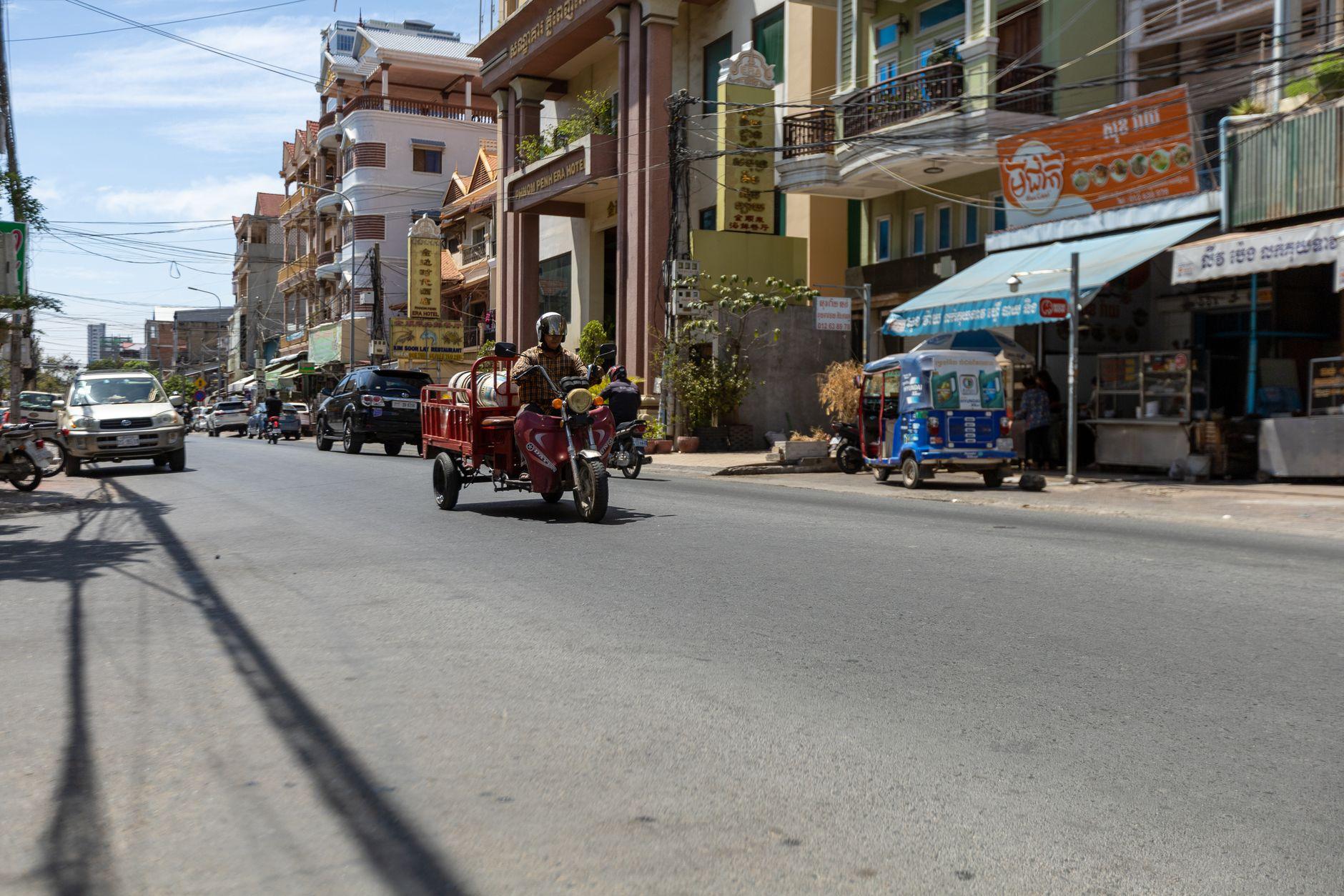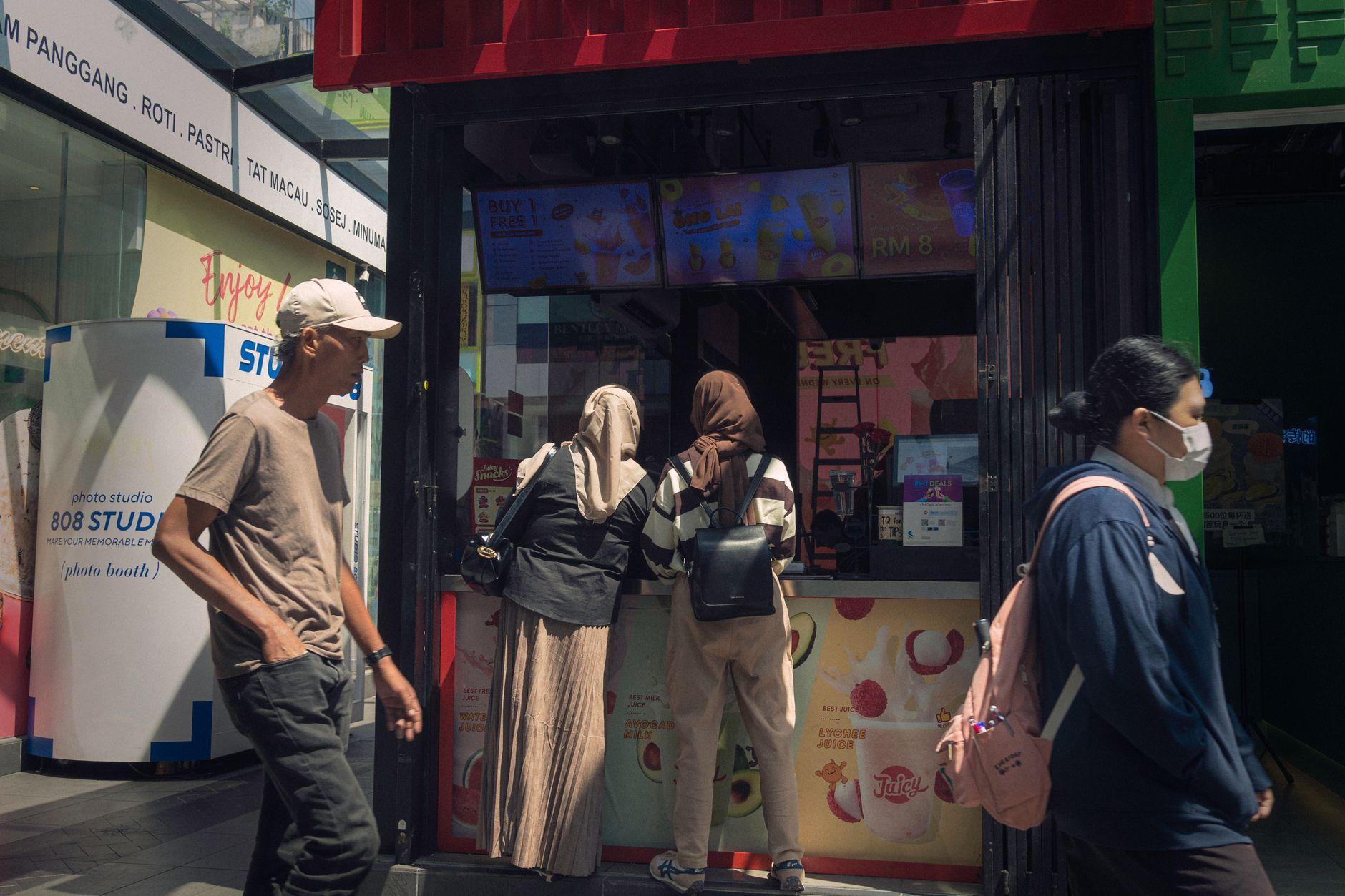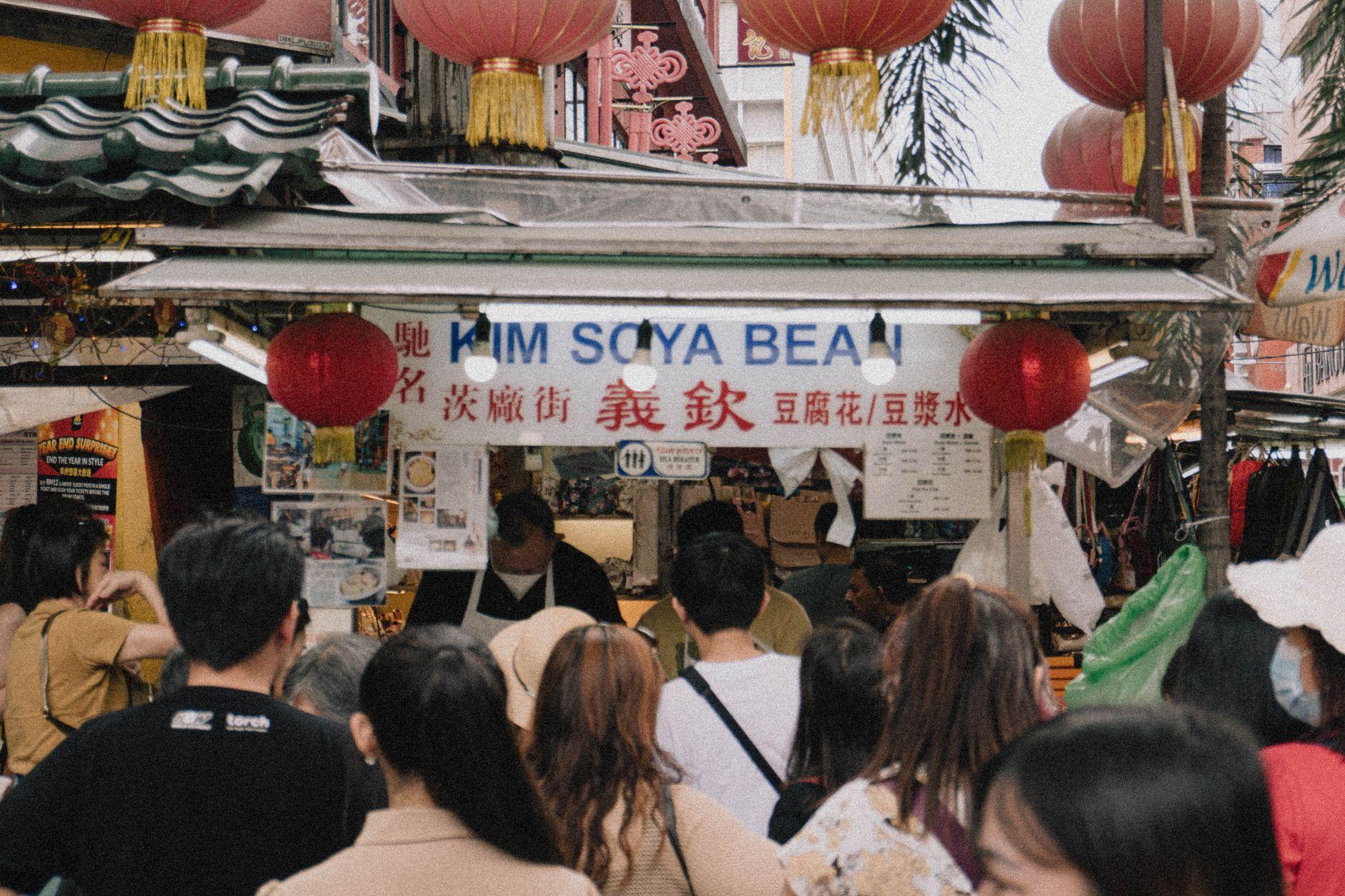

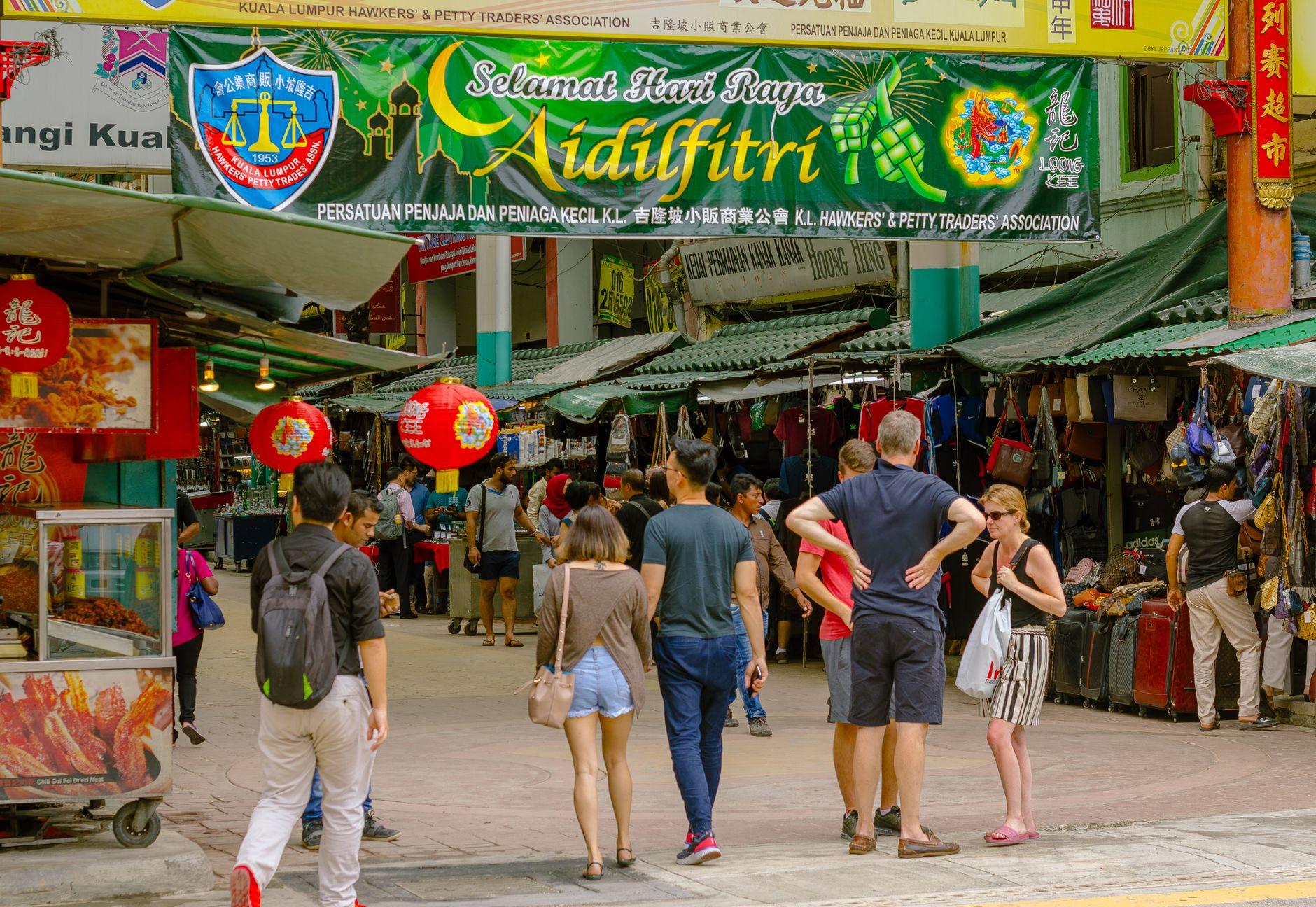
You are standing at a mamak counter on Jalan Alor in Kuala Lumpur on your last night. The roti canai plate is wiped clean. A fold of RM50 and RM10 notes sits in your wallet-you overestimated, as most people do. Now you face the choice: sell it to a tour guide at a worse rate, or deposit it at a bank and convert it back at home, paying the spread twice.
This is double conversion. The first crossing happens when you turn dollars into ringgit, riel, reais, or yuan. The second happens when you sell the leftovers back, or when a card terminal converts a local price into your home currency before your bank converts it again. The way to avoid it in 2026 is simple: stop buying foreign cash in advance, convert only at the moment you pay, and always pay in local currency. The Moreta Pay wallet converts only when you scan a local QR code in Malaysia, Cambodia, Brazil, China, and other supported markets. Your balance stays in your home currency until that exact moment.
Why does leftover foreign currency cost me twice?
Leftover currency costs you twice because exchange counters earn the gap between the price they sell a currency at and the price they buy it back at. Think of a used-car lot. It buys a car at one price and sells the same car at a higher one. If you buy ringgit at the airport and sell the same notes back a week later, you have paid the lot's margin in both directions.
Both are a second conversion. Only the buyer changes.
Where else does double conversion happen besides leftover cash?
Leftover cash is the most visible form, but the same spread shows up at card terminals and ATMs.
| Situation | What gets converted | How to avoid it |
|---|---|---|
| Selling leftover cash at home | Local currency back to home currency at the counter's buy rate | Buy less cash up front and spend the remainder before you leave |
| Dynamic currency conversion at a terminal | The merchant's provider converts the price into your home currency at a rate it sets | Decline and choose to be charged in local currency |
| ATM withdrawal abroad | Operator surcharge plus conversion, and DCC if you accept it | Withdraw less, and decline the ATM's conversion offer |
| Card billed in USD for a local purchase | The price is converted before your card network sees it | Ask to be charged in ringgit, reais, riel, or yuan |
Dynamic currency conversion is the recurring villain. When the screen asks "Pay in USD?", saying yes means you accept the terminal's rate instead of your card network's. The answer is always the same: decline it and pay in local currency. ATM fees add their own layer.
Does a no foreign transaction fee card solve double conversion?
A no foreign transaction fee card fixes only one of the layers in that table. It removes your issuer's surcharge on foreign purchases. It does nothing about the rate you accept when you tap "yes" on a DCC prompt, and nothing about the spread on cash you withdrew and never spent.
So when you read a "best travel card 2026" ranking, treat it as half the answer. The other half is behavior:
- Decline DCC every time.
- Withdraw cash in small amounts.
- Pay in local currency.
The same goes for Wise vs Revolut comparisons. Run a currency exchange comparison on the amount you will actually spend on your trip, not on a headline rate. Moreta's rate comparison calculator puts its own live rate next to company estimates for a bank card, ATM cash, a card billed in USD, and an airport exchange counter.
How do ringgit, riel, reais, and yuan each leave you with leftovers?
Each currency strands money in a different way, which is why the fix starts with understanding the local payment rail.
| Currency | Local QR rail | Why leftovers pile up |
|---|---|---|
| Malaysian ringgit (MYR) | DuitNow QR | Travelers often pre-buy ringgit, then find QR codes at kopitiam and mamak counters |
| Cambodian riel (KHR) | KHQR | Prices are often quoted in dollars and change comes back in riel notes, which are hard to sell outside Cambodia |
| Brazilian real (BRL) | Pix | ATM fees encourage large withdrawals, then you have to convert reais to dollars at the airport |
| Chinese yuan (CNY) | WeChat Pay (Weixin Pay) | Visitors carry cash as a backup to mobile payments they can't set up |
A few rail-specific details:
- Malaysia. Malaysian ringgit conversion at a counter in Kuala Lumpur gives you notes. Paying by DuitNow QR converts only the exact amount on the bill. Check the ringgit exchange rate in the app before you confirm, not at a booth.
- Cambodia. Cambodia's two-currency system means prices shift between dollars and riel depending on the vendor. KHQR lets you pay the exact amount, so there is no riel change to collect.
- Brazil. The Brazilian real exchange rate you see quoted online and the rate you get at a Guarulhos exchange booth are two different numbers. Pix removes the booth from the transaction.
- China. People searching "alipay for foreigners" should know that a code marked only for Alipay is a different network from the WeChat Pay codes Moreta Pay uses. Moreta Pay's China payments also work only while you are physically in China.
How does paying by local QR avoid the second conversion?
Paying by local QR removes the second conversion because only the exact purchase amount is ever converted. Here is how it works in Moreta Pay:
- Top up your balance from your home bank or card in USD, EUR, GBP, or CAD.
- Scan the merchant's DuitNow QR, KHQR, Pix, or WeChat Pay code.
- Check the merchant name, the amount, and the exact exchange rate on the review screen.
- Slide to pay. The merchant receives local currency instantly.
The rate you see is the live rate at the moment you pay, plus the 1.5% fee. Nothing else is added. Top-up fees depend on the method. For example, US bank account top-ups are free above 250 USD. Money added with USDC or USDT stablecoins is not available for spending in Cambodia or China. Fund those trips by card, Apple Pay, Google Pay, or bank transfer instead. Whatever you don't spend stays in your balance in your top-up currency, so there is nothing to sell back.
How much cash should I still carry?
QR acceptance is wide but not universal across Malaysia, Cambodia, Brazil, and China. Rural stops, donation boxes, and markets without signal still take notes only. Keep a modest cash reserve and spend it first, so that by your last day it is gone: a few RM10 notes in Malaysia, small riel notes in Cambodia, one or two 20 BRL notes in Brazil, and a handful of 10 CNY notes in China.
What should I set up before I fly?
Do these before you board:
- Install Moreta Pay and complete identity verification with your passport and a selfie.
- Top up with a method your destination accepts. Remember that stablecoin funds are not available for Cambodia or China.
- Decide now that you will decline DCC at every terminal and ATM.
Frequently Asked Questions
What is double conversion?
Double conversion means paying an exchange spread twice on the same money, usually by buying foreign cash and selling the leftovers back, or by accepting DCC on a card that is then billed again.
Should I exchange leftover ringgit or reais at the airport?
Only as a last resort. If you can, spend the notes before departure instead.
Is dynamic currency conversion ever worth accepting?
No. Always choose to be charged in local currency.
Does Moreta work with Alipay codes?
Moreta Pay works with WeChat Pay codes in China. A code marked only for Alipay is a different network.
What does Moreta charge per payment?
A single 1.5% fee per payment, with no markup added to the live rate.
Can I use Moreta in Malaysia and Brazil?
Yes. Moreta Pay works with DuitNow QR in Malaysia and Pix in Brazil.
About Moreta
Moreta Global Inc. is a Delaware corporation, a FinCEN-registered Money Services Business, and a Y Combinator Summer 2024 company. The Moreta Pay app lets travelers, expats, and nomads add money from home and pay local QR networks across Asia and Latin America, including DuitNow QR, KHQR, Pix, and WeChat Pay. Because the balance converts only at the moment of payment, with the rate shown before you confirm, travelers avoid the leftover-cash round trip described in this article. Funds are held with licensed partner banks, and every account is identity-checked.
To see how the rate compares for your next trip, visit Moreta.