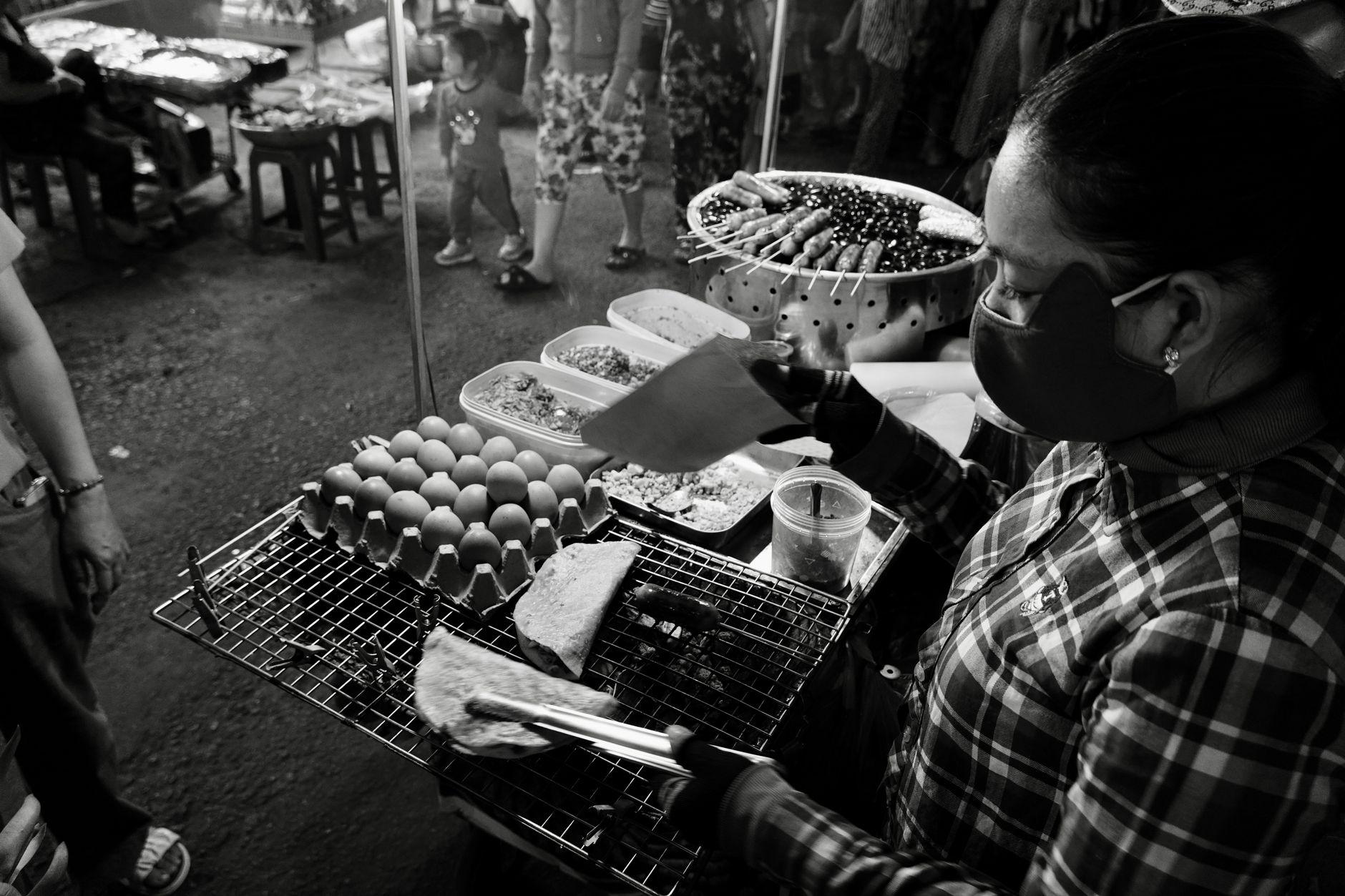

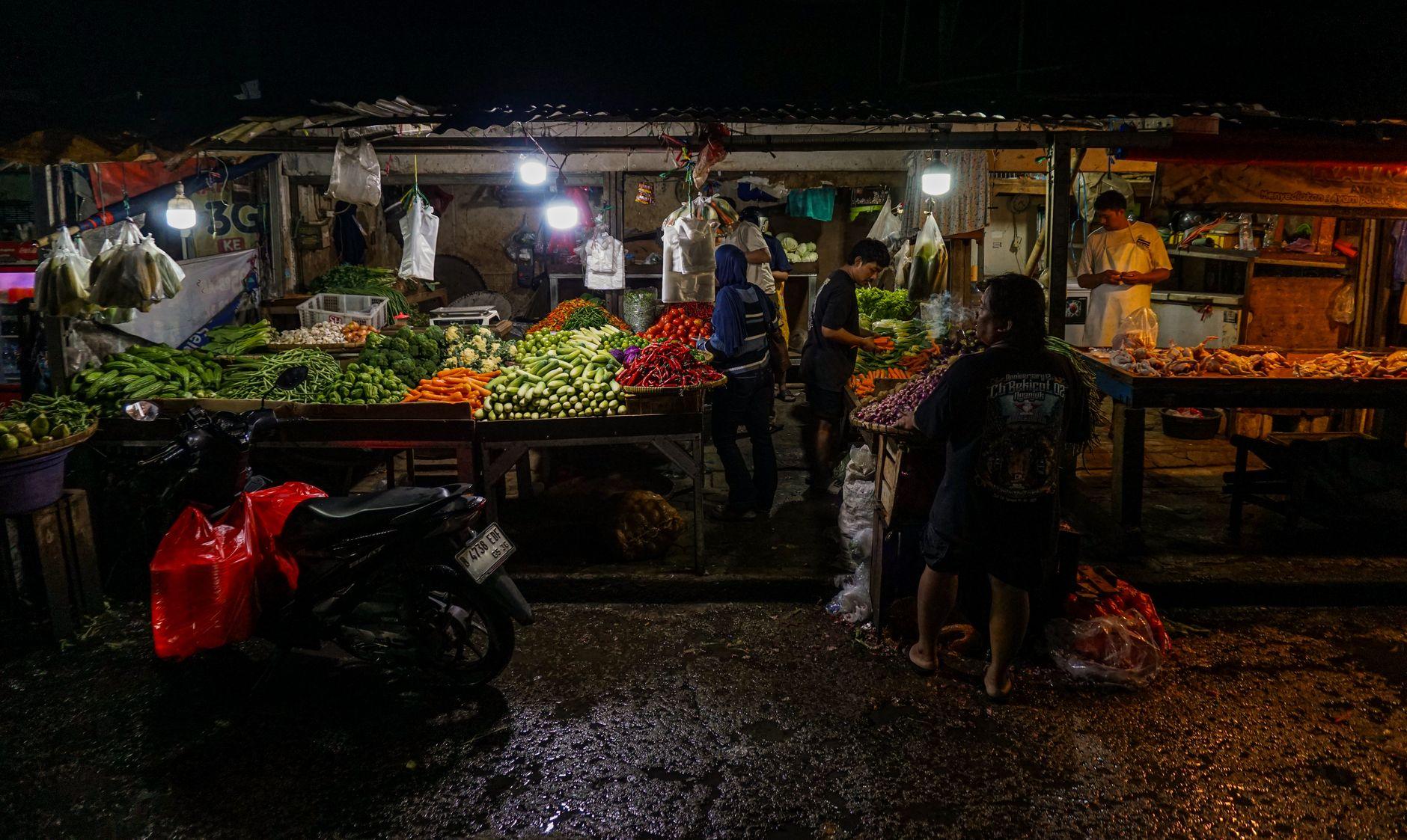
Land in Kuala Lumpur, and within an hour you will see it: the auntie at the kopitiam taps her phone, the teenager at the mamak scans a sticker on the counter, the durian vendor at the pasar malam points at a laminated QR code instead of reaching for change. Meanwhile you are standing there with a stack of ringgit from the airport money changer, wondering why you are the only person handling paper.
Malaysia quietly became one of the easiest places in Southeast Asia to pay by QR, and most travel advice has not caught up. So let's go through the beliefs people still arrive with, and take them apart one by one.
Myth one: Malaysia is a cash country, especially for street food
This was true once. It is not true now. Malaysia's banks and e-wallets all standardised on a single national QR format called DuitNow QR, and the result is that the same sticker works whether the money behind it goes to Maybank, CIMB, or an e-wallet. Because every merchant only needs one code, adoption spread everywhere: hawker stalls in Penang, nasi lemak carts, kedai runcit corner shops, night market stands in Melaka, and every chain store in every mall in the Klang Valley.
The practical upshot for you: the cheapest, most local places to eat in Malaysia are often the ones most likely to have a QR code taped to the counter. You do not need a wad of small notes to eat well at Jalan Alor. You need a phone that can scan DuitNow QR.
Myth two: just download Touch 'n Go eWallet like the locals do
This is the advice you will find in old forum threads, and it leads to a dead end for a lot of visitors. Touch 'n Go eWallet is genuinely dominant among Malaysians, but its setup process is built around local requirements that foreigners frequently cannot complete. Plenty of travelers get partway through registration, hit a verification wall, and give up with an app on their phone that cannot actually pay for anything.
The thing to understand is that Touch 'n Go is just one way into the DuitNow QR system, not the system itself. The QR sticker on the counter does not care which app scans it. Moreta Pay connects to the same DuitNow QR standard, but you fund it from your own bank at home, in your own currency, with no Malaysian paperwork. You scan the exact same code the local in front of you just scanned.
Myth three: my credit card will cover everything anyway
Card acceptance in Malaysian cities is decent, honestly better than in several neighbouring countries. Malls, hotels, chain restaurants, and supermarkets will take your Visa or Mastercard without drama. But two things work against you outside that bubble.
First, QR is cheaper for merchants than card terminals, so small and mid-size businesses often prefer it or only offer it. The stall doing brisk business at a Kota Kinabalu food court is far more likely to have a DuitNow sticker than a card machine. Second, your foreign card brings its own baggage: foreign transaction fees you only discover on your statement, and the dynamic currency conversion trap where a terminal offers to charge you in your home currency at a rate you would never choose voluntarily.
Paying by QR through a wallet that shows you the exchange rate before you confirm removes both problems. You see the ringgit amount, the rate, and the merchant name on your screen, then you decide. No surprises three days later.
Myth four: QR payments in Malaysia are a mess of competing apps
Travelers who have dealt with fragmented QR systems elsewhere assume Malaysia will be the same, with one code for this wallet and another code for that one. Malaysia is actually the opposite case. DuitNow QR is a unified national standard, which means one sticker per shop and no guessing. If you see the DuitNow QR logo, you are looking at the same rails everyone else uses, from a five-ringgit teh tarik to a shopping trip at Pavilion.
This also makes Malaysia a forgiving place to go cashless for the first time. There is no learning curve of figuring out which code belongs to which network. Scan, check the amount, confirm, done. If you are hopping around the region, it is worth knowing that Thailand, Vietnam, Cambodia, and others each have their own national QR standard, and a wallet like Moreta Pay that speaks several of them saves you from rebuilding your payment setup at every border.
Myth five: you need a Malaysian bank account, phone number, or ID to join in
Locals link DuitNow to their Malaysian bank accounts, so visitors assume the door is closed to them. It is not, as long as your wallet handles the local side for you. With Moreta Pay you top up from your home bank (US bank connection, ACH, SEPA from Europe, UK Faster Payments, or Canadian e-Transfer) or an international card, hold the balance in your own currency, and the conversion to ringgit happens at the moment you pay, with the rate shown before you confirm. If you are funding by bank transfer, it is worth reading up on how early to send an ACH top-up so your balance is ready before you are standing hungry in front of a satay stall.
And no, you do not strictly need a Malaysian SIM card either. We covered the connectivity question in detail in our piece on whether nomads in Malaysia need a local SIM to pay by QR, but the short version is that any working data connection does the job.
Myth six: QR is only for buying laksa in person
The same rails extend online. Shopee and Lazada, the two shopping platforms Malaysians actually use, support QR-based checkout, and so do travel platforms like Agoda and Trip.com. If you are staying a while, bills in supported countries can be paid the same way. For expats settling into Penang or KL for a few months, this matters more than the street food use case: it means you can order a fan for your apartment, book a weekend in the Cameron Highlands, and settle recurring costs without ever opening a local account.
What to actually do before you land
Keep a modest amount of cash for the genuine edge cases, like a rural stop on the way to Taman Negara or a transit card top-up machine that insists on notes. For everything else, set up your QR wallet before your flight, fund it while you are still on home WiFi, and test that your balance shows up. Then do what everyone around you at the hawker centre is doing: scan the sticker, check the ringgit amount and the rate on screen, and confirm.
Malaysia made paying easy for locals years ago. Get Moreta Pay on your phone and that ease is yours too, from the first char kway teow to the last mall run before your flight home.