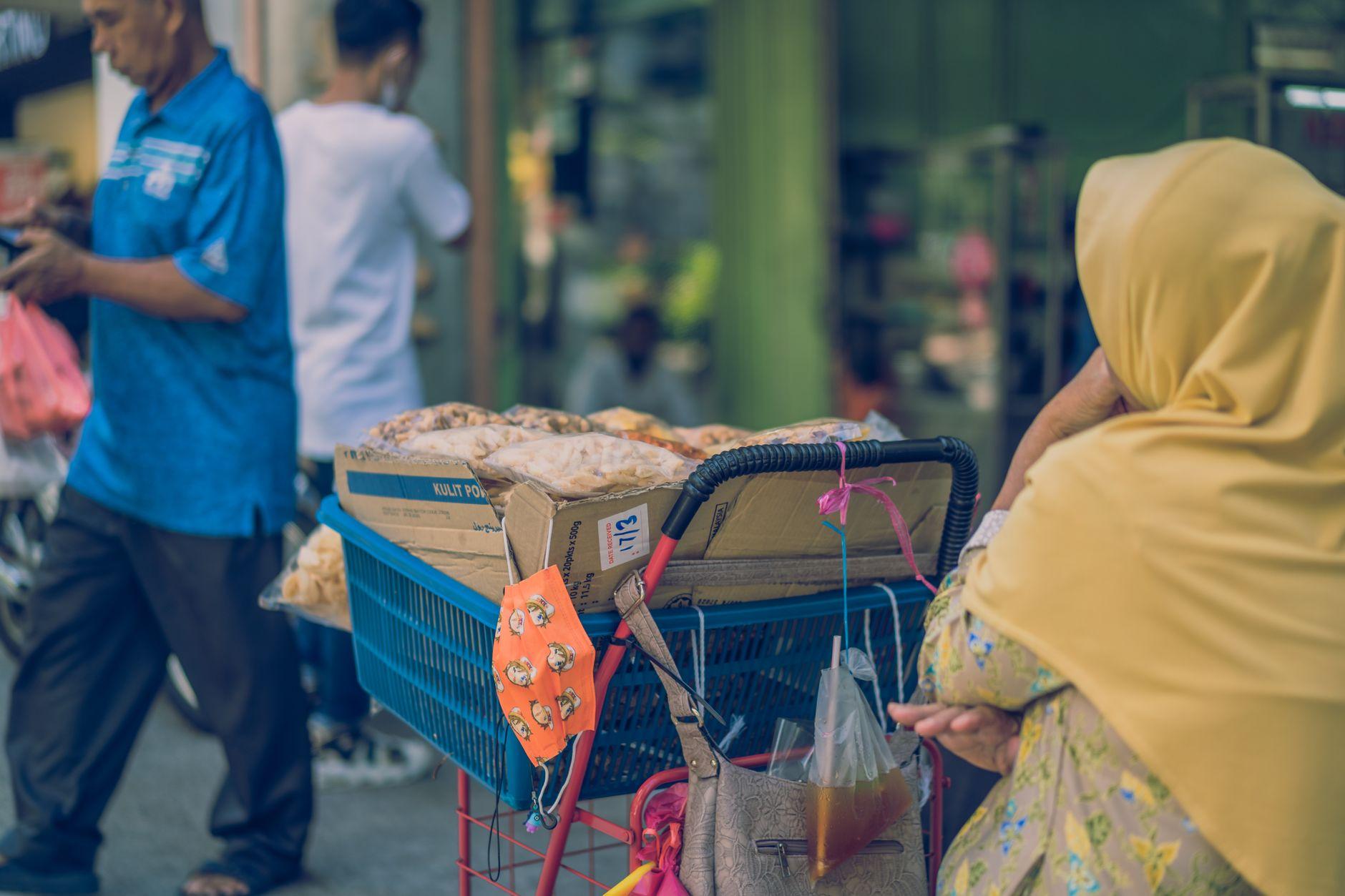

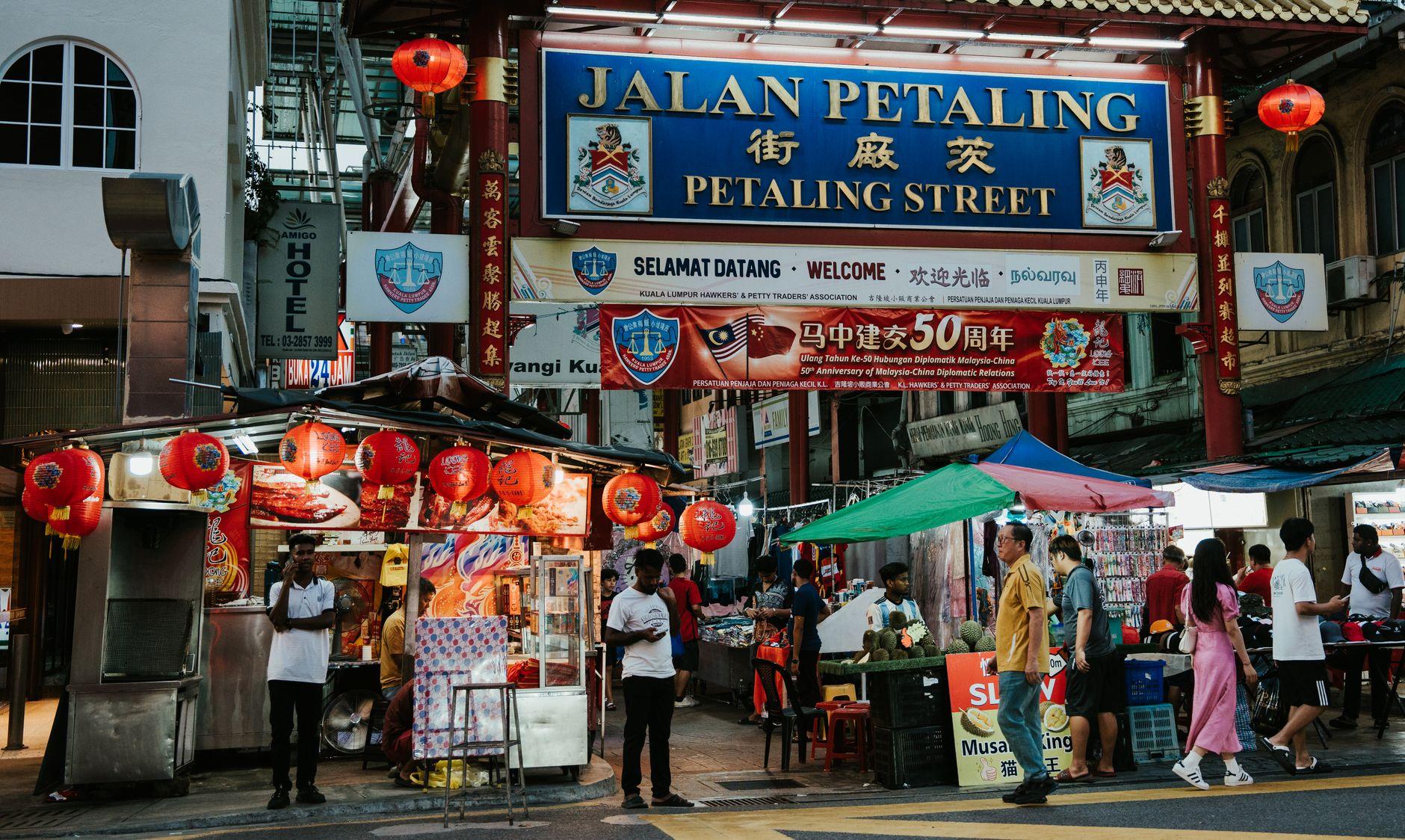
It is 1pm at a mamak in Bangsar. The line moves fast. Roti canai, teh tarik, nasi lemak wrapped in banana leaf, and at the register, a laminated QR standee that every single person ahead of you scans without breaking conversation. Phone out, beep, done, next. Then it is your turn. You hold out a fifty ringgit note, the cashier sighs, digs through a drawer for change, and the whole line waits while you count coins you will never spend. Nobody says anything. But you can feel it: you are paying like a visitor from 2015.
Malaysia is one of the easiest countries in Asia to spend money badly. Not because it is expensive, but because the local payment system is so smooth that anyone outside it pays a quiet penalty at every transaction. Here are the mistakes tourists keep making, and what to do instead.
Mistake one: assuming cash is the safe default
Cash still works everywhere in Malaysia, so tourists treat it as the zero-risk option. It is not. Every cash transaction carries small hidden costs: the ATM withdrawal fee your home bank charges, the operator fee the Malaysian ATM adds, the spread you ate when you exchanged money, the change you lose track of, the coins that end up in a drawer at home. Stack those over a two week trip and cash quietly becomes your most expensive payment method.
Meanwhile the locals around you are using DuitNow QR, Malaysia's unified national QR standard. One code format, accepted from a satay cart in Melaka to a department store in Mid Valley Megamall. The hawker uncle takes it. The pharmacy takes it. The night market sock vendor takes it. When one payment rail covers the whole country, refusing to use it means volunteering for friction.
Mistake two: trying to set up Touch 'n Go eWallet on arrival
This one wastes more tourist hours than any other. You land, you notice Touch 'n Go eWallet logos everywhere, you download the app, and then you hit the wall: the setup flow is built around local requirements that foreigners often cannot complete. Travelers regularly burn an evening on verification loops before giving up, and even those who get partway in run into limits that make the wallet barely usable for a short visit.
The mistake is not wanting a local wallet. That instinct is correct. The mistake is assuming the only way into Malaysia's QR ecosystem is through an app designed for residents. It is not. Moreta Pay lets you scan the same DuitNow QR codes locals scan, funded from your own bank at home (US bank via Plaid, ACH, SEPA, UK Faster Payments, or Canadian e-Transfer) or an international card. No Malaysian bank account, no local SIM verification maze, no evening lost to a signup form.
Mistake three: reading a hawker stall's QR cluster wrong
Walk into any hawker center in KL, Penang, or Ipoh and you will often see two or three different QR codes taped to the same stall. Tourists either freeze, assume none of them will work for a foreigner, or scan the wrong one and get an error. The short version: the codes are usually different wallet brands, but the DuitNow QR is the interoperable one, and it is the one a visitor's app can actually use. We wrote a whole explainer on why Malaysian stalls post three QR codes at once if you want to decode the sticker wall before your first char kway teow.
The practical habit: look for the DuitNow logo, scan it, and check the merchant name on your screen matches the stall before you confirm. That name check takes two seconds and protects you from the classic scam of a sticker pasted over the real code.
Mistake four: reaching for your card because "acceptance is decent"
Card acceptance in Malaysian cities genuinely is decent. Malls, chain restaurants, hotels, and most cafes in KL will take your Visa or Mastercard without fuss. So why is the QR standee still the better move?
Two reasons. First, QR is cheaper for the merchant, which is exactly why small businesses prefer it and why some smaller shops quietly discourage cards or set a minimum spend. Paying the way the merchant prefers keeps small transactions smooth. Second, your card comes with baggage you do not see at the terminal: foreign transaction fees, opaque conversion, and the dynamic currency conversion trap where the machine offers to charge you in your home currency at a rate you would never choose on purpose. If a card terminal in Malaysia ever asks "MYR or USD?", the answer is always ringgit. Better yet, skip the question entirely: when you pay a DuitNow QR through Moreta Pay, you see the amount, the FX rate, and the merchant name on one screen before you confirm, and the merchant gets paid instantly in ringgit.
Mistake five: converting a pile of money at the airport "just in case"
KLIA's exchange counters exist for exactly this moment of arrival anxiety, and the pricing reflects it. We ran the real math on airport exchange counters, including Kuala Lumpur's, and the pattern holds: the convenience of changing money at the airport is priced into the rate. If you want a small cash buffer for the rare cash-only moment (some parking machines, a few old-school kopitiams, tipping), get a modest amount and stop there. Do not convert your whole trip budget at the arrivals hall because the counter is right there and the taxi queue is long. Grab and other ride apps take digital payment anyway, so the "I need cash for the taxi" panic mostly belongs to another decade.
Mistake six: forgetting the QR habit extends past the street
Tourists who do adopt QR payments in Malaysia often stop at food stalls. But QR-based payment shows up online too. Booking a hotel on Agoda or Trip.com, ordering from Shopee or Lazada to your guesthouse (a genuinely great expat move for anything you forgot to pack), even settling certain bills if you are staying longer term: these platforms support QR-based checkout, and a wallet like Moreta Pay works there the same way it does at the mamak. Long-stay visitors and digital nomads in Penang or KL get the most out of this, because it removes the last few situations where you would otherwise need a local bank account.
The one-day version of getting this right
If you remember nothing else, remember this sequence. Before you fly: top up a wallet in your own currency from your home bank. On arrival: exchange only a small cash buffer, or none. At every register: look for the DuitNow QR, scan it, verify the merchant name and the rate, confirm. In cities: prefer QR over card at small businesses, and never accept a card terminal's offer to charge you in your home currency. That is the whole system. It takes one lunch to learn.
Malaysia already built one of the most unified QR payment networks in Asia. The only thing missing was a door for visitors, and that is the part Moreta Pay opens before you even board the flight, so the next time that mamak line moves, you move with it.