
Every week the same questions show up in Malaysia travel forums, usually from someone standing in a kopitiam in Kuala Lumpur or a night market in Penang, phone in hand, mildly confused. This article answers them the way a friend who lives there would: directly, and without pretending cash machines are your only option.
Do ATMs in Malaysia charge foreigners to withdraw ringgit?
Most Malaysian bank ATMs apply a fee to foreign cards, and your home bank often adds its own foreign transaction charge on top. Neither fee is visible at the moment you press confirm, which is exactly why they sting. Then there is the quieter cost: the exchange rate your card network applies, which you never see itemised. Withdraw cash a few times a week for a two week trip and you have paid for the privilege repeatedly without ever seeing a receipt that explains it.
The good news is that Malaysia is one of the easiest countries in Southeast Asia to simply stop using ATMs, because of what comes next.
What is DuitNow QR and does the hawker stall actually take it?
DuitNow QR is Malaysia's unified national QR payment standard. One code format, accepted everywhere from the char kway teow uncle at a hawker centre to the Uniqlo checkout in Pavilion KL. That unification matters more than it sounds. In some countries you face three or four competing QR systems and have to hope the merchant uses the one you can access. In Malaysia, the sticker on the counter is almost always the same standard, whether the business behind it banks with Maybank, CIMB, or runs everything through an e-wallet.
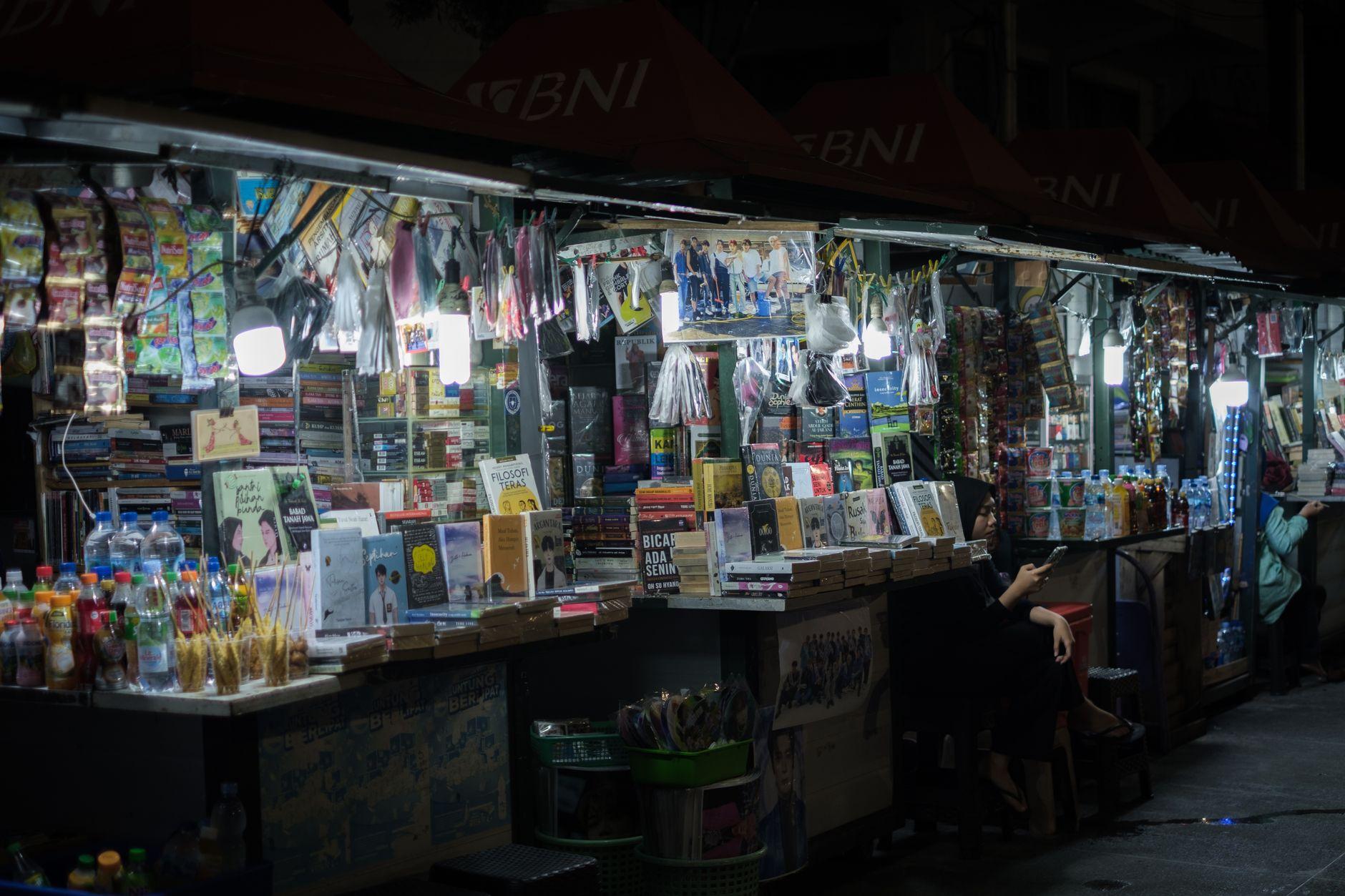
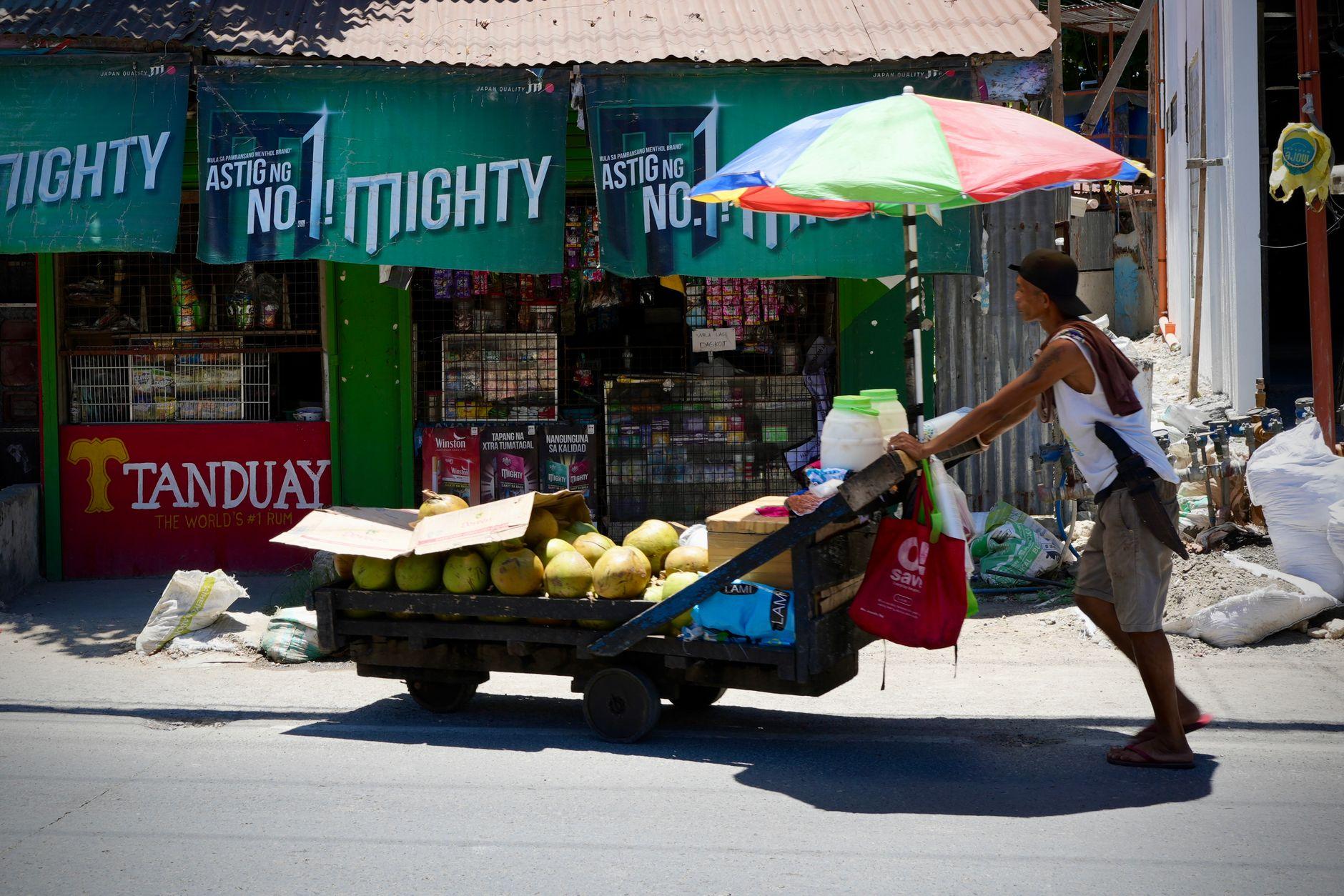
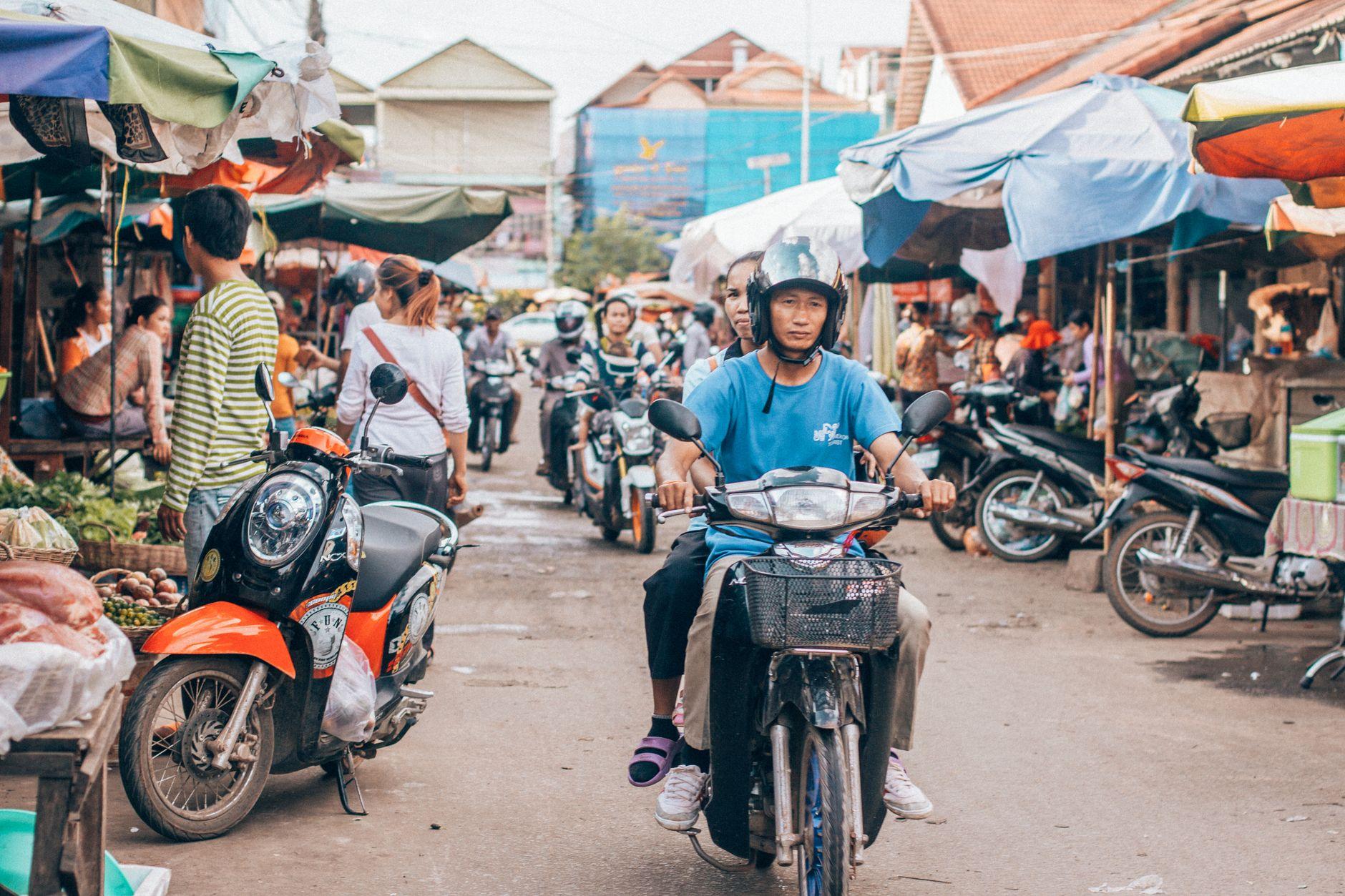
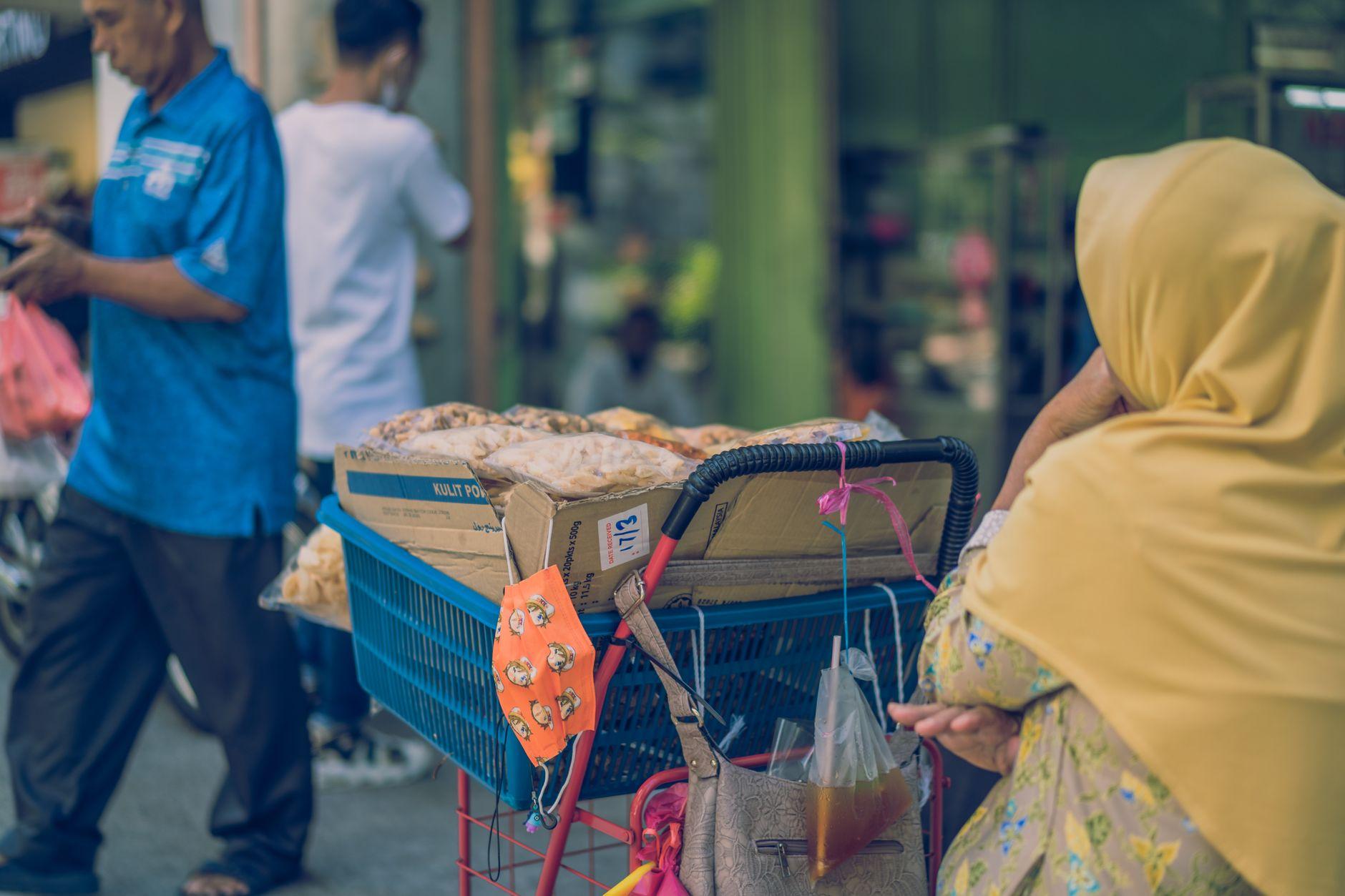
And yes, the hawker stall takes it. QR acceptance in Malaysia runs unusually deep down the price ladder. A plate of nasi lemak, a teh tarik, a durian stall by the roadside: if there is a laminated QR code taped to the cart, it works.
Why can't I just download Touch 'n Go like everyone keeps telling me?
Touch 'n Go eWallet is the app most Malaysians use day to day, so locals recommend it reflexively. The problem is onboarding. Full setup generally expects a Malaysian phone number, local identification, and often a local bank account or card to top up. Travelers regularly get partway through registration and hit a verification wall they cannot climb. Even expats with a long term visa report friction. If you are in Malaysia for two weeks, or even two months, treating Touch 'n Go as your plan is a gamble you will probably lose.
The useful reframe: you do not need the local app. You need a way to scan the local QR codes. DuitNow QR is an open standard, and that is the door a visitor can actually walk through. Moreta Pay lets you scan the same DuitNow QR codes Malaysians scan, funded from your own bank at home, with the amount and FX rate shown before you confirm. No Malaysian phone number, no local bank account, no verification dead end.
My card works fine in KL malls. Why bother with QR at all?
Card acceptance in Malaysian cities is genuinely decent, better than much of the region. But three things work against relying on it. First, cards thin out fast outside malls and chain restaurants; the places you actually came to eat at mostly run on QR and cash. Second, your card's foreign transaction fee and opaque exchange rate follow you to every tap. Third, QR is cheaper for the merchant than card acceptance, which is why small businesses push it and why some quietly prefer you use it. If you are curious why a shop owner cares which way you pay, we wrote about the economics from the merchant's side of the counter.
The card terminal asked if I want to pay in my home currency. Should I say yes?
No. That prompt is dynamic currency conversion, and the rate baked into it is almost never in your favour. If you do pay by card in Malaysia, always choose to be charged in ringgit. Better still, pay by QR where the conversion is shown to you upfront instead of buried in a terminal prompt designed to be accepted without reading.
How does paying by QR actually work for a visitor, step by step?
With Moreta Pay: before your trip, top up your wallet in your own currency from your home bank (US bank via Plaid or ACH, SEPA in Europe, UK Faster Payments, Canadian e-Transfer) or an international card. In Malaysia, when it is time to pay, you scan the merchant's DuitNow QR code, see the amount in ringgit, the exchange rate, and the merchant's name on one screen, then confirm. The merchant is paid instantly in ringgit, the same way a payment from a local wallet lands. The stall owner does not need to do anything different, which is the whole point.
Does QR work for online bookings and shopping in Malaysia?
Yes, and this is underused by visitors. Lazada and Shopee checkouts, plus travel platforms like Agoda and Trip.com, support QR based payment, which means you can book a Langkawi hotel or order from Shopee to your Airbnb without feeding your card number into another checkout form. Expats staying longer can also handle bill payments the same way, which pairs nicely with keeping clean records; some long term residents in KL already use their payment history as documented proof of payment for visas and rentals.
So should I carry any cash at all in Malaysia?
A little, yes. Keep a modest reserve of small ringgit notes for the rare unsticker'd stall, a parking attendant, or a kampung roadside stop where the phone signal dies. But that is a backup, not a strategy. One small withdrawal, or ringgit exchanged before arrival, covers it. The days of planning your Malaysian itinerary around ATM locations are over.
What does a cash-light day in Malaysia actually look like?
Morning kopi and kaya toast at a kopitiam, scanned. Grab ride across town, paid in app. Lunch at a hawker centre in Petaling Jaya, scanned. An afternoon at Central Market, souvenirs scanned. Dinner at a mamak at midnight, scanned. Not one ATM queue, not one moment of mental arithmetic about whether the withdrawal fee was worth it, and every single payment showed you the ringgit amount and the rate before you touched confirm. That is what joining the DuitNow QR ecosystem feels like, and it is open to you the day you land. Set up Moreta Pay before your flight to Malaysia and skip the verification walls entirely.