
Most travelers plan their Mongolia budget around a mental image that is about a decade out of date: a cash-only country where you change a brick of dollars on arrival and guard it across the steppe. Parts of that image are still true. Most of it is not. The result is that visitors routinely show up to Ulaanbaatar either carrying far too much cash, or confidently assuming their foreign card will work everywhere, and both groups end up frustrated by day two.
So let's take the most common beliefs about how to pay in Mongolia and correct them one by one.
Myth 1: Mongolia is a cash economy, full stop
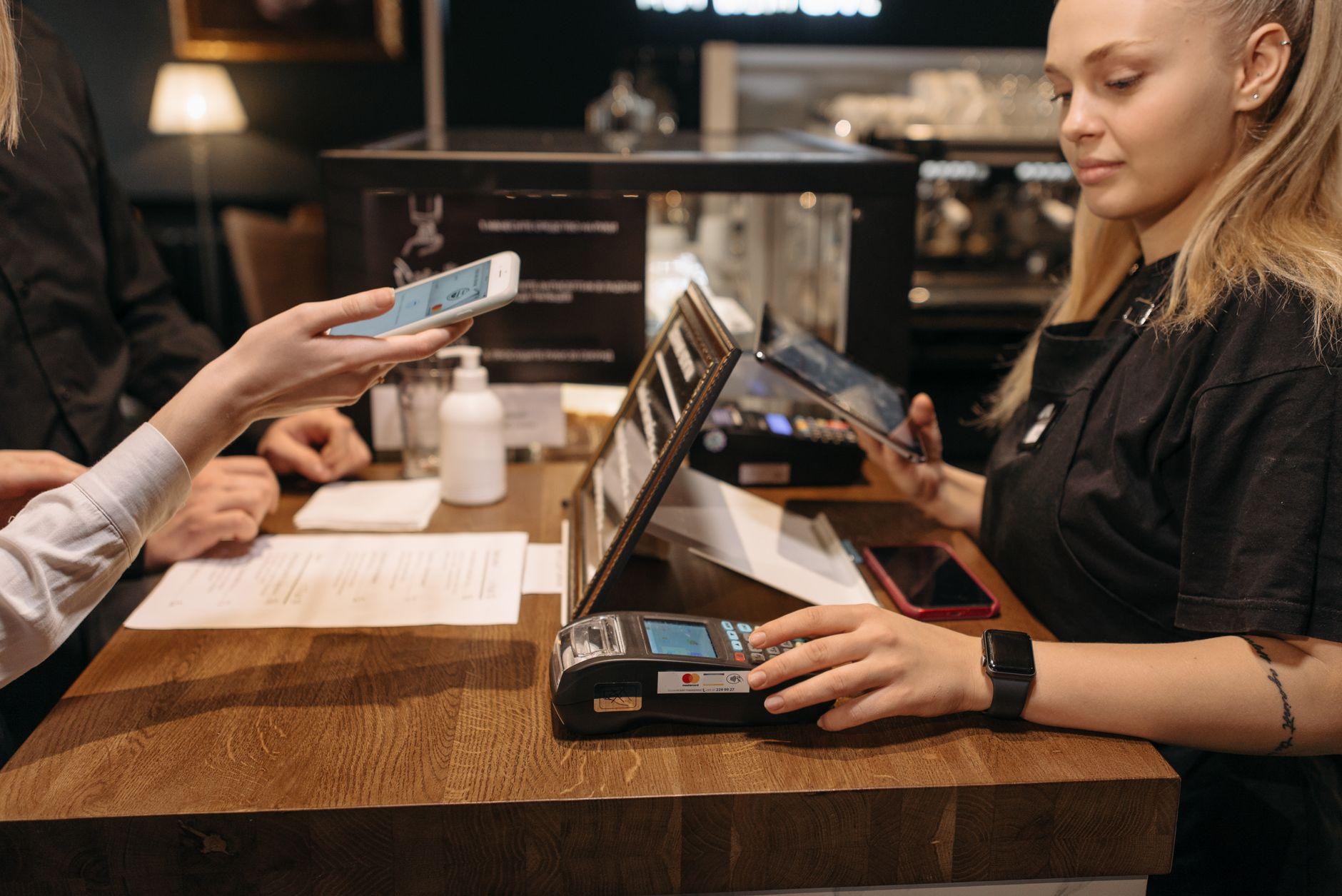
Ulaanbaatar would like a word. Walk into a coffee shop near Sukhbaatar Square, a convenience store in Zaisan, or a khuushuur stall tucked into a side street, and you will see the same thing over and over: a laminated QR code taped to the counter, and locals paying by pointing their phones at it. Mongolia's QR ecosystem, anchored by QPay and the banking apps connected to it, has become the default way people in the capital settle everyday purchases.
Supermarkets, restaurants, pharmacies, taxis arranged through apps, even small kiosks selling phone credit, a huge share of them take QR first and handle cash as the fallback. If your entire plan is "bring cash, pay cash," you will still survive in Ulaanbaatar, but you will be the slowest person in every queue and you will spend your trip hunting for change.
Myth 2: Fine, then my Visa or Mastercard will handle the city
Partially true, and that word "partially" is where trips go sideways. Larger hotels, tour operators, the State Department Store, and upscale restaurants generally take international cards. But the places that make Mongolia fun, the hole-in-the-wall buuz spots, the stalls at Naran Tuul market, the small guesthouses, often have no card terminal at all. They have a QR code and a cash box, and that's the whole payment infrastructure.
Even where terminals exist, foreign cards get declined more often than you'd like, and you may be offered dynamic currency conversion, which is almost never in your favor. Treat your physical card as a backup for big-ticket purchases, not as your daily driver. This is a familiar pattern across the region; if you've read about how travelers get stuck in Vietnam when their card won't swipe, Mongolia rhymes with it.
Myth 3: You can't use Mongolian QR codes without a Mongolian bank account
This is the myth that matters most, because it used to be true. QPay and the local bank apps that plug into it are built for residents: Mongolian bank account, Mongolian phone number, local ID. As a visitor, you were locked out of the system everyone around you was using.
That's the exact gap Moreta Pay was built for. You top up a wallet from your home bank or an international card, in your own currency, before or during your trip. Then at that khuushuur stall, you scan the same QR sticker the local in front of you just scanned. The app shows you the amount, the exchange rate into tugrik, and the merchant's name before you confirm anything. You tap confirm, the merchant gets paid instantly in tugrik, and nobody behind the counter has to figure out what to do with your foreign card. No Mongolian bank account, no local SIM registration, no begging a new friend to pay on your behalf while you hand them cash.
Myth 4: US dollars are basically a second currency in Mongolia
No. Some tour operators quote in dollars and a few hotels will take them, but day to day, Mongolia runs on the tugrik, and that's what shops, restaurants, and drivers expect. Waving a twenty at a market vendor mostly produces confusion, and when someone does accept dollars, the implied exchange rate tends to be painful. Whatever mix of cash and digital you settle on, think in tugrik.
Myth 5: What works in Ulaanbaatar works on the steppe
Here is the flip side, and it's just as important as the first myth. The moment you leave the capital for the Gobi, Khuvsgul, or a ger camp in the Orkhon Valley, the payment landscape changes completely. Connectivity gets patchy, ger camps and countryside guanz (canteens) deal in cash, and your driver will expect tugrik for fuel stops and roadside purchases. ATMs exist in aimag centers, but you should not build an itinerary around finding one in a town you've never seen.
The practical rule: withdraw or exchange enough tugrik in Ulaanbaatar to cover your entire countryside leg, with a buffer, before you get in the Land Cruiser. Mongolia is genuinely a two-mode country, and the smart traveler runs both modes instead of pretending one of them doesn't exist. We covered the resident's version of this split in our expat guide to paying your way in Mongolia, and the geography is the same whether you're there for two weeks or two years.
Myth 6: Changing a big pile of cash at the airport is the only safe plan
It's a plan, just not a good one. Carrying your entire trip budget in paper means worrying about it on night trains, in shared dorms, and in the middle of nowhere. And "safe" cuts both ways: if the cash goes missing, there is no undo button.
The better 2026 approach is a hybrid. Keep a Moreta Pay wallet funded for everything in Ulaanbaatar and other QR-friendly spots: meals, groceries, coffee, shopping, the online side of your trip too, since QR payment options show up when booking on platforms like Trip.com. Then carry a sensible envelope of tugrik sized to your countryside days, not your whole trip. You exchange less, you carry less, and every digital payment comes with a transparent exchange rate you saw and approved before confirming, instead of whatever the airport counter felt like offering that morning.
What the corrected picture looks like
Put the myths aside and Mongolia's money reality is actually simple:
- Ulaanbaatar: QR codes rule. Scan and pay like a local with Moreta Pay, keep a card in reserve for hotels and big purchases.
- Small change moments: a little tugrik cash in the city never hurts, for the rare stall that's cash-only or a tip for a guide.
- The countryside: cash country. Stock up on tugrik in the capital before any multi-day trip, and don't count on ATMs along the way.
- Dollars: fine for some tours and hotels, useless at the counter. Think in tugrik.
Mongolia rewards travelers who adapt to its contrasts, and payments are no exception. Handle the city on your phone and the steppe with paper, and you'll move through both like you've been there before. Before you fly, get the digital half sorted: set up Moreta Pay and load your wallet, so your first QR code in Ulaanbaatar is a two-second scan instead of a scramble.