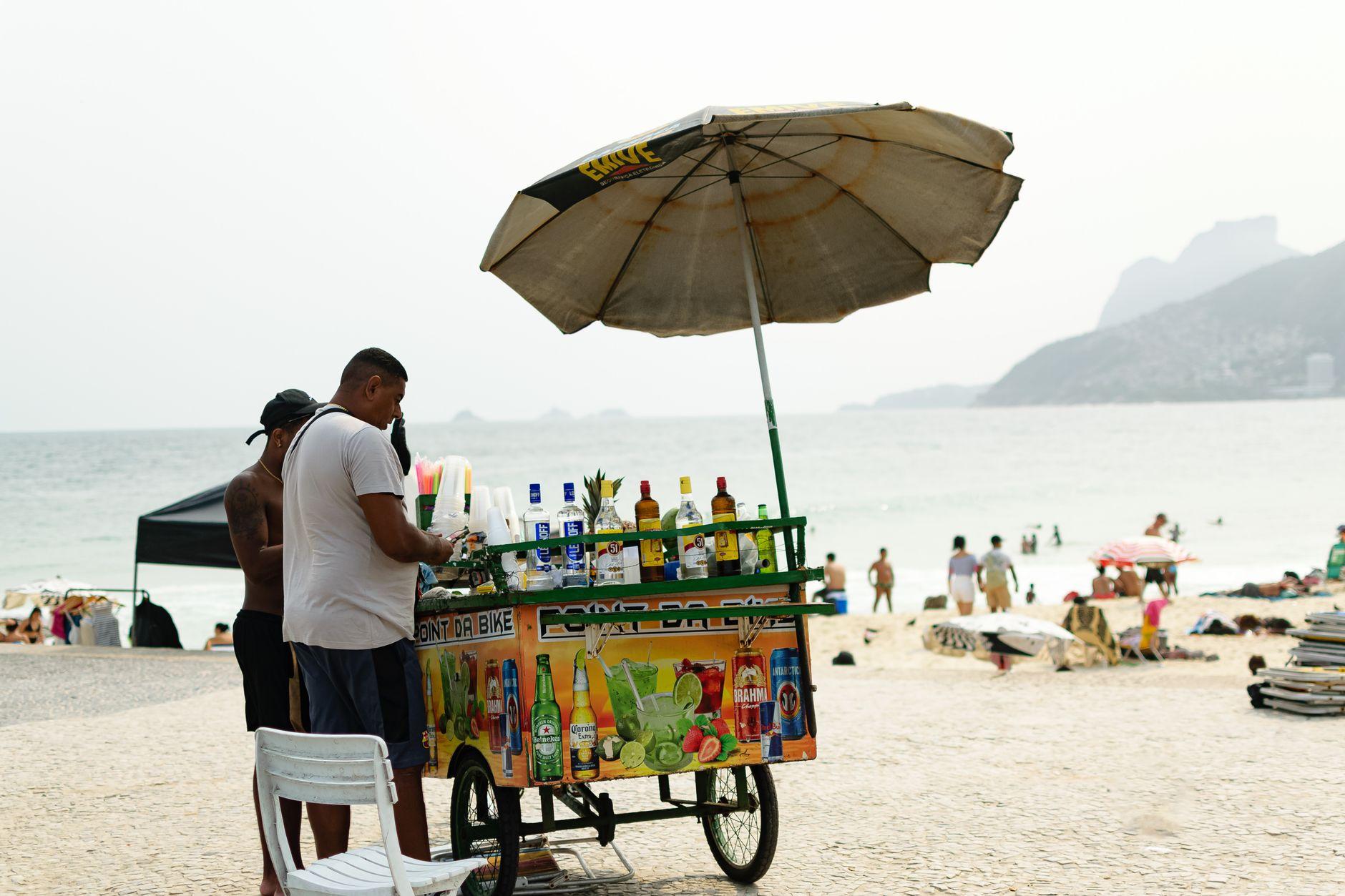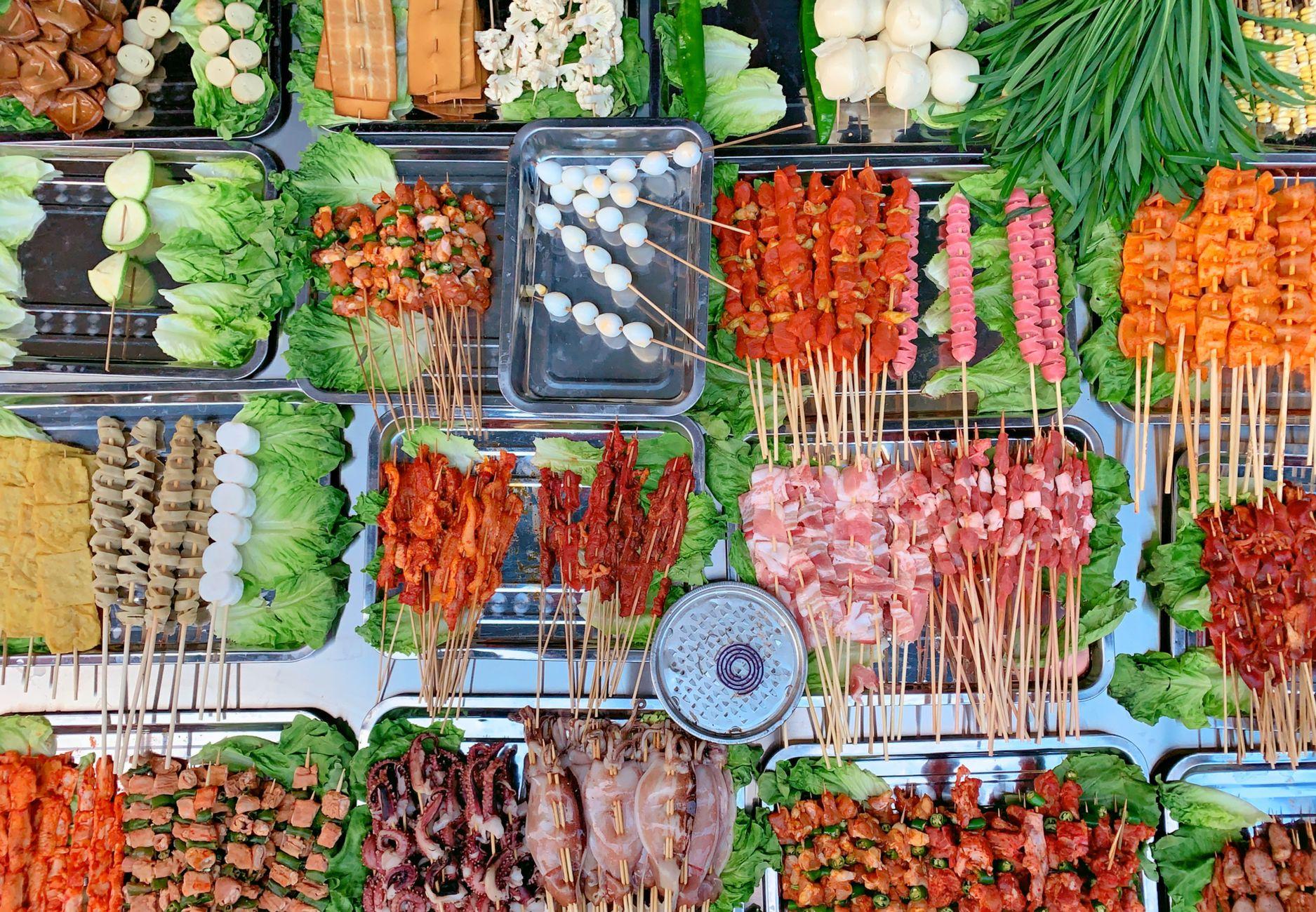

You're at a mamak counter in Kuala Lumpur, ringgit bills in one pocket. Three days later you're in Phnom Penh with riel and US dollars in another. A week after that, Sao Paulo real. Then Shenzhen yuan. By the time you're home, you've touched five currencies if you count the US dollar sitting in your home account, and you've done the exchange-rate math four separate times at four separate ATMs, each one a different rate, each one a different fee.
The fastest way to stop losing track of spending across that many currencies is to consolidate funding into a single multi currency travel wallet that converts at the point of payment, rather than juggling multiple cash withdrawals, card statements, and mental exchange-rate conversions in four different apps. That single decision, made before departure, eliminates most of the reconciliation headache travelers hit mid-trip.
About the Author: This article is written by Moreta, a FinCEN-registered Money Services Business and Y Combinator-backed fintech that operates a digital wallet built specifically for travelers making local QR payments across Malaysia, Cambodia, Brazil, China, and other Asian and Latin American markets, giving it direct visibility into how multi-currency spending actually breaks down at the point of sale.
Why Does Tracking Spending Get Harder With Each New Currency?
Scan a QR code in Kuala Lumpur at one rate. Scan one in Phnom Penh at a different rate two days later. By the time you hit Sao Paulo, you've forgotten what the ringgit was worth when you started. Four separate cash piles, four separate exchange rates to remember, none of them map cleanly onto a single home-currency budget.
Each transaction converts at a different moment in time, at a different price. A traveler who withdraws ringgit in Kuala Lumpur, riel and dollars in Phnom Penh, real in Sao Paulo, and yuan in Shenzhen ends up with a growing mental ledger that doesn't add up-it compounds. You're not tracking one error across four countries; you're tracking four independent errors, each one cascading into the next.
The standard advice is to pick one reference currency, usually your home currency, and let every transaction convert back to that single number automatically rather than trying to do the math yourself in real time. Apps built for this compare spending across currencies using bar graphs and category breakdowns so the traveler sees one total, not five. What actually prevents budget drift is having every transaction converted at a known, visible rate the moment it happens, not reconciled days later from memory or receipts.
How Do Payments Actually Work in Malaysia, Cambodia, Brazil, and China?
Each of these four countries runs its own national instant-payment rail, and none of them are interchangeable with a foreign Visa or Mastercard swipe the way a hotel bill might be.
- Malaysia uses DuitNow QR, a unified QR code standard that lets any participating bank or e-wallet scan the same code at a mamak stall or a shopping mall counter. DuitNow QR payment runs on the EMVCo QR Code Specification, the same global standard used by dozens of national QR systems, which is why interoperable QR wallets can plug into it directly.
- Cambodia runs on KHQR through the Bakong system, Cambodia's national payment platform. Bakong is unusual in that it operates on a blockchain-based core, and it settles in both Cambodian riel and US dollars, reflecting how the country actually spends day to day.
- Brazil uses Pix, the country's instant-payment system built on ISO 20022 messaging standards with BR Code for QR-based transactions. Pix settles in seconds, and it has become the default way most vendors, from a Sao Paulo padaria to a beach kiosk in Salvador, expect to get paid.
- China relies overwhelmingly on Alipay and WeChat Pay, which route domestic transactions through the NetsUnion clearing platform. Both platforms have expanded EMVCo support for cross-border transactions, which is the technical opening that lets foreign wallets connect to them at all.
The common thread: all four are QR-based, bank-to-bank or wallet-to-wallet instant rails, not card networks. A traveler expecting to tap a foreign debit card the way they would in Tokyo or Singapore will find that most local merchants, especially outside tourist zones, are set up for QR scanning first.
Why Can't Travelers Just Use Their Home Debit Card Everywhere?
Building on the rail differences above, the practical problem is access, not compatibility in the abstract. DuitNow, KHQR, Pix, and Alipay/WeChat Pay were all built around local bank accounts, local phone numbers, or local ID verification. A foreign visitor without a Malaysian bank account can't generate a DuitNow QR code of their own, and a tourist without a Chinese-registered phone number has historically struggled to get full functionality out of Alipay or WeChat Pay. Even where a card works, using it usually triggers foreign transaction fees, and ATMs frequently push dynamic currency conversion, a screen prompt asking if you'd like to be charged in your home currency instead of the local one. Traditional ATMs typically apply 1 to 3 percent in foreign transaction fees on top of card network rates, and DCC adds a second markup on top of that. The instruction is always the same: decline it, and choose to be charged in local currency every time.
How Does a Multi Currency Wallet Simplify the Math?
A wallet built to scan local QR codes directly closes the gap between "money in your home account" and "payment accepted by the local rail," and it does so with one conversion step instead of four separate cash withdrawals or card swipes.
The mechanism works like this:
- Top up the wallet from your home bank account or card, in your home currency.
- Scan the same DuitNow, KHQR, Pix, or Alipay/WeChat Pay code the merchant already uses. No separate app per country.
- See the merchant name, the exact amount, and the FX rate applied before confirming.
- Confirm, and the merchant is paid instantly in local currency.
- Check the transaction log afterward, converted back to your home currency automatically, so your running total across four countries stays in one place.
This is the core of Moreta Pay's function as a cross border payment app: it shows the rate up front rather than after the fact, which determines whether spending stays predictable or surprises you at checkout. Compared to withdrawing cash at four separate ATMs or relying on a card that adds foreign transaction fees on each swipe, a wallet with visible rate comparison against alternatives like Wise, Revolut, or ATM withdrawal gives a traveler a genuine reference point before they tap confirm, not just a receipt to decode later.
What Should Backpackers Specifically Watch For?
Backpackers moving through Malaysia, Cambodia, Brazil, and China on a tight daily budget face a sharper version of the same problem. Southeast Asia trip budgets are typically built around daily spending targets, not monthly ones, which means a bad exchange rate on day three affects every transaction that follows. A travel expense tracker app for backpackers needs to show conversions in real time, not require manual entry at the end of each day when receipts are already lost or forgotten.
What Should You Set Up Before You Leave?
- Load your wallet with enough balance to cover at least a week in your first country, then top up as you go rather than trying to pre-convert into four currencies.
- Confirm the wallet supports the specific rail you'll hit first, DuitNow QR payment in Malaysia or KHQR in Cambodia, so you're not stuck asking a vendor for a workaround at the counter.
- Keep a small cash reserve in each country's currency, riel for temple donations, small yuan notes for street food stalls that don't scan, real for parking attendants who count bills while you wait.
Frequently Asked Questions
Does DuitNow QR work the same way in every Malaysian city?
Yes. DuitNow QR is a unified national standard, so the same code format works whether you're at a Kuala Lumpur mall or a Penang hawker stall.
Can I use one app across Malaysia, Cambodia, Brazil, and China?
A wallet built to scan each country's native QR standard, rather than relying on a single card network, lets you use one interface across all four, since each rail is QR-based.
Is Cambodia's KHQR really dual-currency?
Yes, Bakong settles in both Cambodian riel and US dollars, reflecting how cash and pricing already work in the country.
Why does my card get declined more in Brazil and China than in Europe?
Both countries route the bulk of daily transactions through domestic instant-payment rails, Pix and Alipay/WeChat Pay, rather than international card networks, so foreign cards have less coverage at everyday merchants.
Should I always decline dynamic currency conversion?
Yes. DCC applies a markup on top of your card network's rate; choosing local currency avoids that extra cost.
Is cash completely unnecessary in these four countries?
No. Rural areas, small vendors, and donation boxes in all four countries still expect cash, so carry a modest local reserve everywhere.
About Moreta
Moreta Global Inc. is a Delaware corporation and FinCEN-registered Money Services Business, backed by Y Combinator. The Moreta app lets travelers scan the same local QR codes that merchants already use, DuitNow in Malaysia, KHQR in Cambodia, Pix in Brazil, Alipay and WeChat Pay in China, converting from a home bank account or card at a visible exchange rate before every payment. For a traveler managing five currencies on one trip, that means one wallet, one running total, and no guessing at the register.