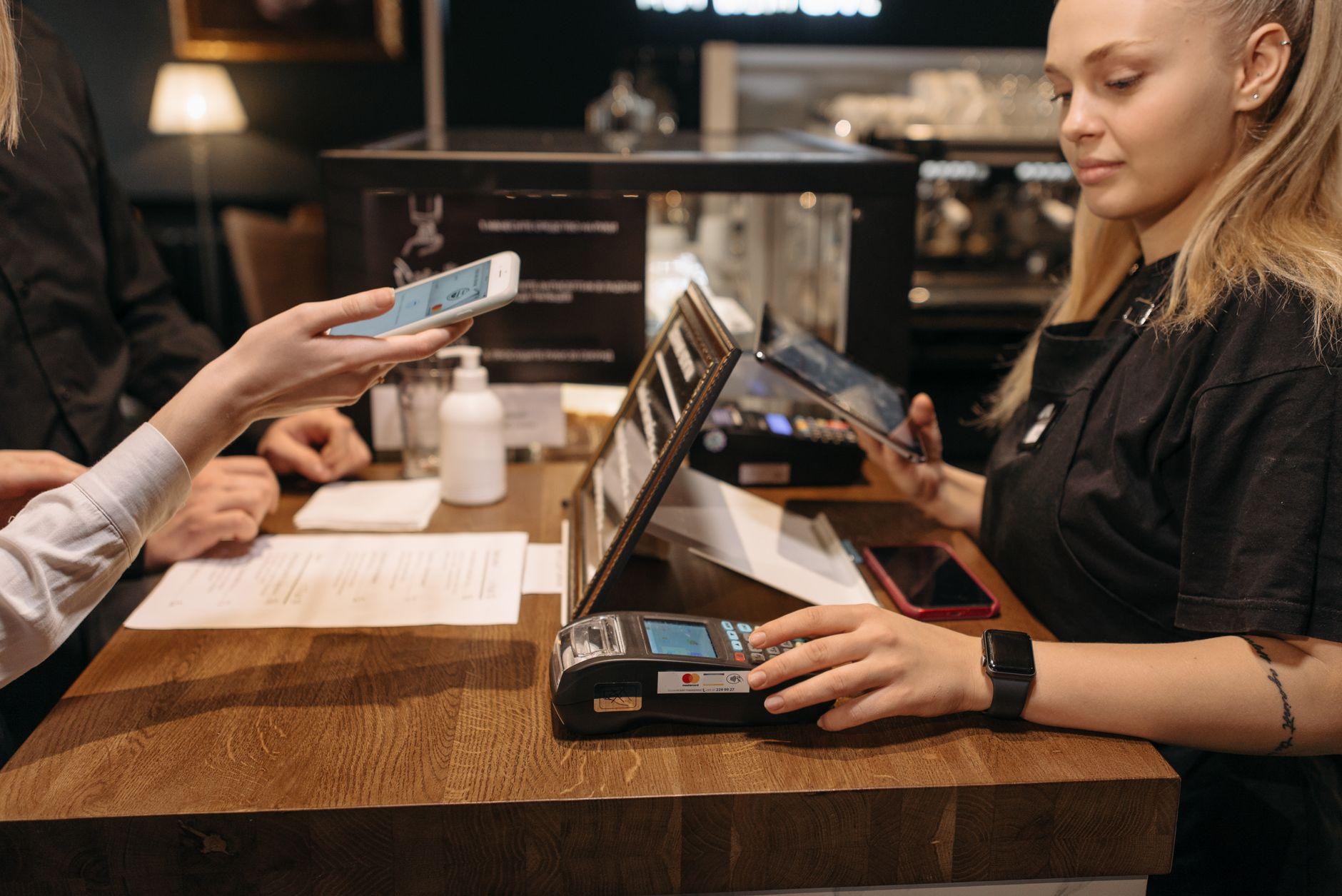

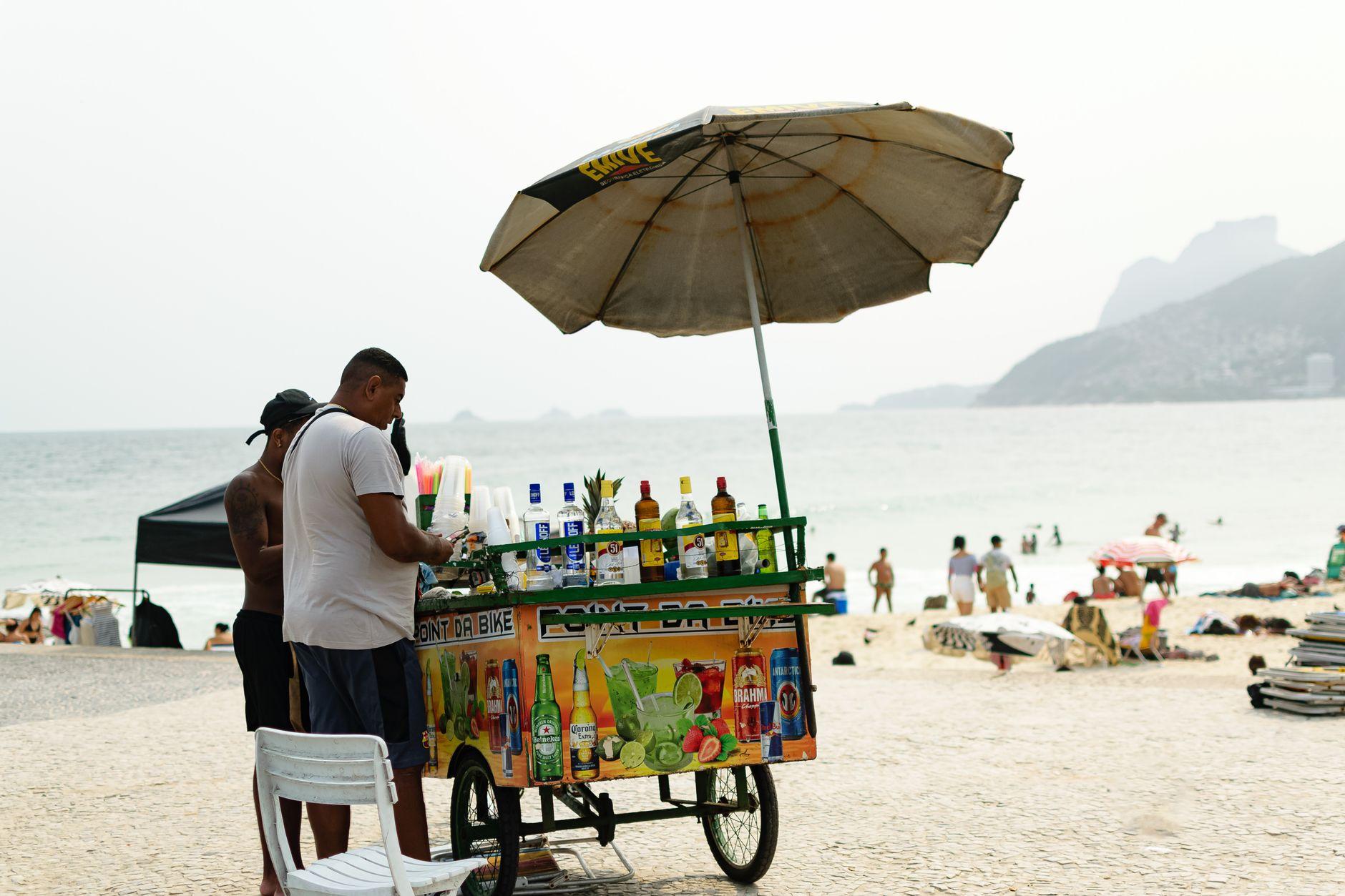
Stand near any juice stand in Rio or Sao Paulo for ten minutes and you will notice something. Almost nobody hands over cash, and plenty of people never pull out a card either. They point a phone at a laminated QR code taped to the counter, tap once, and walk away with their acai. That is Pix, Brazil's instant payment system, and it has quietly become the default way Brazilians pay for nearly everything: the beach vendor selling caipirinhas out of a cooler, the Uber driver who asks if you can do Pix instead of in-app payment, the pousada owner, the tattoo artist, the guy renting bikes by the hour.
If you are arriving in Brazil as a traveler, nomad, or new expat, the practical question is not whether Pix matters. It obviously does. The question is how you, a person with no Brazilian bank account and no CPF-linked anything, actually pay for things day to day. You have four realistic options. Let's weigh them honestly.
Carrying Reais: The Option Everyone Overestimates
Cash still works in Brazil. Reais are legal tender, markets accept them, and in rural areas you will occasionally need them. So why not just land, hit an ATM, and operate on paper money?
A few reasons. First, ATM access in Brazil is more annoying than most travelers expect. Many machines cap withdrawals at modest amounts, some refuse foreign cards entirely, and bank lobbies with working international ATMs can mean a detour. Second, cash puts you on the wrong side of local pricing habits. Small merchants increasingly quote with Pix in mind, and some will sigh audibly when you hand over a 100-real note for a 12-real coconut because nobody carries change anymore. Third, there is the security question. Flashing a wallet of bills on a crowded beach or at a street market is exactly what locals avoid, which is part of why they moved to Pix so enthusiastically in the first place.
Cash is a fine backup. As a primary strategy in 2026 Brazil, it is slow, limited, and slightly conspicuous.
Your Foreign Visa or Mastercard: Works Until It Doesn't
Brazil has decent card acceptance by Latin American standards. Supermarkets, chain restaurants, pharmacies, and malls will take your foreign card without drama. So a card-only trip is possible, especially if you stay inside the formal economy.
The gaps show up fast, though. The feira stall selling the best mangoes you have ever eaten? Pix or cash. The surf instructor, the moto-taxi, the lady grilling queijo coalho on the sand? Pix. Many small merchants technically have a card machine but prefer Pix because it settles instantly and costs them less, so they will nudge you toward it, sometimes with a visibly better price. And then there is the fee layer on your side: foreign transaction fees, dynamic currency conversion traps at terminals that offer to charge you in dollars (always decline that), and the occasional fraud block from a home bank that did not love seeing a charge from Fortaleza.
Cards cover maybe the top half of the Brazilian economy. The bottom half, which is where most of the texture of the country lives, runs on Pix.
Opening a Brazilian Account: The Local Answer, With a Catch
If you are moving to Brazil long term, getting a CPF (the Brazilian tax ID) and opening an account with a local bank or fintech is the full-native solution. You get real Pix, keys and all, and you pay exactly like a Brazilian.
The catch is the on-ramp. You need the CPF first, then an account, then funds in reais, which usually means an international transfer with its own costs and delays. For a resident on a visa, this is worth doing eventually. For a three-week trip, a two-month workation, or your first chaotic month as an expat before paperwork clears, it is simply not available to you on the timeline you need. Plenty of nomads spend their entire Brazil stay without ever qualifying. Meanwhile your Airbnb host is asking for Pix before handing over the keys, a situation common enough that we wrote about why Brazilian hosts and landlords insist on Pix in its own right.
A Wallet That Scans Pix Codes Without the Bank Account
This is the fourth option, and it is the one that did not exist for most of Pix's life. Moreta Pay lets you scan the same Pix QR codes everyone around you is scanning, using money that started in your own bank account back home. You connect a US bank via Plaid or ACH, a European SEPA account, UK Faster Payments, a Canadian e-Transfer, or just an international card, and top up a wallet in your own currency. At the moment of payment you scan the merchant's code, see the amount, the merchant name, and the exact exchange rate on screen, confirm, and the merchant receives reais instantly. No CPF, no Brazilian bank, no guessing what your card network decided the rate was three days later.
Honest cons, because this is a comparison and not an advertisement: you need a working phone with data, so sort out an eSIM or local SIM on arrival. You need to keep the wallet topped up, which takes a moment of planning before a big spending day. And a handful of situations in Brazil will still want cash, so carrying a small reserve of small-denomination reais is smart regardless of which primary method you choose.
But the pros map almost perfectly onto the gaps of the other three options. You reach the Pix-only merchants cards cannot touch. You skip the ATM queues and withdrawal caps that make the cash strategy tedious (and the lower your ATM dependence, the less it matters if a machine ever swallows your card). And you get it all on day one, not after weeks of residency paperwork. It also extends beyond street level: QR-based checkout on platforms like Trip.com and Agoda works the same way, so booking a bus to Paraty or a room in Salvador does not require switching back to a foreign card.
What This Looks Like on an Actual Tuesday in Brazil
Put the four options side by side against a normal day. Morning coffee at a padaria: cash works but slows the line, card probably fine, Pix fastest. Uber across town: the driver may ask for Pix directly. Lunch at a por quilo buffet: card or Pix. Afternoon coconut on the beach: Pix or exact cash, and the vendor hopes it is Pix. Evening groceries: anything works. Weekend trip deposit to a pousada owner over WhatsApp: Pix, full stop, no card machine exists in that conversation.
Run that day on cash alone and you are rationing change by sunset. Run it on a foreign card and you are locked out of a third of it. Run it on Pix, whether through a Brazilian account you spent weeks acquiring or through Moreta Pay you set up before your flight, and the whole day just flows the way it does for the locals around you.
Brazil did not go cashless by decree. It went Pix because Pix is genuinely better for everyone involved, and merchants vote with their laminated QR codes. The only real question for a visitor is which door into that system you take. If the bank-account door is closed to you, there is no reason to stand outside. Set up Moreta Pay before you land and your first coconut on the sand can go exactly the way the locals do it.