
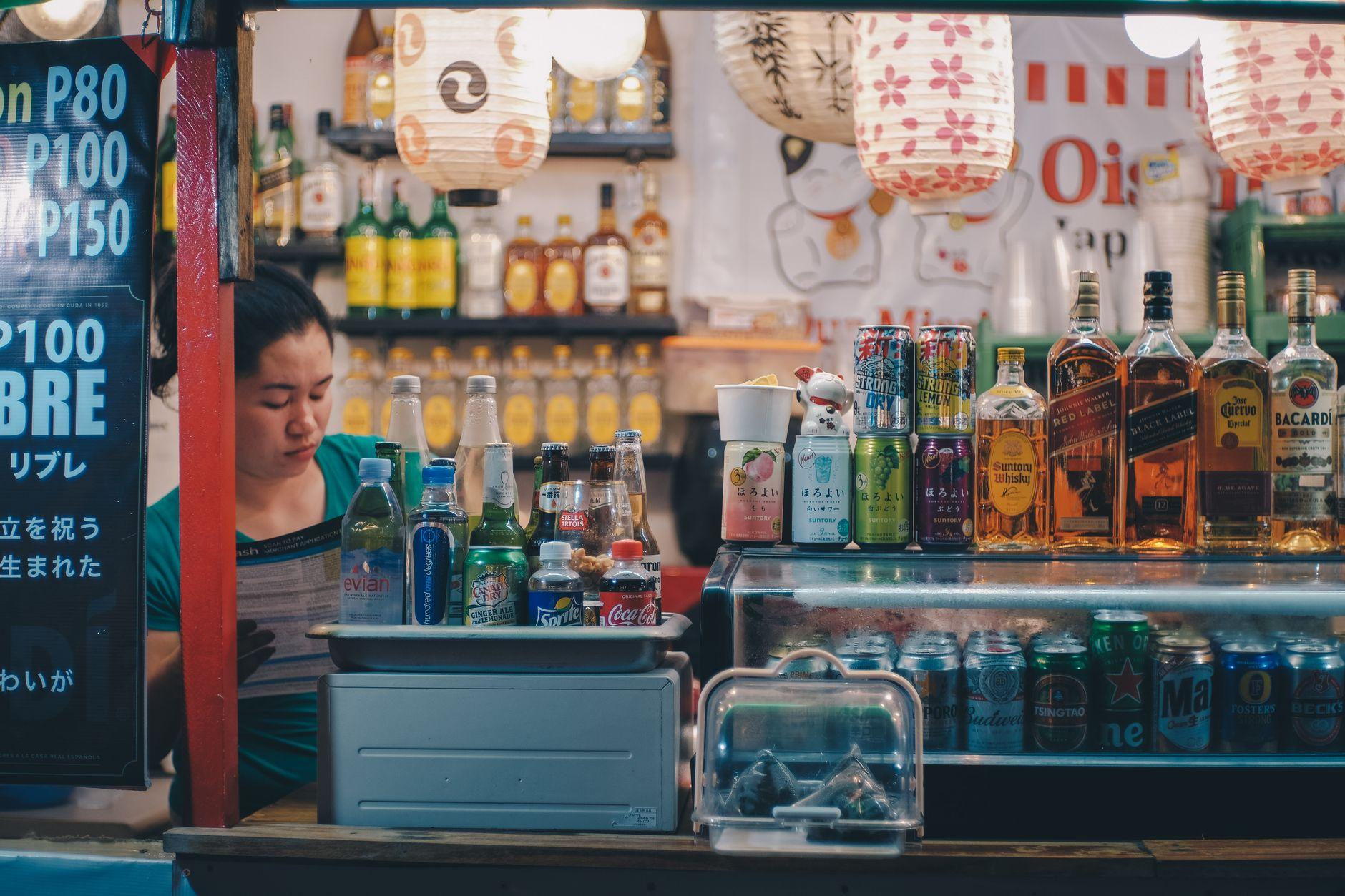
Ask ten expats in the Philippines how they pay for daily life and you will get ten slightly different systems, most of them held together with workarounds. The country has a genuinely modern payments layer, QR Ph, a single national QR standard that GCash, Maya, and the banks all plug into. The sticker is on the counter at the carinderia, the laundry shop, the fruit stall at the palengke, even some tricycle drivers in Cebu have one taped to the windshield. The problem is not the infrastructure. The problem is getting yourself into it without a Philippine bank account, a local SIM, and a local ID.
So let's do this honestly. There are four realistic options for an expat here: cash, your foreign card, a local wallet, or an international wallet that can scan QR Ph directly. Each one wins somewhere and fails somewhere else.
Cash: still king, especially the moment you leave the city
Start with the obvious one. Cash works everywhere in the Philippines, full stop. The sari-sari store selling you a cold Coke through the window grate, the jeepney conductor passing coins hand to hand down the aisle, the banca boatman in Coron. No app, no signal, no battery required, which matters in a country where brownouts are a normal part of provincial life.
The cons are just as real. First, change. Hand a 1,000 peso note to a vendor for a 45 peso purchase and watch the apologetic shake of the head. Expats here develop a whole side hobby of hoarding 20s and 50s. Second, the supply chain. In Manila or Cebu, ATMs are everywhere. In El Nido, Siargao, or anywhere you reach by ferry, they are scarce, they charge foreign cards withdrawal fees, they cap how much you can take out, and on a long weekend they simply run empty. Island-hopping expats learn to carry several days of cash, which means walking around with a wad of pesos on a beach town motorbike. That is not a payments strategy, that is a risk you have normalized.
Verdict: essential as a backup and for the smallest transactions, exhausting as your only system.
Your foreign card: great in BGC, a shrug everywhere else
If your life happens inside Makati, BGC, or a Cebu mall, your Visa or Mastercard will mostly carry you. Supermarkets, chain restaurants, pharmacies, hotel front desks, all fine. Some expats go weeks this way and conclude the Philippines is basically cashless.
Then they step outside the air conditioning. The carinderia does not take cards. The market does not take cards. Your landlady does not take cards. Many smaller businesses that do have a terminal quietly prefer not to use it. And even where the card works, there is the familiar foreign card tax: foreign transaction fees from your home bank, sometimes a sneaky dynamic currency conversion prompt at the terminal, and a conversion rate you only discover on your statement days later. The gap between the posh mall and the street outside is the entire story of foreign cards in the Philippines, much like the same gap travelers hit in Vietnam.
Verdict: useful for big urban purchases, nearly useless for the daily texture of Filipino life.
GCash and Maya: the apps everyone around you is using
This is the frustrating one. GCash and Maya are how the Philippines actually pays. Your Filipino friends split dinner with them, pay bills with them, buy load with them, settle with the suki vendor at the market with them. Both scan QR Ph codes, so the merchant side is completely sorted.
For a foreigner, though, getting in is a gauntlet. You generally need a Philippine mobile number, which means a local SIM, which under SIM registration rules means presenting identification. Then the wallet itself wants ID verification, and the IDs these apps are built around are Philippine ones. Some expats with long-term visas and an ACR card eventually get fully verified. Many others get stuck in partial verification limbo with low limits, or borrow a partner's account, or simply give up. And even the success stories face the top-up question: without a local bank account, loading the wallet means standing at a convenience store counter handing over cash, which quietly reintroduces the ATM problem you were trying to escape.
Verdict: the right answer if you are settled long term with local ID and a local bank. A wall if you are not.
Scanning QR Ph without the local paperwork
The fourth option is newer: an international wallet that speaks QR Ph natively. This is what Moreta Pay does. You download it before you arrive or on hotel wifi, fund the wallet from your home bank (US bank via Plaid or ACH, SEPA in Europe, UK Faster Payments, Canadian e-Transfer) or an international card, in your own currency. Then at the counter you scan the exact same QR Ph sticker the locals scan. The app shows you the amount in pesos, the FX rate, and the merchant name before you confirm, and the vendor gets paid instantly in pesos, same as if you had GCash.
What you skip: the local SIM requirement, the Philippine ID verification, the convenience store cash top-ups, and the mystery conversion math of a foreign card. What you still need: a working phone and a merchant with a QR code, which in 2026 covers a surprising share of the country but not the jeepney conductor or the most remote sari-sari store. It also covers more than counters. QR-based checkout on Shopee, Lazada, Agoda, and Trip.com works the same way, and you can pay bills in supported countries, which matters once you have a condo and a monthly electricity bill. If carrying your money on your phone in a beach town makes you nervous, it is worth reading what actually happens to a QR wallet when a phone is stolen abroad, because the answer is far better than what happens to a wad of pesos.
Verdict: the closest a foreigner gets to paying like a local without becoming one on paper.
Putting the four side by side
Run the comparison through actual situations and a pattern appears. Lunch at a carinderia with a QR Ph sticker: Moreta Pay or a local wallet win, cash works, card fails. Rent to a landlady with a QR code: same. Groceries at a mall supermarket: everything works, pick whichever is cheapest for you. A tricycle in a small town: cash, probably forever. A week in Siargao where the two ATMs are empty: whatever does not depend on an ATM.
The honest conclusion is not that one option replaces the rest. It is that the old default, cash plus a foreign card, now covers the least ground, while QR Ph covers the most. Expats with full GCash or Maya verification should absolutely use them. Everyone else, which is most newcomers, can get into the same QR Ph ecosystem through Moreta Pay and keep a modest cash float for jeepneys, tricycles, and the last sari-sari store before the beach.
If you are landing in Manila or Cebu soon, or you are already here and tired of the ATM treasure hunt, get Moreta Pay on your phone and scan your first QR Ph code this week. The sticker on the counter has been waiting for you all along.