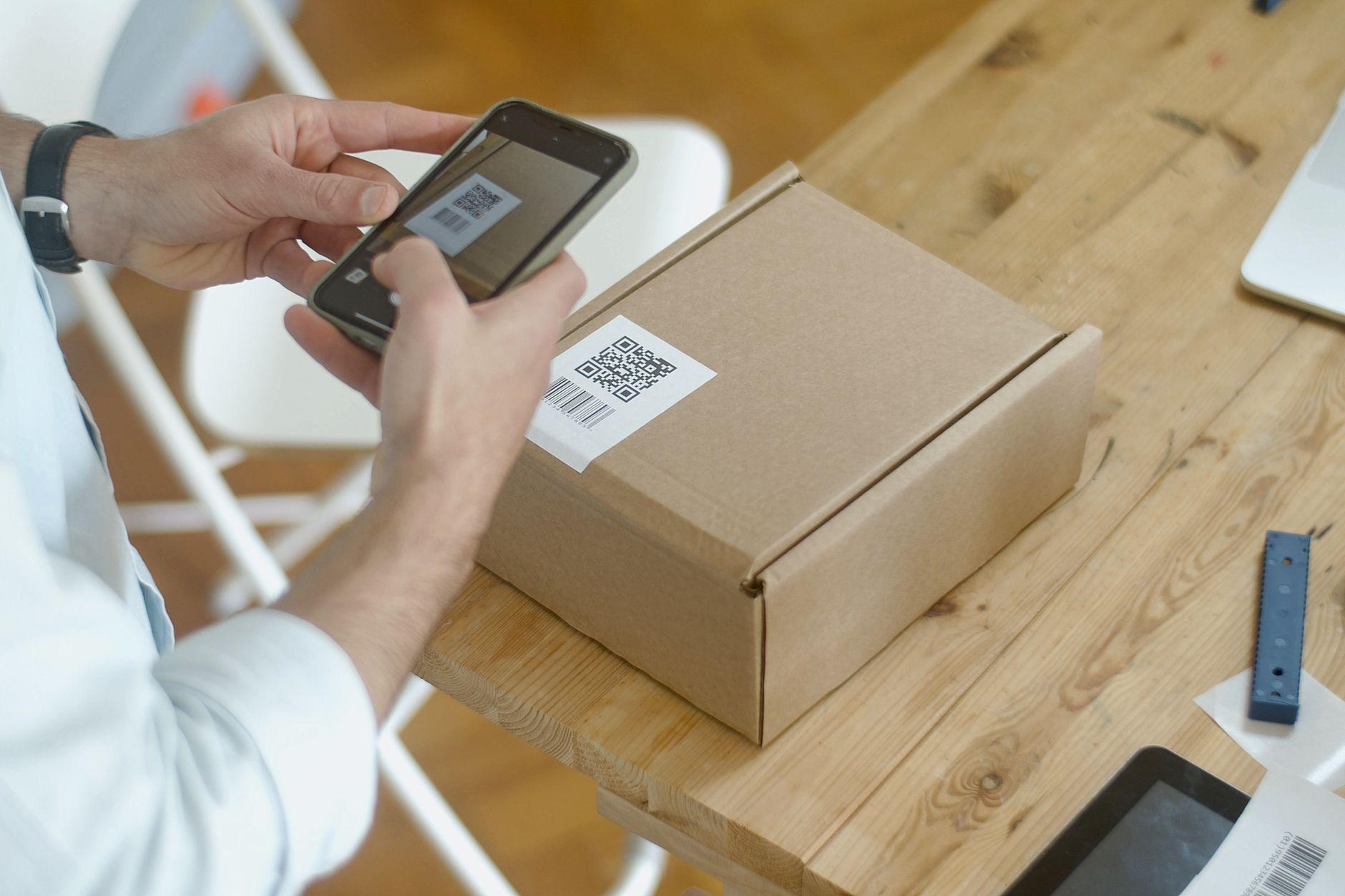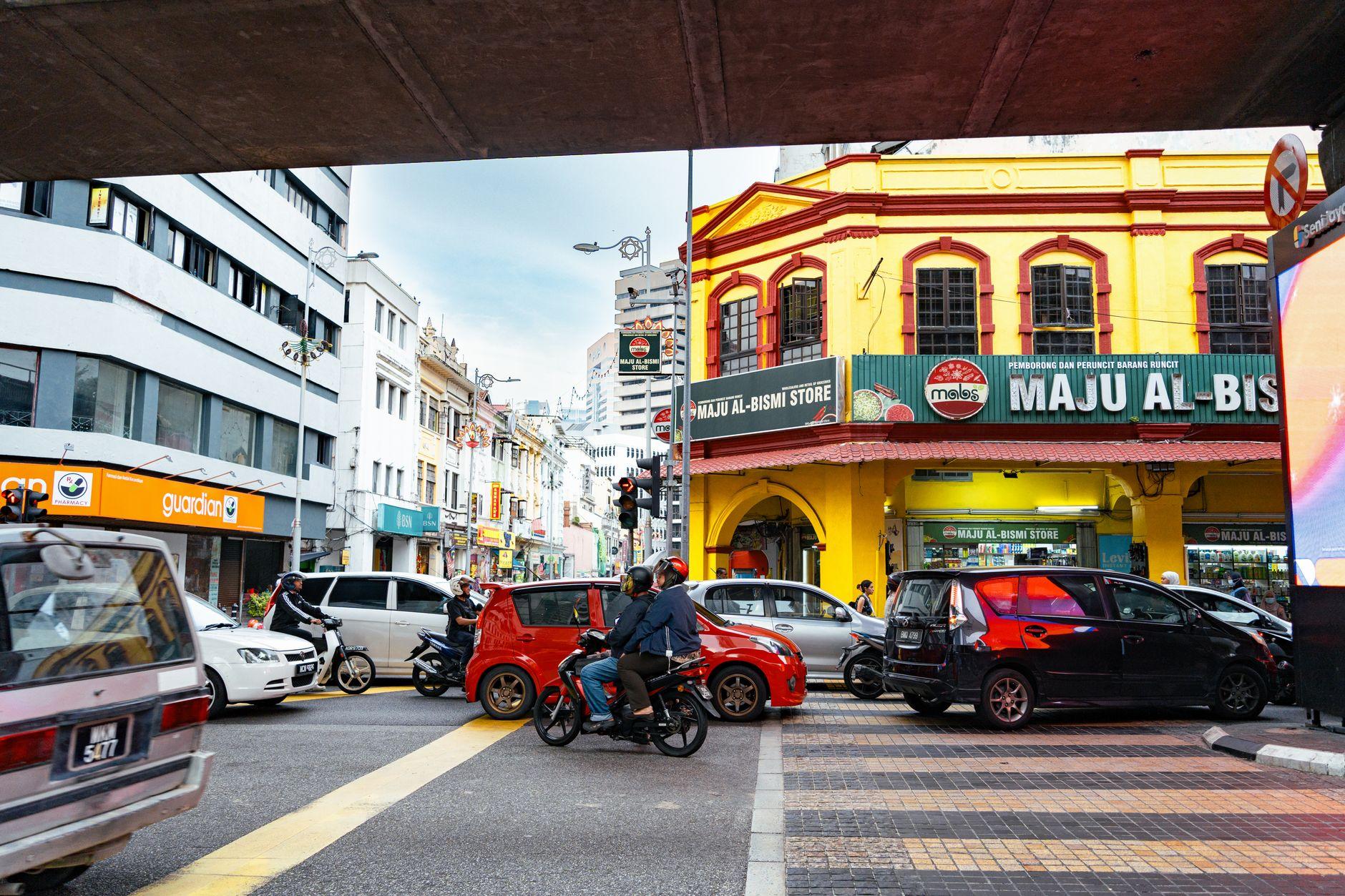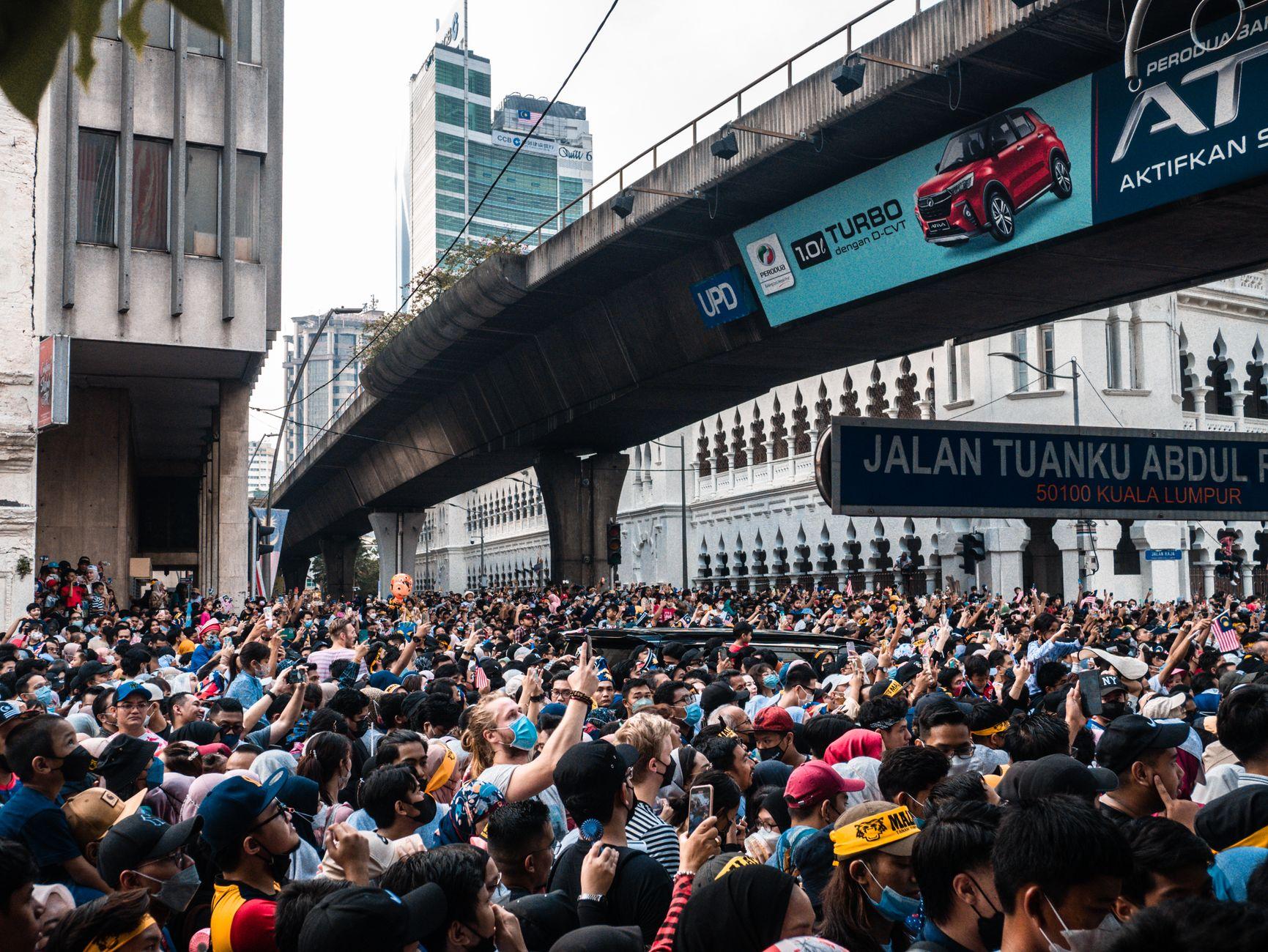

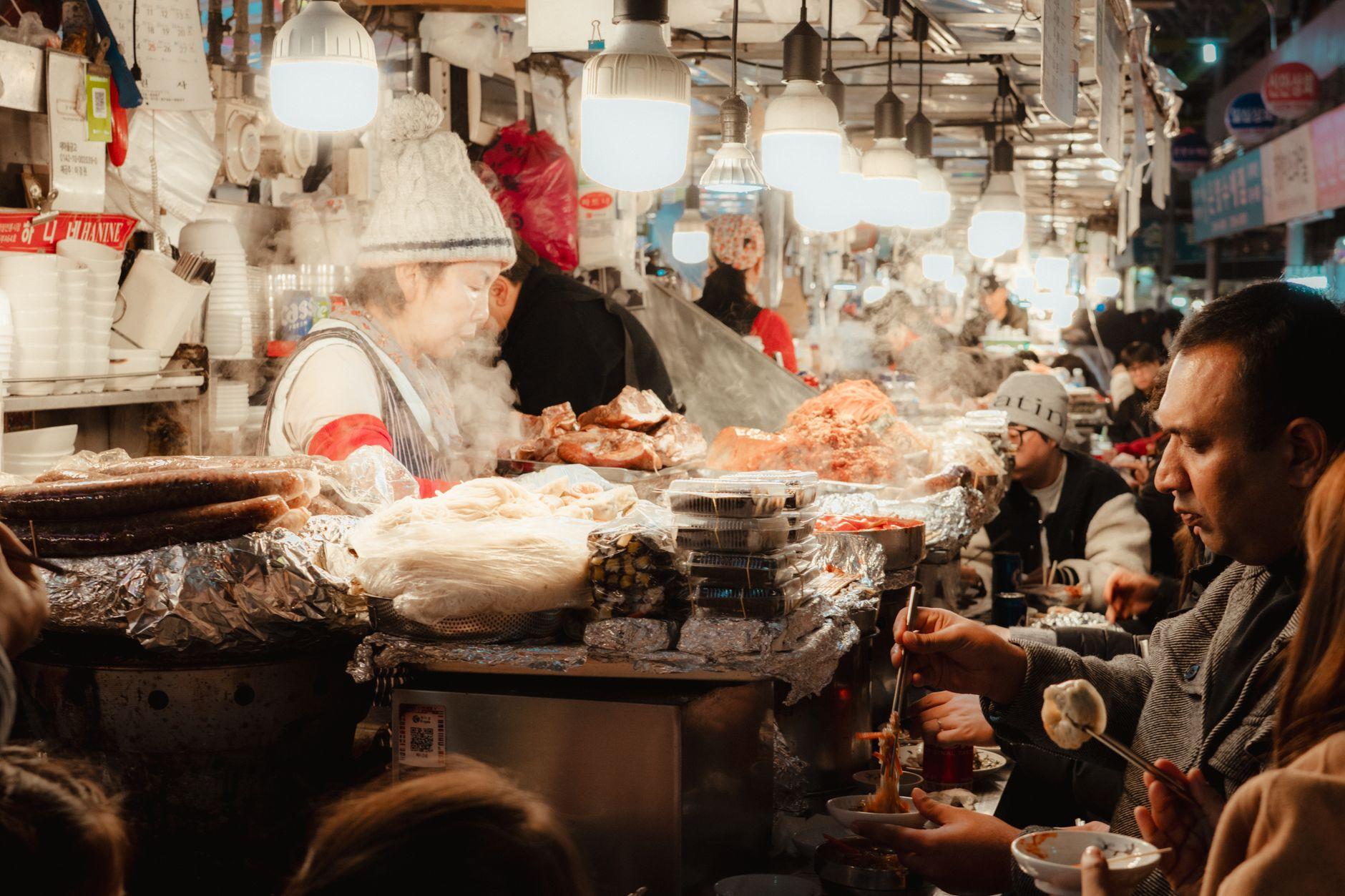
It's just past nine on a Friday night at Gwangjang Market, and the bindaetteok stall you've been circling for ten minutes finally has two open stools. You sit. The ajumma flips a mung bean pancake the size of a hubcap, slides it onto a paper plate, and nods at the little laminated sign taped to the counter. There's a QR code on it. There is no card terminal in sight, and when you hold up a 10,000 won note (the one you got from the airport ATM three days ago, your only cash), she waves it off with a look that says, politely, nobody does that anymore.
Welcome to South Korea, one of the most aggressively cashless societies on earth. Locals here pay for a 1,500 won coffee, a bus ride, and a late-night tteokbokki run without ever touching a bill. The catch for visitors is that the tools locals use were built for locals, and the door is not exactly open.
Why you can't just download what Koreans use
Two apps dominate daily spending in Korea: KakaoPay, built into the messaging app that essentially every Korean has, and Naver Pay, attached to the country's dominant search and shopping platform. Between them they cover street stalls, cafes, taxis, online shopping, bill splitting, basically all of modern Korean life.
Here's the wall you hit: both require Korean phone number verification tied to local identity checks, and realistically a Korean bank account to be useful. A tourist SIM won't get you through. An eSIM definitely won't. Expats who have gone through the full alien registration process can eventually set these up, but if you're in Korea for two weeks, two months, or even a year on certain visas, KakaoPay and Naver Pay are a club you're not getting into. Plenty of long-term foreigners in Seoul never manage it.
So the usual advice online splits into two camps: carry cash, or lean entirely on your foreign card. Both are worse options in Korea than almost anywhere else in Asia.
The foreign card paradox
Korea is genuinely card-friendly in one sense. Visa and Mastercard work at convenience stores (GS25, CU, 7-Eleven), chain cafes, department stores, big restaurants, and most taxis. If your trip is all Starbucks and Shinsegae, you may never notice a problem.
The gaps show up exactly where the good stuff is. The tiny kimbap shop with six seats. The pojangmacha tent serving soju and grilled skewers after midnight. The halmoni selling hotteok from a cart in Insadong. The vendor stalls at Namdaemun, Tongin, and Gwangjang markets. These places often take local payment only, meaning a Korean app or a Korean bank transfer, and they stopped keeping a cash float years ago because none of their regulars pay that way. A foreign Visa is as useful there as a traveler's cheque.
One more card trap worth knowing: when your foreign card does work at a larger merchant, the terminal may offer to charge you in your home currency instead of Korean won. Always choose won. That home-currency option is dynamic currency conversion, and it quietly bakes in a terrible rate. We've written about whether you can claw DCC charges back after the fact, and the short version is: it's painful, so just press the won button.
The QR code is the open door
Look closely at the counter of almost any small Korean merchant and you'll see it: a printed QR code, often a Zero Pay sticker (a government-backed QR standard adopted widely by small businesses), sometimes a code generated by the merchant's own payment setup. Locals scan it with their banking or wallet app, the money lands instantly, everyone moves on.
This is where visitors can actually join in. Moreta Pay exists for exactly this situation: you scan the same standard merchant QR code the locals scan, and the app shows you the amount, the merchant's name, and the exact FX rate before you confirm anything. Tap confirm, your wallet converts to won, the merchant gets paid on the spot, and the ajumma at Gwangjang hands over your pancake without the awkward cash dance.
No Korean phone number. No Korean bank account. No alien registration card. You fund the wallet from home, in your own currency, via a US bank connection, ACH, SEPA from Europe, UK Faster Payments, Canadian e-Transfer, or an international card. The verification wall that keeps you out of KakaoPay simply isn't part of the equation, because the app isn't pretending to be a Korean resident account. It's a traveler's key into the local QR ecosystem.
A full Seoul day, zero won notes
Here's how it plays out in practice once you're set up:
Morning. Transit still runs on T-money, so grab a T-money card once and top it up at any convenience store (that top-up is one of the few moments a card or small cash amount is handy, so do it early). Coffee at an independent cafe in Yeonnam-dong: scan the QR by the register, confirm in the app, done.
Lunch. A six-table gukbap place in Jongno with no card terminal. QR sticker on the wall. Scan, check the amount matches the handwritten bill, confirm. The owner's phone chimes before you've put yours away, which in Korea is the universal sound of a completed transaction.
Afternoon. Souvenir shopping at a market stall, same move. If a bigger shop takes your foreign card, use whichever you like, but choose won on the terminal, never dollars or euros.
Evening. Booking tomorrow's KTX side trip or a hotel in Busan on a platform like Trip.com or Agoda? QR-based online checkout works with the same wallet, so you're not re-entering card details on every site.
If you're staying longer, one quiet advantage of running your spending through a wallet instead of a physical card: your plastic can expire, get eaten by a machine, or get frozen by a nervous home bank, and your ability to pay doesn't die with it. We covered keeping a payment app funded when your home card expires mid-trip, and everything there applies doubly in a country this cashless.
Three habits that make you look local
Check the merchant name before confirming. The app shows it for a reason. At a crowded market with QR stickers every half meter, a two-second glance confirms you're paying the right stall.
Don't apologize for paying by phone. In Korea, scanning a code is the default, not the workaround. The person behind you in line is doing the same thing.
Keep one emergency bill, not a wallet full. A single 10,000 won note covers the rare edge case (a very old-school vendor, a temple donation box). Anything more is just weight.
Korea rewards people who pay the way Koreans pay: instantly, by phone, with no fumbling. You don't need a resident registration number to do it, you just need a wallet that speaks QR. Set up Moreta Pay before you land at Incheon and that bindaetteok is yours on the first try: get your wallet ready for Korea here.