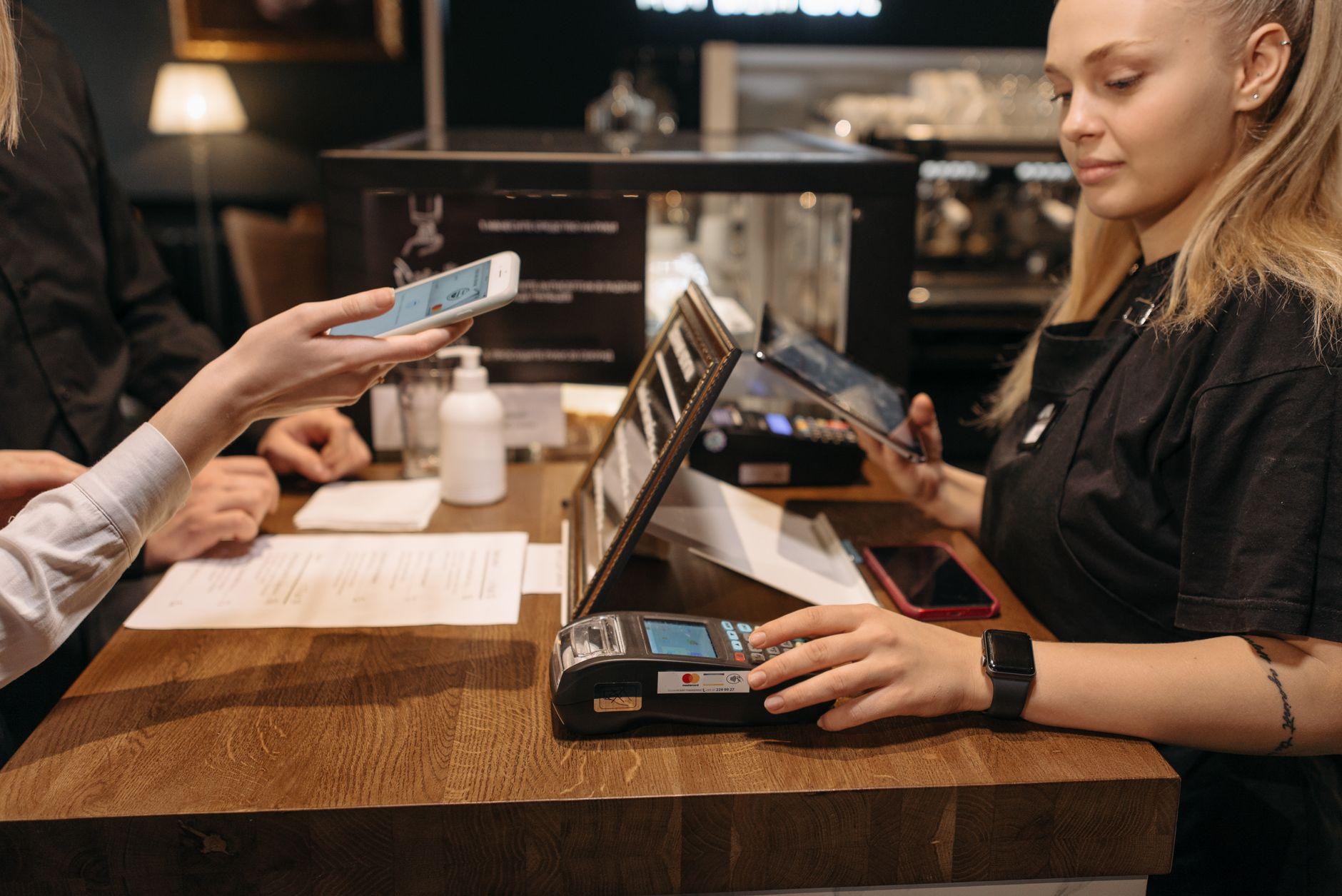

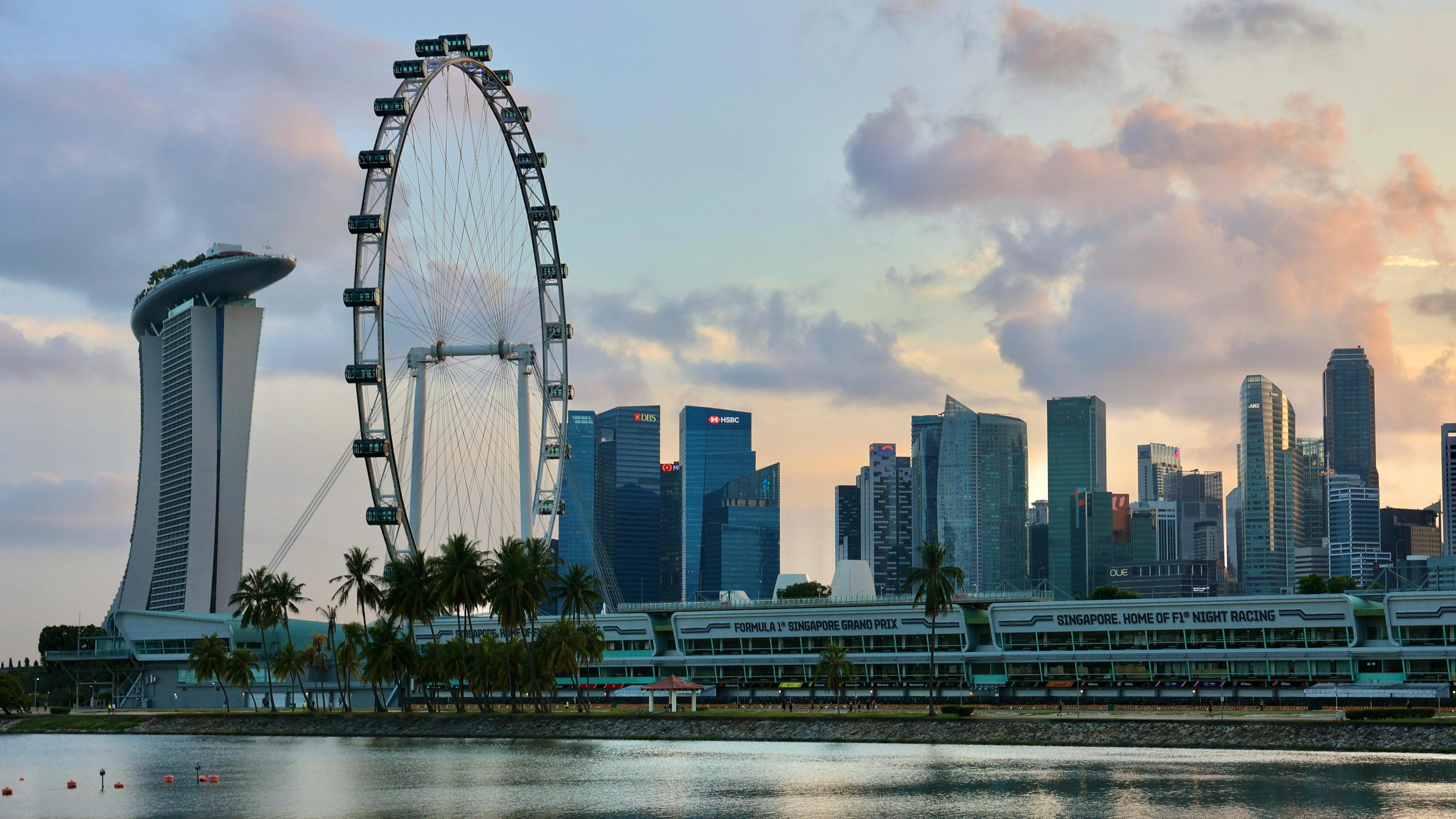
At a hawker stall on Bendemeer Road in Singapore, you scan a QR code with your regional travel wallet and nothing happens. Your DuitNow app works flawlessly in Malaysia's night markets. Your KHQR scanner opens every merchant's till in Cambodia. But here, the code sits inert. PayNow, the payment rail that roughly 80% of Singapore's consumers and businesses use daily, is largely closed off to foreign-issued wallets and cards. The barrier is not technical incompetence or oversight. It flows directly from Singapore's licensing structure under the Payment Services Act: foreign providers need a locally licensed intermediary before they can plug into PayNow at all. Moreta tracks these rail-by-rail access rules across Asia and Latin America because our wallet has to decide, market by market, whether direct QR access is technically and legally possible, and Singapore is one of the clearest examples of a market where it currently is not.
What is PayNow and why is it central to payments in Singapore?
PayNow is Singapore's bank-linked instant payment system, letting users send money by scanning a QR code or entering a phone number, NRIC, or UEN instead of a full bank account number. Around 5.5 million users are on it, and it sits on rails run through participating banks under the Association of Banks in Singapore and the Monetary Authority of Singapore. That scale is why PayNow has become the default way Singaporeans pay each other and, increasingly, small merchants: it is not one option among many, it is the rail most locals reach for first. Regulators have also been pushing PayNow toward greater interoperability domestically, with MAS and ABS's "Gen2" study exploring a single QR code that would work across more use cases in Singapore [fintechnews.sg]. That domestic consolidation effort is a separate project from opening PayNow to foreign wallets, and the two should not be confused.
Why can't foreign QR wallets connect to PayNow directly?
The barrier is licensing, not technology alone. Foreign digital wallet providers that want to let users pay into PayNow directly must operate through a locally licensed intermediary before they can access the network. That is a materially higher bar than plugging into an open API, and it is why you see cross-border QR interoperability rolled out government-to-government, like the linkage between Singapore's PayNow and Malaysia's DuitNow that launched in March 2023, rather than wallet-by-wallet [mas.gov.sg]. That linkage lets a Malaysian bank customer scan a PayNow QR code in Singapore through their own DuitNow-linked app, but it works because two central systems agreed to connect, not because any foreign wallet can self-serve access.
Layered on top of the licensing wall are real technical gaps. QR and data standards diverge between schemes, ISO 20022 message formats are implemented inconsistently across systems, and routing between different payment schemes has gaps that have to be closed pair by pair. This is why a regional wallet that already supports DuitNow in Malaysia, KHQR in Cambodia, or QR Ph in the Philippines cannot simply extend the same integration to Singapore. Each PayNow-style linkage is closer to building a dedicated bridge between two specific countries than adding a new lane to an existing highway.
How does this compare to how QR payments work in the rest of Southeast Asia?
Building on the licensing and technical picture above, the practical result is that Singapore behaves differently from most of its neighbors when it comes to QR payments. In Malaysia and Cambodia, QR standards allow a broader set of cross-border scan-to-pay arrangements because those specific national systems have been bridged [digitalinasia.com]. Singapore participates in some of these bilateral links, notably with Malaysia, but it has not opened PayNow broadly to third-party foreign wallets the way some other markets have leaned into merchant-facing QR acceptance. The result: Singapore's QR ecosystem is dense and heavily used domestically, but comparatively closed at the edges for wallets issued outside its licensed banking and payment institution structure.
What do travelers actually use to pay in Singapore instead?
Given that direct PayNow access is off the table for most foreign-issued wallets, the practical answer for visitors is a different set of rails entirely.
- Grab Pay Singapore. Grab's wallet is widely accepted for rides, food delivery, and a growing number of retail and hawker counters, and it works with an international card linked at signup, making it the closest thing to a local super-app for short-term visitors.
- Contactless card payments. Visa, Mastercard, American Express, and Discover are broadly accepted, and tap-to-pay is standard at most retail counters, MRT gates, and even many hawker stalls [pwc.com].
- Apple Pay and Google Pay. Both work anywhere that accepts contactless card payments, which in Singapore is close to universal outside of the smallest cash-only stalls.
- Currency exchange apps like Wise and Revolut. Wise converts at the mid-market rate with a transparent fee starting from 0.19% and no monthly charge, and is directly connected to Singapore's PayNow network, offering a QR scanner in its app that lets users scan and pay supported PayNow and NETS QR codes at merchants. Revolut offers fee-free exchange at the interbank rate on weekdays up to a monthly limit, then applies a 1% markup on weekends or once you exceed that limit, but does not offer that same native PayNow QR scanning.
For a traveler comparing this to a country where a wallet can scan the local QR directly, the difference is procedural. In Malaysia or Cambodia, you scan the merchant's code, see the merchant name and exact amount before confirming, and the payment settles instantly in ringgit or riel. In Singapore, unless you are using a wallet like Wise that connects to PayNow directly, you are typically routing through a card network's cross-border interchange instead.
What are the best Singapore travel money tips for a short visit?
Given all of the above, plan Singapore differently from a QR-first country. Bring one or two widely accepted cards (Visa or Mastercard, ideally with no foreign transaction fee), set up Grab Pay Singapore before you land so you are not scrambling at the airport, and load Apple Pay or Google Pay as a backup for contactless taps at convenience stores like 7-Eleven or Cheers. Decline dynamic currency conversion every time a card terminal or ATM offers to charge you in your home currency instead of Singapore dollars; always choose to be billed in SGD, since the terminal's own conversion rate is rarely competitive. Keep a small cash reserve, something in the range of a few tens of Singapore dollars in small notes, for hawker centers like Maxwell Food Centre or Tekka Market where some stalls still prefer cash, and for the occasional parking gantry or public toilet that does not take cards.
Frequently Asked Questions
Can I use PayNow as a tourist without a Singapore bank account?
Generally no. PayNow is tied to accounts at participating Singapore banks or e-wallets issued under a local license, so a foreign visitor without one of those accounts cannot send or receive through it directly.
Is Grab Pay the same as PayNow?
No. Grab Pay is Grab's own wallet, funded by a linked card, and separate from PayNow, which is the bank-linked instant transfer system used across Singapore's banks.
Does Moreta support QR payments in Singapore?
Not currently. Moreta's coverage is built country by country based on which local QR rails are technically and legally accessible to a foreign-licensed wallet, and Singapore's PayNow access requirements mean it is not part of Moreta's current market list.
Why did Malaysia's DuitNow connect to PayNow but other countries haven't?
That link was a bilateral government-to-government project between MAS and Malaysia's central bank, built specifically to bridge those two national systems, rather than a general opening of PayNow to any outside wallet [mas.gov.sg].
Is it cheaper to use a card or exchange cash for a Singapore trip?
For most travelers, a low-fee card or a service like Wise, converting at the mid-market rate with a small transparent fee, works out cheaper than airport currency exchange counters or standard ATM withdrawals with foreign transaction fees.
About Moreta
Moreta Global Inc. is a Delaware corporation, a FinCEN-registered Money Services Business, and a Y Combinator-backed company that built a wallet for travelers who want to pay through local QR rails instead of relying on cash or foreign card conversion. Across markets including Malaysia's DuitNow, Cambodia's KHQR, Brazil's Pix, and a growing list of others, Moreta lets users top up from a home bank or card, scan the same QR code a local would use, and see the merchant name, amount, and exact exchange rate before confirming. Singapore's PayNow sits outside that footprint today because of the market's specific licensing structure, but Moreta's approach in every supported country is the same: connect directly to the rail locals actually use, not a workaround. If you are planning travel across Southeast Asia or Latin America and want to know exactly which local QR networks you can access, visit Moreta to check current country coverage.