
Travelers headed to South Korea tend to ask the same handful of questions, usually in a mild panic the week before the flight. The country is famously cashless, its two dominant wallets famously will not let foreigners in, and advice online contradicts itself constantly. So here are the actual questions, answered directly, with the detail that matters.
Is South Korea really as cashless as people say?
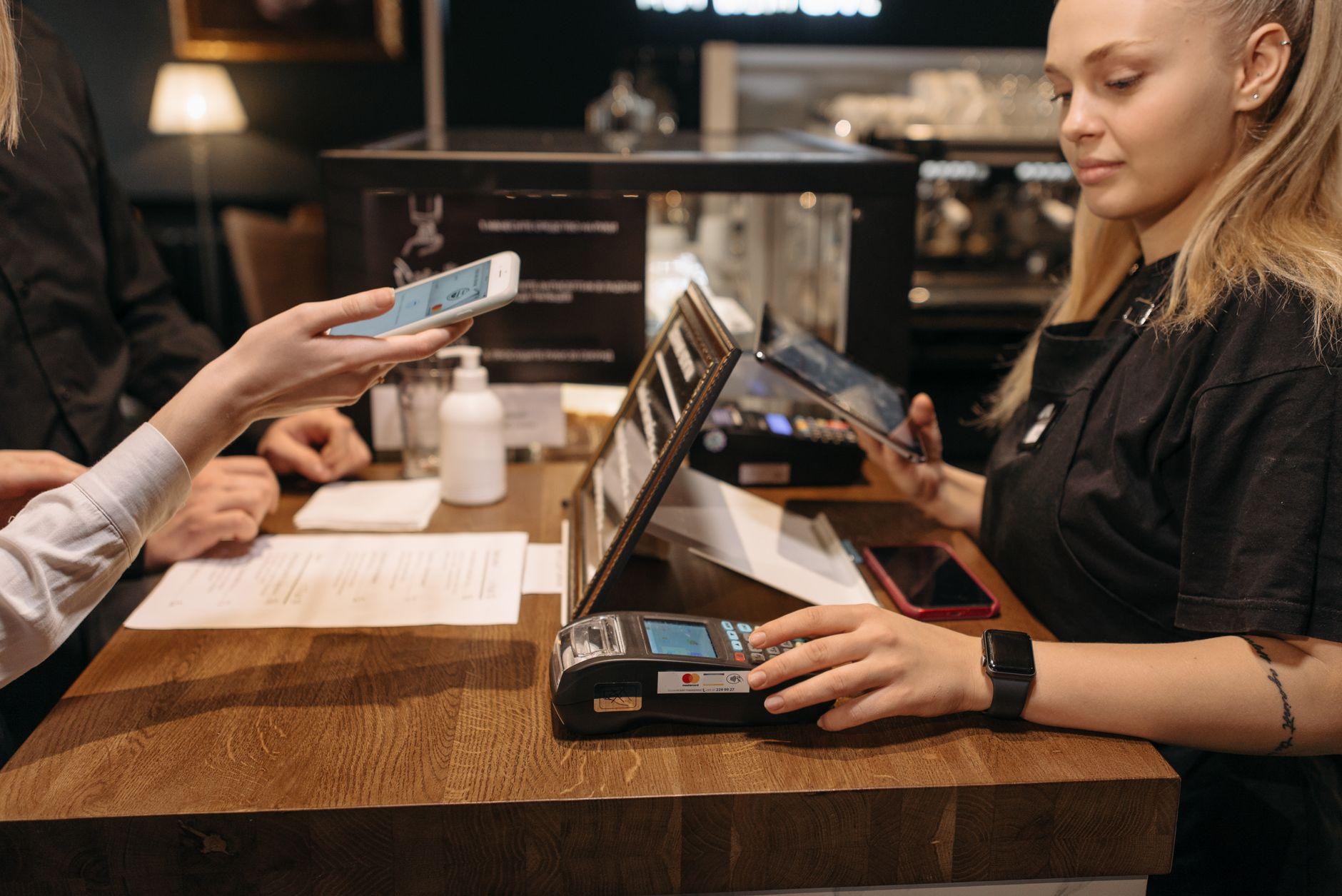
Yes, and more than most first-time visitors expect. Locals pay for nearly everything with a phone or a card: the morning americano, the convenience store kimbap, the late-night fried chicken delivery. KakaoPay and Naver Pay are woven into daily life, and even older merchants who once insisted on cash have largely moved on. You can still spend Korean won in paper form, but you will often be the only person in the shop doing it, and some newer cafes in Seoul operate with no cash drawer at all.
Will my foreign credit card work?
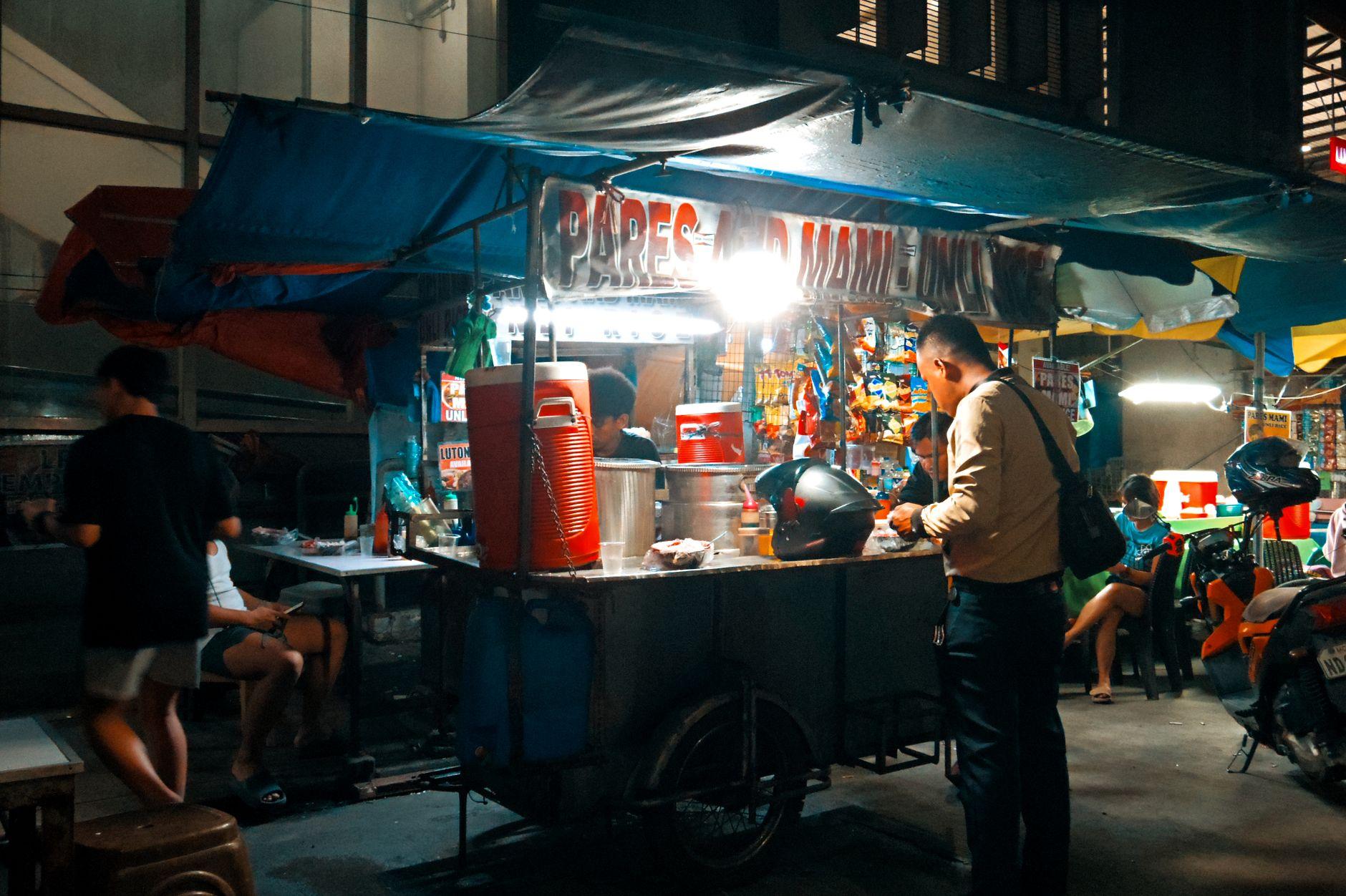
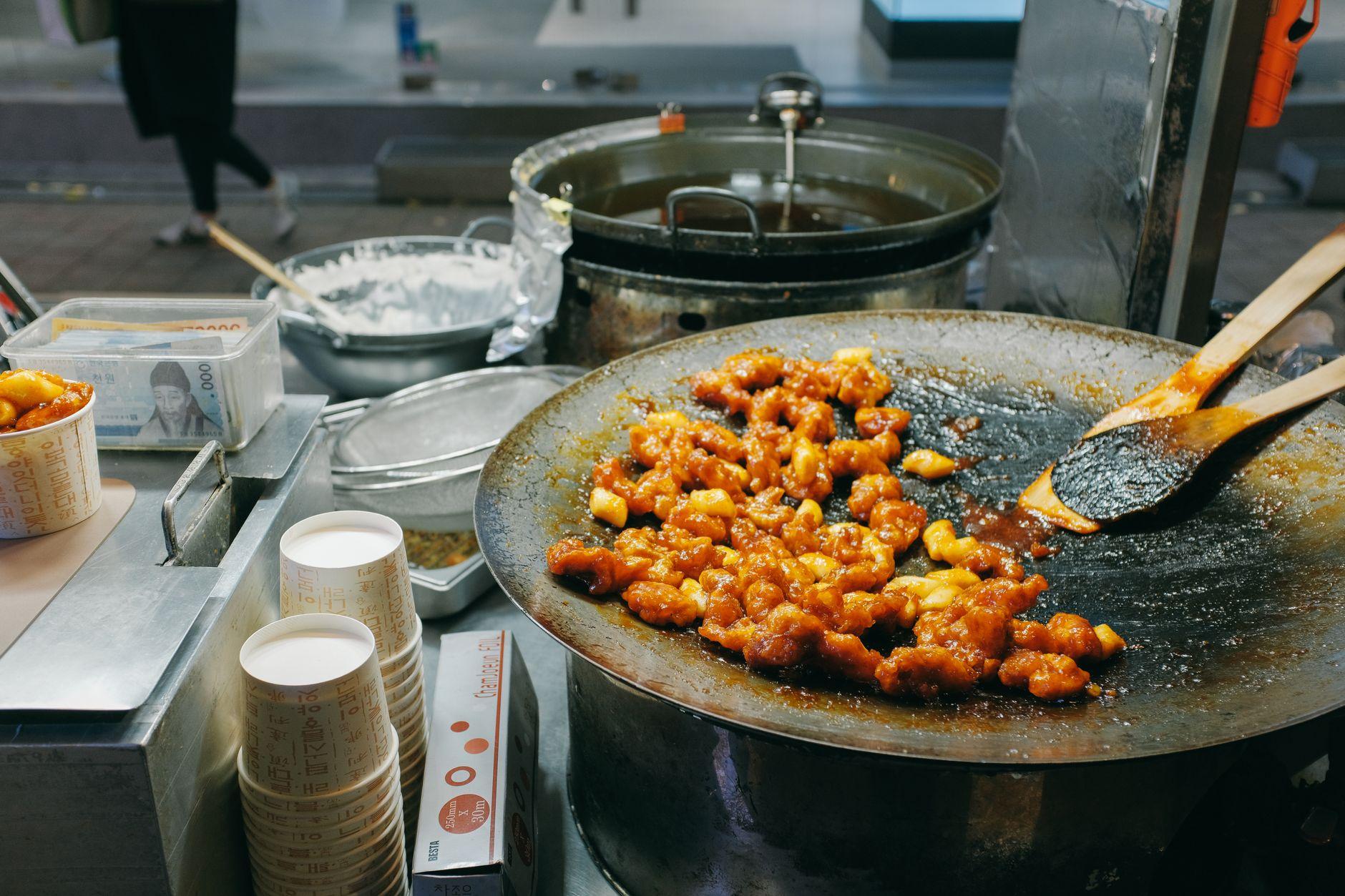
In a lot of places, yes. Chain coffee shops, department stores, CU and GS25 convenience stores, larger restaurants, and most hotels will take an international Visa or Mastercard without drama. The gaps appear exactly where the best eating happens: the tiny six-seat gimbap joint, the ajumma grilling skewers in Gwangjang Market, the tent bar (pojangmacha) that materializes on the sidewalk at 9pm. Those spots often run on local payments, and a foreign card gets you a polite shake of the head. Add the usual foreign transaction fees many home banks charge, plus the occasional dynamic currency conversion trap, and a card-only strategy starts to feel both leaky and incomplete.
Can I just download KakaoPay or Naver Pay?
Almost certainly not. Both require verification with a Korean phone number, and realistically a Korean identity and bank relationship behind it. This is the single biggest surprise for visitors: the apps that run the entire country are closed to you as a short-term guest. Even long-term residents hit this wall, which is why we wrote a separate payments playbook for expats living in Korea without a Korean bank. As a traveler, do not waste your first jetlagged evening fighting the signup flow. It will not let you through.
So how do I pay at the QR-only places?
This is where Moreta Pay earns its spot on your home screen. Instead of asking you to join a Korean wallet, it lets you scan the same local QR codes the merchant already displays. You scan, the app shows you the amount, the FX rate, and the merchant's name in plain terms, and you confirm. Your wallet converts from your home currency and the merchant is paid instantly in won. No Korean phone number, no Korean bank account, no guessing what the conversion actually cost you. You top up the wallet before or during the trip from your home bank (US bank connection via Plaid, ACH, SEPA in Europe, UK Faster Payments, Canadian e-Transfer) or from an international card, in your own currency. It is the same approach that works with PromptPay in Thailand, applied to Korea's QR ecosystem.
Do I still need a T-money card for the subway?
Yes, and it is worth getting one within your first hour in the country. T-money is the transit card that covers the subway and buses in Seoul and most other cities, and it also works in taxis and at convenience store registers. Pick one up at any convenience store at Incheon Airport or in town, load some value onto it, and you are mobile. One practical note: the top-up machines inside subway stations frequently want cash, so this is one of the few genuine reasons to carry a bit of won.
Should I carry any cash at all, then?
A small cushion, not a wad. Won is useful for topping up T-money, for the occasional elderly street vendor, for temple donation boxes, and for rural stretches of Gangwon or Jeolla where payment habits lag a few years behind Seoul. What you want to avoid is the old-school traveler pattern of pulling out large amounts at the airport, paying withdrawal fees, and then nursing a brick of banknotes nobody really wants to handle. In 2026 Korea, cash is the backup plan, not the plan.
What does a normal day actually look like?
Something like this. Morning: tap T-money onto the subway, pay for coffee at a chain with either your foreign card or a QR scan. Lunch: a backstreet naengmyeon place with a QR code taped by the register, scanned and settled through Moreta Pay in seconds while the locals pay with Kakao. Afternoon: a traditional market where the dried seaweed stall takes QR and the mandu lady next door takes QR, and suddenly you are glad you are not rationing cash. Evening: Korean BBQ where the card terminal works fine, then a convenience store beer run paid however you feel like. The point is not that one method wins every time. The point is that with a card, a T-money card, pocket change, and a QR wallet that actually admits foreigners, nothing in your day requires a Korean bank account.
Can I use this for online bookings too?
If you are piecing together the rest of your trip on platforms like Trip.com or Agoda, Moreta Pay also handles QR-based online payments there, which keeps your travel spending in one wallet with the exchange rate shown before every confirmation instead of scattered across card statements you will decode weeks later.
What should I set up before the flight?
Three things. First, tell your home bank you are traveling so your card does not get frozen mid-dinner. Second, get your wallet funded while you are still on home Wi-Fi, so your first payment in Korea is a scan rather than a setup session. Third, screenshot nothing and memorize nothing, because the flow is genuinely simple: scan the code, check the merchant name and rate, confirm. Korea built one of the smoothest payment cultures on earth and then locked the front door to visitors. Set up Moreta Pay before you board, and you walk in through the side entrance with everyone else already inside.