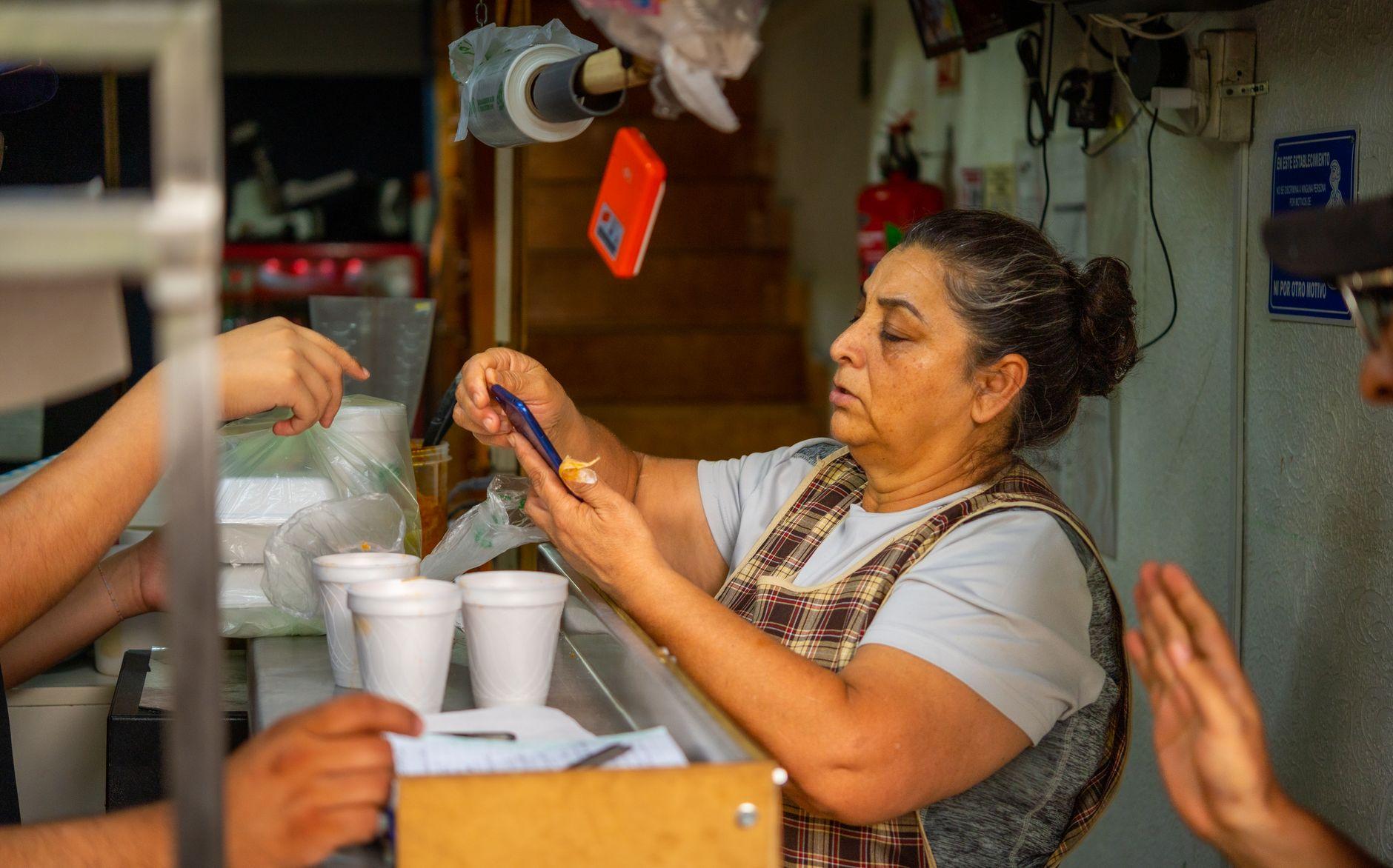

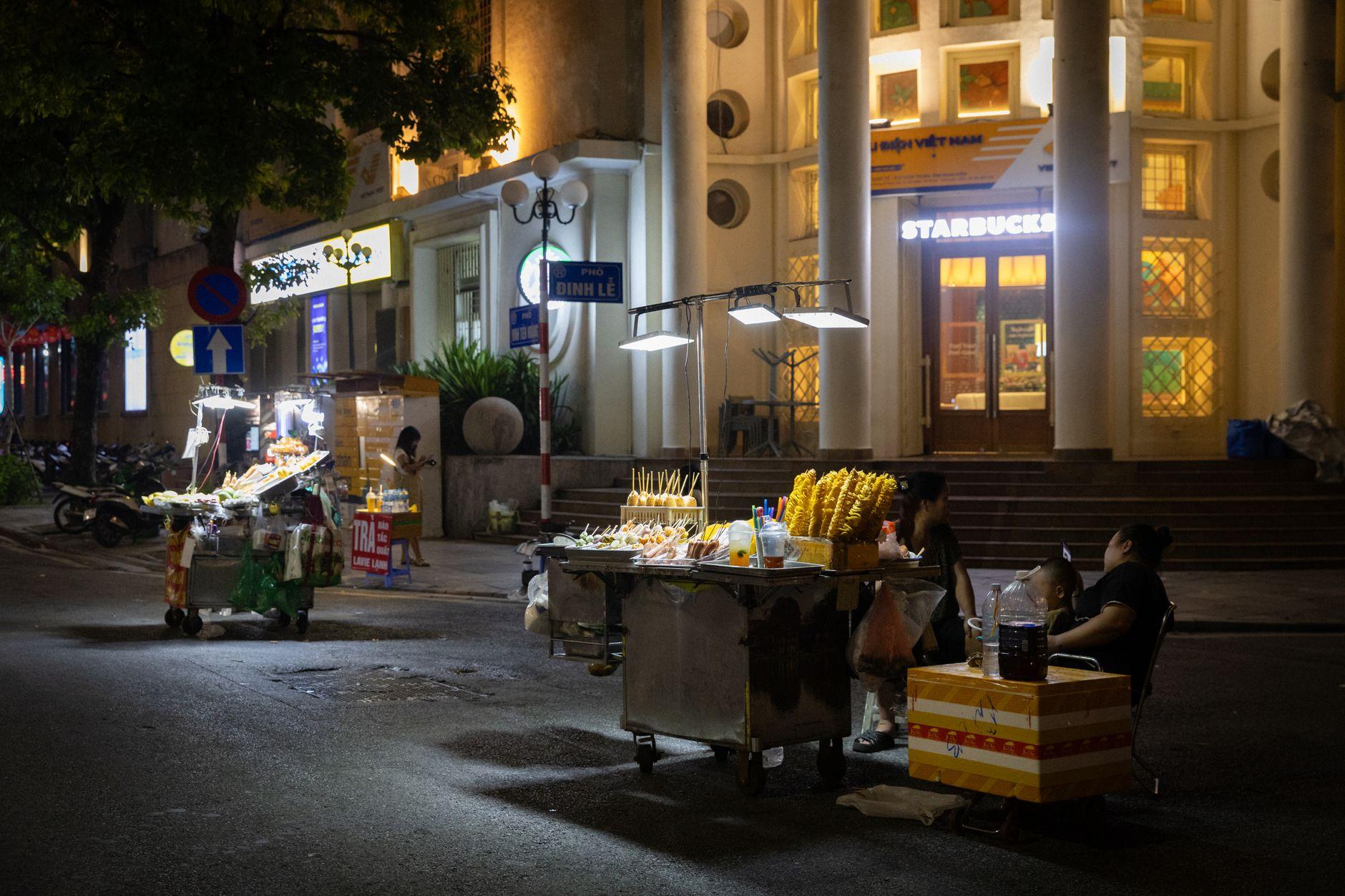
Spend a week working out of Da Nang or Hanoi and you will notice something taped, clipped, or zip-tied to almost every point of sale: a laminated square of paper with a QR code on it. The banh mi cart has one. The ca phe sua da stall has one. The laundry shop, the fruit lady, the barber with two chairs, all of them. This is VietQR, the standardized QR format that Vietnamese banks and wallets all read, and it has quietly become the way locals settle small purchases. The vendor glances at their phone, hears the payment notification chime, and hands over your coffee.
For a digital nomad planning a month or three in Vietnam, the practical question is simple: how do you join that flow? You have four realistic options, and each one behaves differently once you leave the hotel lobby. Here is an honest weighing of all of them.
Cash: still everywhere, still annoying
Vietnamese dong in hand works at literally every vendor in the country. Nobody will refuse it, and for a nomad that reliability matters. Street food, motorbike taxis you flag down in person, a bottle of water from a corner shop in a small town, cash handles all of it without a second thought.
The downsides stack up with time, though. Dong denominations run into the hundreds of thousands, so your wallet fills with notes that look confusingly similar (the 20,000 and 500,000 notes have tripped up more than one tired arrival at midnight). You are making regular ATM runs, and those withdrawals often get charged twice, once by the local machine operator and once by your home bank. Vendors at a street stall may struggle to break a large note early in the morning. And over a long stay, your spending record becomes a blur of withdrawals with no itemization, which makes tracking a monthly budget genuinely harder.
Cash wins when: you are far off the tourist trail, buying from the rare vendor without a QR code, or keeping an emergency reserve.
Cash loses when: you are living somewhere for weeks and every purchase means counting zeroes and hunting for change.
Your foreign card: fine in the mall, useless at the market
Visa and Mastercard from your home country will work in Vietnam, but in a narrow band of places: international hotel chains, big malls in Ho Chi Minh City and Hanoi, upscale restaurants, some larger supermarkets. Step outside that band and acceptance drops off a cliff. The coworking cafe might take a card. The pho place next door almost certainly will not. Smaller guesthouses often quote one price for transfer or cash and quietly add a surcharge if you insist on tapping a card, when they accept one at all.
Even where cards work, you are often exposed to foreign transaction fees from your issuer and the occasional dynamic currency conversion prompt asking if you would like to pay in your home currency (you would not, the rate is worse).
Cards win when: you are booking hotels, paying for a mall purchase, or need a backup that lives in your pocket.
Cards lose when: you are doing the actual daily spending that makes up most of a nomad's life in Vietnam.
A local wallet or bank app: the local answer, with a catch
Locals pay through their bank apps (Vietcombank, Techcombank, MB Bank, and others) or through wallets like MoMo and ZaloPay, all of which scan the same VietQR codes. If you could set one up, you would be paying exactly like a resident.
The catch is the setup. These apps are built for people with a Vietnamese bank account and a Vietnamese phone number, and opening a local bank account as a short-stay foreigner ranges from bureaucratic to impossible depending on your visa situation. For an expat settling in on a long-term visa with local employment, this route is worth the paperwork. For a nomad on a few-month stay, it usually is not available at all, and even partial workarounds leave you with a wallet you cannot easily top up or close out when you leave.
Local wallets win when: you are a genuine long-term expat with the residency status to open a bank account.
Local wallets lose when: you are mobile, visa-limited, or not interested in spending your first week in-country doing bank branch visits.
Scanning VietQR without the Vietnamese bank
This is the gap that a travel wallet like Moreta Pay fills. You fund the wallet from your home bank (US bank via Plaid or ACH, SEPA in Europe, UK Faster Payments, Canadian e-Transfer) or an international card, in your own currency, before or during the trip. Then you scan the same laminated VietQR code the local in front of you just scanned. The app shows the amount, the exchange rate, and the merchant name before you confirm, the wallet converts to dong, and the vendor's phone chimes the same way it does for everyone else.
The honest pros: no Vietnamese bank account, no cash counting, no hidden foreign transaction fees, and you see the FX rate before every payment rather than discovering it on a statement later. It also covers QR-based online checkout on platforms like Shopee, Lazada, and Agoda, which matters more than you expect once you start ordering household things to an apartment in Da Nang.
The honest cons: it requires the vendor to have a QR code (most do, but not all, especially in rural areas), and it requires your phone to have battery and signal. Neither is a reason to skip it, but both are reasons not to carry zero cash.
A realistic day, paid four ways
Map the options onto an actual nomad day and the pattern becomes obvious. Morning coffee at a street stall: QR or cash, never card. Lunch at a local com binh dan place: QR or cash. Afternoon at a coworking space or cafe: QR, sometimes card. Grab ride across town: in-app, or cash to the driver. Groceries at a mid-size shop: QR or cash, card only at the big chains. Evening beers on plastic stools: QR or cash. A weekend hotel booked on Agoda: QR checkout or card.
Notice what appears in every single line: the QR code. Cash appears almost as often, but as the fallback rather than the preference, because vendors increasingly like the chime more than the change-making. The foreign card shows up twice. The local bank app would cover everything the QR column covers, if you could get one.
So the setup that emerges for most nomads is not one method but a simple stack: a QR-capable wallet like Moreta Pay as the daily driver, a modest cash reserve for the exceptions, and the foreign card for hotels and emergencies. If you want a fuller argument for structuring your money that way, we have written before about splitting travel funds across layers as a deliberate backup system.
Set it up before the first banh mi
The best time to sort this out is before you land, when your home bank connection is easy to verify and you are not standing hungry in front of a cart at 7am. Load a wallet in your own currency, land in Vietnam, and scan the first laminated code you see. Get Moreta Pay ready before your flight and the entire VietQR ecosystem opens up from day one.