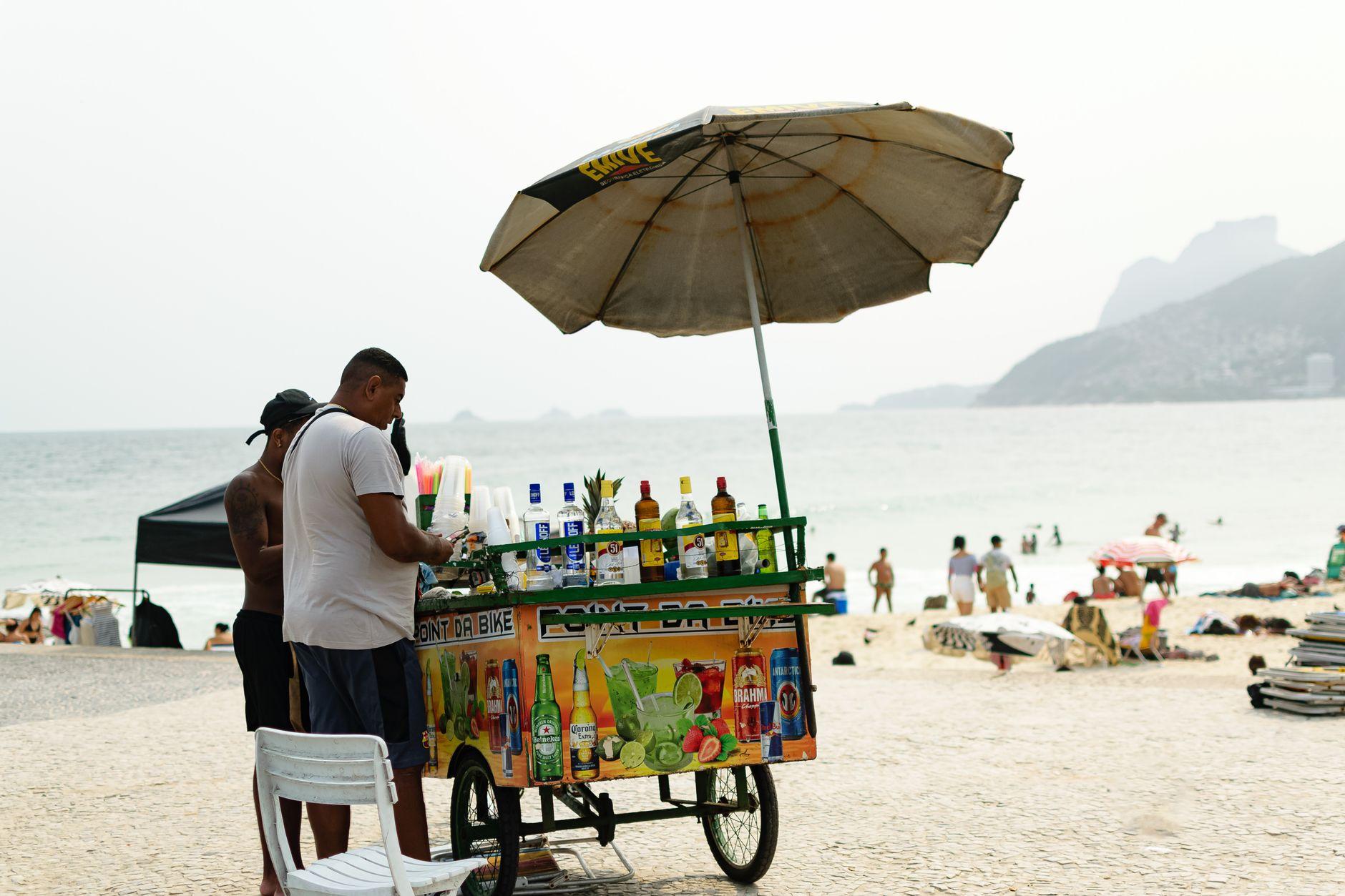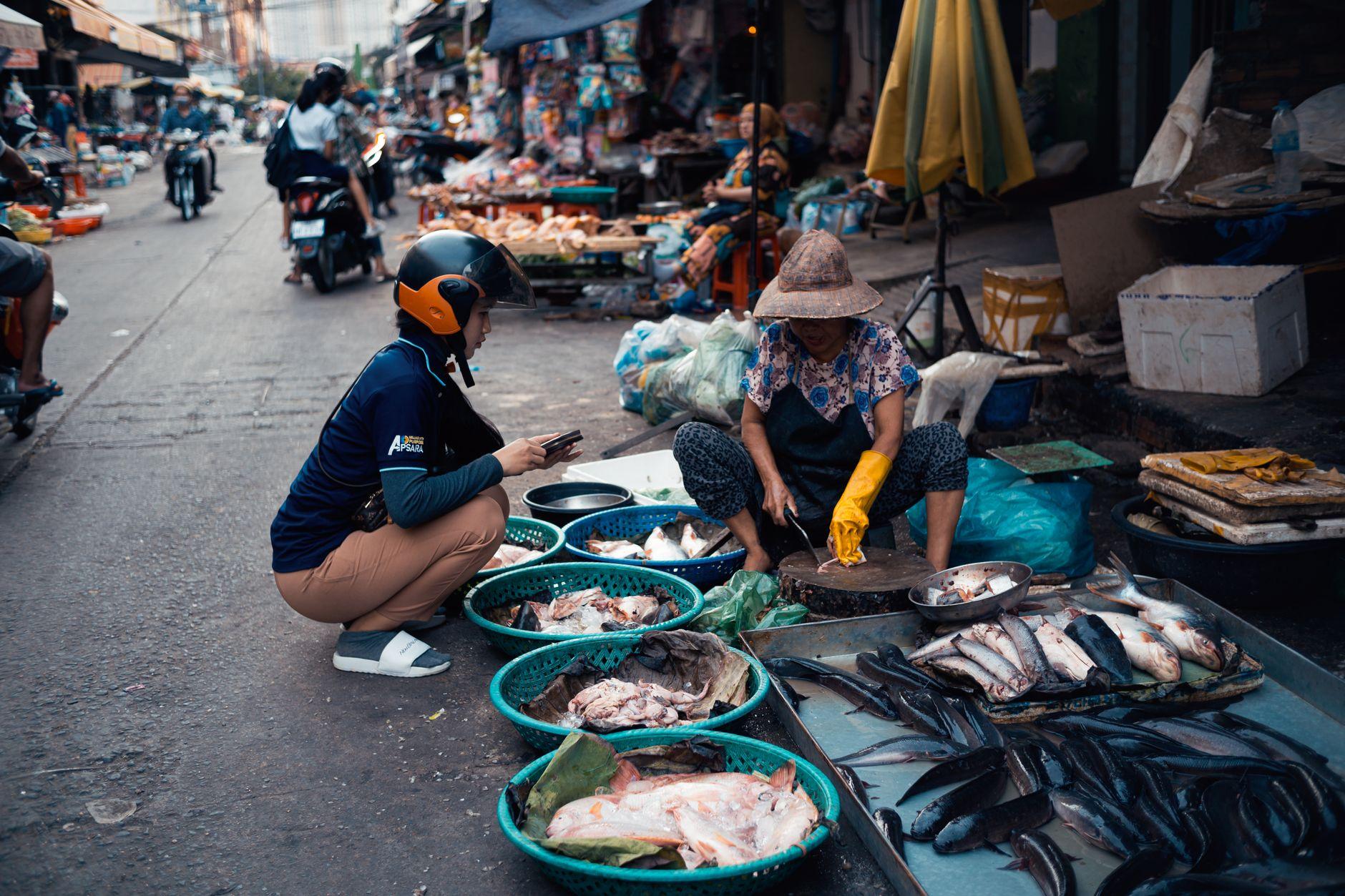

You're standing at a night market counter in Kuala Lumpur, or outside a Buenos Aires plaza café, or anywhere between-and you reach for your wallet and find an empty pocket. The next twenty minutes matter more than the next twenty-four hours: cancel your cards before the thief does, file a police report while the details are fresh, and know exactly which embassy or consulate to call for a replacement passport. The country you're in changes small details, but the sequence of actions, cards first, police second, embassy third, local payment access fourth, stays the same everywhere from Kuala Lumpur to Bogotá.
What should you do in the first ten minutes after your wallet is stolen?
The first ten minutes are about damage control, not detective work. Call your bank's international line to freeze or cancel every card that was in the wallet, and do it before you do anything else, including calling the police. Consumer liability protections reward speed: under the US Electronic Fund Transfer Act, your liability for unauthorized debit card use is capped at $50 if you report the loss within two business days, and it climbs sharply after that. Similar protections exist across the EU and most major card networks. Neither of those rules cares how upset you are or how far you are from home. They care about the timestamp on your call.
Once the cards are frozen, move your phone to airplane mode briefly if you suspect the wallet had any physical notes with PINs or passwords, then turn it back on and change your banking app passwords from a device you trust. If the wallet held your passport, that becomes your next priority, covered below.
Do you need a police report if your wallet is stolen abroad?
Yes, and you need it even if you never expect to see your belongings again. A police report gives you an official record with a date, time, and description of what was taken, which most travel insurance policies require before they'll pay out a claim. Report to the local police as soon as you're safe, either at a station or, in some countries, through a tourist police hotline that many cities maintain specifically for these situations. Get a copy of the report or at least the report number before you leave the station. If your passport was stolen, some embassies also want this document as part of the replacement process.
Building on the urgency of that first report, a related but distinct question is what to do if the wallet held more than cash and cards, specifically if it had your passport.
What do you do if your passport was stolen abroad?
A stolen passport abroad means you cannot fly home or, in some countries, even check into a hotel until you've replaced it, so this becomes your second call after the police. Contact the nearest embassy or consulate immediately; many have emergency lines or procedures specifically for lost or stolen passports. You will typically need your police report, a passport photo, and proof of citizenship such as a copy of your passport's photo page, which is why travel guides consistently recommend keeping a scanned copy in your email or a cloud drive before you ever leave home. Consular officers can often issue an emergency travel document faster than a full passport replacement, which is often enough to get you home.
Avoid confronting anyone who you believe stole your wallet or passport. Move to a safe, populated location first, then report. A financial loss should not become a physical one.
How does the recovery plan differ by country?
The core steps (cards, police, embassy) don't change by country, but the logistics around each one do. Here's how the pieces shift depending on where you are:
| Region | Police reporting | Embassy access | Local cashless backup |
|---|---|---|---|
| Southeast Asia (Vietnam, Malaysia, Cambodia, Philippines) | Tourist police units exist in major cities and tourist zones | Most capitals have a full embassy; smaller cities may require travel | National QR standards like DuitNow QR (Malaysia) or KHQR (Cambodia) are used by nearly every merchant |
| Latin America (Brazil, Colombia, Peru, Argentina, Bolivia) | Local police stations (comisarías) handle reports; some tourist areas have dedicated units | Consulates are common in major cities like São Paulo, Bogotá, Lima | Pix payment in Brazil is instant, bank-to-bank, and used at everything from street food carts to pharmacies |
| East Asia (South Korea, China, Mongolia) | Police reporting is centralized and generally efficient | Embassy access concentrated in capital cities | Local wallets (Seoul Pay, WeChat Pay/Weixin Pay, QPay) dominate daily transactions |
The common thread: in every one of these markets, the local payment system does not care about your stolen Visa card. It runs on a national QR standard or bank-linked rail, and if you can't scan into that system, you're stuck relying on cash you may not have.
How do you keep paying while your cards are cancelled?
This is where most people underestimate the gap. Cancelling your cards is the right move, but it can leave you with zero way to pay for a hotel, a meal, or a taxi back to your accommodation while a replacement card ships, which can take days depending on your bank and location. An international money transfer app that isn't tied to the physical wallet you lost becomes the practical bridge. Moreta works this way by design: it's a digital wallet you top up from a home bank account or card, and you use it to scan the same local QR code every merchant already accepts, whether that's KHQR in Phnom Penh or Pix payment in Brazil. You see the merchant name, the amount, and the exact exchange rate before you confirm, and the merchant gets paid instantly in local currency. Because the wallet lives on your phone and is protected by its own login, losing a physical card or cash doesn't touch it.
If your phone itself is what's stolen, a separate payment method on a different device still works. That's a different risk profile than a wallet full of physical cards, where the only defense is how fast you can make a phone call.
What if the fraudulent charges already went through?
If charges post before your cancellation takes effect, dispute them directly with your card issuer. Visa and Mastercard generally allow 120 days from the transaction date to file a dispute for fraudulent charges. Submit the dispute resolution form your bank provides, reference your police report number if you have one, and keep a written log of the date and time you first reported the card stolen. That timestamp is often the deciding factor in whether a disputed charge gets reversed.
Frequently Asked Questions
How fast do I need to cancel my cards after my wallet is stolen?
Cancel within minutes. US liability caps under the Electronic Fund Transfer Act depend on reporting within two business days, and delays beyond that sharply increase what you owe.
Do I need a police report to file a travel insurance claim?
In most cases, yes. Insurers typically require an official police report documenting the theft before they'll process a claim.
What should I do if my passport was in the stolen wallet?
Contact the nearest embassy or consulate the same day, bring your police report and any photo ID or scanned passport copy you have, and ask about emergency travel documents if you need to fly soon.
Can I still pay for things while my bank cards are frozen?
Yes, if you have a separate payment method not tied to the stolen wallet, such as a mobile wallet app funded from a home account.
How long do I have to dispute a fraudulent card charge?
Visa and Mastercard generally allow 120 days from the transaction date to file a dispute.
Should I try to get my wallet back myself?
No. Move to a safe location and report to police rather than confronting anyone you suspect of the theft.
Is Pix payment in Brazil something I can use without a Brazilian bank account?
Pix itself is built around Brazilian bank accounts, but wallets like Moreta let you scan the same Pix QR codes merchants already use, funded from your home account instead.
About Moreta
Moreta Global Inc. is a Delaware corporation, a FinCEN-registered Money Services Business, and Y Combinator-backed. The company built its wallet specifically for travelers who need to pay like a local in markets including Malaysia, Cambodia, Brazil, China, Vietnam, the Philippines, Laos, South Korea, Mongolia, Peru, Colombia, Argentina, and Bolivia, without relying on cash withdrawals or a single physical card. For travelers who've been burned once by a lost wallet abroad, having a payment method separate from your physical belongings is the core benefit.
If you're planning a trip and want a backup that doesn't depend on carrying cash or a stack of cards, learn more at Moreta.