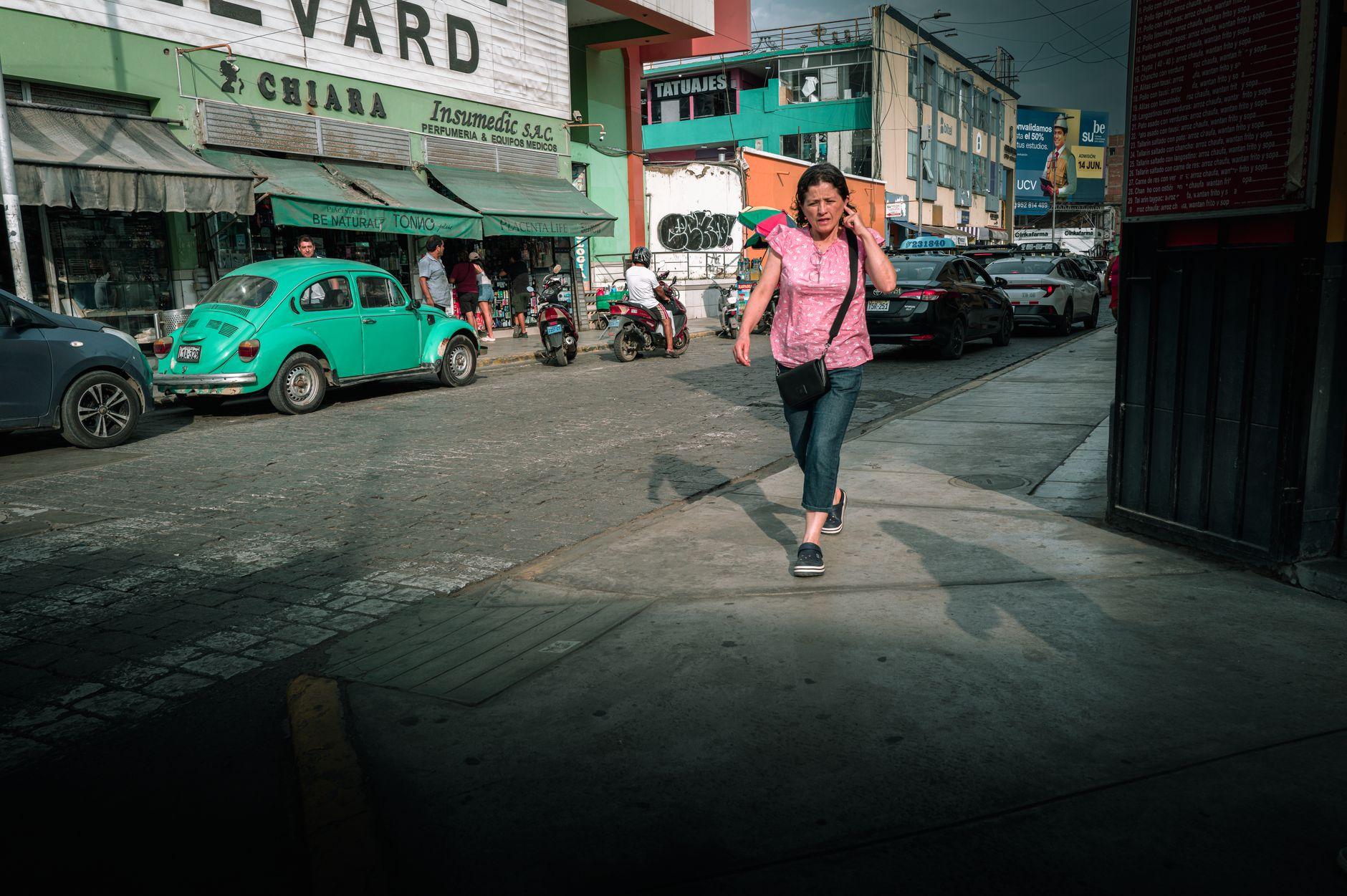

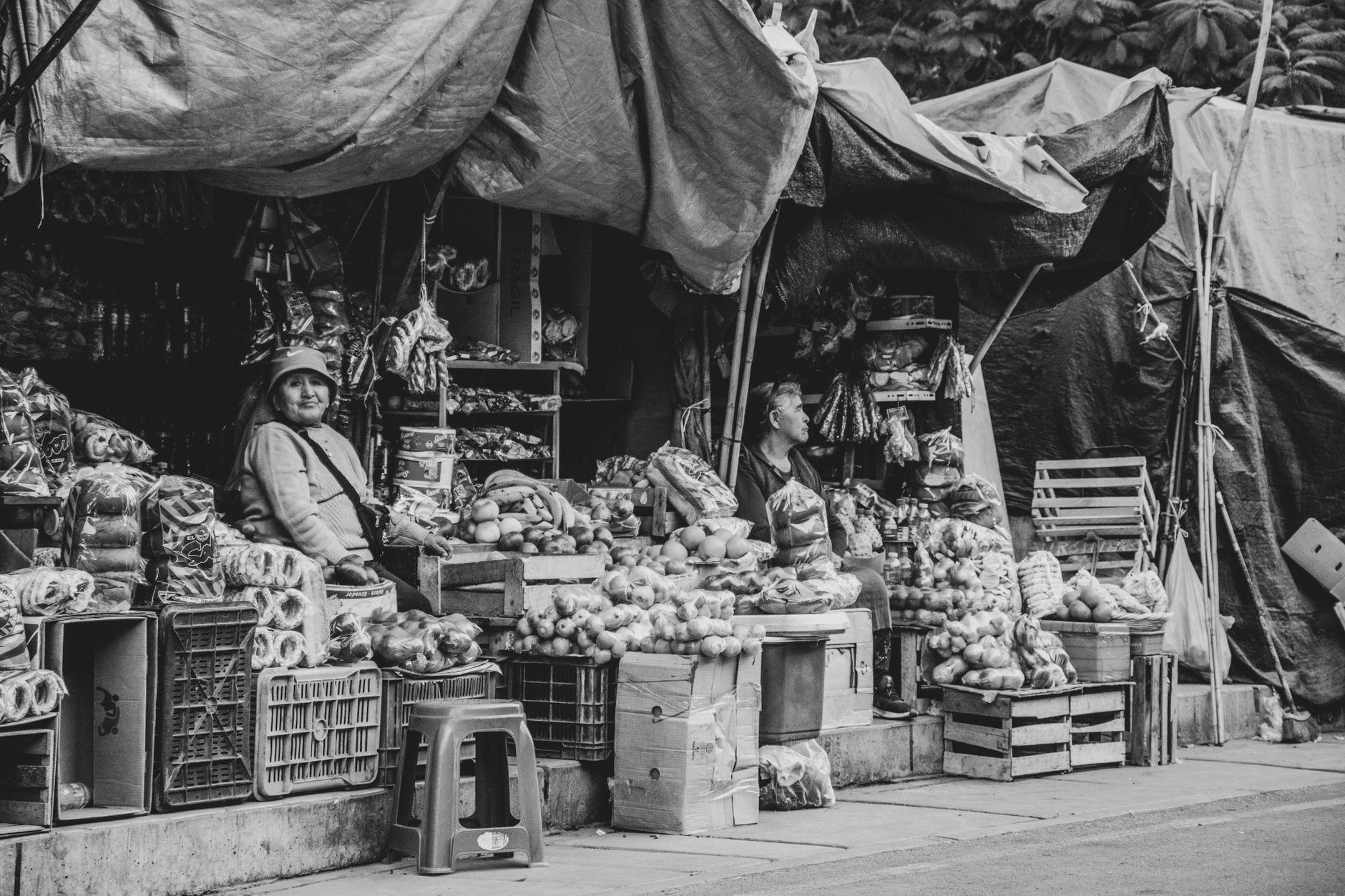
The arepa cart on the corner of Laureles smells like browned butter and cheese at eight in the morning. You order one, plus a tinto in a tiny plastic cup. The woman running the cart nods, flips over a laminated card hanging from the umbrella pole, and taps it. Two QR codes. "¿Nequi o Daviplata?" she asks. You pull out a 50,000 peso note, fresh from the airport ATM. She looks at it the way you'd look at someone trying to pay with a traveler's check. She can't break it. The guy behind you scans the code, types a number, shows her the confirmation screen, and walks off with his arepa while you're still negotiating about change.
That little moment plays out all over Colombia now, and it catches a lot of visitors off guard. The guidebook version of Colombia is a cash country. The street version, especially in Medellín and Bogotá, has moved on.
The three names on every cart, counter, and taxi window
Learn these before you learn how to order a bandeja paisa:
- Nequi, the purple one, a digital wallet tied to Bancolombia that has become almost a verb. People say "te hago un Nequi" the way Brazilians say "faço um Pix."
- Daviplata, the red one, Davivienda's wallet, equally common on market stalls and corner shops.
- Bancolombia QR, the code you'll see in more formal shops, pharmacies, and restaurants, often printed right on the counter mat.
These aren't fintech experiments for early adopters. The empanada stand has a code. The fruit vendor with the wheelbarrow of mangoes has a code. The guy selling phone cases from a folding table has a code taped to the table leg. It's the same bottom-up wave of QR adoption that made Pix take over Brazil, just wearing Colombian colors.
Why locals would rather scan than swipe
There's a specific reason QR beat cards here, and it isn't convenience. It's card cloning. Ask any Colombian friend and you'll hear a story: a card skimmed at a gas station, a datáfono that "malfunctioned" twice, a statement full of charges from a city they've never visited. The culture that grew out of that is visible everywhere. Waiters bring the card machine to your table rather than walking away with your card, because no local would ever let their card out of sight.
A QR payment sidesteps the whole problem. Your card never comes out. Nothing physical gets handed over, nothing gets swiped through a machine you can't inspect. The merchant sees the money land on their phone instantly, you see the confirmation on yours, and both sides trust it more than plastic. Merchants have their own quiet reasons to prefer the scan too, which is a cost story worth understanding from their side of the counter.
So when you hand over a foreign credit card at a small shop in Envigado, you're not just offering a payment method the owner may not accept. You're offering the one payment method the entire country has spent years learning to distrust.
The wall foreigners hit, and the way around it
Here's the frustrating part. Nequi and Daviplata are built around Colombian phone numbers and Colombian ID. As a visitor on a tourist stamp, or even a digital nomad settling into Medellín for six months, you generally can't just download them and go. The whole local system is sitting right there, printed on every surface, and the front door is locked to you.
This is exactly the gap Moreta Pay exists to close. You top up a wallet from your own bank at home, in your own currency (US bank via Plaid or ACH, SEPA from Europe, UK Faster Payments, Canadian e-Transfer, or an international card). Then you scan the same Bancolombia, Nequi, or Daviplata codes the locals use. The app shows you the amount, the merchant's name, and the exact FX rate before you confirm. You tap, the merchant gets Colombian pesos instantly, and the arepa lady doesn't have to hunt for change or wonder about your foreign card. No Colombian bank account, no cédula, no six-week paperwork detour.
How it actually feels city by city
Medellín is the deep end. In El Poblado and Laureles, where half the cafes double as coworking spaces, going a full week without touching a peso note is entirely realistic. Specialty coffee shops, menú del día lunch spots, barbers, gyms, the lot.
Bogotá is close behind. Chapinero and the Zona G run heavily on QR, and even the Sunday market stalls in Usaquén increasingly have a code clipped to the awning. Taxis are mixed, but plenty of drivers will point at a Nequi code stuck to the dashboard before you've finished asking.
Cartagena leans more touristy, so you'll see more card terminals aimed at cruise passengers. Step one street back from the walled city's main drags, though, and the QR codes reappear, usually with better prices attached.
The coffee region is the pleasant surprise. Small towns like Salento and Jardín are full of vendors who never bothered with card machines and jumped straight to a wallet on their phone. The woman selling obleas in the plaza may not take Visa, but she very likely takes a scan.
Keep a little cash anyway, for these exact things
Colombia hasn't gone fully cashless, and pretending otherwise will strand you at awkward moments. Keep small bills for colectivos and rural buses, for tipping street performers and parking minders, for the occasional countryside finca where the signal dies, and for tiny purchases where pulling out a phone feels like overkill. The trick is carrying twenty thousand pesos in small notes instead of a brick of fifties from the ATM, because the big notes are the ones nobody can change.
Your first 24 hours, done right
Load your Moreta Pay wallet before you board, while you're still on home WiFi and can connect your bank calmly. Land, get a local SIM or eSIM working, and then deliberately make your first payment something tiny: a tinto, an empanada, a bag of mandarins. Check the merchant name on screen, glance at the rate, confirm. Colombian prices come with a lot of zeros, so that review screen matters; 15,000 and 150,000 pesos look alarmingly similar at the end of a long travel day.
After that first successful scan, something shifts. You stop rationing your cash, stop planning your days around ATM locations, and start answering "¿Tienes Nequi?" with "tengo algo mejor" and a phone already open to the camera. Get Moreta Pay set up before Colombia and the arepa cart question answers itself.