
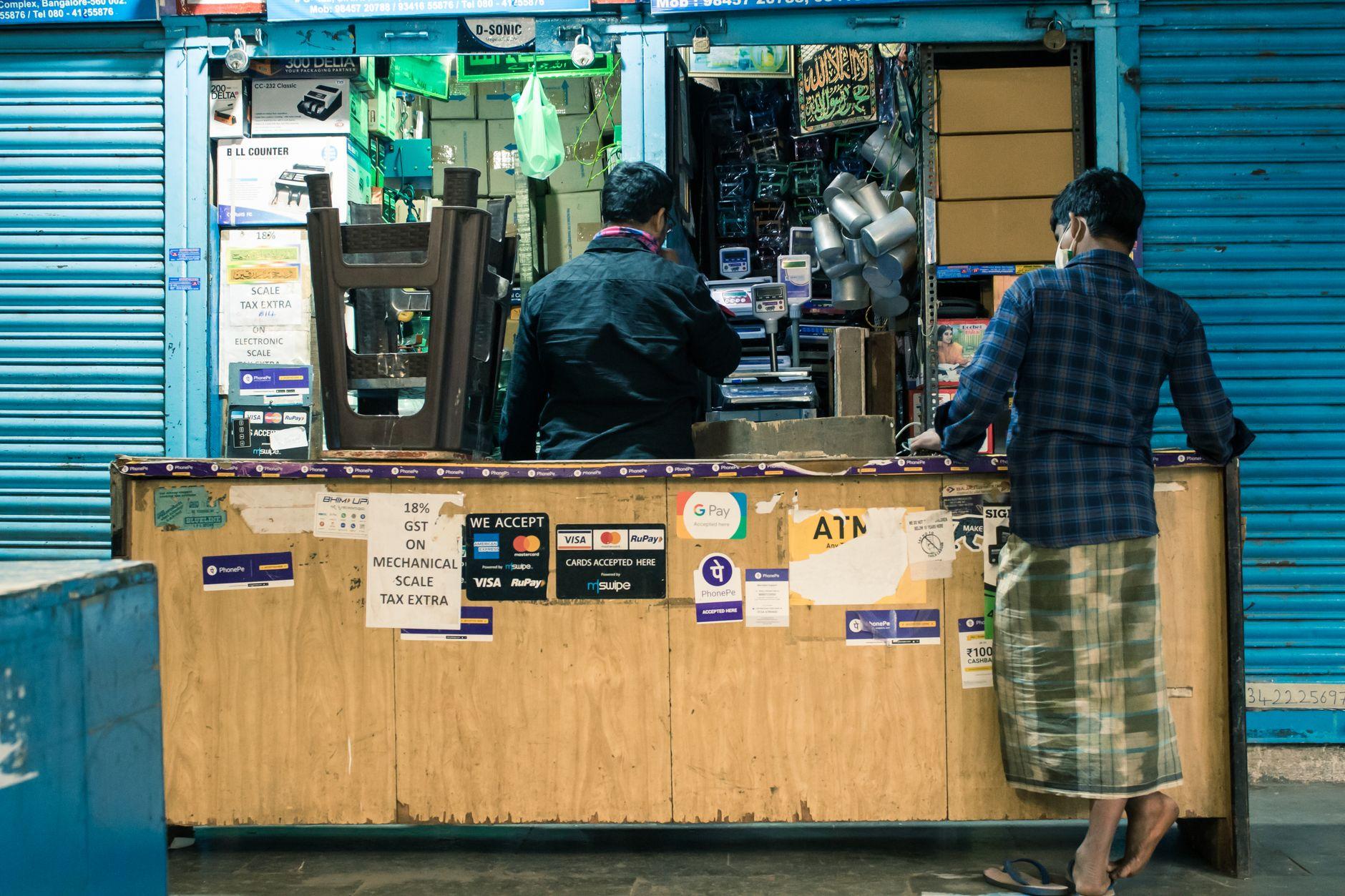
Walk up to a coffee stall in Kuala Lumpur and you will see a single laminated square taped to the register. Walk up to a similar stall in parts of Cambodia or a mixed-tourist zone elsewhere in Southeast Asia, and you might find two or three QR codes lined up side by side, each belonging to a different payment network. This is not random clutter. It reflects whether a country built one government-backed QR standard that every bank and wallet must plug into, or let multiple private wallets compete without a single mandated interchange layer. Countries with a unified national QR standard, like Malaysia's DuitNow or Brazil's Pix, print one code. Countries or contexts where multiple wallet operators settle separately still sometimes require merchants to display each provider's code individually.
What determines whether a country uses one QR code or several?
The number of QR codes at a counter comes down to who controls the payment rail: a central authority or a set of independent private companies. When a central bank or national payments council builds a single QR standard and requires every licensed bank and e-wallet to interoperate with it, merchants only need to display one code, because any customer's app can read that same code and route the payment through their own bank or wallet in the background. When no single mandate exists, or when adoption of the mandate is incomplete, merchants often keep separate codes for each wallet provider that customers might want to use, because the underlying settlement systems do not talk to each other.
This is a governance question before it is a technology question. The QR code itself is just a container for structured data, openly specified and free for anyone to implement [qrcode.com]. What varies by country is not the code format so much as the rulebook layered on top of it: who issues merchant IDs, who runs the settlement network behind the scenes, and whether competing wallets are required to plug into a shared switch.
Why does Malaysia only need one QR code (DuitNow)?
DuitNow is Malaysia's national QR standard, and it consolidates what used to be a fragmented landscape of bank apps and e-wallets into a single scannable code per merchant. A duitnow malaysia payment works because Bank Negara Malaysia pushed banks and non-bank e-wallets to adopt one interoperable standard rather than compete on separate rails. When you scan the DuitNow code at a mamak stall in Petaling Jaya, your bank app, your e-wallet, or a foreign wallet like Moreta Pay can all read the same code and complete the transaction through the same underlying interchange. The merchant never has to think about which app the customer is using. One code, one printout, done.
Why does Brazil's Pix work the same way?
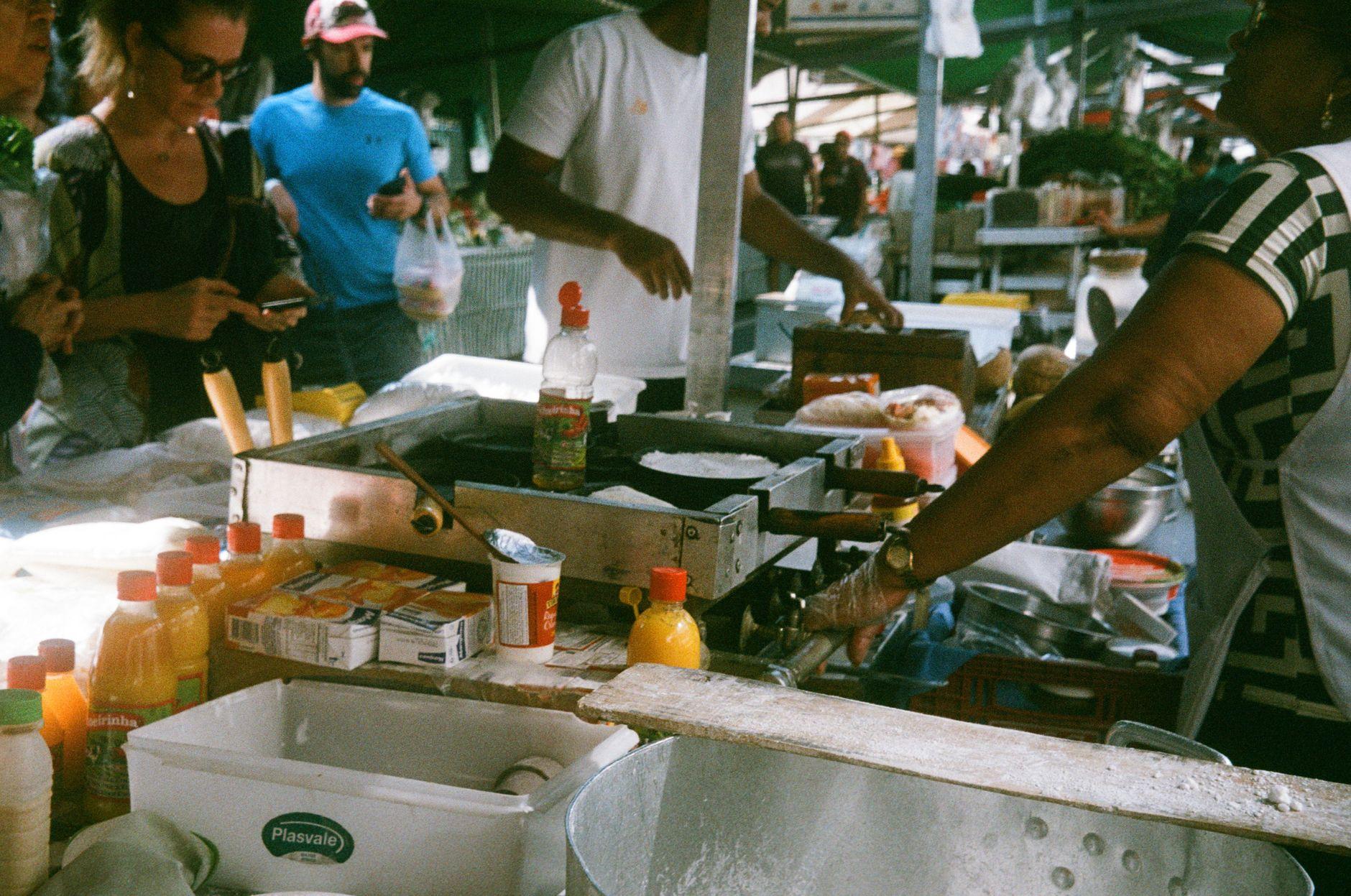
Pix is Brazil's instant payment system, run by the Central Bank of Brazil, and it follows the same logic as DuitNow: a single standard, mandatory interoperability, one code at the counter. A pix brazil payment is not routed through a private company's proprietary network the way some wallets elsewhere are. It is a public instant-payment rail that any bank or licensed payment institution connects to directly. That is part of why Latin America has become one of the fastest-growing regions for QR code payment adoption, and Pix is the single biggest driver of that growth. Whether you are paying for pastel and guaraná at a stand in São Paulo or splitting a bill at a churrascaria, the vendor prints one BR Code and every Pix-enabled app reads it.
Why does Cambodia sometimes look different from Malaysia and Brazil?
KHQR is Cambodia's national QR standard, developed by the National Bank of Cambodia and built for interoperability across local banks and wallets. In principle it works like DuitNow or Pix: one code, multiple apps able to read it. A khqr cambodia transaction routes through a shared national switch rather than requiring the merchant to accept each wallet separately. Where things get more visually complex in Cambodia is currency, not payment rails. Cambodia runs a dual-currency economy, with both Cambodian riel and US dollars in everyday circulation, so a KHQR code often displays a price in both currencies at once. That is a pricing quirk layered on top of a unified QR standard, not evidence of competing payment networks. Cambodia's dual-currency pricing sits on top of a unified national standard, which you should understand before assuming every extra number on a receipt means a second payment system.
Is a single QR code always better than multiple codes?
Fewer codes at the counter generally signals lower friction for both merchant and customer, but it says nothing about fees, settlement speed, or security, which depend on the operator behind the code rather than the count of stickers on the counter. Proprietary systems like Alipay and WeChat Pay in China diverge from the EMVCo standard used by DuitNow and KHQR. A single code does not mean a single global standard. It means one country solved interoperability within its own borders.
Why does this matter for a traveler's wallet, not just a merchant's counter?
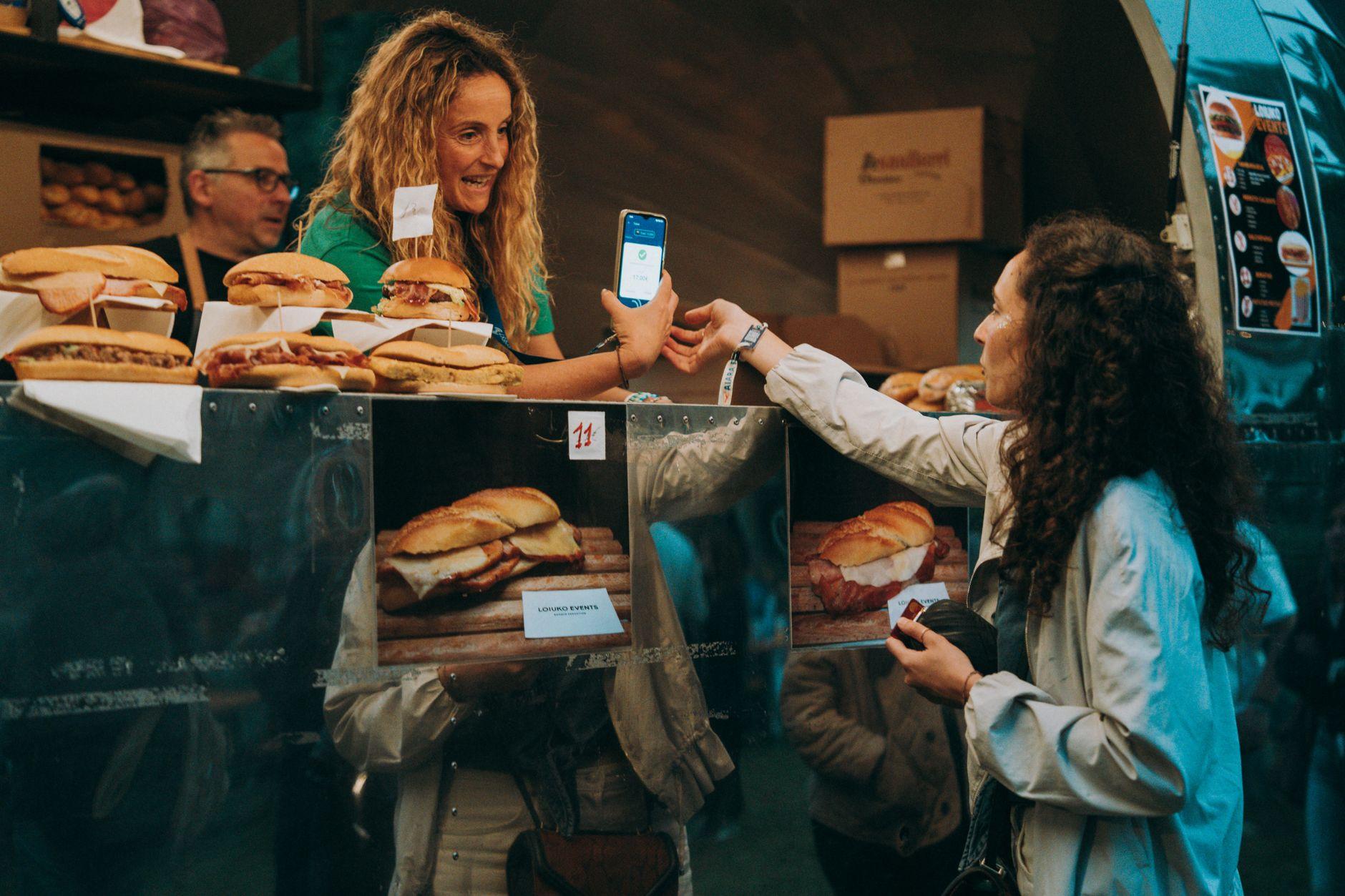
Building on the mechanics above, the real problem for a visitor is that no single foreign card or app speaks every one of these national standards natively. Your home bank card was never built to read a DuitNow QR, a Pix BR Code, or a KHQR square, because each rail expects a locally registered participant on the other end. That gap is what a traveler-focused wallet has to close. Moreta Pay works by letting you top up from your home bank, card, or a supported stablecoin balance in your own currency, then scan the exact same local QR code the merchant already uses, whether that is DuitNow in Kuala Lumpur, KHQR in Phnom Penh, or Pix in Rio de Janeiro. You see the merchant name, the amount, and the exact exchange rate before you confirm, and the merchant is paid instantly in their local currency. You are not asking the vendor to accept a second, foreign code. You are reading the one they already have.
Frequently Asked Questions
Does one QR code always mean one bank runs everything?
No. A unified standard like DuitNow or Pix means a central switch handles interoperability, but many different banks and wallets still connect to it independently.
Can I use my home country's payment app to scan a DuitNow or KHQR code?
Not directly. Your card network or bank app is not registered on Malaysia's or Cambodia's national switch, which is why a dedicated wallet built to read those specific formats is necessary.
Why do some Cambodian receipts show two currencies on one KHQR code?
Cambodia operates a dual-currency economy where riel and US dollars both circulate, so KHQR displays pricing in both, independent of the payment rail itself.
Does China use the same kind of QR standard as Southeast Asia?
No. Alipay and WeChat Pay run on proprietary formats distinct from the EMVCo-based standards used in markets like Malaysia and Cambodia.
Why is Latin America's QR adoption growing so fast?
Pix in Brazil is the primary driver, as more merchants and consumers adopt instant bank-to-bank QR payments.
Do I need cash on top of a QR wallet in these countries?
Yes, in most cases. Rural stalls, temple donations, and small parking fees still often run on cash only, so keep a modest local-currency reserve even in QR-heavy cities.
About Moreta
Moreta Global Inc. is a Delaware corporation and FinCEN-registered Money Services Business, backed by Y Combinator. The Moreta Pay wallet is built specifically to read local, unmodified QR codes like DuitNow, KHQR, and Pix rather than asking merchants to accept a separate foreign system. Funds can be topped up through US ACH, SEPA, UK Faster Payments, Interac e-Transfer, major card networks, Apple Pay, Google Pay, or supported stablecoins, then spent at the point of sale with the exact exchange rate shown before you confirm. That structure exists because the real barrier for travelers was never the concept of a QR code. It was that the local standard behind it was never built to recognize a foreign wallet in the first place.
Before your next trip:
- Confirm which national QR standard your destination uses (DuitNow, KHQR, Pix, etc.).
- Top up your Moreta Pay wallet in your home currency before you depart.
- Set aside a small cash reserve in the local currency for vendors who do not yet accept QR payments.
Learn more at Moreta Pay.
References
- History of QR Code | QRcode.com | DENSO WAVE (qrcode.com)