
Every expat who lands in South Korea arrives carrying a small set of beliefs about money. Some of them came from travel blogs written for tourists on five day trips. Some came from experience in other Asian countries. Almost all of them fall apart somewhere between the airport and your first attempt to buy gimbap from a shop with no card reader for foreign cards and a QR sticker you cannot use.
So let's go through the beliefs one at a time, the way reality will anyway, just faster and with less embarrassment at the counter.
Myth one: "It's Asia, I'll manage with cash"
South Korea may be the worst country in Asia to bet on cash. It is one of the most cashless societies on earth. Buses expect a transit card or phone. Plenty of Seoul cafes run entirely on self order kiosks, and some of those kiosks do not take cash at all. Younger staff at chain stores can look genuinely confused when you hand over a 50,000 won note for a 4,500 won americano.
Cash still works, legally and practically, in most places. But building your daily life around it in Korea means you are using the system locals have been actively moving away from for a decade. You will feel it every day, in small frictions, in kiosks that skip the cash option, in the sense that you are paying the long way for everything.
Myth two: "I'll just download KakaoPay my first week"
This is the big one, and it catches almost every new expat. KakaoPay and Naver Pay dominate daily payments in Korea. They are everywhere: convenience stores, cafes, delivery apps, taxis, the lot. So the obvious move is to install one on arrival.
Then you hit the wall: Korean phone verification. Both platforms are built around a Korean mobile number tied to identity verification, and fully funding them generally means linking Korean banking on top of that. If you just arrived and you are still waiting on your residence card, you typically have neither. The apps are not hostile to foreigners exactly, they are just built for people who already exist inside the Korean system. During your first weeks or months, you do not.
The practical consequence is a strange limbo. You live in one of the most digitally advanced payment environments in the world, and you are locked out of its two main doors.
Myth three: "My card from home works everywhere, so none of this matters"
Foreign Visa and Mastercard acceptance in Korea is genuinely good, better than most of the region. Chains, department stores, supermarkets, and the big coffee brands will take your home card without drama. If that were the whole story, this article would end here.
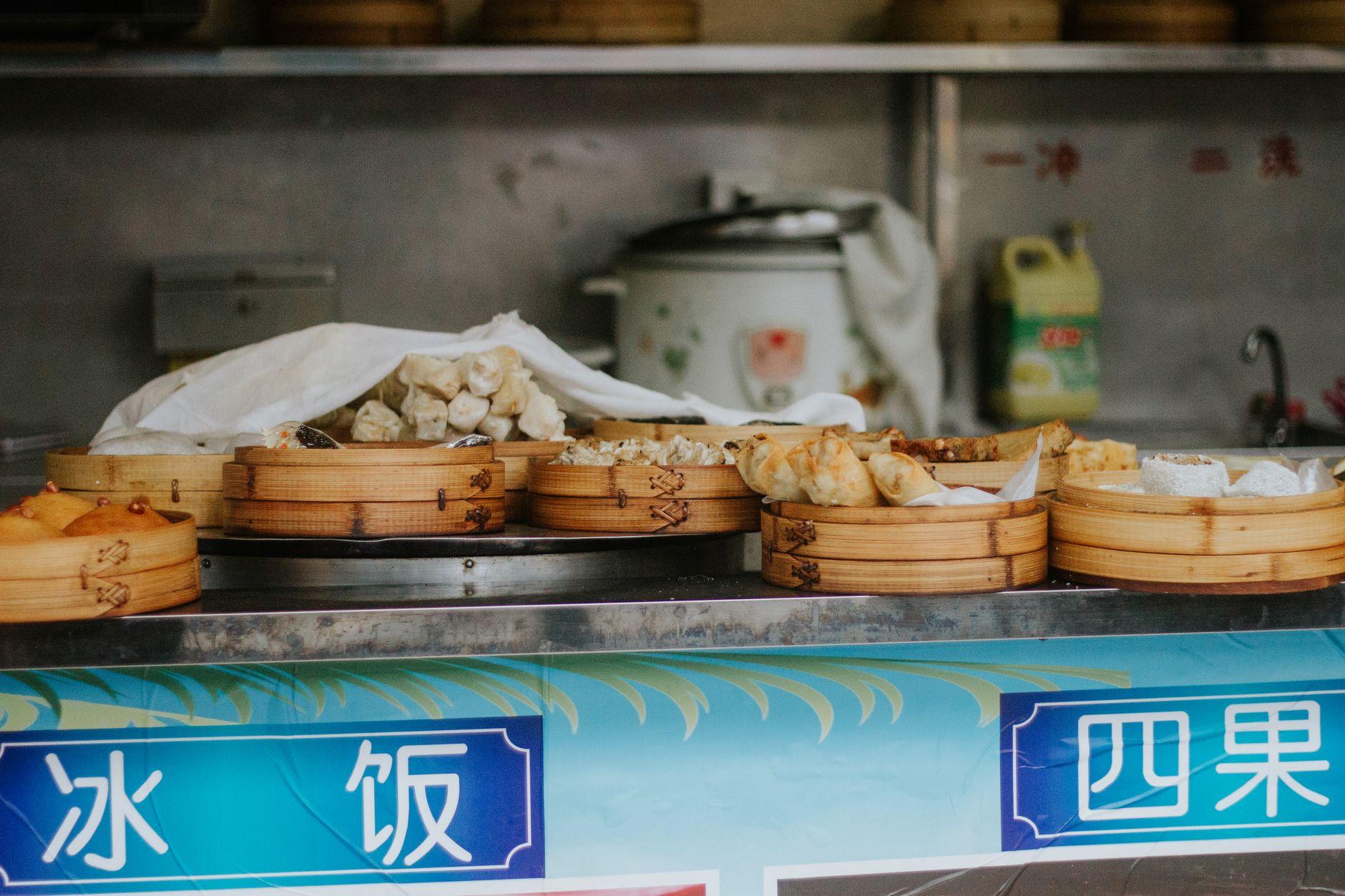
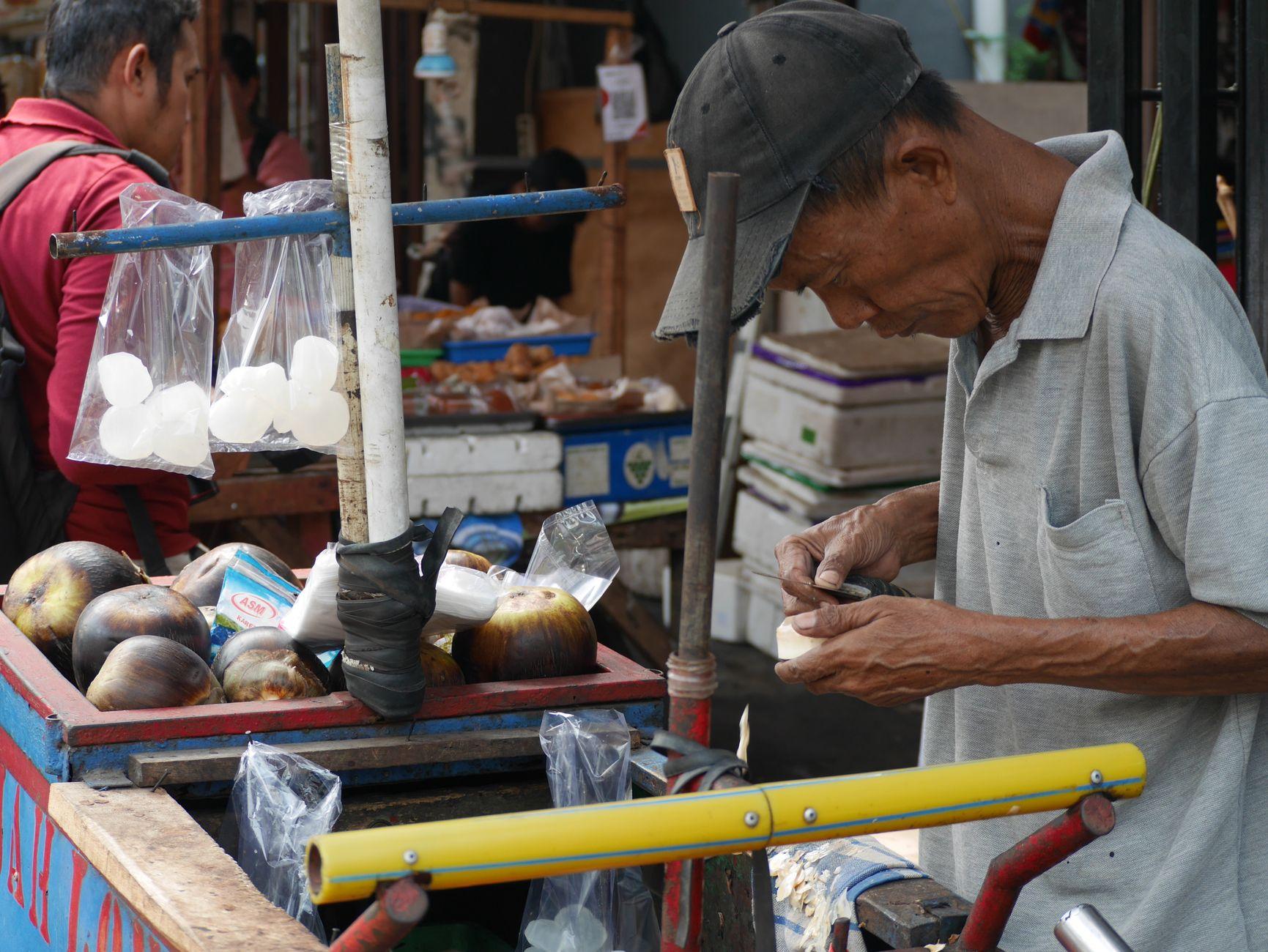
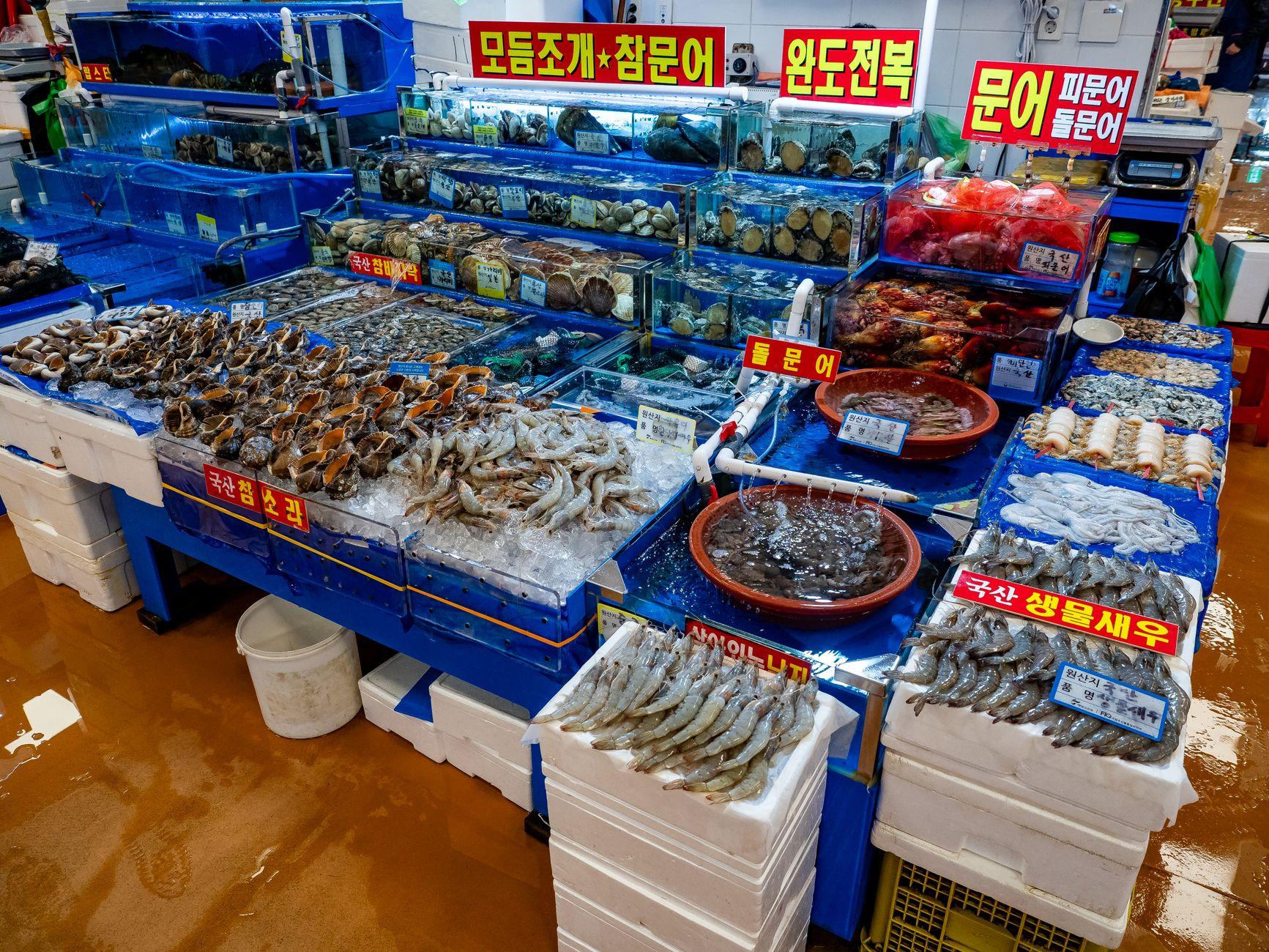
It is not the whole story. The places that make living in Korea actually feel like living in Korea are exactly where foreign cards get shaky. The tiny kimchi jjigae place with six tables. The stall in Gwangjang Market. The old school bunsik shop near your officetel. The neighborhood fruit truck. These places often run on local payment methods and local cards, and your foreign card either fails at the terminal or is politely waved off. Some self service kiosks also reject foreign cards outright even when the restaurant itself would happily serve you.
So the expat pattern emerges: you can survive on your home card, but you end up eating at chains and shopping at big marts, not because you want to, but because that is where your card works. That is a sad way to live in a country with this much good street food.
Myth four: "I'll open a Korean bank account in my first week and be done"
Eventually, yes, most long term expats open a Korean account, and life gets easier when they do. But "eventually" is doing heavy lifting in that sentence. Banks generally want to see your residence card and supporting documents, and the residence card itself takes time to arrive after you land. Depending on your visa situation and the branch you walk into, the process can stretch across weeks.
That gap, between arriving and being banked, is the period nobody prepares you for. You have rent adjacent expenses, furniture runs, SIM decisions, groceries, and a strong desire to eat at the place with the long lunch line, all while the local payment ecosystem treats you as a ghost.
Myth five: "Korea's QR codes are only for Koreans"
Here is the belief worth correcting most carefully. Alongside the card terminals, Korea has a real QR payment layer, and you will see it at exactly the small merchants where your foreign card struggles: ZeroPay stickers at market stalls, small eateries, and neighborhood shops. Expats tend to assume those stickers are as closed to them as KakaoPay is. They are not, if you have the right app.
This is where Moreta Pay changes the math for the unbanked in between period. You top up a wallet in your own currency from your home bank (US banks via Plaid or ACH, European SEPA, UK Faster Payments, Canadian e-Transfer) or an international card. At the stall, you scan the merchant's own QR code, the same one locals scan, check the amount, the FX rate, and the merchant name on your screen, and confirm. Your wallet handles the conversion to won and the merchant is paid instantly. No Korean phone verification, no Korean bank account, no hidden foreign transaction fees, and the rate is shown before you commit to anything.
It also covers the less visible half of expat spending: QR based online checkouts on platforms like Trip.com and Agoda for travel around Korea, plus bill payments in supported countries. If your friends are heading to China next, by the way, the same locked out of local wallets problem exists there in an even sharper form, which we covered in our piece on paying in China.
What a workable first month actually looks like
Put the myths aside and the plan is simple. Keep your foreign card for chains, marts, and anywhere with a standard terminal, because acceptance there is genuinely strong. Keep a modest amount of cash for the rare cash only holdout and for topping up a transit card the old way if you need to. And carry Moreta Pay for the QR layer, the market stalls and small eateries where cards from home go to die, so you are not eating at franchise restaurants for a month out of payment necessity.
Then, when your residence card arrives and you open a Korean account, you can add KakaoPay or Naver Pay on top. You will not be starting from zero. You will already know the neighborhood, already have regular spots, and already have paid for them like a local the whole time.
If your move to Korea is coming up, set up your wallet and link your home bank before your flight, so day one in Seoul starts with lunch instead of logistics. Get Moreta Pay ready before you land.