
Every expat forum thread about money in Malaysia follows the same arc. Someone arrives in Kuala Lumpur or Penang, tries to set up Touch 'n Go eWallet, hits a wall, and asks the internet what everyone else is doing. The answers are scattered across hundreds of replies, so here they are in one place, in the order people actually ask them.
Why does every shop in Malaysia have the same blue and pink QR sticker?
That's DuitNow QR, Malaysia's unified national QR standard. One sticker works across banks and wallets, which is why you see the identical logo at a hawker stall in Petaling Jaya, a nasi lemak cart in George Town, and the counter of a mall boutique in Bukit Bintang. The merchant doesn't care which app the customer uses, because any app on the DuitNow network can read that one code.
This matters for you because Malaysia did not fragment into competing QR systems the way some countries did. Learn one sticker and you've learned the whole country.
Can a foreigner just download Touch 'n Go eWallet and use it?
Usually not in any useful way. Touch 'n Go eWallet is built around local setup: a Malaysian phone number helps, full verification typically wants local documents, and topping up without a Malaysian bank account or card ranges from awkward to impossible depending on your situation. Plenty of expats get the app installed, then stall at verification or reload, then give up.
Some long-term residents with an employment pass and a local SIM eventually get it working. If you're on a tourist entry, a digital nomad visa, or you simply haven't opened a Malaysian bank account yet, don't count on it.
So how do I pay DuitNow QR without a Malaysian bank account?
Use a wallet that connects to the DuitNow network from the foreign side. Moreta Pay does exactly this: you top up from your home bank (US, UK, European, or Canadian accounts, or an international card) in your own currency, then scan the same DuitNow QR sticker the locals scan. You see the amount in ringgit, the exchange rate, and the merchant's name before you confirm, and the merchant gets paid instantly in ringgit.
From the merchant's point of view you look like every other customer. From your point of view, you skipped the local bank account, the local SIM requirement, and the verification maze entirely.
Isn't my foreign Visa or Mastercard enough in the cities?
In KL malls, chain restaurants, and hotels, mostly yes. Card acceptance in Malaysian cities is genuinely decent. But three things work against relying on it:
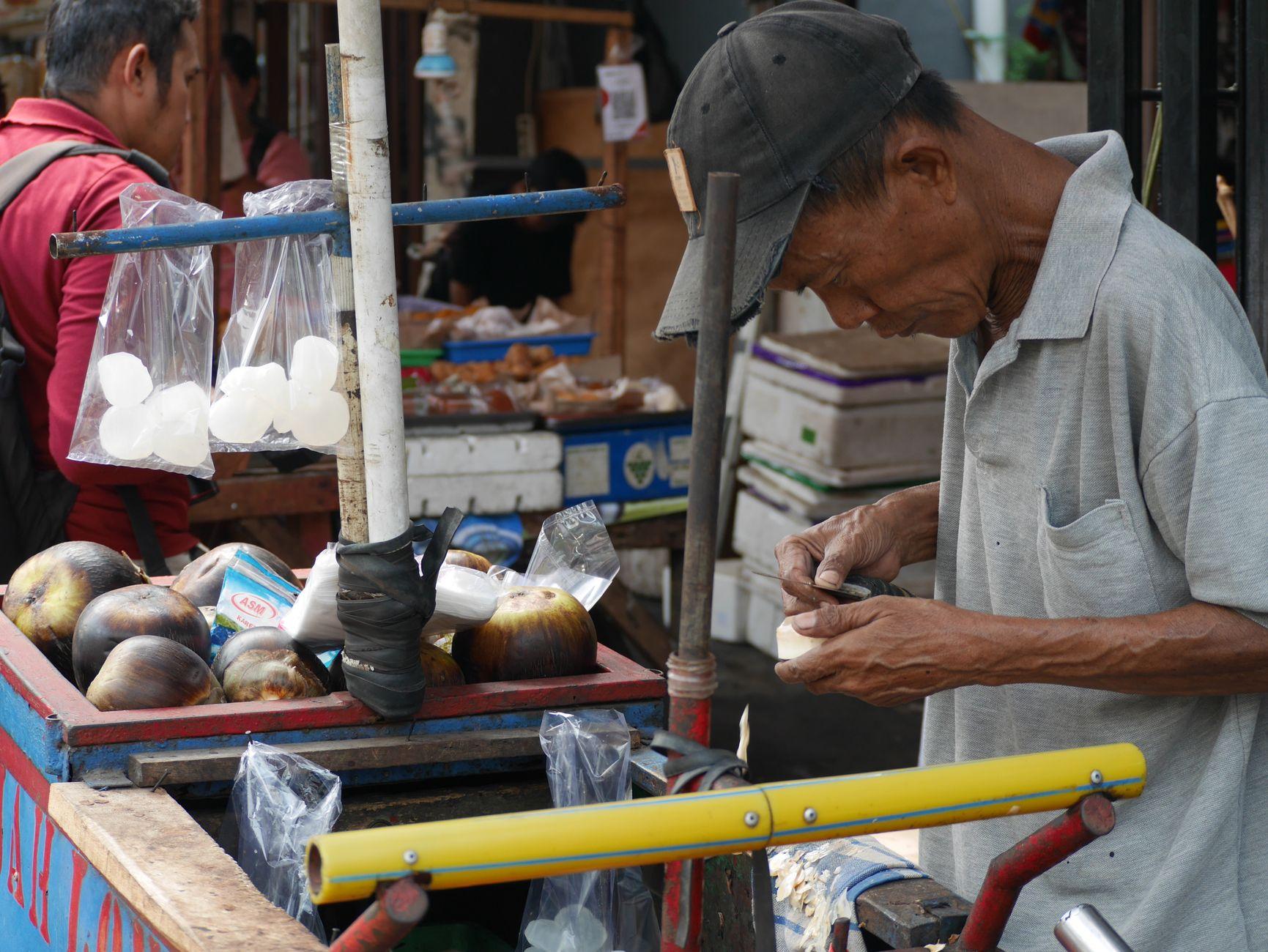
- The places that make Malaysia worth living in (hawker centres, kopitiams, wet markets, pasar malam night markets) rarely take cards. They take cash and DuitNow QR.
- QR is cheaper for merchants than card terminals, so even shops that technically accept cards often nudge you toward the sticker, and small vendors never bothered with a terminal at all.
- Your home bank may quietly add foreign transaction fees on every card swipe, which adds up fast when you live somewhere rather than visit.
Treat your card as the backup for big-ticket city purchases, not your daily driver.
What do expats actually do at hawker stalls and kopitiams?
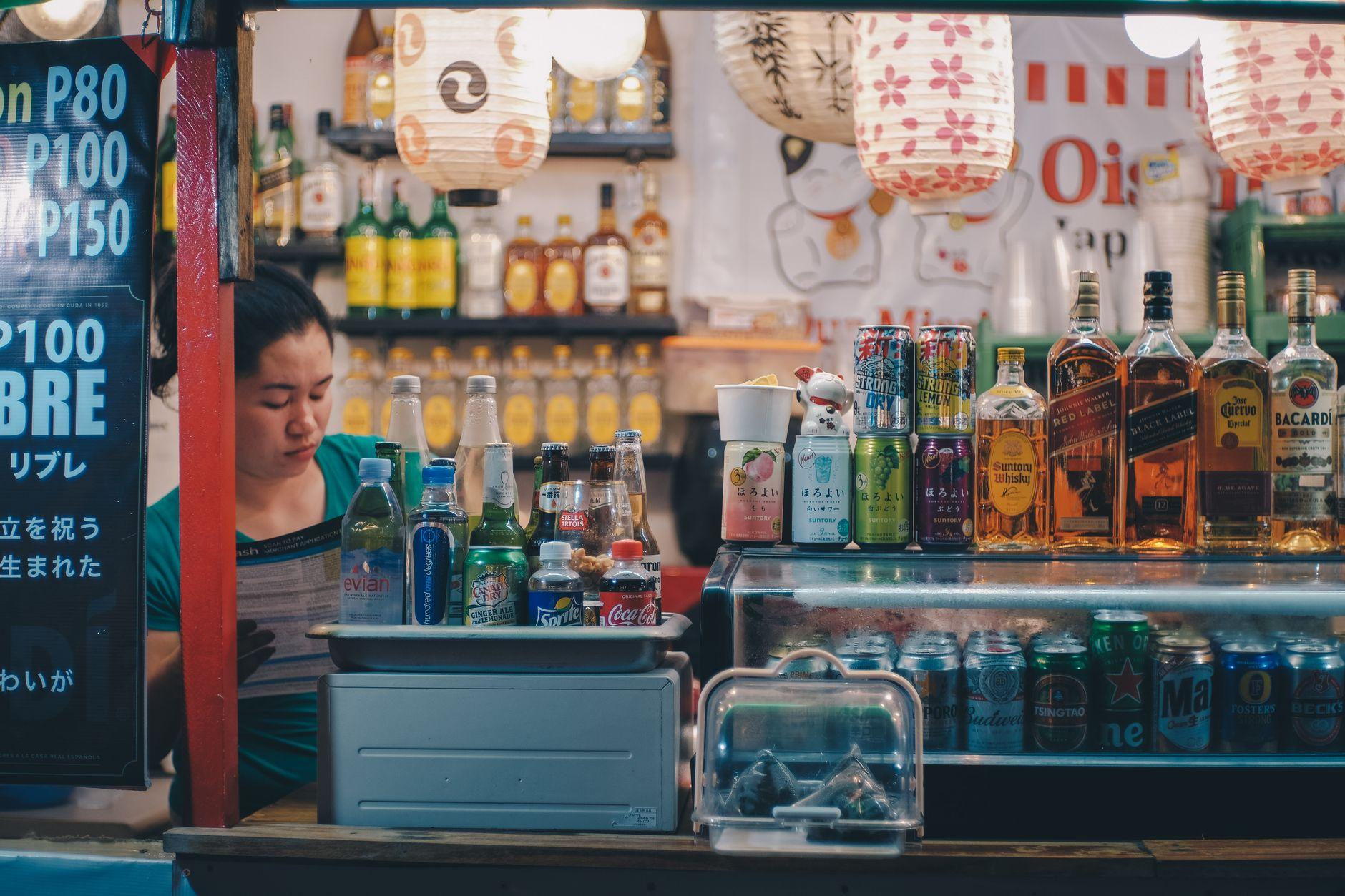
Watch the locals during lunch rush at any hawker centre. A surprising number don't touch cash. They order, scan the laminated DuitNow code taped to the stall, show the confirmation screen, and sit down. The aunty running the chicken rice stall checks the notification on her own phone and moves to the next customer.
As an expat with a DuitNow-capable wallet, you do the identical thing. Scan with Moreta Pay, confirm the ringgit amount, show the screen if asked. Nobody blinks. The awkward phase of counting unfamiliar coins while a queue forms behind you simply ends. It's a similar rhythm to what works across the border, which we covered in our guide to paying for daily life in Thailand without a Thai bank account, except Malaysia's single unified standard makes it even simpler.
Can I use QR for online shopping and bills too?
Yes, and this is where expat life gets noticeably easier. Shopee and Lazada dominate online shopping in Malaysia, and both support QR-based checkout. Travel bookings on Agoda and Trip.com work the same way. Moreta Pay handles these QR checkouts just like an in-person scan: review the amount and rate, confirm, done. Bill payments in supported countries work through the same flow, which spares you the classic expat ritual of begging a local friend to pay your bill from their banking app.
Do I still need cash in Malaysia at all?
Keep some ringgit, but less than you'd expect. Useful cash situations:
- The rare rural stall or elderly vendor who still prefers notes
- Parking machines and some older vending machines
- Small sundry shops in kampung areas outside the cities
A modest amount of cash as a buffer is sensible. A thick envelope from the airport money changer is not. Most expats in KL, Penang, and Johor Bahru find their cash lasts weeks rather than days once QR becomes the default.
What happens if my phone gets stolen while my wallet lives on it?
A fair worry anywhere, and phone snatching happens in big cities everywhere. The short version: a wallet app behind your phone's lock screen and the app's own authentication is far harder to drain than a physical wallet full of ringgit, which has no password at all. We walked through the full recovery playbook in our breakdown of QR payment security after a phone theft, and the same steps apply in Malaysia.
What's the realistic setup before I land?
Three steps, all doable from your sofa at home:
- Install Moreta Pay and connect your home bank or card (Plaid for US banks, SEPA in Europe, Faster Payments in the UK, e-Transfer in Canada).
- Top up the wallet in your own currency so you land ready to scan.
- Withdraw a small amount of ringgit on arrival as your buffer, then let the DuitNow sticker handle everything else.
That's the whole system. No Malaysian bank appointment, no local SIM scramble, no Touch 'n Go verification loop. The char kway teow uncle gets paid the way he prefers, and you see exactly what it cost you before you tap confirm. If Malaysia is on your horizon this year, set up Moreta Pay before your flight and arrive already speaking DuitNow.