
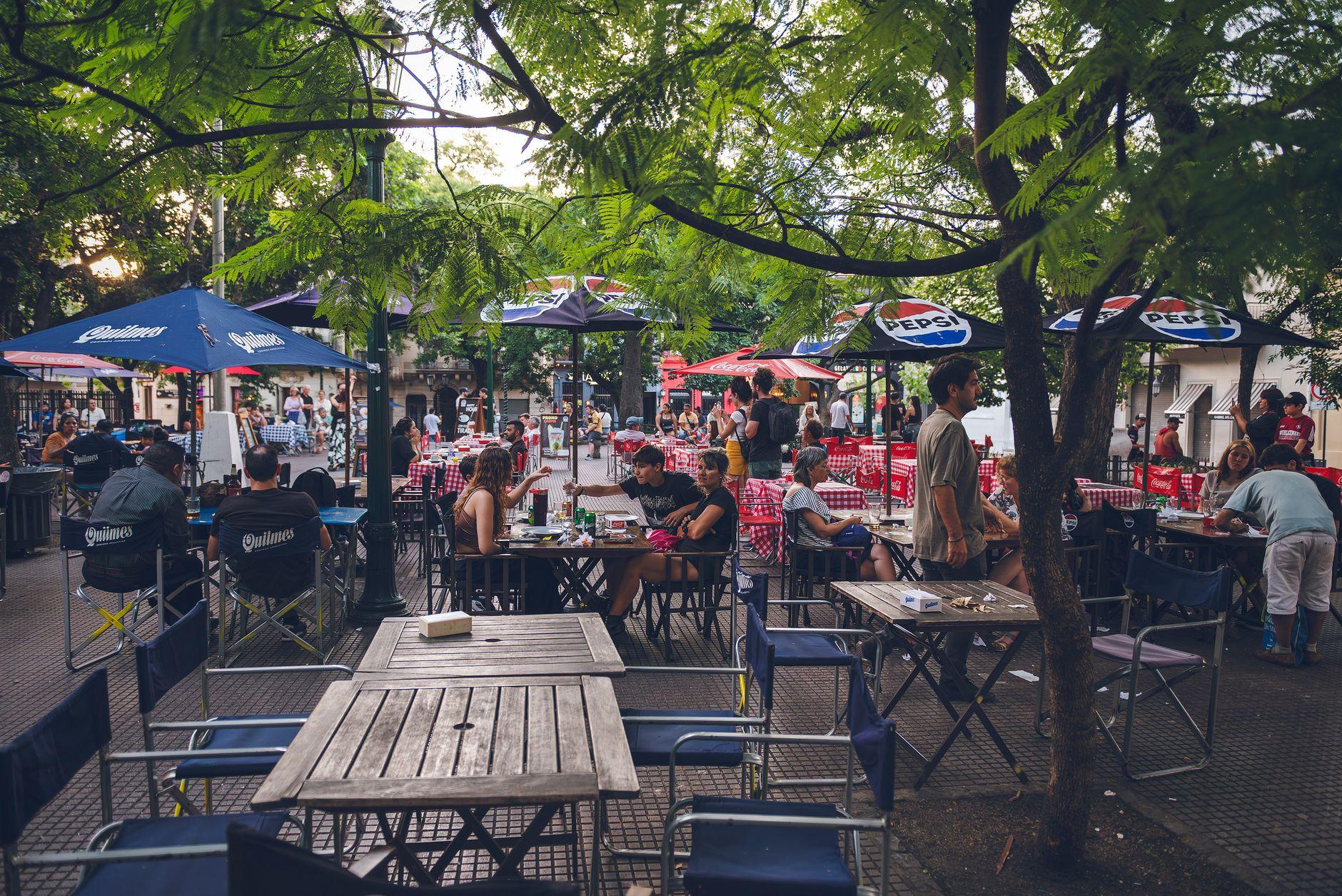
Order a cortado in Palermo, walk up to pay, and the cashier will ask you a question before you’ve even reached for your wallet: “¿MODO o Mercado Pago?”
She’s not asking if you have cash. She’s assuming you don’t. In Argentina, the default way to pay for small everyday stuff is scanning a QR code, and the only real question is which app you’re scanning it with.
Here’s how the system works, why locals built it, and how you can use it as a visitor without an Argentine bank account.
The two names on every counter
Walk into any kiosco, café, verdulería, or empanada joint and you’ll see a little plastic stand by the register with a printed QR code on it. Sometimes it says Mercado Pago in blue. Sometimes MODO in purple. Often both logos share the same sticker.
Mercado Pago is the wallet built by Mercado Libre, the e-commerce giant, and it got there first. It’s everywhere, from Recoleta bakeries to the guy selling choripán outside a fútbol stadium.
MODO is the banks’ answer, a shared app backed by Argentina’s banking system that lets people pay from their regular bank accounts.
The good news for you: at most merchants these have converged into interoperable QR codes. The printed square on the counter isn’t tied to one app. It’s an address for that merchant that different wallets can read. That one design decision is what makes Argentina’s system usable for outsiders at all.
Why nobody wants your banknotes
Argentina’s QR habit wasn’t built on convenience alone. It was built on inflation.
When prices move constantly, cash becomes physically annoying. Locals remember paying for dinner with a brick of notes, counting them out one by one while the line grew behind them. Merchants hated counting it, banks hated storing it, and everyone hated carrying it. QR payments solved a real, daily irritation, which is why adoption ran deep and fast, not just among young people in the capital but at street ferias and neighborhood grocers.
So when you land expecting a cash economy and start hitting ATMs, you’re actually swimming against the local current. The porteño in front of you at the panadería hasn’t touched an ATM in weeks.
The exchange rate maze, in one honest paragraph
This is where visitors get lost. Argentina has had multiple exchange rates at once: an official rate, rates applied to foreign cards, and the informal street rate people whisper about in forums. Which rate you actually get depends entirely on how you pay, and the gap between a good rate and a bad one can quietly reshape your whole trip budget.
The practical takeaway is not to memorize the system (it changes, and half the advice online is stale). The takeaway is this: never pay through a channel that doesn’t show you the exchange rate before you commit. If you can’t see the rate, you’re accepting whatever you’re given. We broke down the full comparison of cash, cards, and QR in Argentina in an earlier article if you want the long version.
Why you can’t just download the local apps
Your first instinct will be to install Mercado Pago or MODO yourself. Go ahead and try; you’ll hit a wall quickly. Signup is built around Argentine identity documents and local bank accounts. These apps were designed for residents, and there’s no visitor lane.
This is the same wall travelers hit in half the countries running national QR systems, and it’s exactly the gap Moreta Pay exists to fill. It reads the same merchant QR codes that MODO and Mercado Pago users scan, but the money behind it comes from your own bank at home. No Argentine account, no local ID, no workaround involving a friend’s cousin in Córdoba.
Paying by QR as a visitor, step by step
- Before you fly: download Moreta Pay and top up your wallet in your home currency. Connect a US bank, use SEPA from Europe, UK Faster Payments, Canadian e-Transfer, or just a credit or debit card. Do this on hotel or home Wi-Fi, not while a cashier waits.
- At the counter: when they ask “¿MODO o Mercado Pago?”, just say “QR” and gesture at the code. You’re scanning the same square either way.
- Scan and check: the app shows the merchant’s name, the amount in pesos, and the exact exchange rate you’re getting. This is the moment the whole exchange rate maze collapses into one visible number. If it looks right, confirm.
- Done: the merchant gets pesos instantly, and their terminal or phone chirps. No signature, no “pesos or dollars?” negotiation, no fistful of change.
Amount entry works two ways in Argentina. At bigger shops, the register generates a QR with the amount already baked in, so you just scan and confirm. At market stalls and small kioscos, you’ll scan a static printed code and type the amount yourself. Confirm the number out loud (“¿cinco mil?”) before you hit pay. Vendors are patient about this; they do it with locals all day.
Where the QR reaches, and where it doesn’t
Places you can reliably scan: cafés, restaurants, supermarkets, pharmacies, kioscos, the San Telmo feria stalls, heladerías, most taxis in Buenos Aires (ask “¿QR?” before the ride starts), wine shops in Mendoza, and tour operators in touristy towns like El Calafate and Bariloche.
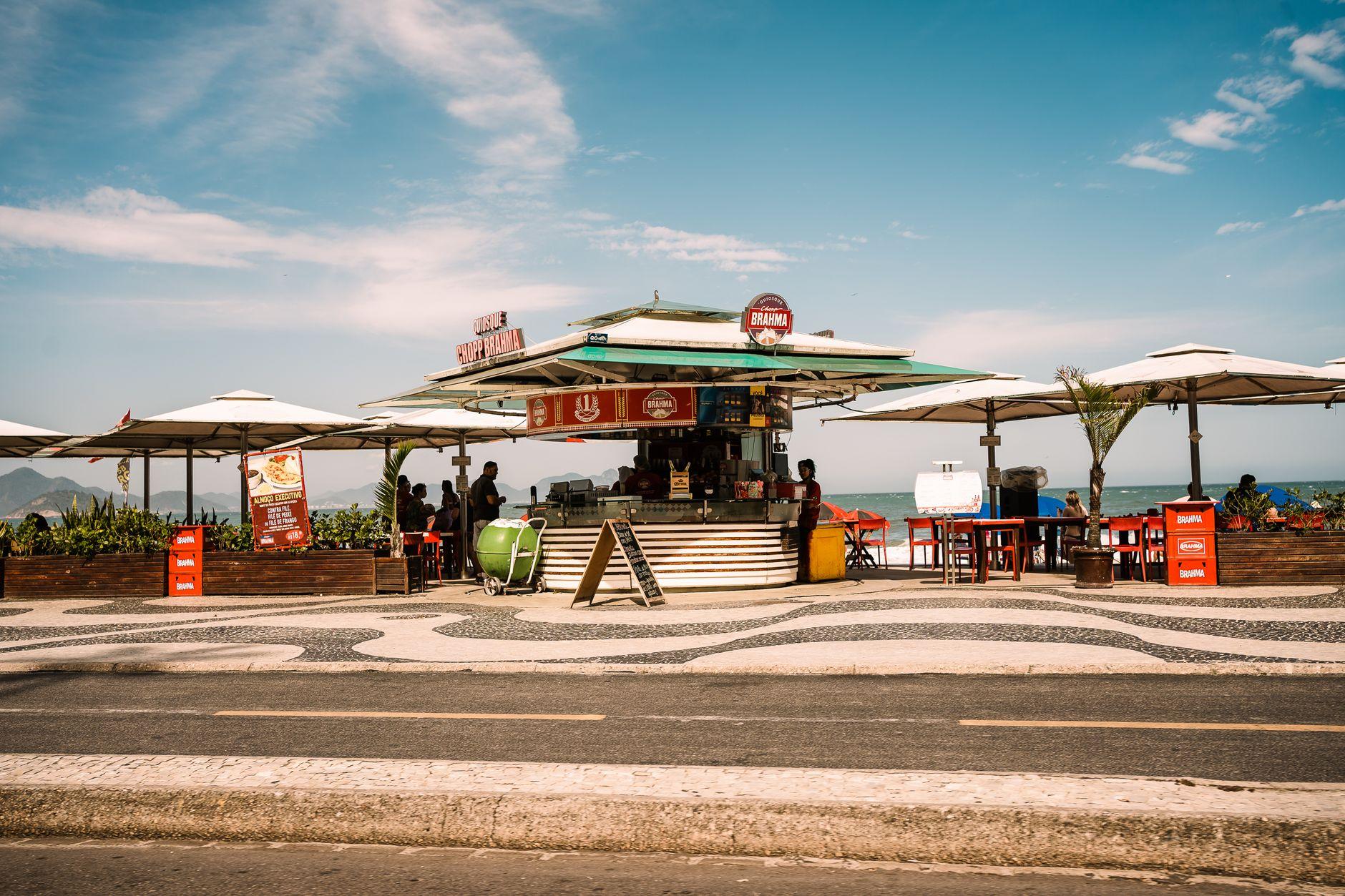
Places to still carry a modest amount of pesos: tips (propina is often left in cash even when the bill is paid digitally), SUBE transit card top-ups at some kiosks, the occasional rural parrilla, and street performers who haven’t printed a code yet, though give it a year. If you’ve traveled recently in Brazil, the pattern will feel familiar; we covered how even the coconut vendors on Copacabana take QR, and Argentina is heading the same direction fast.
One more useful corner of the system: QR checkout also shows up online. If you’re booking domestic flights, bus tickets, or hotels through platforms that offer QR payment at checkout, you can scan from your laptop screen with Moreta Pay the same way you would at a café counter.
A few habits that make you look like a local
- Have the app open before you reach the register. Cashiers move fast and appreciate it.
- Say the amount back when typing it yourself. It prevents the one genuinely awkward QR mistake.
- Screenshot nothing, stress nothing. The confirmation screen with the merchant name is your receipt, and it lives in your history.
- Keep a small cash reserve folded somewhere, maybe enough for a taxi and a tip, and let the QR handle the rest.
Argentina’s payment culture looks chaotic from the outside: multiple exchange rates, two competing apps, inflation folklore. Up close it’s actually one of the smoothest places in Latin America to go nearly cashless, as long as you can get into the QR system. Set up Moreta Pay before your flight to Ezeiza and the next time a cashier asks “¿MODO o Mercado Pago?”, you’ll already be scanning.