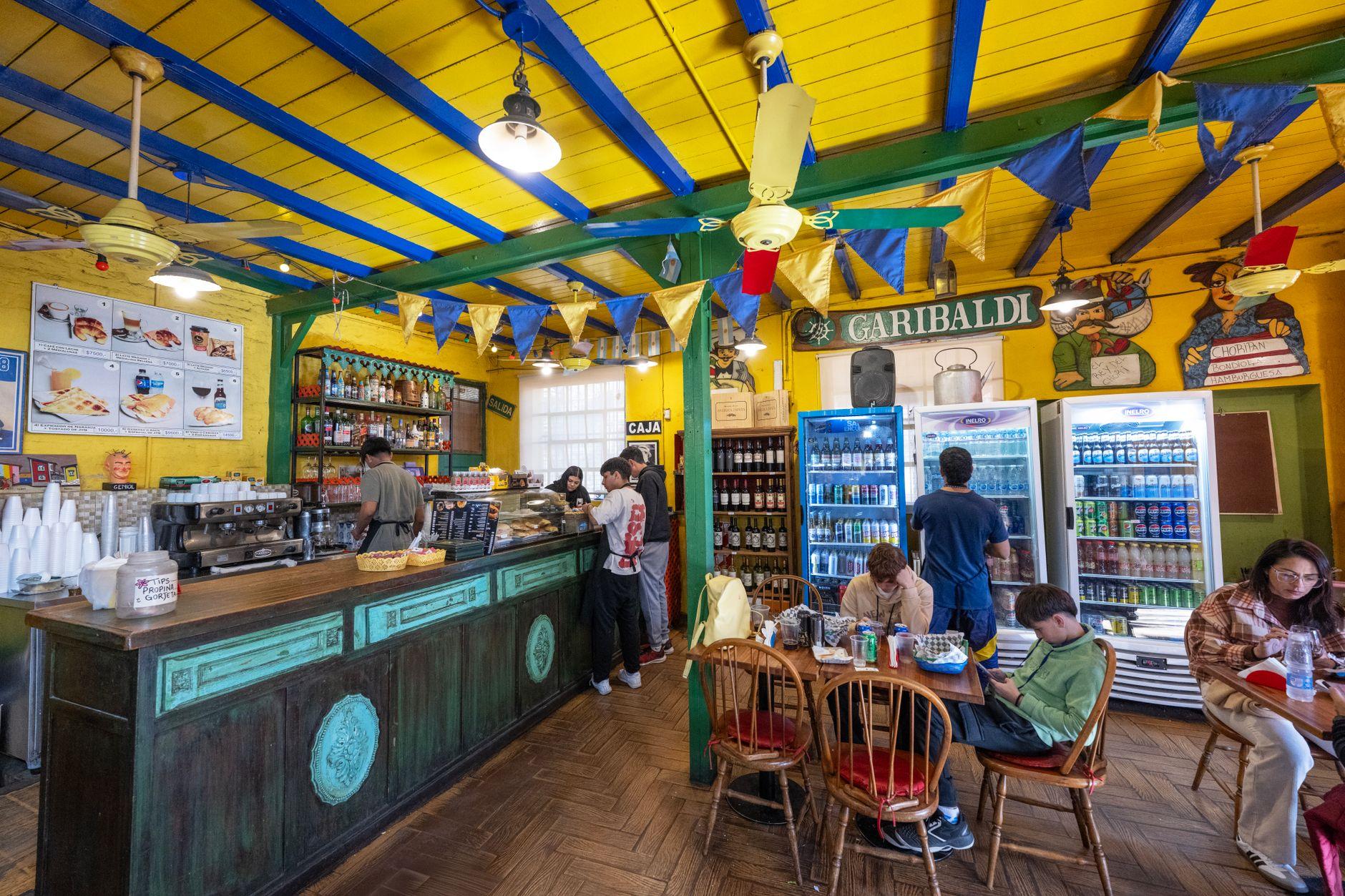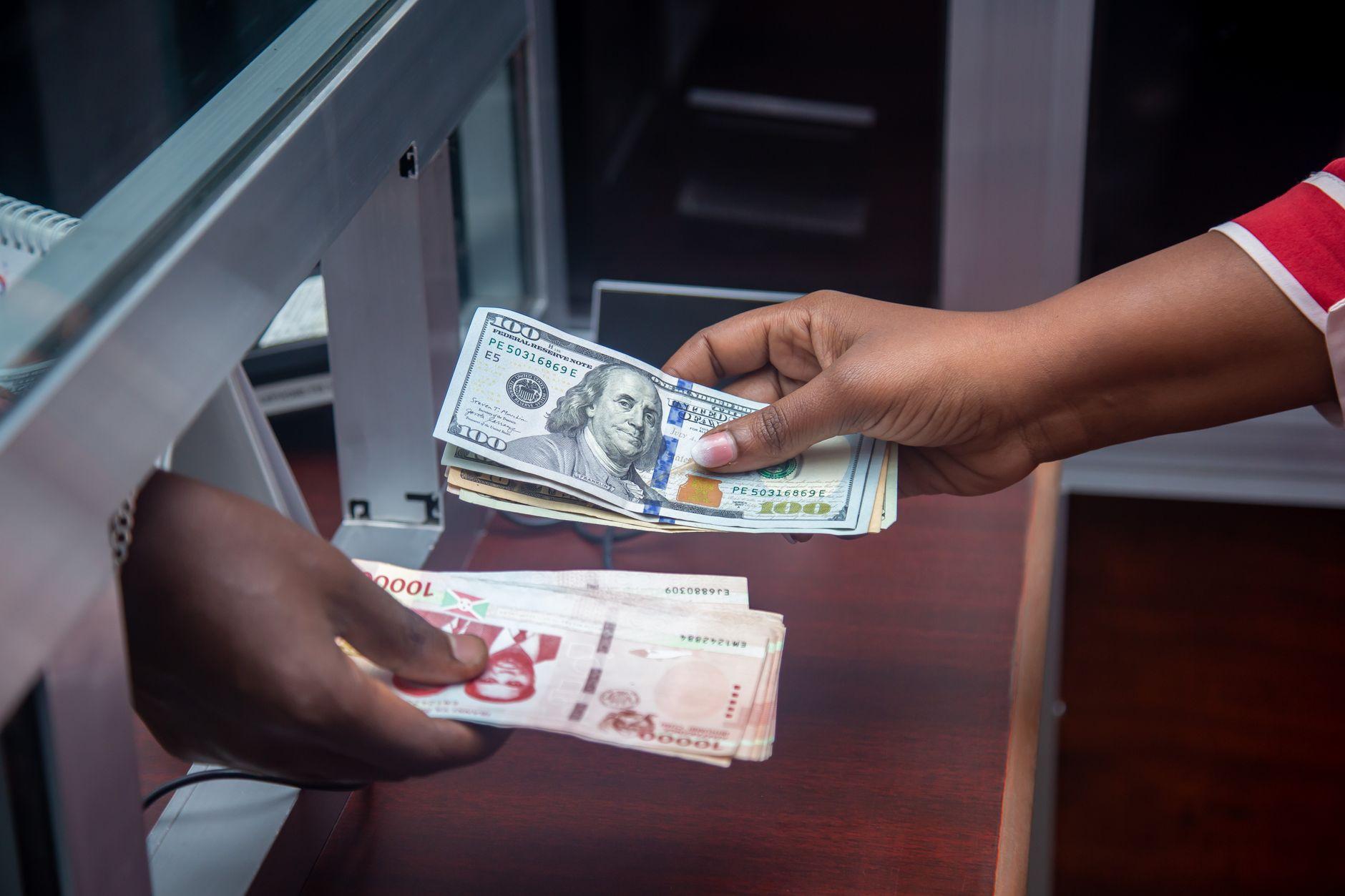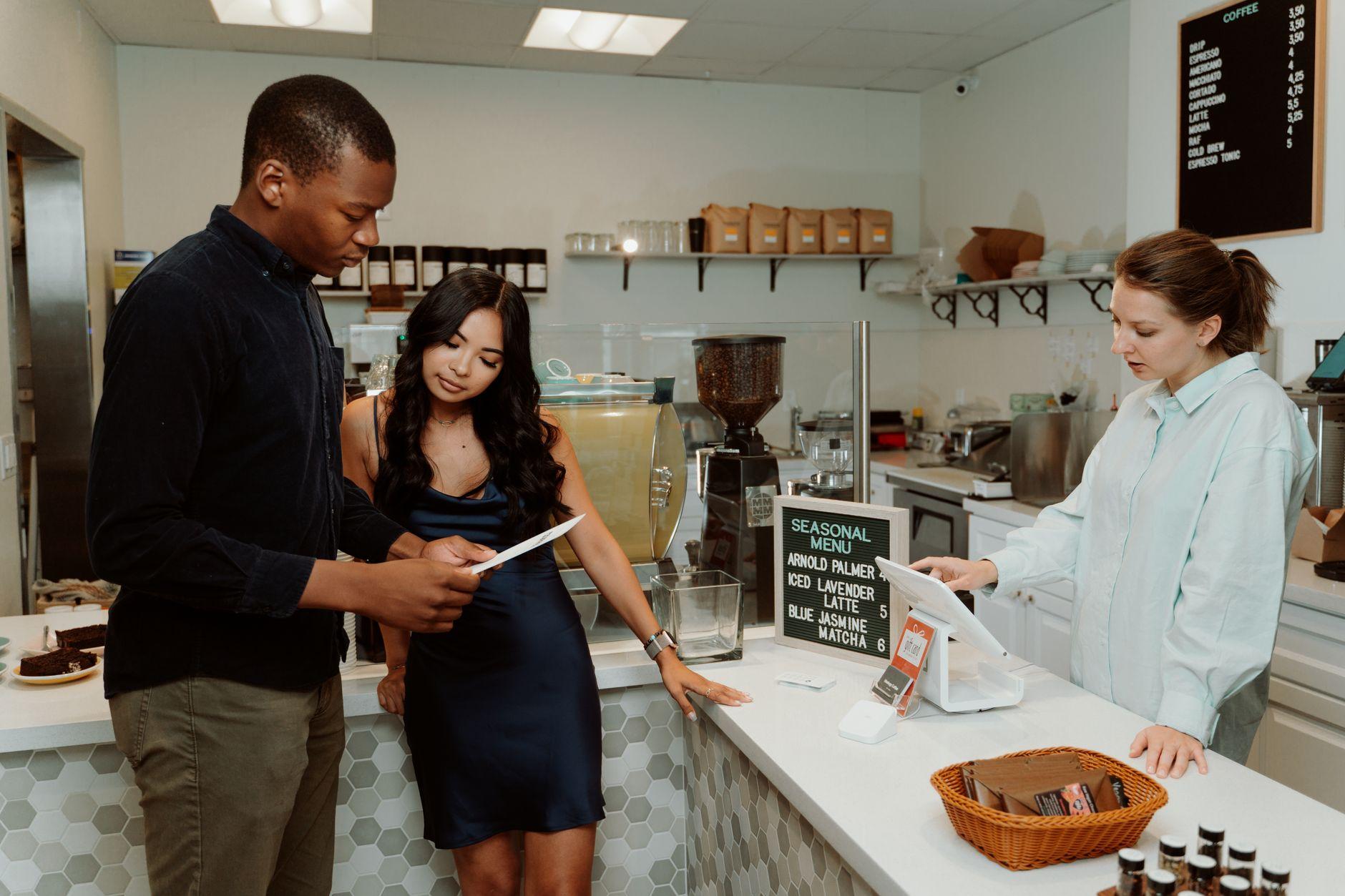

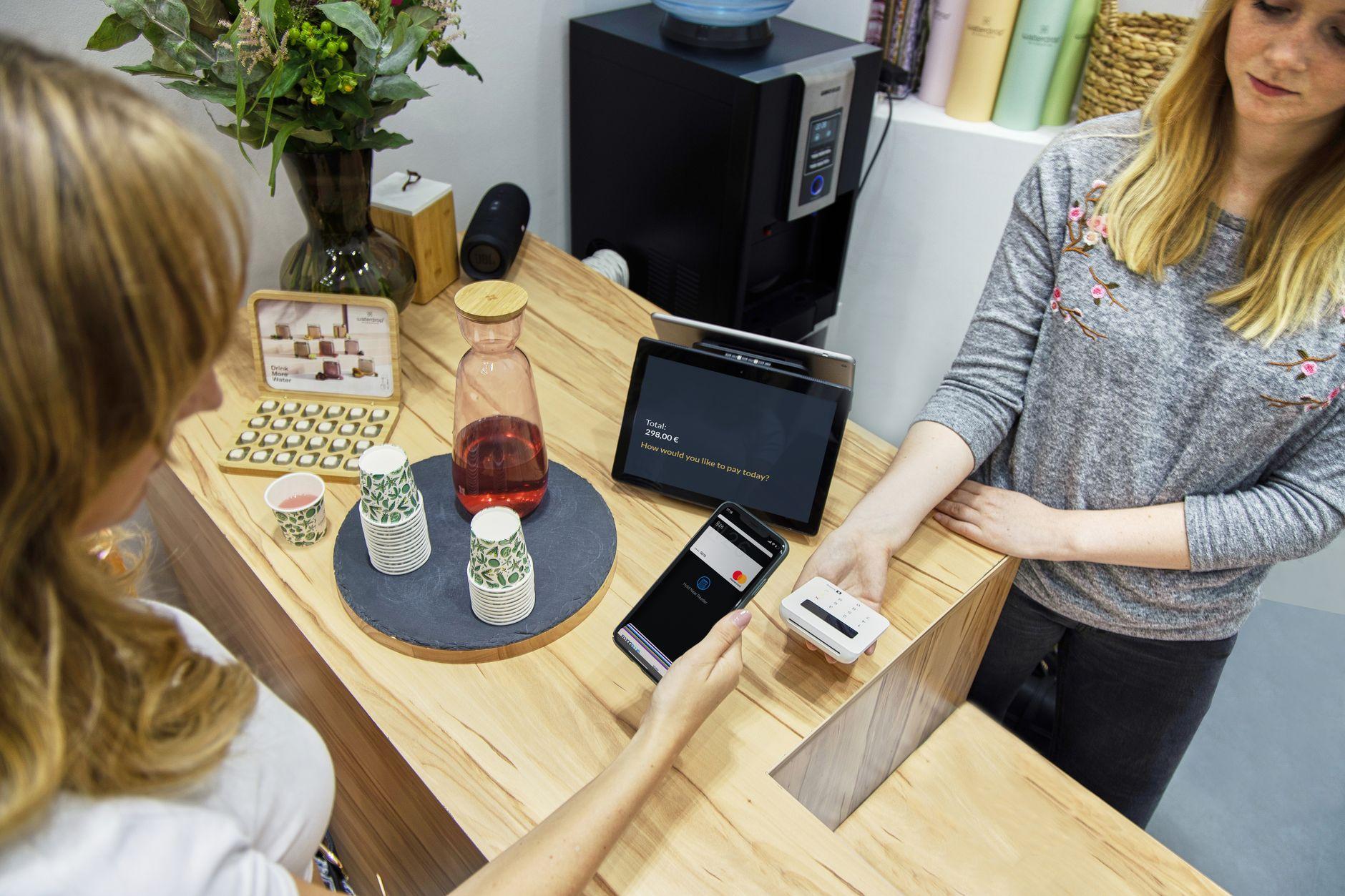
The waiter at a café in Palermo sets down your cortado and two medialunas, then nods at the little plastic stand on the table. There's a QR code on it. The porteño couple next to you already paid theirs, phones out, two seconds, done. You, meanwhile, are doing archaeology in your backpack, digging through a rubber-banded brick of peso bills you exchanged yesterday, trying to remember which denomination is which, and quietly wondering if you got a fair rate for the pile in the first place.
Argentina does this to visitors. It is one of the most QR-forward countries in Latin America, and simultaneously the country where tourists cling to cash the hardest, mostly because someone on a forum told them to. Here are the mistakes that actually cost people money and time in Argentina in 2026, and the simpler way locals (and smart visitors) handle it.
Mistake one: treating the exchange rate like a single number
Argentina's exchange-rate landscape has confused travelers for years. There has historically been more than one relevant rate: the official rate, the rate you effectively get when paying by foreign card, the rate quoted at exchange houses. Visitors arrive with advice from a blog post written during a completely different economic moment, exchange a large sum at the airport, and only later discover the number they got was not the number they should have compared against.
The fix is not memorizing macroeconomics. The fix is refusing to commit money before you can see the conversion. When you pay by QR through Moreta Pay, the exact FX rate and the final amount appear on your screen before you confirm anything. You are comparing a real, visible number to a real, visible price, not gambling on which rate an exchange window or a card network decided to apply that day. If you've ever wondered why a supposedly fee-free card still felt expensive abroad, this breakdown of where cards quietly lose you money explains the mechanics.
Mistake two: exchanging a huge amount on day one
Inflation has made Argentine cash physically annoying. Prices are large numbers, bills add up fast, and a week's spending money can turn into a stack that barely fits in a pocket. Tourists who exchange big on arrival end up carrying that stack everywhere: to the milonga, to the parrilla, on the Subte at rush hour. Then, at the end of the trip, they're stuck with leftover pesos that are painful to change back.
Locals largely stopped playing this game. Everyday payments in Argentina now run heavily on QR codes, primarily through Mercado Pago (the dominant wallet, its QR codes are on seemingly every counter in the country) and MODO, the bank-backed network. The verdulería, the taxi, the kiosco selling alfajores at midnight, the café in Palermo: scan, confirm, done. Keep a modest amount of cash for the genuine holdouts and pay digitally for the rest. We went deep on this for street food specifically in our field-tested look at Argentina's QR myths.
Mistake three: assuming those QR codes are locked to locals
Here's where visitors give up too early. They see the Mercado Pago sticker, correctly guess that signing up requires an Argentine bank account or local credentials, and conclude the whole QR economy is closed to them. Back to the cash brick.
It isn't closed. Moreta Pay lets you scan the same standard QR codes Argentines use, the ones already sitting on the counter, and pay from a wallet you topped up in your own currency from your own bank at home (US bank via Plaid or ACH, SEPA in Europe, UK Faster Payments, Canadian e-Transfer, or an international card). The merchant gets paid in pesos instantly, exactly as if a local had paid. You never opened an Argentine account, never stood in an exchange line, never counted bills under a taxi driver's patient stare.
Mistake four: paying blind in taxis and at markets
The classic tourist loss in Argentina isn't a scam, it's fog. You hand over a fistful of similar-looking bills for a taxi ride, get change you can't quickly verify, and move on because the line behind you is growing. Multiply that by two weeks of ferias, taxis, and empanada stands and the leakage is real.
QR payments remove the fog. Before you confirm a payment, you see the merchant's name and the exact amount. No change to count, no ambiguity about whether that was a 1,000 or a 10,000 peso note. At the Feria de San Telmo on a packed Sunday, being able to pay the exact price on screen instead of negotiating a cash transaction over a crowded table is genuinely a different experience.
Mistake five: hunting ATMs like it's a hobby
Argentine ATMs are famous among travelers for low withdrawal limits and lines, which means cash-dependent tourists end up planning their days around machines. That's vacation time spent standing in a bank lobby in Recoleta when you could be eating your body weight in asado. If your plan for how to pay in Argentina involves the phrase "I'll just take out more when I run low," you've already lost afternoons you won't get back. Going mostly cashless in Argentina isn't a stunt anymore; it's how the country itself operates day to day.
Mistake six: forgetting the QR habit works online too
Booking a domestic flight to El Calafate, a hotel in Mendoza, or a bus to Bariloche often routes you through platforms that accept QR-based payment at checkout. The same scan-and-confirm flow that pays for your cortado works for QR checkouts on sites like Trip.com, so your travel logistics don't have to fall back on a foreign card and whatever conversion it decides to apply.
What a good Argentina money setup looks like in 2026
Keep it boring: a small cash reserve for the rare stall or bus situation that demands it, and a QR wallet for everything else. Top up Moreta Pay before you land or from your hotel Wi-Fi, and you're operationally identical to a local at 95 percent of counters in Buenos Aires, Córdoba, Mendoza, and Salta. Every payment shows you the rate before you commit, which in Argentina, of all places, is the entire game.
The couple at the next table already paid and left. Next time, so can you. Set up Moreta Pay before your flight and scan Argentina's QR codes like you live there.