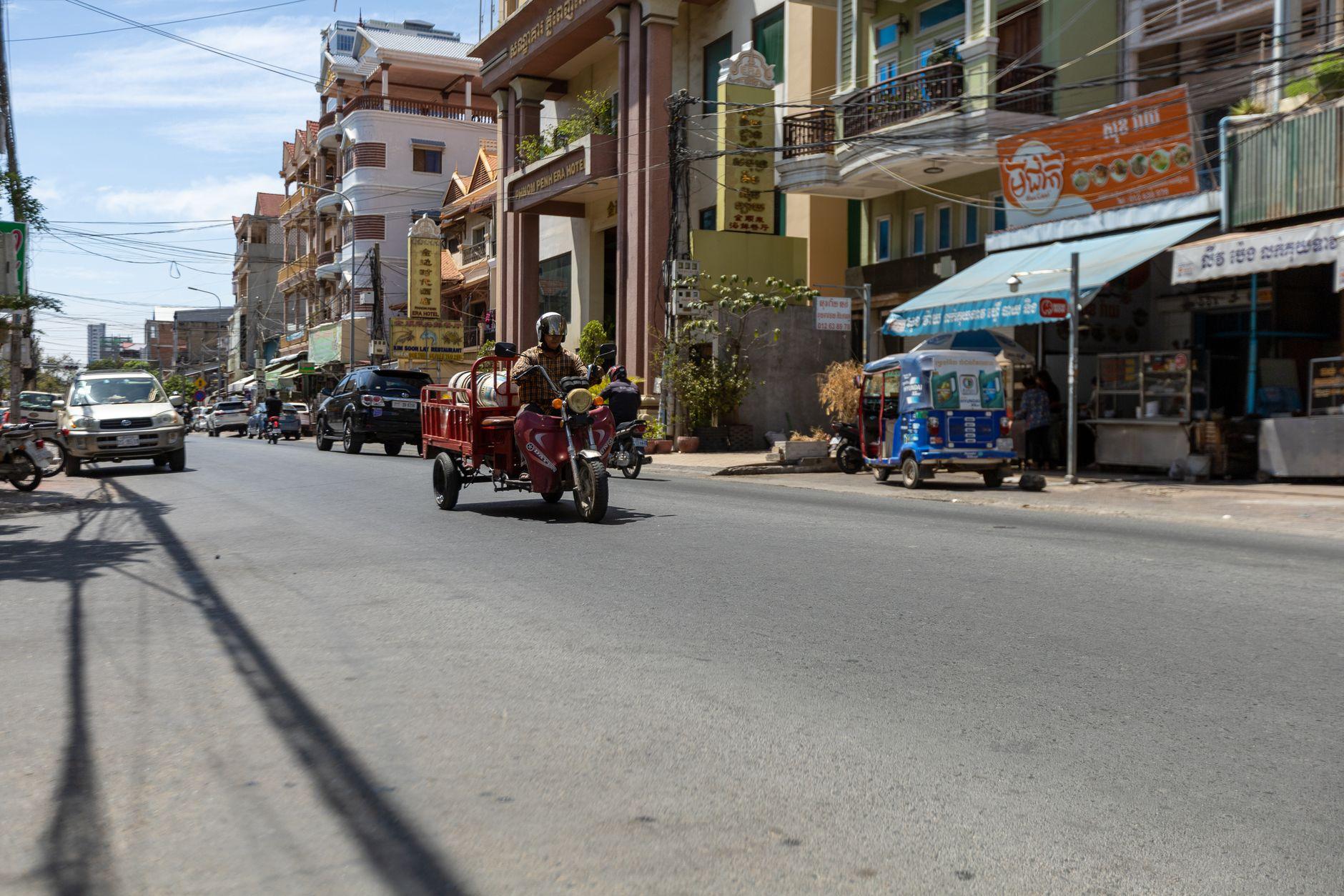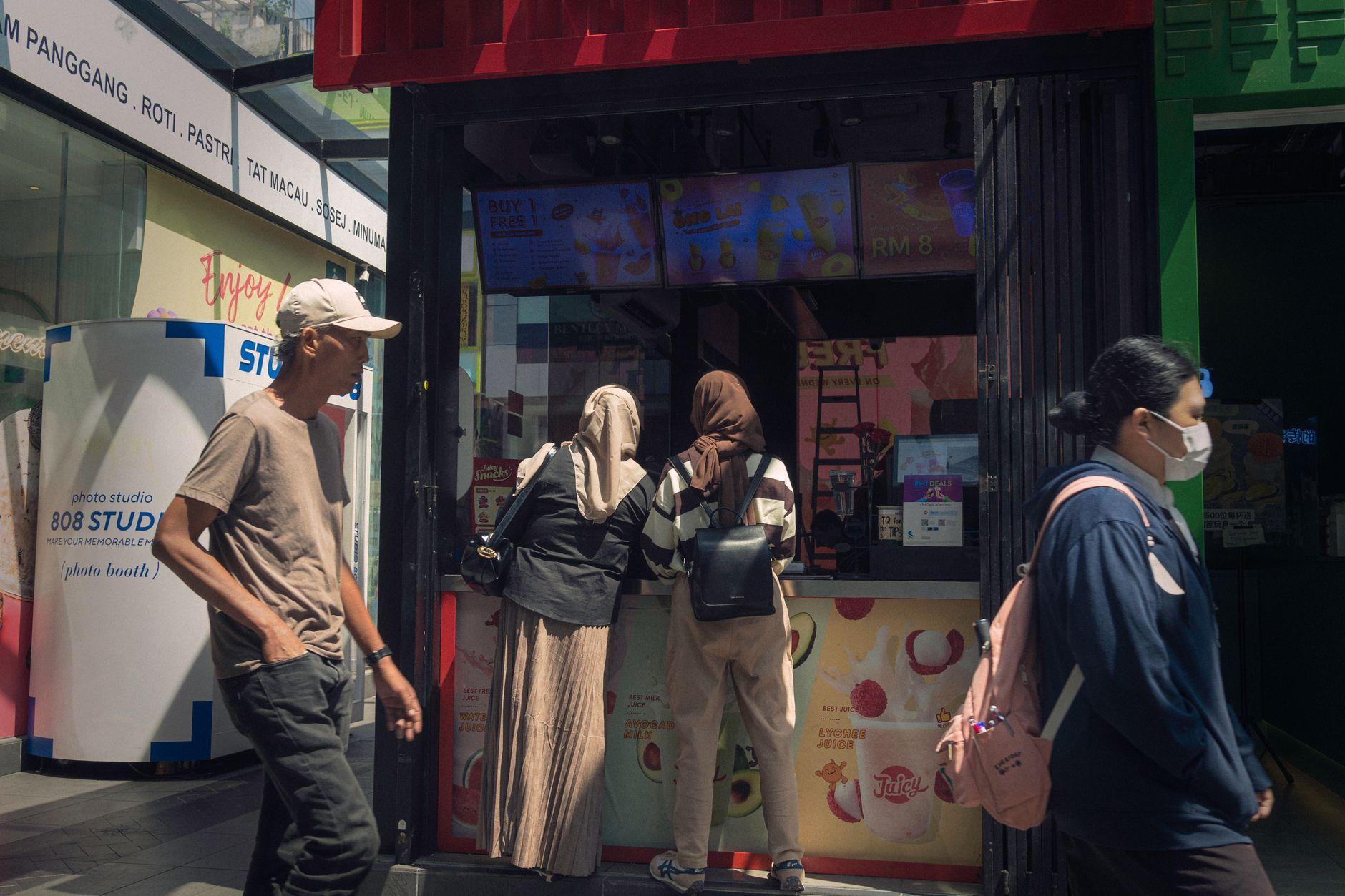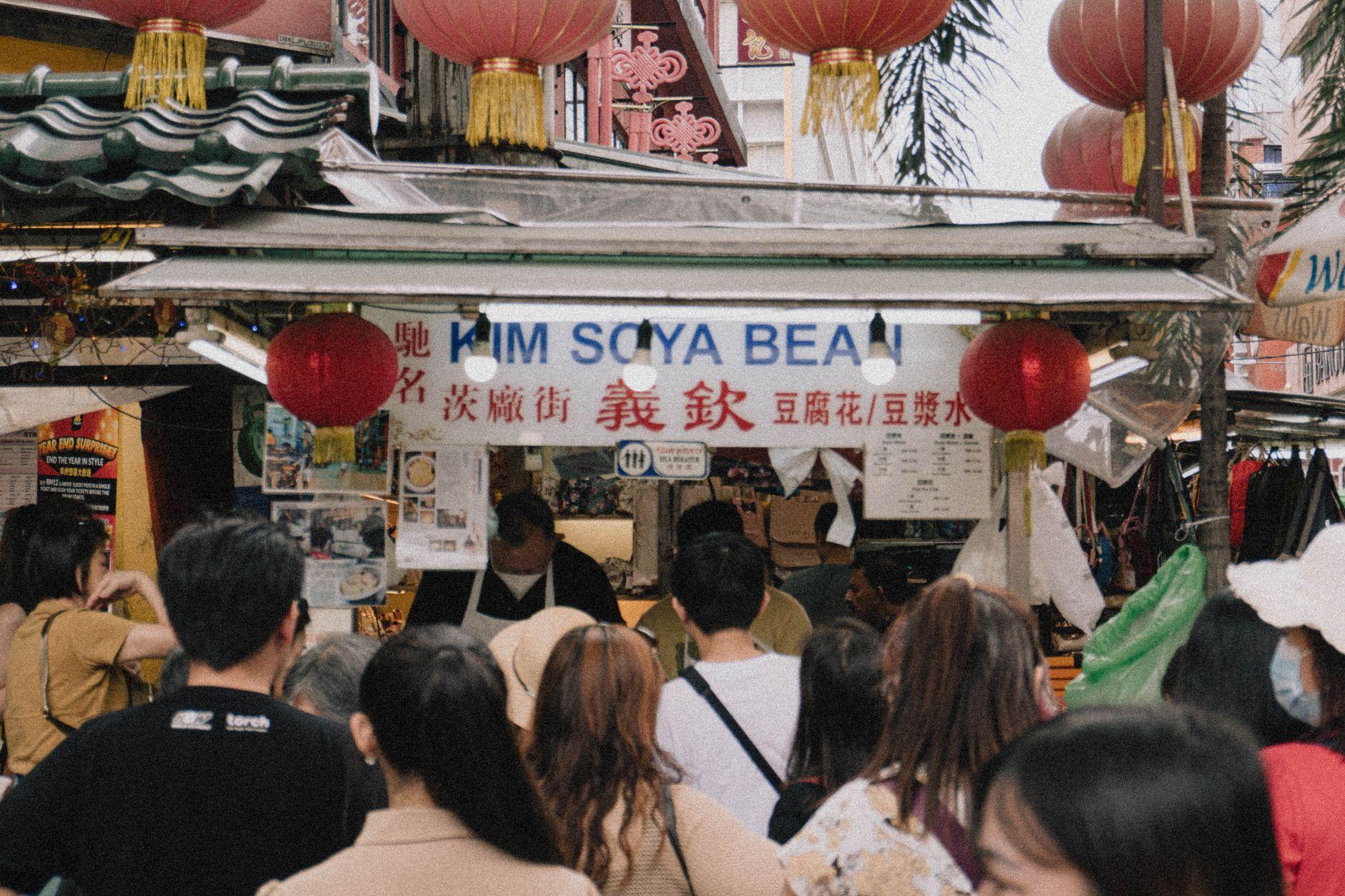

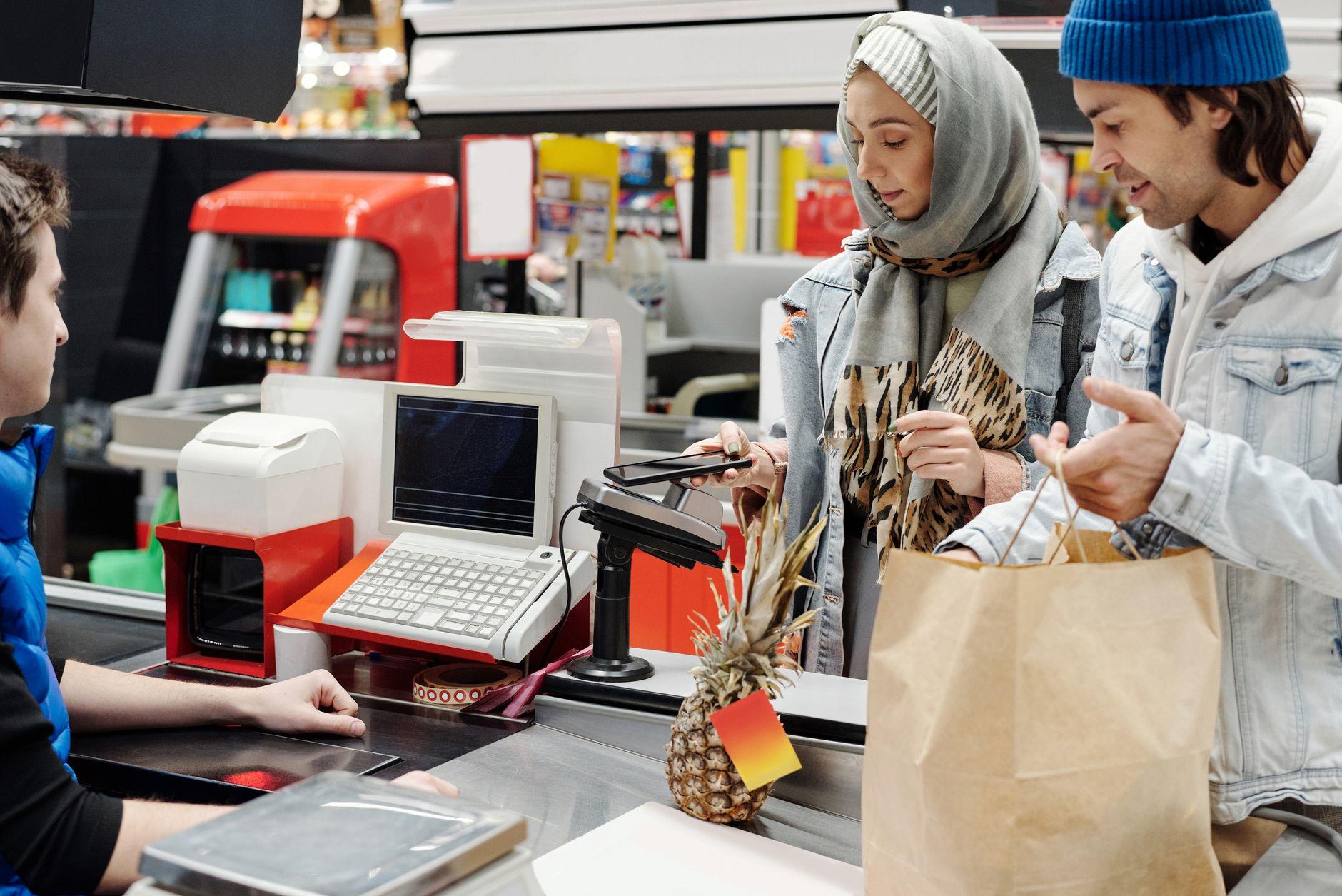
At a mamak counter in Brickfields, the uncle points at a DuitNow sticker. At a juice stand in Copacabana, the attendant turns the card machine toward you. Yet the QR code itself barely changes between continents: DuitNow, KHQR, Pix and Yape all build on EMV-based QR formats and settle payments instantly, so the scan feels the same. What changes is the habit around it. In Malaysia and Cambodia you look for one national logo and usually type the amount yourself. In Brazil the cashier often hands you a code with the amount already inside, or simply reads out a Pix key. In Peru the wallet brand is the rail, so the question at the till is "¿Yape o Plin?" Moreta, the Y Combinator-backed company behind the Moreta Pay wallet, pays all four networks from one balance. These counter habits are exactly where first-time visitors stall.
In Malaysia and Cambodia, find the national logo and enter the amount. In Cambodia, also check whether the code is in dollars or riel. Pix in Brazil means codes with the amount embedded, "Pix copia e cola" text strings, and vendors who read you a key instead of showing a QR. In Peru, the brand on the sticker (Yape or Plin) is what people ask for. Carry a small cash reserve everywhere, and always decline dynamic currency conversion.
About the Author: Moreta Global Inc., registered with FinCEN as a money services business, builds the Moreta Pay wallet. It pays local QR networks across Asia and Latin America, including DuitNow, KHQR, Pix, Yape and Plin, and this guide follows the payment flow on each of those rails.
What actually changes at the counter between Asia and Latin America?
The difference comes down to who fills in the amount and what the payee looks like. Picture the uncle at a mamak counter in Brickfields pointing at a DuitNow sticker taped beside the roti canai griddle. You type the total yourself. Three weeks later, at a juice stand in Copacabana, the attendant taps the card machine and turns it toward you. The QR on that screen already knows what your açaí costs.
Think of a payment QR as a pre-filled bank transfer slip. The code carries the merchant's account details and sometimes the amount. Your app reads the slip and pushes money from your account to theirs, with no card network involved. A static sticker is a slip with the amount box left blank. A dynamic code is a slip the cashier has already filled in.
| Malaysia | Cambodia | Brazil | Peru | |
|---|---|---|---|---|
| Rail | DuitNow QR | KHQR | Pix | Yape, Plin |
| What you look for | One national logo | One national logo | "Pix" on sticker or card machine | The wallet brand |
| Who enters the amount | Usually you | Usually you | Often the cashier | Usually you |
| Currency | Ringgit (MYR) | US dollar or riel (KHR) | Real (BRL) | Sol (PEN) |
| Non-QR alternative you'll hear | Rare | Rare | A Pix key | A phone number |
How does a DuitNow QR payment work in Malaysia?
DuitNow QR is Malaysia's national QR standard, run by PayNet. One sticker accepts payment from any participating bank app or e-wallet, so a nasi lemak stall in Kampung Baru shows a single DuitNow code rather than five brand logos. A DuitNow QR payment is usually a static scan: you scan, type the ringgit amount, confirm, and turn your screen around so the vendor can see the success page. Payment limits are typically set by the individual bank or wallet.
The wall for visitors is the funding side. The rail draws on Malaysian bank accounts and local e-wallets, and a foreign card cannot plug into it.
Why does KHQR in Cambodia involve dollars and riel?
KHQR follows the same national-logo logic as DuitNow, with one twist: Cambodia runs on two currencies. KHQR is the national standard built on the central bank's Bakong system, and a merchant can receive in US dollars or riel. Some stalls at Phsar Thmei display one code for each.
At a Cambodian counter, the useful question is not "do you take QR?" but "which currency is this code in?" Prices are often written in dollars, while small change comes back in riel notes from a biscuit tin. Paying exactly by QR removes the half-dollar, half-riel change problem we covered in our Cambodia guide.
How do you use Pix in Brazil as a tourist?
Crossing to Latin America, the logic flips from "you fill the slip" to "the slip arrives filled." Pix is Brazil's instant payment system, operated by the Banco Central do Brasil. Pix payment in Brazil shows up in three forms:
- Dynamic QR on the card machine. The cashier keys in the total and turns the screen toward you. Scan, check the amount, confirm.
- Pix copia e cola. A long text string sent over WhatsApp or shown at online checkout. Ask for the QR image instead, or take a screenshot of it.
- Pix key. A vendor at a feira in Vila Madalena might read out a phone number or CPF. Ask "Tem QR code?" and most will show one.
Pix for tourists usually hits a wall at signup. Brazilian accounts generally ask for a CPF, the national taxpayer number, which short-stay visitors don't have.
What is different about paying with Yape and Plin in Peru?
Peru breaks the national-logo pattern entirely. Yape, run by BCP, and Plin, backed by several other Peruvian banks, are wallet brands rather than a single standard. At a ceviche cart in Mercado de Surquillo, the vendor asks "¿Yape o Plin?" and points at a sticker carrying the brand name.
You will also hear "yapéame" followed by a phone number. That works for locals whose wallets are tied to Peruvian numbers. As a visitor, ask for the QR.
How does Moreta Pay handle all four rails from one balance?
All four rails accept the same kind of QR, so a single wallet can read each one without a local account. Moreta Pay follows the same steps in every country:
- Top up in your own currency: ACH from a US account (via Plaid), SEPA, Faster Payments, Interac e-Transfer, Visa, Mastercard, American Express, Discover, Apple Pay or Google Pay.
- Scan the DuitNow, KHQR, Pix, Yape or Plin code, or import it from a screenshot.
- Check the merchant name, amount and exact FX rate before confirming.
- Slide to pay. The merchant receives ringgit, riel, dollars, reais or soles instantly, and you get a receipt showing the merchant name and payment number.
Moreta reports one 1.5% fee per payment at the live rate. Per-payment maximums are 12,000 MYR in Malaysia, 16,000 BRL in Brazil and 10,000 PEN in Peru, and the app shows each limit before you pay. USDC/USDT top-ups on Solana are available for spending in Malaysia, Peru and Brazil, but not for Cambodia or China due to local regulations. You need mobile data or Wi-Fi at the moment you pay.
Where do you still need cash in Malaysia, Cambodia, Brazil and Peru?
Cash use is falling fast across Asia as QR codes and phone apps take over [e.vnexpress.net], but none of these countries is fully cashless. Keep a modest reserve:
- Malaysia: a few RM10 notes for parking attendants and night-market stalls with no signal.
- Cambodia: 1,000 and 5,000 riel notes for tuk-tuk tips and temple donation boxes.
- Brazil: a couple of 20 BRL notes for beach vendors when the signal drops.
- Peru: coins and 10-sol notes for combis and market toilets.
When you do use a card or an ATM, the terminal may offer to charge you in your home currency. That is dynamic currency conversion. Decline it every time and choose to be charged in local currency.
What should I set up before landing?
- Install Moreta Pay and complete identity verification with your passport and a selfie at home.
- Top up from your home account before you fly, since some rails take longer than others.
- Save four phrases: "DuitNow boleh?", "KHQR dollar or riel?", "Tem QR code?" and "¿Yape o Plin?"
The five-second version: the QR standard is shared, but the counter habits are not, so learn the habit before you learn the app.
Frequently Asked Questions
Can tourists use Pix without a CPF?
Opening a Brazilian Pix account generally requires a CPF. A wallet like Moreta Pay lets you scan Pix QR codes without one.
Is DuitNow QR the same as Touch 'n Go?
No. DuitNow QR is the national standard. Touch 'n Go is one of the e-wallets that can pay it.
Does Moreta Pay work with both Yape and Plin?
Yes. Moreta Pay supports both Peruvian wallets.
Can I pay a Pix key instead of a QR code?
Ask the vendor for the QR code. Moreta Pay pays by scanning or importing a code.
Do merchants need the Moreta app?
No. Only the payer installs it, and the merchant receives local currency as usual.
Is Moreta a bank?
No. Moreta Global Inc. is a Delaware corporation registered with FinCEN as a money services business. Funds are held with licensed partner banks.
About Moreta
Moreta Global Inc. builds Moreta Pay, a wallet for travelers, expats and digital nomads who want to pay like locals across Asia and Latin America. The app scans the native QR rails covered here, including DuitNow, KHQR, Pix, Yape and Plin, plus networks such as QR Ph, VietQR, Bre-B and QPay. Before every payment it shows the merchant name, amount and live exchange rate, and it charges a single 1.5% fee. Moreta is backed by Y Combinator (Summer 2024) and registered with FinCEN as a money services business.
If your next trip runs from a mamak counter in Kuala Lumpur to a ceviche cart in Lima, learn how one balance covers every stop at https://moretapay.com/.