
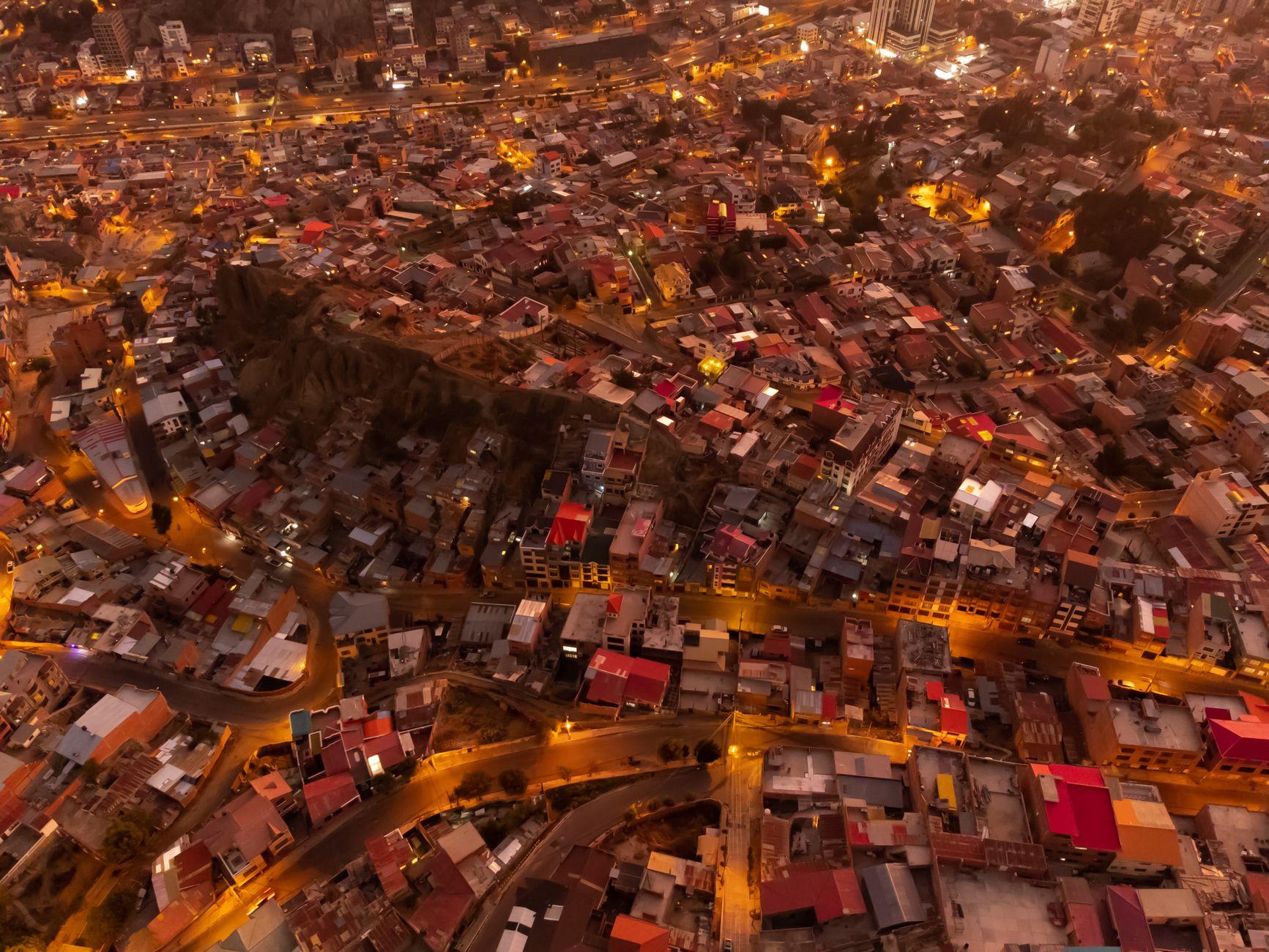
Bolivia does something few countries manage anymore: it makes you plan your money like it is 2010 in one town and 2026 in the next. In La Paz and Santa Cruz, QR Simple codes (the central bank's interoperable QR standard) are showing up on cafe counters, in pharmacies, and taped to the glass at juice stands. Three hours away on the altiplano, the only question anyone asks is whether you have exact change in bolivianos.
So the honest way to answer "how to pay in Bolivia" is not to crown one method. It is to weigh four of them, see where each one actually works, and build a small system out of the survivors.
Option one: bolivianos, the undefeated incumbent
Cash still runs most of Bolivia, and pretending otherwise will leave you hungry. Market stalls in Cochabamba, trufis and micros everywhere, the salteña lady who sells out by 11 a.m., the boat across to Isla del Sol, almost all of it is cash, often small cash.
Pros: universal acceptance, no technology required, and it is the only thing that works in Uyuni, Copacabana, Rurrenabaque, Samaipata, and basically anywhere a tour bus goes.
Cons: getting it is the hard part. Outside La Paz, Santa Cruz, and to a lesser extent Sucre and Cochabamba, ATMs that accept foreign cards are genuinely scarce. Many machines in smaller towns only serve local cards, and the ones that do take yours may be empty on weekends. Add the familiar double hit of your bank's fee stacked on the operator's fee, plus the breaking-a-200 problem (large notes get polite refusals at small stalls), and cash becomes a logistics project, not a convenience.
Option two: your foreign Visa or Mastercard
Cards have a narrow but real lane. Hotels, the bigger supermarkets like Ketal and Hipermaxi, chain restaurants in Zona Sur in La Paz or Equipetrol in Santa Cruz, and most airlines and bus company offices in the cities will take a foreign card without drama. Some terminals will ask to see your passport, which is normal, keep a photo handy.
Pros: no planning needed for the places that take them, and useful for big-ticket items like multi-day Uyuni tours booked through an agency office in town.
Cons: acceptance falls off a cliff below the hotel-and-supermarket tier. The almuerzo spot with the three-course lunch, the lavandería, the corner tienda, none of them have a terminal. And when cards do work, your issuer's foreign transaction fee and an occasionally unfavorable dynamic currency conversion prompt (always choose bolivianos, never your home currency) quietly tax every swipe.
Option three: a local Bolivian wallet or bank app
This is where Bolivia gets interesting. QR Simple has given local bank apps a shared QR language, so a shopkeeper with one printed code can accept payments from customers across different Bolivian banks. Paceños and cruceños increasingly pay for coffee, pharmacy runs, and even street food this way, and merchants like it because there is no terminal to rent.
Pros: if you could use it, it would be the smoothest option in the two big cities. Instant, exact-amount, no change problem.
Cons: you almost certainly cannot use it. These apps sit on top of Bolivian bank accounts, which require a local ID (carnet de identidad) or residency paperwork that a nomad on a tourist stamp does not have. It is the same wall travelers hit with Yape next door in Peru: the rails exist, the front door is locked to foreigners.
Option four: joining QR Simple without the bank account
This is the gap Moreta Pay fills. You top up a wallet from your own bank at home (US accounts via Plaid or ACH, SEPA in Europe, UK Faster Payments, Canadian e-Transfer) or an international card, in your own currency. Then you scan the exact same QR Simple code the local in front of you just scanned. Before you confirm, you see the amount, the merchant name, and the FX rate, and the merchant is paid instantly in bolivianos.
Pros: you get the locked-door option from above, unlocked. No Bolivian bank account, no ATM pilgrimage for city spending, no guessing what the conversion cost you, because the rate is on screen before you tap confirm. It also covers QR-based online checkouts, which matters more than you would expect for booking flights and hotels from inside the country.
Cons: Moreta Pay is only as useful as the QR code in front of you. In La Paz and Santa Cruz that is an expanding share of daily life. In a village on the salar, there is no code to scan, and no app on earth changes that.
The split that actually works
Put the four options together and a clear two-part system emerges.
In La Paz and Santa Cruz: lead with QR. Cafes in Sopocachi, minimarkets, pharmacies, an increasing number of market vendors, scan the QR Simple code with Moreta Pay and keep your cash in reserve. Use your physical card only at the hotel tier where it is frictionless anyway.
Everywhere else: cash, withdrawn before you leave the big cities. Treat La Paz and Santa Cruz as your ATM bases, because a working foreign-card machine in Uyuni or Copacabana is a pleasant surprise, not a plan. Withdraw what the next leg needs, break the 200s and 100s at a supermarket while you still can, and carry small notes like they are a second passport.
Sucre and Cochabamba sit in between: cash-first, but QR codes appear often enough in newer cafes and restaurants that having a working QR option saves you real change-counting time.
Three Bolivia-specific habits worth stealing
Count your rural days, not your total days. Your cash needs are driven almost entirely by how long you will be outside the QR cities. A month based in Sopocachi needs far less paper than a week split between the salar and Lake Titicaca.
Always check the merchant name on screen. QR payments in Bolivia often happen at stalls where codes are taped side by side for neighboring vendors. The confirmation screen showing the merchant name before you pay is not a formality, it is your receipt that the right person got paid.
Never leave a city low on both cash and wallet balance. Top up your Moreta Pay wallet on hotel wifi and hit the ATM the same afternoon. Redundancy is cheap in Bolivia, and being stuck without either is not.
Bolivia without cash is not realistic yet, and Bolivia on cash alone is more ATM anxiety than anyone needs. The country rewards travelers who match the method to the place. If your route includes La Paz or Santa Cruz, set up Moreta Pay before you land and let the QR Simple side of Bolivia carry its share of the load.