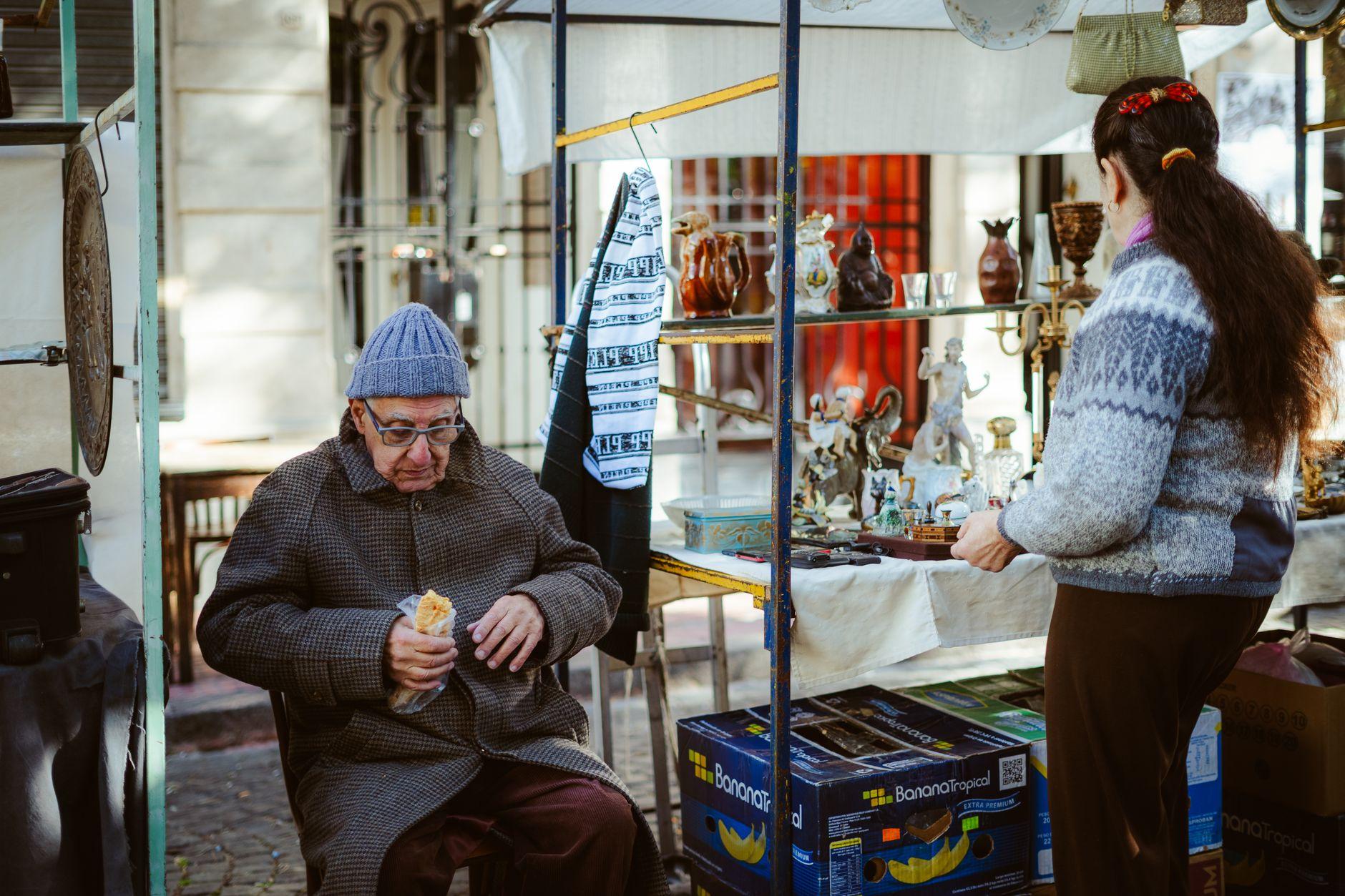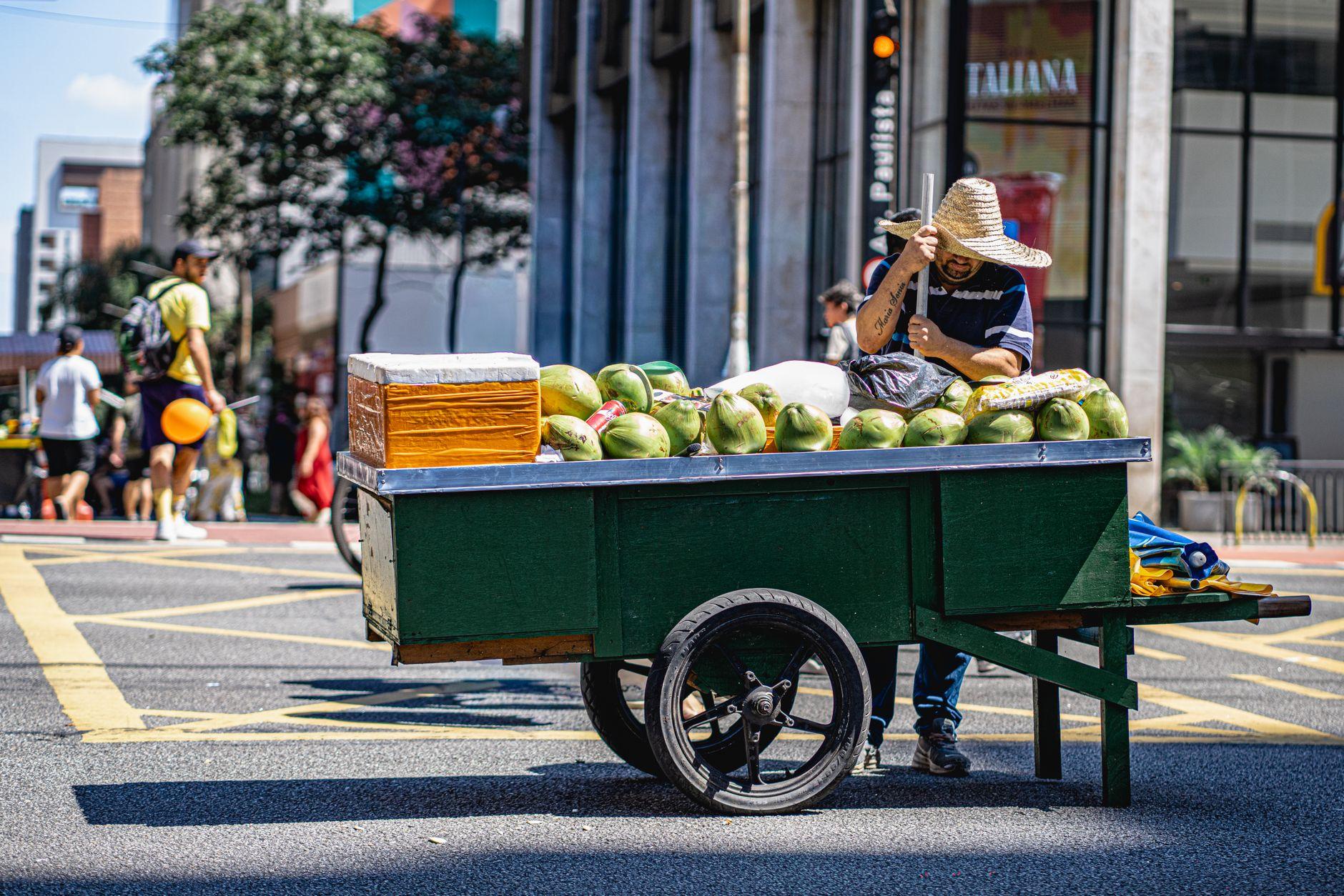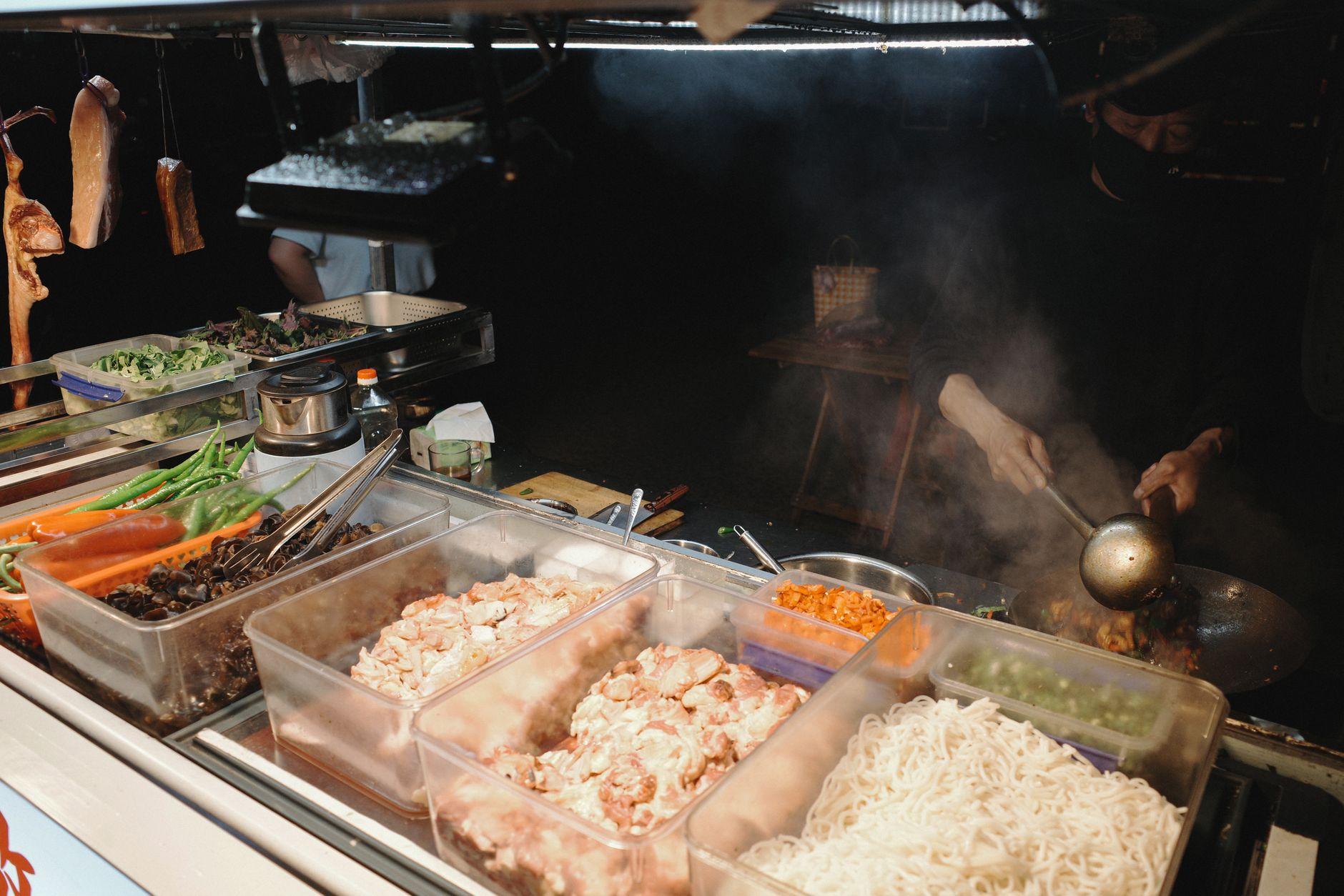

Bolivia is a two-speed country when it comes to paying for food. In La Paz and Santa Cruz, you will see laminated QR codes taped to salteña carts, juice stands, and mercado stalls, and locals paying with a quick scan. Step outside those cities, or even just into the wrong aisle of the wrong market, and you are back to a pure cash economy where a 100 boliviano note is treated like a problem to be solved.
Get this split right and eating your way through Bolivia is cheap and easy. Get it wrong and you will spend half your trip hunting for ATMs that accept your card. Here is the practical version.
QR Simple is real, and it lives at street level
Bolivia's interoperable QR standard is called QR Simple, and its growth has been fastest exactly where travelers eat: urban markets, street carts, and small comedores in La Paz and Santa Cruz. The vendor prints one QR code, sticks it to the cart or the wall, and any participating wallet or bank app can pay it. There is no terminal, no card machine, no minimum spend argument.
Watch how locals use it. They scan, type the amount, show the confirmation screen, and the vendor glances at their own phone to check the money landed. That last step matters. At a busy anticucho stand at night, always wait until the vendor nods before you walk off with your skewer.
As a visitor, the catch has always been that local QR payments assume a local bank account. That is where Moreta Pay fits: you top up a wallet from your home bank or card in your own currency, scan the same QR Simple code the person in front of you just scanned, check the amount and FX rate on screen, and confirm. The vendor gets bolivianos instantly, and you never touched an ATM.
Where the QR codes actually are (and are not)
Rough map for eaters:
Strong QR territory: central La Paz markets like Mercado Lanza and Mercado Rodríguez, salteñerías and juice stalls in Sopocachi and San Miguel, the comedores and stalls around Mercado Los Pozos in Santa Cruz, and most sit-down almuerzo spots in both cities. Many stalls in El Alto's enormous 16 de Julio feria now have codes too, though plenty still do not.
Mixed territory: Cochabamba and Sucre. You will find QR codes at established market stalls and restaurants, but the woman selling api con pastel from a thermos on the corner probably wants coins.
Cash territory: Copacabana's lakeside trucha stands, the Tarabuco Sunday market, Uyuni and anywhere on a salt flats tour, roadside stops on long bus routes, and basically any rural feria. Assume cash only and be pleasantly surprised if you are wrong.
The small change problem is the real problem
Here is the thing nobody warns you about: in Bolivia's cash economy, the hard part is not getting cash, it is getting usable cash. ATMs dispense large notes. Street vendors selling five boliviano salteñas often cannot break them, and "no hay cambio" is a phrase you will hear daily.
Practical moves:
Break big notes at supermarkets, pharmacies, and bus terminals, where change is expected. Hoard 10s, 20s, and coins like they are precious, because at a market stall they are. Pay for anything larger (a sit-down lunch, a market stall with a QR code, groceries) by QR when you can, specifically so your small bills survive for the vendors who need them.
This is the underrated reason QR payments are great for travelers in La Paz and Santa Cruz. Every scan is exact change. No awkward standoff over a 100 note, no pocket full of coins you will never spend, no leftover bolivianos to convert at a loss on the way out.
Plan your cash around the ATM map, not the other way around
Outside the big cities, ATMs that accept foreign cards get scarce fast. Uyuni famously has a handful of machines, queues before salt flats tours, and no guarantee your card works in any of them. Copacabana is similar. Smaller towns on the Sucre and Potosí circuit can be worse.
So flip your planning. Instead of asking "where will I find an ATM," ask "how many cash-only days am I about to have," and withdraw for all of them while you are still in La Paz, Santa Cruz, Cochabamba, or Sucre. If you are weighing how much each withdrawal actually costs you, our country-by-country guide to ATM operator fees covers what to expect across Latin America.
Then let QR handle the cities, so the cash you carried lasts for the places that truly need it.
A tasting day in La Paz, paid both ways
To make it concrete, here is how a food day in La Paz actually breaks down.
Morning: salteñas around mid-morning, because that is when Bolivians eat them and when they run out. Established salteñerías and many carts in the center take QR Simple. Scan, confirm, eat carefully (the juice inside will get you).
Lunch: an almuerzo in a mercado comedor, soup plus segundo. Mercado Lanza stalls increasingly have QR codes at the counter. If yours does not, this is a job for a 20 boliviano note.
Afternoon: fresh juice at Mercado Rodríguez. Juice stands were early QR adopters because nobody wants to handle coins with wet hands. Good odds you can scan.
Night: anticuchos with peanut sauce from a street grill. Fifty-fifty on QR depending on the vendor. Have coins ready, scan if you can.
One phone with a funded Moreta Pay wallet plus a modest stack of small bills covers that entire day without a single ATM visit.
If Bolivia is one stop on a longer route
Plenty of travelers hit Bolivia in the middle of an overland run through Peru and Argentina, and each border changes which QR network you are scanning. We broke down exactly how that transition works in our guide to paying your way from Lima to La Paz to Buenos Aires. The short version: the local rails change at every border, but your side of the transaction does not have to.
That is the whole appeal for a trip like Bolivia. You cannot open a Bolivian bank account for a two week visit, and you do not need to. Keep your money in your home currency, convert at the moment you pay, see the rate before you confirm, and spend bolivianos like someone who lives there. Fund a Moreta Pay wallet before you land and your first salteña can go on QR: set up Moreta Pay here.