
Ask around in any expat forum about money in Bolivia and you will hear the same confident advice repeated: bring stacks of cash, forget your cards, and expect nothing digital to work. Some of that advice was true once. Some of it is still true in specific places. But if you are planning a stretch in La Paz, Santa Cruz, or Cochabamba in 2026, a lot of it will steer you wrong. Let's take the most common beliefs apart one at a time.
Myth one: Bolivia runs entirely on cash
This is the big one, and it is outdated in the cities. Bolivia's interoperable QR system, usually just called QR Simple, has spread quickly through La Paz and Santa Cruz. You will see the printed QR codes taped to the glass at cafes in Sopocachi, propped on counters at salteña shops, and pinned to the stalls of market vendors who have never owned a card terminal in their lives. Locals open their bank app, scan, and the money lands in the merchant's account instantly.
What makes QR Simple different from the old card-machine model is that it costs the merchant almost nothing to adopt. A laminated piece of paper is the entire setup. That is why a juice vendor in Mercado Lanza can accept digital payments while a mid-range restaurant might still have a temperamental card reader.
The honest caveat: step outside the big cities and the picture flips. Small towns in the altiplano, the Salar de Uyuni circuit, and most of rural Bolivia remain firmly cash-first. The right mental model is not "cash country" or "digital country." It is both, split by geography.
Myth two: your foreign debit card will handle everything via ATMs
Plenty of newcomers plan to simply withdraw bolivianos as they go. In La Paz or Santa Cruz you can usually find an ATM that accepts foreign cards, though not every machine will cooperate, and you may try two or three before one works. Outside the major cities, ATMs that take international cards become genuinely scarce. Expats living in smaller cities often describe planning entire trips to a bigger town around a cash withdrawal.
That means the ATM-only strategy has a structural weakness: your access to money depends on being near one of a limited number of machines, on that machine being stocked, and on your home bank not flagging the transaction. Anyone who has stood in front of a declined ATM screen at 9pm knows how quickly this plan falls apart.
Myth three: you need a Bolivian bank account to use QR Simple
Here is where expats usually give up. QR Simple payments flow through Bolivian bank apps, and opening a local account as a foreigner typically means residency paperwork, in-person visits, and patience. Many expats on tourist entries or early-stage visas simply cannot get one, so they assume the entire QR ecosystem is closed to them.
It is not. This is exactly the gap Moreta Pay exists to fill. You top up a wallet from your own bank at home (a US account via Plaid or ACH, SEPA in Europe, UK Faster Payments, or Canadian e-Transfer, or an international card), then scan the merchant's standard QR code, the same printed code every local scans. The app shows you the amount, the merchant's name, and the exact FX conversion before you confirm, and the merchant gets paid in bolivianos on the spot. No local account, no residency file, no branch visit.
One practical note for the planners: wallet top-ups from a bank are not always instant, so load your balance before you need it rather than at the register. We covered the timing question in detail in how early to send an ACH top-up before paying QR codes abroad.
Myth four: credit cards are a reliable backup in the cities
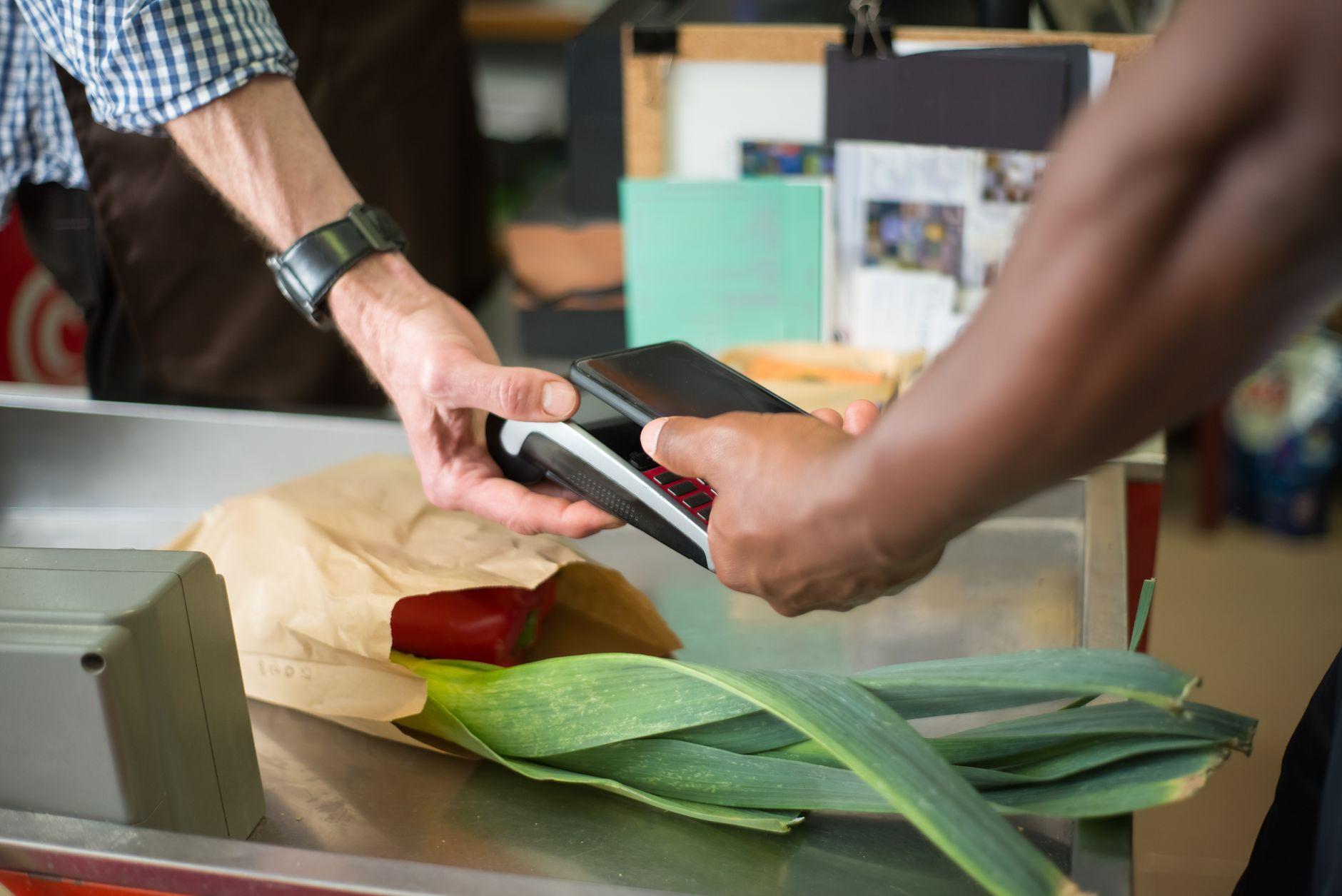
Compared to neighbors like Chile or Brazil, Bolivia is noticeably less card-friendly. Upscale restaurants, chain supermarkets, and larger hotels in La Paz and Santa Cruz usually take cards. Beyond that tier, terminals thin out fast, and even where they exist, foreign cards sometimes fail for reasons nobody at the counter can explain. Meanwhile the humble QR code sits on the same counter working perfectly, because it does not care where your card was issued.
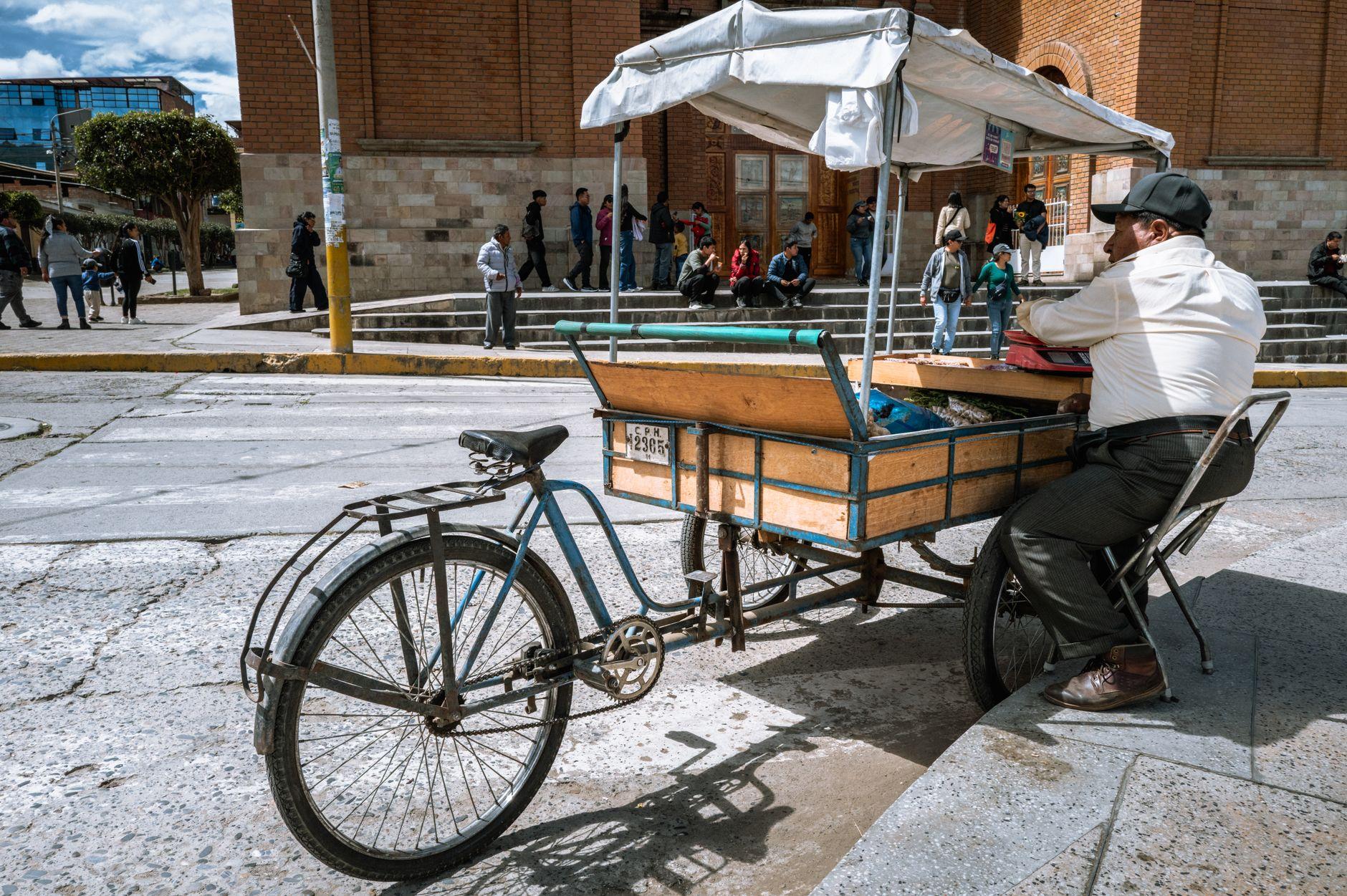
The practical consequence is a strange inversion: in Bolivia, the street-level economy (markets, minibuses' corner shops, family restaurants) is often more digitally reachable through QR than the mid-range economy is through cards. If you can scan QR codes, you have access to more of daily life than your Visa does.
Myth five: carrying a thick stash of dollars is the safest strategy
Bringing some US dollars to exchange is sensible, especially for rural travel. Relying on a large cash pile as your entire system is not. You take on the risk of loss or theft, the hassle of finding good exchange houses, and the daily grind of Bolivia's famous small-change problem. Hand a vendor a 100 boliviano note for a 7 boliviano purchase and watch the negotiation over change begin. QR payments are exact to the centavo, which quietly removes one of the most persistent frictions of Bolivian daily life.
Security works differently with QR too. Instead of a card leaving your hand or cash leaving your pocket, you review each payment on your own screen first. A payment app worth trusting should make you confirm every single payment with the merchant name and converted amount visible, and that is how Moreta Pay handles every scan.
What a sensible setup actually looks like
Pulling the corrected picture together, here is how experienced expats in Bolivia tend to structure their money:
- QR for city life. Groceries, cafes, market stalls, restaurants, and many services in La Paz, Santa Cruz, and Cochabamba can be paid by scanning QR Simple codes. With Moreta Pay funded from your home bank, you join that ecosystem the day you land.
- A modest cash float, not a fortune. Keep enough bolivianos in small notes for minibuses, rural trips, and the holdout vendors. Replenish it in cities where ATMs and exchange houses are reliable, before you travel outward.
- Cards as a narrow backup. Useful at hotels and larger stores, but never your primary plan.
- Extra cash planning for everywhere else. Uyuni, Rurrenabaque, Copacabana, small altiplano towns: assume cash only and withdraw before you leave the city.
Bolivia rewards people who match their payment method to the place they are standing. In the cities, that increasingly means a phone and a QR code. In the countryside, it still means well-organized cash. The mistake is treating the whole country as one or the other.
If you want to be scanning QR Simple codes alongside the locals from your first morning salteña, set up your wallet before your flight. You can get Moreta Pay ready for Bolivia here, fund it from your own bank in your own currency, and leave the ATM hunt to everyone who still believes the myths.