
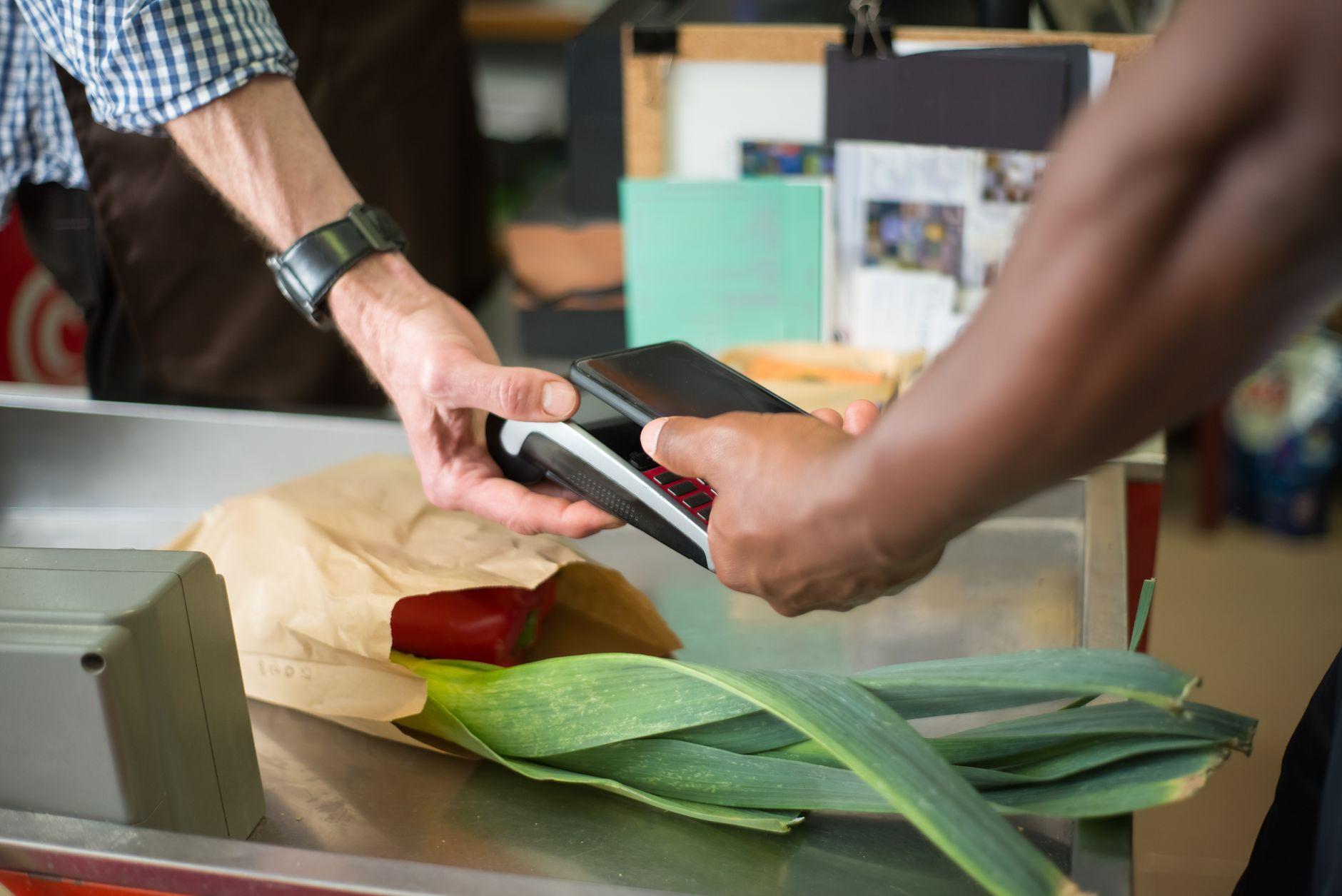
Stand at any padaria counter in São Paulo at 8am and listen. The question is almost never "cash or card?" It's one word: "Pix?"
Pix is Brazil's instant payment system, and in daily life it has quietly become the default. The woman selling açaí on the beach in Rio has a Pix QR code laminated to her cart. Your Uber driver will happily take Pix if the app payment fails. The guy fixing your apartment's leaky faucet will text you a QR code when he's done. For locals, it's instant, it's simple, and it's everywhere.
For a newly arrived expat, there's one problem. Pix traditionally runs through Brazilian bank accounts, and opening one usually means a CPF, proof of address, and patience with paperwork. Many expats spend their first months in Brazil watching everyone around them pay in two seconds while they fumble with a foreign card that the merchant would rather not take.
You don't have to live like that. Here's the practical playbook.
Your first week in Brazil, itemized
Forget abstractions. Here's where the no-bank-account problem actually bites during a normal expat week:
- The feira. Saturday street markets are where Brazilians buy produce, and vendors overwhelmingly prefer Pix. Some take cash reluctantly. A foreign Visa? Often not even an option.
- The padaria and the lanchonete. Your daily coffee, pão de queijo, and a prato feito at lunch. Small ticket, Pix-first culture, and card minimums are common at the smallest places.
- The handyman, the cleaner, the barber. Service people in Brazil quote a price and expect Pix. Showing up with exact cash feels increasingly old-fashioned, and they may not have change.
- Transport. Ride-hailing drivers, moto-taxis in smaller cities, even some bus top-up kiosks lean on Pix when cards misbehave.
- The unexpected. Condo move-in fees, a deposit to hold an apartment viewing, splitting a churrasco bill with new friends. All Pix moments.
Notice the pattern: the cheaper and more local the transaction, the more likely Pix is the only smooth way to pay.
Why your foreign card only gets you halfway
Cards do work in Brazil, at supermarkets, pharmacies, and chain restaurants. But relying on them as an expat has three recurring costs.
First, coverage. The places you'll frequent most as a resident (the corner padaria, the feira, the neighborhood lanchonete) are exactly the places where small merchants prefer Pix over cards, because card terminals cost them money and Pix settles instantly.
Second, friction. Foreign cards get declined in Brazil more often than you'd expect, especially online and in apps. Every expat has a story about a card that worked Monday and failed Wednesday.
Third, the quiet fee stack. Foreign transaction fees and vague exchange rates on your home card add up fast when every pastel and bus ride goes through it. We went deeper on this in what tourists get wrong about paying in Brazil, and the short version is that tourists without Pix consistently pay more and wait longer than everyone around them.
Scan the same QR code the locals scan
Here's the move that changes everything: you don't actually need a Brazilian bank account to pay a Pix QR code. You need an app that can read it and settle it for you.
That's what Moreta Pay does. You connect your home bank (US banks via Plaid or ACH, European SEPA, UK Faster Payments, Canadian e-Transfer) or an international card, and top up a wallet in your own currency. When the feira vendor points at their Pix QR code, you scan it with Moreta Pay like any Brazilian would. The app shows you the amount in reais, the exact exchange rate, and the merchant's name before you confirm anything. Tap confirm, and the merchant is paid instantly in reais.
From the vendor's side, nothing is different. They got a Pix payment, same as from any local customer. From your side, you skipped the ATM run, skipped the foreign card roulette, and saw the real FX rate up front instead of discovering it on a statement three days later.
Pix isn't just for counters
Once you're set up, the same wallet covers the less obvious corners of expat life in Brazil.
Bills. In supported countries, Moreta Pay handles QR-based bill payments, which matters once you're renting and utilities start arriving with scannable payment codes.
Online shopping and travel. Brazilian e-commerce checkouts love QR payment options, and platforms like Shopee, Trip.com, and Agoda support QR-based payment flows that foreign cards often choke on. Scanning the checkout QR from your phone sidesteps the "card declined" spiral entirely.
Paying people, not just shops. When your Portuguese tutor or your building's handyman sends you their Pix QR code, you can settle it on the spot instead of the awkward "I'll bring cash next time" dance.
Where a few reais in cash still earn their place
Brazil is not fully cashless, and pretending otherwise will eventually strand you. Keep a modest stash of small notes for a few scenarios: tipping (small cash tips are appreciated even where service is included), the occasional beach vendor whose phone died, rural areas and small towns where connectivity gets patchy, and parking attendants who work entirely in coins and small bills.
The point isn't to carry a week of cash. It's to carry a backup while QR handles the other ninety percent of your days. If you've been following how QR payments have taken over counters across Latin America, from Argentina southward, Brazil is simply the most advanced version of the same story.
Set up before your first "Pix?" moment
Do this before you land, or on hotel Wi-Fi your first night:
- Download Moreta Pay and create your account. Takes a few minutes.
- Connect your funding source. Home bank connection or an international card, whichever you prefer.
- Top up in your own currency. Start with enough for a few days of normal spending while you calibrate.
- Do a low-stakes first scan. Buy a coffee or a coconut on day one. Watch the amount, FX rate, and merchant name appear, confirm, done. Now the system is proven before you need it for anything important.
- Keep small cash as plan B. One ATM visit for backup notes, then stop thinking about ATMs.
That's the whole setup. No CPF required, no branch visit, no waiting weeks to participate in the payment system an entire country runs on.
The next time a vendor looks up and asks "Pix?", you get to nod like a local. Set up Moreta Pay before your flight to Brazil and your first padaria run will go exactly how it should: scan, confirm, eat.