
Pull cash from an ATM in Brazil and you usually pay three separate times. Once to the ATM operator, which charges a fixed fee per withdrawal. Once to your home bank, which often adds its own foreign ATM or transaction fee. And once invisibly, in the exchange rate baked into the conversion, which is rarely the rate you saw when you googled "USD to BRL" that morning.
None of those three costs is mandatory anymore. Brazil has quietly become one of the easiest countries in the world to travel without touching cash, if you know how locals actually pay.
The three-fee trap, one leak at a time
First leak: the withdrawal fee. Brazilian ATMs aimed at foreign cards charge per transaction, so travelers respond by pulling large amounts at once. Now you're carrying a thick stack of reais through a crowded market, which is its own problem.
Second leak: your own bank. Unless you specifically opened an account with no foreign ATM fees, your bank is probably charging you on top, and may also add a percentage to every withdrawal abroad.
Third leak, and the sneaky one: dynamic currency conversion. Some ATMs will offer to charge you in your home currency "for convenience." The rate behind that offer is consistently worse than letting the conversion happen normally. If a machine ever asks whether you want to be charged in dollars, euros, or pounds instead of reais, decline. Always choose the local currency.
Even if you dodge all three perfectly, you're still standing in line at a machine on vacation. There's a better option, and it's the one Brazilians themselves use.
Pix is not an app. It's how Brazil pays.
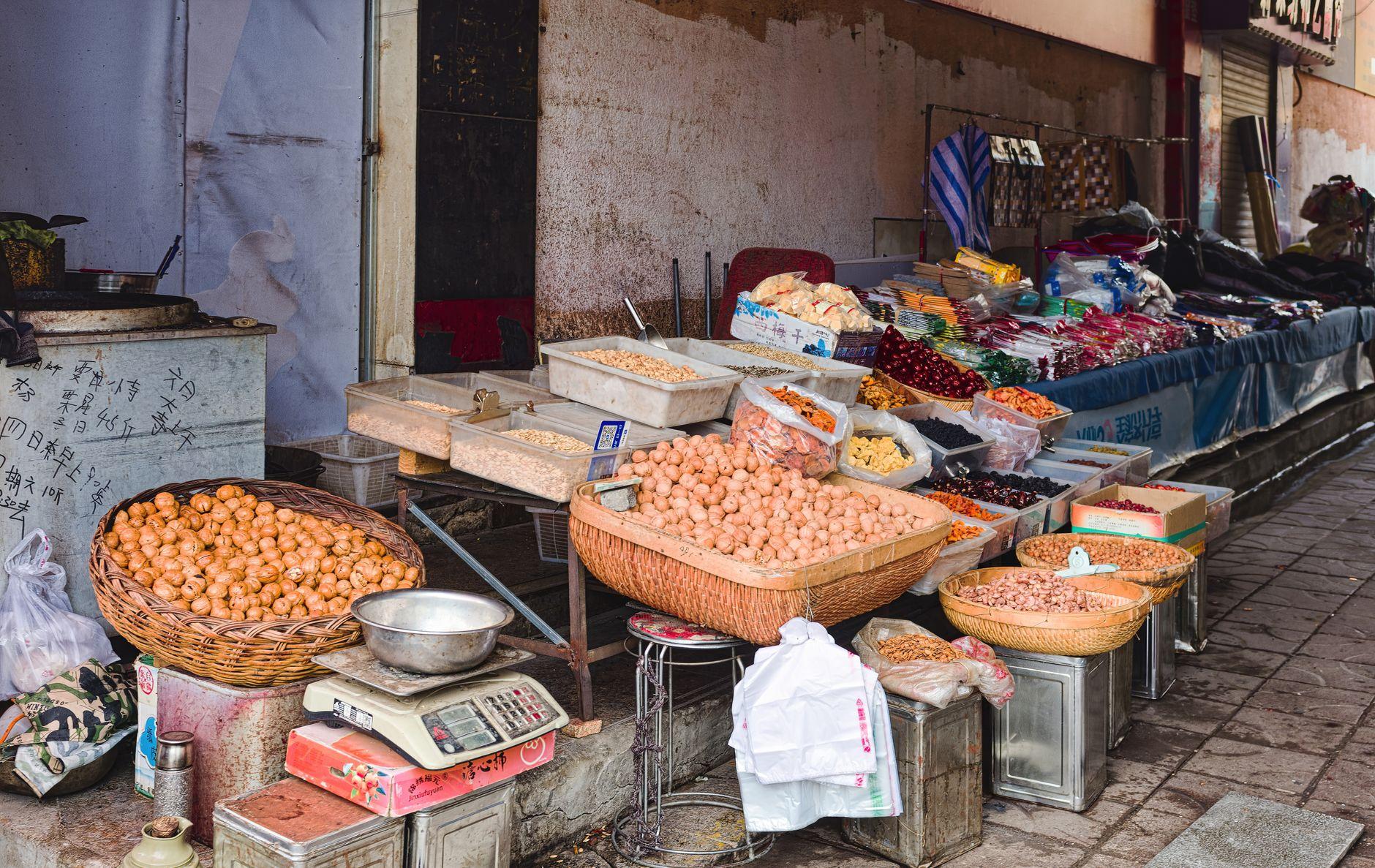
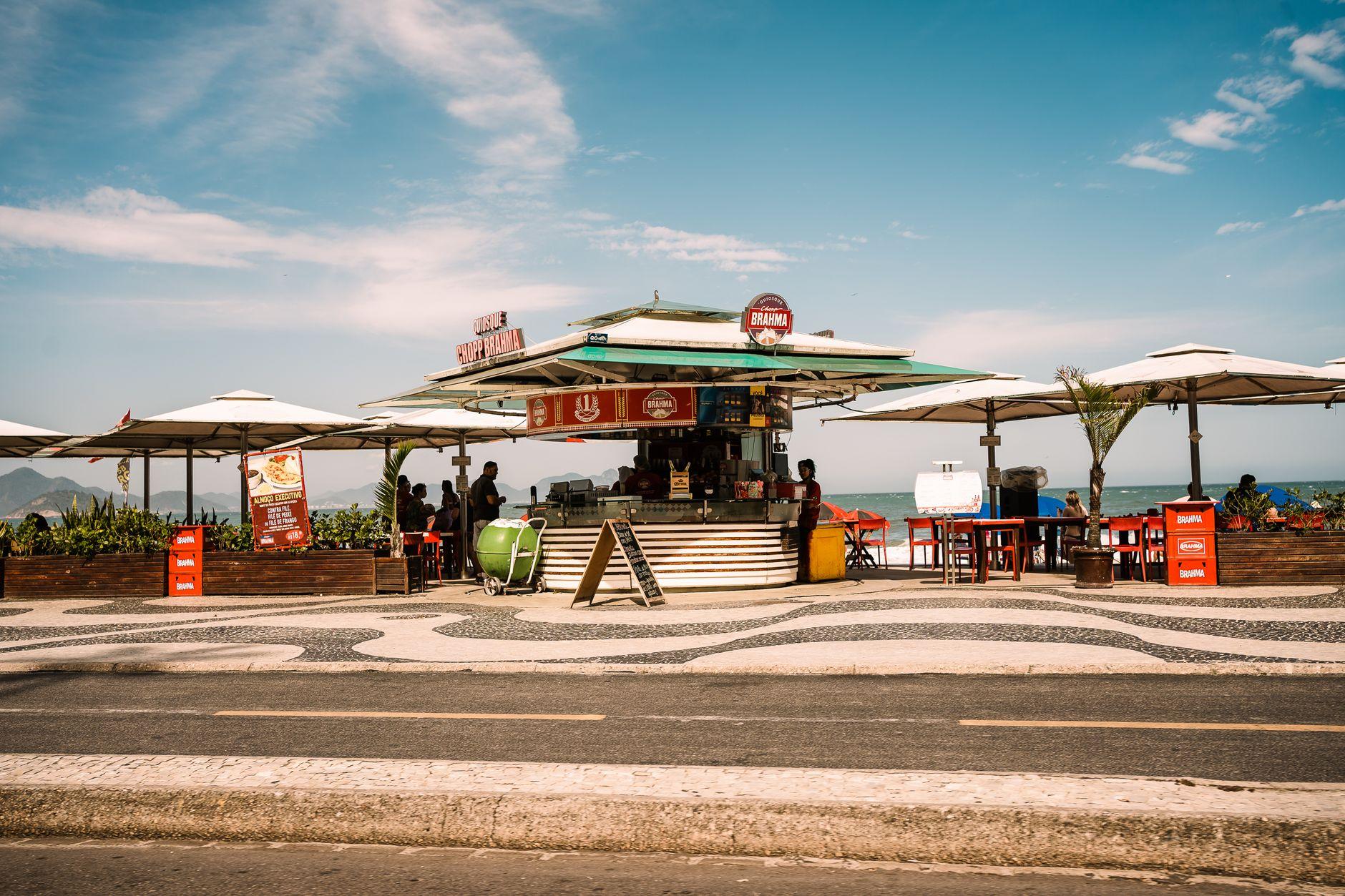
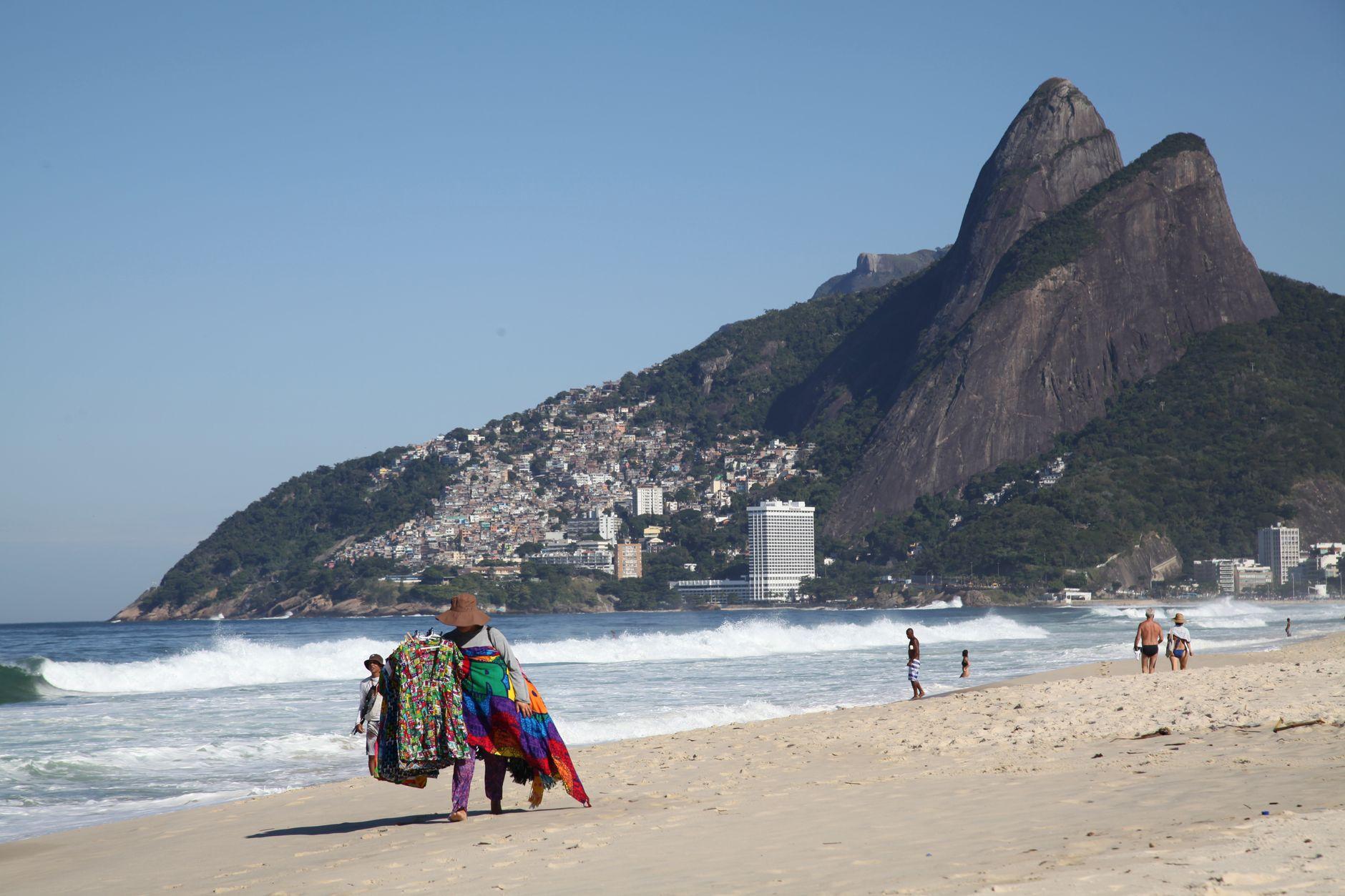
Pix is Brazil's instant payment system, and calling it popular undersells it. The woman selling queijo coalho on Ipanema beach takes Pix. Your Uber driver will ask if you want to pay by Pix. The lanchonete where you grab a pastel, the pousada in Paraty, the guy renting beach chairs, the açaí stand, the feira vegetable seller: Pix, Pix, Pix.
It works through QR codes or account keys, settles instantly, and costs the merchant essentially nothing compared to card machines. That last part matters for you. Many small merchants actively prefer Pix over cards, and some quote slightly better prices or simply don't take cards at all. Walk around any Brazilian city and you'll see handwritten signs with a QR code taped to a cart or a counter. That's the whole payment infrastructure.
The catch for visitors: Pix traditionally requires a Brazilian bank account and a CPF, the Brazilian tax ID. As a tourist, you have neither, so the cheapest and fastest payment method in the country has historically been locked away from the exact people who'd benefit most.
How to pay Pix QR codes without a Brazilian bank account
This is where the gap has closed. Moreta Pay lets you scan the same Pix QR codes locals use, paying from a wallet you top up in your own currency from your home bank or card. No Brazilian account, no CPF, no local SIM required beyond having data.
The flow, step by step:
- Before your trip (or on hotel wifi after landing), top up the wallet from your home bank. US bank via Plaid or ACH, SEPA in Europe, Faster Payments in the UK, e-Transfer in Canada, or an international card.
- At the point of sale, the merchant shows their Pix QR code, usually printed and taped up, sometimes generated on their phone for the exact amount.
- Scan it with Moreta Pay. You see the amount in reais, the merchant's name, and the exact exchange rate before anything moves.
- Confirm. The merchant gets paid instantly in reais, same as if a local had paid.
The merchant name check is worth a habit. Pix QR codes display who you're paying before you confirm, so if the name on screen doesn't match the business in front of you, pause. This is standard advice Brazilians follow too.
A day in Rio, paid entirely by QR
Here's what this looks like in practice. Morning coffee and pão de queijo at a padaria: scan the QR by the register. Uber to the beach: card on file works, but drivers often prefer Pix for "dinheiro ou Pix" style rides. Beach chair and umbrella rental: the attendant pulls up a QR on his phone. Coconut water: QR taped to the cart. Lunch at a kilo restaurant: QR at the caixa. Evening caipirinha at a boteco: same thing.
Not one ATM visit, not one moment of mental math on whether the rate you got this morning was terrible, no wad of cash in your pocket on a crowded bus.
It extends online too. Brazilian e-commerce leans heavily on Pix at checkout, and QR-based payment works on platforms like Trip.com when you're booking the next leg of your trip from your hostel bunk.
Where cards fit, and where they don't
Brazil is reasonably card-friendly in supermarkets, chains, and malls, but foreign cards come with their own foreign transaction fees and the occasional decline at smaller terminals. We covered the full picture in our guide to paying with a card in Brazil, but the short version is that cards are a backup here, not the main plan. The main plan is Pix, because that's the main plan for everyone around you.
Do you need any cash at all?
A little, honestly. Keep a modest amount of reais for the rare holdout: some street parking attendants, tips in certain situations, a bus in a smaller town, or a vendor whose phone died. One small withdrawal early in the trip covers it, or exchange a small amount before you fly.
The shift in thinking is this: cash goes from being your primary money supply, pulled in big fee-laden batches, to a small contingency fund you might not even finish. That alone eliminates most of the ATM fees and all of the anxiety about carrying too much.
Your pre-flight checklist
- Set up and fund your Moreta Pay wallet before you land, so you can pay from the first açaí onward.
- Tell your bank you're traveling anyway, in case you need the backup card.
- If you do use an ATM, decline any offer to charge you in your home currency. Reais, always.
- Carry a small cash reserve and stop thinking about it.
- When a vendor asks "cartão ou Pix?", you now have a real answer.
Brazil built one of the best payment systems anywhere, and locals use it for everything from a R$5 coconut to their rent. There's no reason your trip should run on a worse system than the country around you. Get Moreta Pay set up before you board and pay Brazil the way Brazil pays itself.