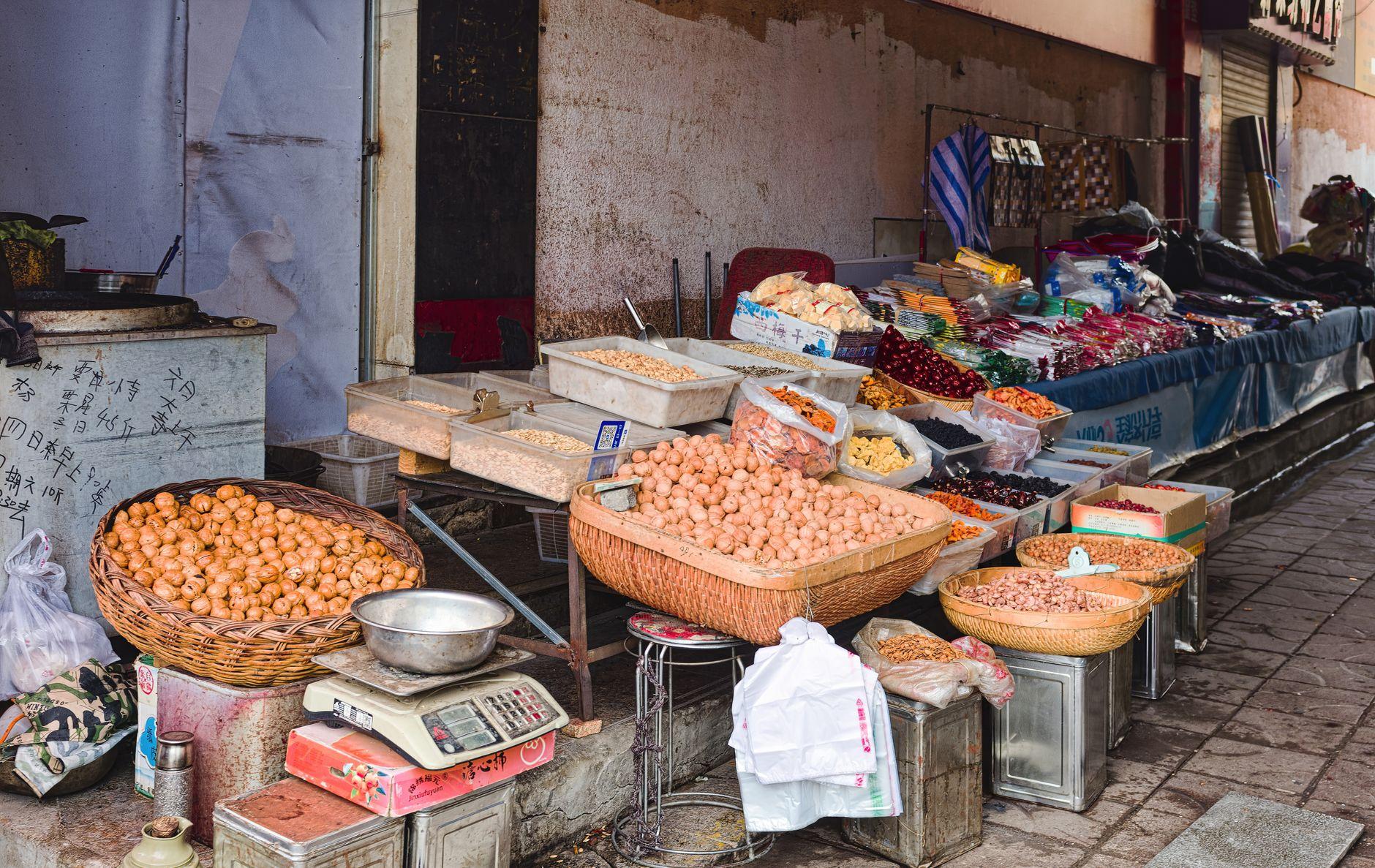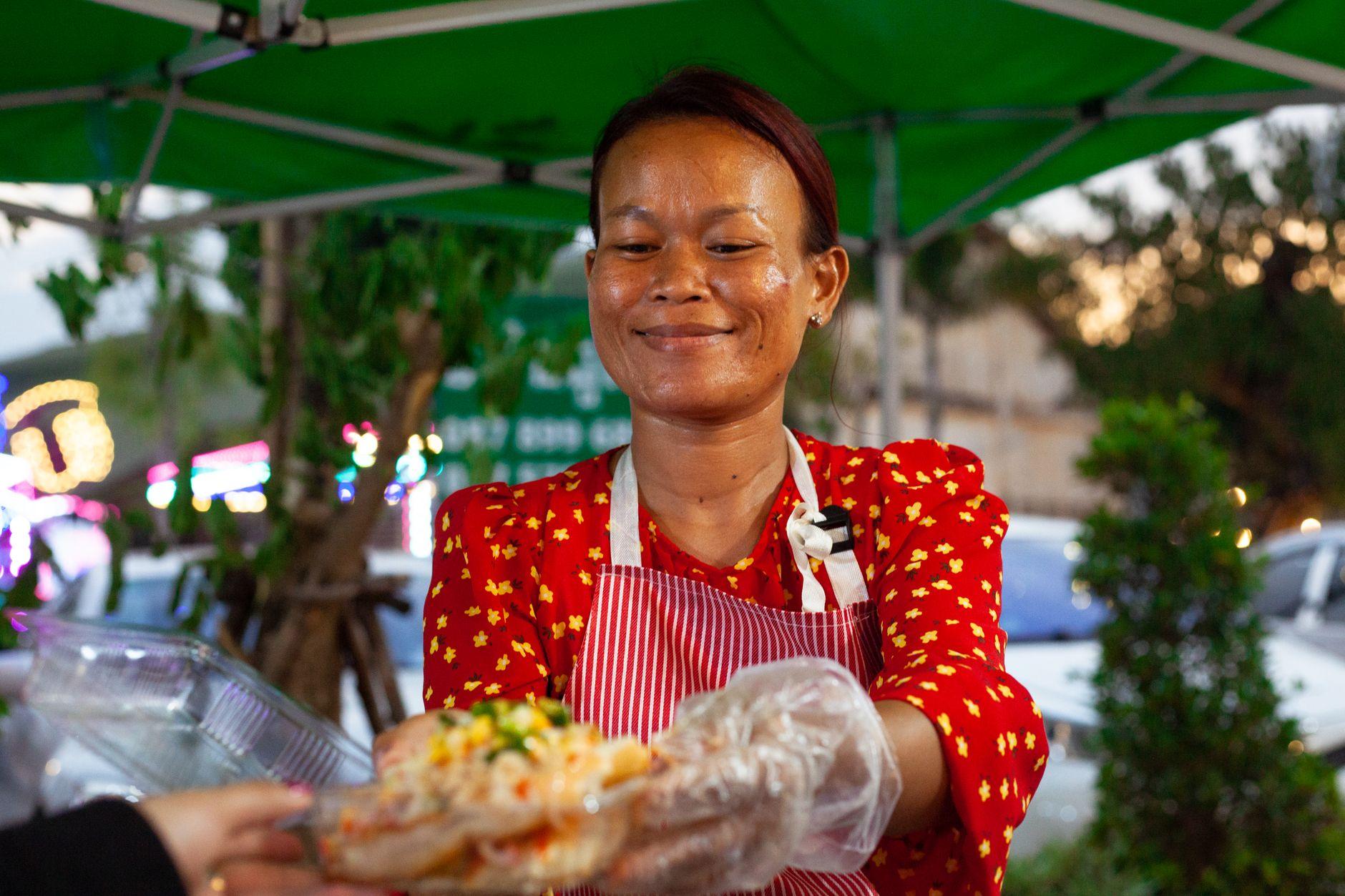

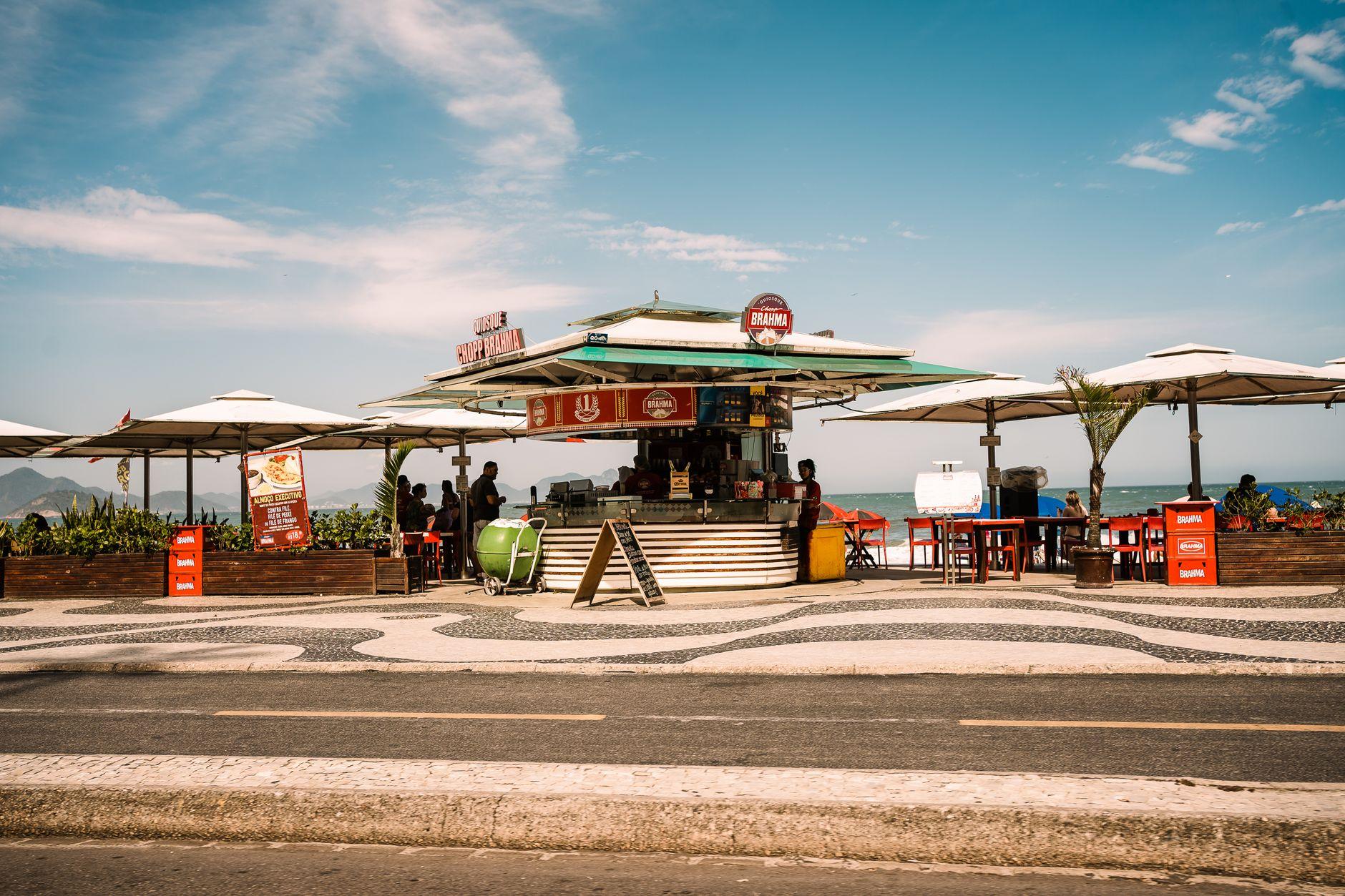
You're standing at a pastel cart near Copacabana, salt spray on your sunglasses, a line of locals behind you. The vendor digs through a biscuit tin for change and points to a laminated QR code taped to the cart. Your card won't work here. Your phone will. Cards and Pix now carry about 85% of consumer spending in Brazil, according to Bain [bain.com], and the major networks, Mastercard with just over half of card volume, Visa with about a third, and the domestic network Elo with under a tenth, are recognized at terminals from juice stands to São Paulo steakhouses. But in the informal economy that runs most of Brazil's street commerce, the real question isn't whether cards work. It's whether cards are the cheapest way to pay, once you account for foreign transaction fees and the fact that most Brazilians, and a growing number of visitors, are scanning with their phones instead of swiping plastic, using a system called Pix.
Can you pay with a card in Brazil as a tourist?
Yes. International Visa and Mastercard cards are accepted at the overwhelming majority of Brazilian businesses, including hotels, restaurants, pharmacies, and supermarkets. American Express works at many hotels, chains and larger restaurants but far less reliably, so carry a Visa or Mastercard too. Brazil places no restrictions on foreign travelers using international credit or debit cards, and Brazil's IOF tax is not charged to foreign cardholders. There's no limit on how much money you can bring in, though cash worth more than 10,000 USD must be declared on the e-DBV, the electronic traveler's goods declaration [gov.br]; that's a customs rule, not a card restriction.
Where cards fall short is smaller, informal commerce. The man selling pastel and caldo de cana from a cart near the beach, the woman running a banca de jornal on the corner, the attendant at a small municipal parking lot: these are the places where a card reader either isn't present or isn't worth the merchant's processing fee. In cities like Rio de Janeiro and São Paulo, this gap is narrow. In smaller towns in Minas Gerais or the interior of Bahia, it widens considerably.
What is Pix, and why does it matter more than your card?
Pix is Brazil's national instant payment system, built and mandated by the Central Bank of Brazil, and it has become the default way Brazilians pay each other and local businesses. Technically, Pix runs as a centralized, real-time push payment system using the SPI settlement infrastructure and the DICT directory, which instantly routes funds via aliases (a CPF or CNPJ tax number, phone number, email, or random key) or a standard EMV QR code. Unlike the fragmented, wallet-specific QR networks found elsewhere in Latin America, Pix is a single interoperable layer that every institution with more than 500,000 active accounts is required to offer, which covers every major Brazilian bank and fintech.
96% of Brazil's small businesses now accept Pix, according to a 2026 Sebrae survey, and six in ten owners say it is their main way of getting paid [fenacon.org.br]. That includes the exact kind of small, cash-leaning businesses where your foreign card won't be accepted: the açaí stand, the mercadinho on the corner, the moto-taxi driver.
Here's the mechanism in plain terms: a vendor displays a static or dynamic QR code tied to their Pix key. You scan it with a banking or payment app, the app pulls up the exact amount (or lets you enter one), you confirm, and the money moves bank-to-bank in seconds through the Central Bank's own settlement rail, no card network, no batch processing, no multi-day clearing. That's the pix qr code experience that has replaced cash and card terminals alike for millions of small transactions.
How does Pix work for someone without a Brazilian bank account?
This is where things get specific. A standard pix payment app, the kind built into Brazilian banking apps like Nubank or Itaú, requires a CPF (the Brazilian taxpayer ID) to register a Pix key. Tourists generally don't have one, and although a foreigner can get one free from the Receita Federal or a Brazilian consulate, it still has to be paired with a Brazilian bank account, which isn't realistic for a two-week trip.
This is the actual gap, not a fee or an acceptance problem, but an access problem. The pix payment system is built for residents. A Moreta Pay wallet closes this specific gap: you top up from your home bank account or card in your own currency, scan the same Pix QR code the vendor already uses, see the merchant name, amount, exact exchange rate and the 1.5% fee before confirming, and the merchant receives an instant Pix payment in Brazilian reais. You never need a CPF, and the vendor never knows or cares that the funds originated abroad. The transaction looks and settles exactly like Pix for tourists should: local rail, foreign funding source, invisible seam.
How does the cost of using a card compare to Pix?
Cost is where the decision becomes concrete rather than theoretical.
| Payment method | Typical fee structure | Where it falls short |
|---|---|---|
| Foreign credit/debit card | Up to about 3% foreign transaction fee on many cards (0% on travel cards), plus a possible dynamic currency conversion markup at the terminal | Rarely accepted by small, informal, or rural vendors |
| ATM cash withdrawal | ATM operator fee (often around R$20 at Banco24Horas) plus your bank's ATM and foreign transaction fees | Requires carrying and tracking physical cash; theft and loss risk |
| Pix via local bank app | Often no fee for the payer | Requires a CPF and Brazilian bank account; not available to most tourists |
| Pix via Moreta Pay wallet | Live rate and one 1.5% fee shown before you confirm, no CPF required | Still requires a phone and initial top-up from a home card or bank |
The dynamic currency conversion trap deserves a specific warning. When a Brazilian terminal asks "charge in US dollars or Brazilian reais," always choose reais. Dynamic currency conversion lets the merchant's bank set its own exchange rate, which is almost always worse than your card issuer's rate. Decline it every time, regardless of how the machine phrases the question.
How do you send money to Brazil before or during a trip?
If you need to send money to Brazil, whether that's prepaying a guesthouse owner in Paraty or sending funds to a friend in Salvador, Pix is again the fastest rail, but a direct bank-to-bank Pix needs a CPF and a Brazilian account. Many remittance services, Wise and Remitly among them, now pay into Brazilian accounts through Pix, often within seconds or minutes, though identity checks or a slow funding method can still stretch it to a day or more. From a Moreta wallet you can also send straight to a Pix key or QR code, with the rate shown before you confirm.
What should you actually set up before landing in Brazil?
- Call your card issuer and confirm the exact foreign transaction fee, and ask whether it supports Visa/Mastercard's standard network exchange rate rather than a marked-up one.
- Set up a Moreta Pay wallet and top it up from your home bank or card before departure, so you can scan Pix QR codes at street stalls and small vendors from day one without hunting for a CPF workaround.
- Carry a modest cash reserve, somewhere around the cost of a few coconut waters and a parking fee, for the rural stretches and tiny towns where neither cards nor QR codes have fully caught on yet.
Brazil isn't a cash country anymore, not in any city or town you're likely to visit. But it's also not purely a card country. It's a Pix country first, a card country second, and a cash country only at the margins. Plan your payments in that order and you'll spend less time hunting for an ATM and more time actually traveling.
Frequently asked questions
Can tourists use Pix in Brazil?
Not directly through a standard Brazilian bank app, since that requires a CPF. Tourists can access Pix indirectly through a wallet like Moreta Pay, which lets you scan the same Pix QR codes merchants already use.
Is Pix free to use?
For individual users paying through a Brazilian bank app, Pix payments are free. Fees, when they exist, come from the funding or conversion layer, not from Pix itself.
Do I need cash in Brazil in 2026?
Keep some on hand for rural areas, tiny towns, and informal vendors without a card reader or static QR code, but you won't need much for cities or tourist regions.
What's the difference between Pix and a card payment?
A card payment runs through Visa, Mastercard, or Elo's network and traditionally reaches the merchant the next day for debit and after 30 days for credit, though many card machine providers now pay out sooner for a fee. Pix settles instantly between bank accounts through the Central Bank's own infrastructure, with no card network involved.
Will my US credit card work in Brazil?
Yes, Visa and Mastercard issued in the US work at any Brazilian terminal that displays those logos, which is the vast majority of urban and tourist-area merchants.
Should I decline dynamic currency conversion at Brazilian terminals?
Yes, always choose to be charged in Brazilian reais, not your home currency. Dynamic currency conversion applies a worse exchange rate than your card network's standard rate.
Can I withdraw Brazilian reais from an ATM with a foreign card?
Yes, at Banco24Horas, Bradesco and Banco do Brasil machines among others, but expect a combined cost from the ATM operator's fee, your bank's foreign ATM and transaction fees, and the exchange rate spread, which usually makes it more expensive than card payments or a Pix-based wallet. Choose to be charged in reais if the machine asks.
About Moreta
Moreta Global Inc. is a Delaware corporation and FinCEN-registered Money Services Business, backed by Y Combinator. The Moreta Pay wallet lets travelers top up from a home bank account or card and scan local QR payment networks directly, including Pix in Brazil, DuitNow in Malaysia, and KHQR in Cambodia, with the exact exchange rate shown before every payment is confirmed. The goal isn't to replace your card. It's to give you access to the rail that Brazilian merchants, especially the small and informal ones, already prefer.
Ready to see your exchange rate before you land? Set up your wallet at Moreta Pay before your next trip.