

Spend one afternoon in Brazil and you will hear the same word at every counter: Pix. The caipirinha guy on the sand asks if you have Pix. The woman selling tapioca at the feira points at a laminated QR code. Your Uber driver would honestly rather you Pix him than run a card. If you are planning a trip and wondering how to pay in Brazil without constantly hunting for cash, this FAQ covers the questions visitors actually ask.
What exactly is Pix?
Pix is Brazil's instant payment system, run through the central bank and connected to essentially every Brazilian bank and payment app. Money moves between accounts in seconds, any hour of any day, and for ordinary people it is free to use. That combination made it take over the country fast. Street vendors, market stalls, barbershops, pharmacies, gyms, surf instructors, and national supermarket chains all accept it, usually through a QR code printed on paper or shown on a screen.
For a visitor, the key thing to understand is that Pix is not an app you download. It is a network. Brazilians access it through their own banking apps, the same way you access your home bank through yours.
Can I sign up for Pix as a tourist?
Realistically, no. Using Pix directly requires a Brazilian bank account, and opening one generally requires a CPF, the Brazilian tax ID, plus local documentation that a short term visitor will not have. Expats who settle in long term often do eventually get a CPF and a local account, but if you are arriving for two weeks in Rio or three months of remote work in Florianópolis, the front door to Pix is closed to you.
That is the gap most guides stop at. It is not where the story ends.
So how do I pay a Pix QR code without a Brazilian account?
This is exactly the problem Moreta Pay exists to solve. You load a wallet from your own bank at home (US banks via Plaid or ACH, European SEPA, UK Faster Payments, Canadian e-Transfer) or from an international card, in your own currency. In Brazil, you open the app, scan the merchant's regular Pix QR code, the same one locals scan, and the screen shows you the amount, the merchant's name, and the exact exchange rate before you confirm. Tap confirm and the merchant is paid instantly in reais.
From the vendor's side, it is just a Pix payment. No special terminal, no explaining yourself, no asking whether they take foreign cards. You are paying the way the queue behind you pays.
Where will I actually use it day to day?
More places than you expect. A few situations that come up constantly for visitors:
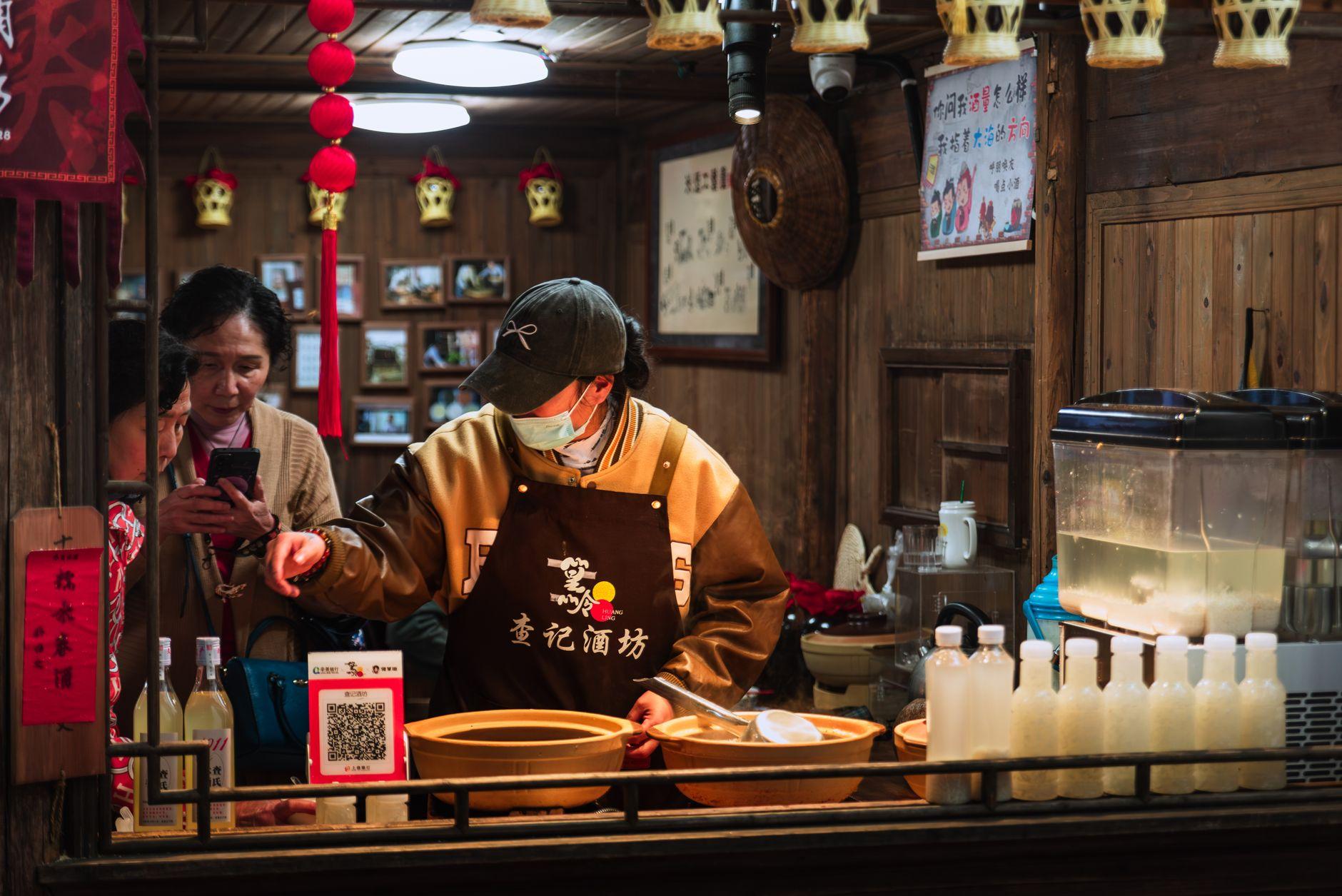
Beach vendors. Coconut water, grilled cheese on a stick, chair and umbrella rental. Many of these sellers carry no card machine at all, just a QR code on a lanyard or taped to the cooler.
Feiras and street markets. The Sunday produce market and the artisan fair both run heavily on Pix. Haggling ends with someone flipping over a laminated code.
Rides. Uber works with your foreign card in Brazil, but plenty of drivers, and nearly all independent taxi and mototaxi drivers, prefer Pix because the money lands immediately.
Small restaurants and lanchonetes. The corner lunch spot with the prato feito special often quotes one price and expects Pix or cash. Cards may be accepted reluctantly, or not for small amounts.
Casual services. Laundry by the kilo, a haircut, a surfboard rental, a capoeira class. All classic Pix territory.
Will merchants just take my credit card instead?
Big hotels, malls, and chain restaurants, yes. But Brazil's small merchant economy genuinely prefers Pix, because it is instant and costs them little or nothing, while card machines involve fees and delays on their end. In practice that means the cheapest, fastest, most welcome way to pay is the one tourists traditionally could not access. You will sometimes see small vendors who simply do not take cards at all. And even where cards work, your home bank may layer on foreign transaction fees and an exchange rate you never got to see. With a Pix payment through Moreta Pay, the FX rate is on the screen before you commit, so you know the cost in your own currency before any money moves.
Do I still need cash in Brazil?
A little, as a backup, but far less than older guides suggest. Pix has displaced cash so thoroughly that many Brazilians go weeks without touching paper money. Keep a modest amount of reais for the rare holdout vendor or a dead phone battery, and avoid building your trip around ATM withdrawals, which stack up charges quickly for foreign cards. We broke down those costs in detail in our earlier piece on why cash in Brazil charges you three times.
How do I know a Pix payment is safe before I confirm?
Every Pix QR code resolves to a named recipient. Before you confirm, you see who is being paid. Two habits keep you out of trouble. First, check that the name on screen plausibly matches the business or person in front of you (Brazilian merchants often register under a personal name or a company name that differs from the shopfront, so when in doubt, ask, and vendors are used to the question). Second, check the amount. Static printed codes usually let you enter the value yourself, while dynamic codes generated at checkout come with the amount built in. Once confirmed, the merchant sees the money arrive within seconds, so there is no awkward wait wondering whether it worked.
Can I use QR payments online in Brazil too?
Yes. Pix is a standard checkout option on Brazilian e-commerce sites and on travel platforms, and QR based online checkout is common across the region. Moreta Pay handles QR payments on platforms like Trip.com and Agoda as well, so a bus ticket, a pousada booking, or a day tour paid online works the same way as the coconut on the beach: scan, review, confirm.
What should I sort out before I land?
Three things. Set up and fund your wallet before you fly, while you still have easy access to your home bank. Carry a small cash reserve in reais for edge cases. And practice the rhythm once on arrival, maybe on an airport coffee, so that by the time a vendor on Ipanema flips a QR code toward you, it is already muscle memory.
Brazil built one of the smoothest payment systems in the world, and for years visitors could only watch locals use it. That is no longer true. Get Moreta Pay set up before your trip and scan the same Pix codes everyone else does, from your first açaí to your last airport ride.