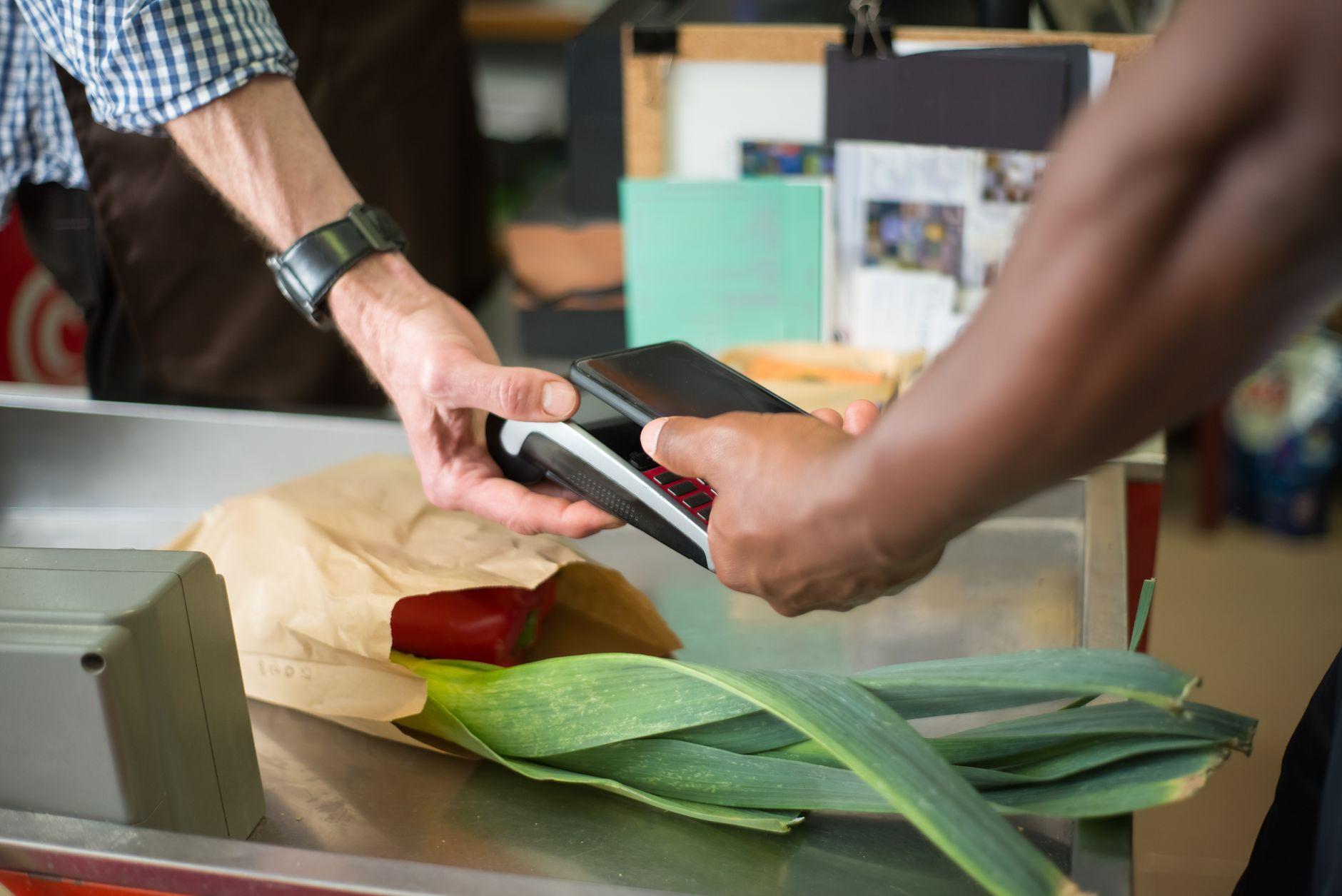


Here is the question every new expat in China asks within a week of landing, usually while standing at a counter holding a hundred yuan note nobody wants: do I actually need a Chinese bank account to live here?
The honest answer is that you need access to the QR payment rails, which is not quite the same thing. China runs on WeChat Pay and Alipay. Your rent, your morning jianbing, the DiDi ride, the fruit vendor, the convenience store, the water delivery guy, all of it flows through QR codes. The question is how you plug into that system when your bank account lives in Chicago, London, or Frankfurt. There are four realistic routes. Let's weigh them properly, because each one fails in a different place.
Cash: still legal, increasingly theoretical
Start with the obvious one. Renminbi notes are legal tender, and in theory every merchant must accept them. In practice, you'll watch a noodle shop owner sigh, dig through a drawer for change that isn't there, and wave you toward the QR sticker instead. Taxis would rather you scan. Market stalls often have no till at all, just a laminated code hanging from a hook. Some younger cashiers genuinely do not know how to process a cash sale.
Pros: cash cannot be declined by an app, requires no setup, and works during the rare phone battery emergency. Cons: getting it requires ATM runs with foreign-card withdrawal fees stacked on both sides, breaking large notes is a daily negotiation, and you will feel like you're paying in a format the whole country quietly retired. We covered how this trips up short-term visitors in our earlier piece on tourist money mistakes in China, but for an expat living here month after month, cash as a primary method is simply exhausting.
Verdict: keep a few hundred yuan as a backup. Do not build your life on it.
Your foreign card: a hotel lobby solution
Visa and Mastercard acceptance in China is thin outside the places designed for foreigners. International hotel chains, some airport shops, a handful of upscale malls in Shanghai and Beijing. Step outside that bubble and the card machine, if one exists, often only takes UnionPay. The restaurant where you actually eat lunch, the barber, the bike repair shop near your apartment, none of them have ever seen a foreign card and none of them want to start now.
Pros: zero setup, and fine for the first hotel night. Cons: near-total irrelevance to daily expat life, plus whatever foreign transaction fees your home bank layers on when it does work. Verdict: this is your airport and emergency card, not your life in China.
Linking your card to WeChat Pay or Alipay directly: the official path, with footnotes
Both big wallets now let foreigners register with a passport and link an international card, and when it works, it's genuinely good. You scan the same codes locals scan, and most merchants cannot tell the difference.
The footnotes matter, though. Expats report cards that refuse to link for reasons the app never explains, verification steps that stall, and features that stay locked compared to a fully local account. Your home card issuer may also quietly treat every noodle bowl as a foreign transaction and charge accordingly, and the rate applied to each payment is not something you see clearly before you commit. And you're tying your entire ability to buy groceries to one account in one app; if it flags something and freezes, you're back to hunting for an ATM.
Pros: native access to the two networks that matter, broad acceptance. Cons: fragile onboarding, opaque conversion on every purchase, possible issuer fees stacking up silently, and a single point of failure. Verdict: worth setting up if you're staying long-term, but uncomfortable as your only lifeline.
A wallet that pays Chinese QR codes without the paperwork
The fourth route is a travel wallet built for exactly this gap. Moreta Pay lets you top up in your home currency from your own bank (US banks via Plaid or ACH, SEPA in Europe, UK Faster Payments, Canadian e-Transfer) or an international card, then pay Chinese merchants by scanning the same QR codes everyone else uses, including WeChat Pay codes. Before you confirm, you see the amount, the merchant name, and the exact FX rate on screen. You approve it, the wallet converts, and the merchant is paid instantly in yuan.
What that fixes compared to the direct-linking route: no local bank account needed, no dependence on whether your particular card survives WeChat's verification maze, and no mystery about what the conversion cost you, because the rate is shown before every payment rather than discovered on a statement later. It also covers QR-based online checkouts on platforms like Trip.com, which matters more than you'd expect once you start booking domestic trains and hotels from inside China.
Pros: fast setup from abroad, transparent FX on every transaction, funding from the banking system you already have. Cons: it's a payment wallet, not a Chinese identity. For things that require a local account by design, such as certain government portals, you'll still eventually want local banking if you settle in for years.
Run an ordinary Tuesday through each option
Theory is one thing. Here is a normal expat Tuesday in Chengdu or Hangzhou: coffee from a hole-in-the-wall cafe, a DiDi across town, lunch at a canteen with a QR plaque and no card machine, groceries from a wet market stall, and a utility bill that evening.
With cash, you complete maybe three of those five, each with friction. With a foreign card alone, you complete roughly zero. With a linked WeChat Pay account, you complete all five, assuming the link holds and you're willing to not know the rate until later. With Moreta Pay, you scan your way through the day the same as your neighbors, seeing the conversion before each confirm, with your funding sitting safely in your home bank until you top up. Bill payment in supported countries runs through the same wallet.
The pattern that emerges isn't that one option wins outright. It's that the sensible expat setup in China is layered: a small cash reserve for blackout moments, a local wallet account if you can get one to stick, and a QR-capable travel wallet so that your ability to eat lunch never depends on a single app's mood. If you've lived elsewhere in Asia, this layering will feel familiar; it's the same logic that applies for expats paying their way through Thailand, just with higher stakes, because China's merchants have moved further from cash than almost anywhere on earth.
So, back to the opening question. Can you live in China without a Chinese bank account? Yes, comfortably, as long as you can scan. If you'd rather arrive already able to pay at the noodle counter instead of apologizing at it, set up Moreta Pay before your flight and land with the QR ecosystem already in your pocket.