
Ask a traveler who visited Colombia ten years ago how to handle money there, and you’ll get confident, outdated advice. Bring cash. Withdraw big amounts to spread out the ATM fees. Guard your card at all costs. Some of it was true once. Most of it will cost you money in 2026.
Colombia has quietly become one of the most QR-driven economies in Latin America. Locals pay for empanadas, taxis, haircuts, and rent through apps like Nequi, Daviplata, and Bancolombia’s QR system, often without touching a peso in cash for days. If you show up operating on old assumptions, you’ll spend your trip hunting for ATMs while everyone around you pays with a two-second scan.
Let’s take the most common beliefs one at a time.
Belief one: Colombia is a cash economy, so stock up on pesos
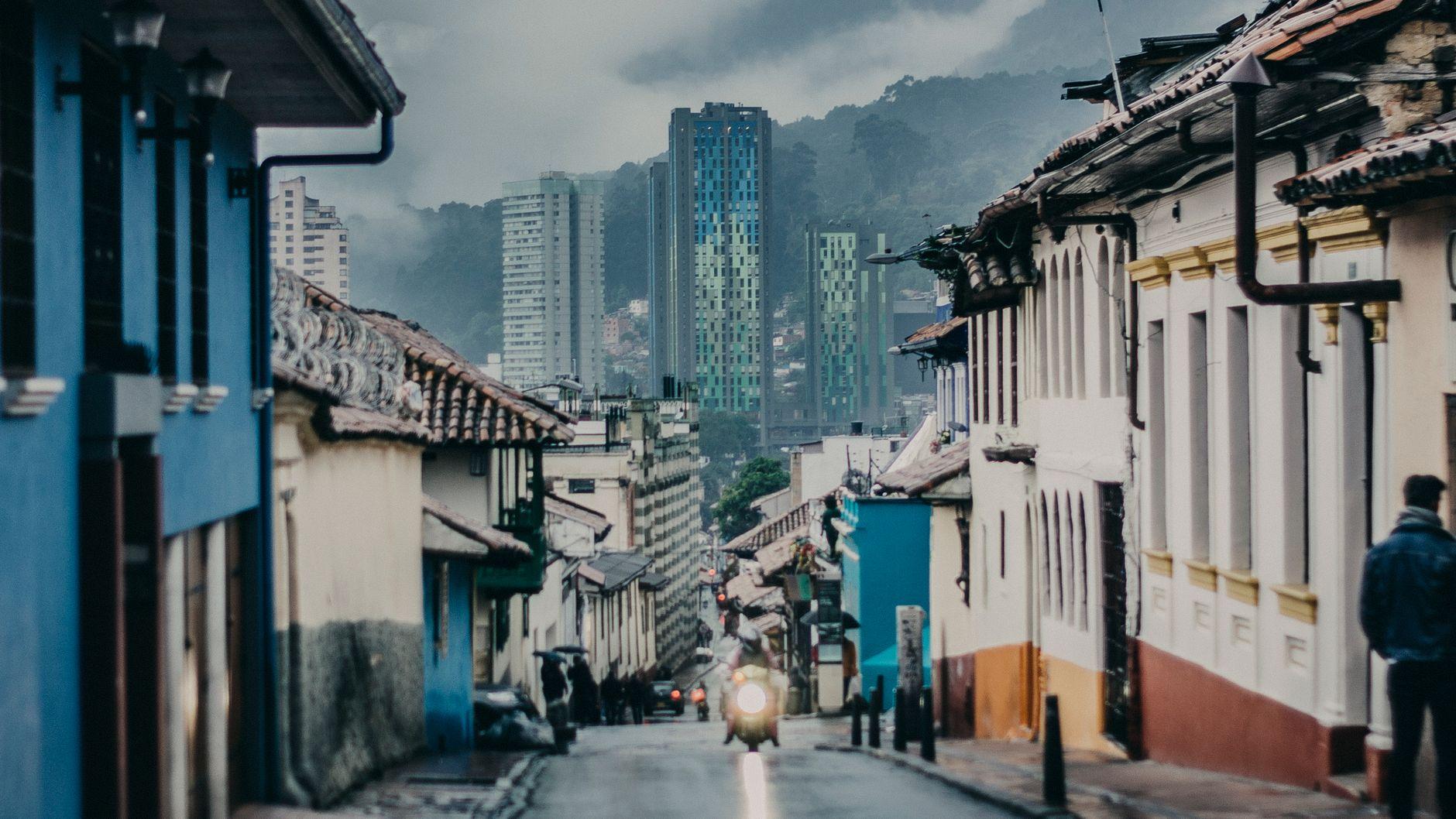
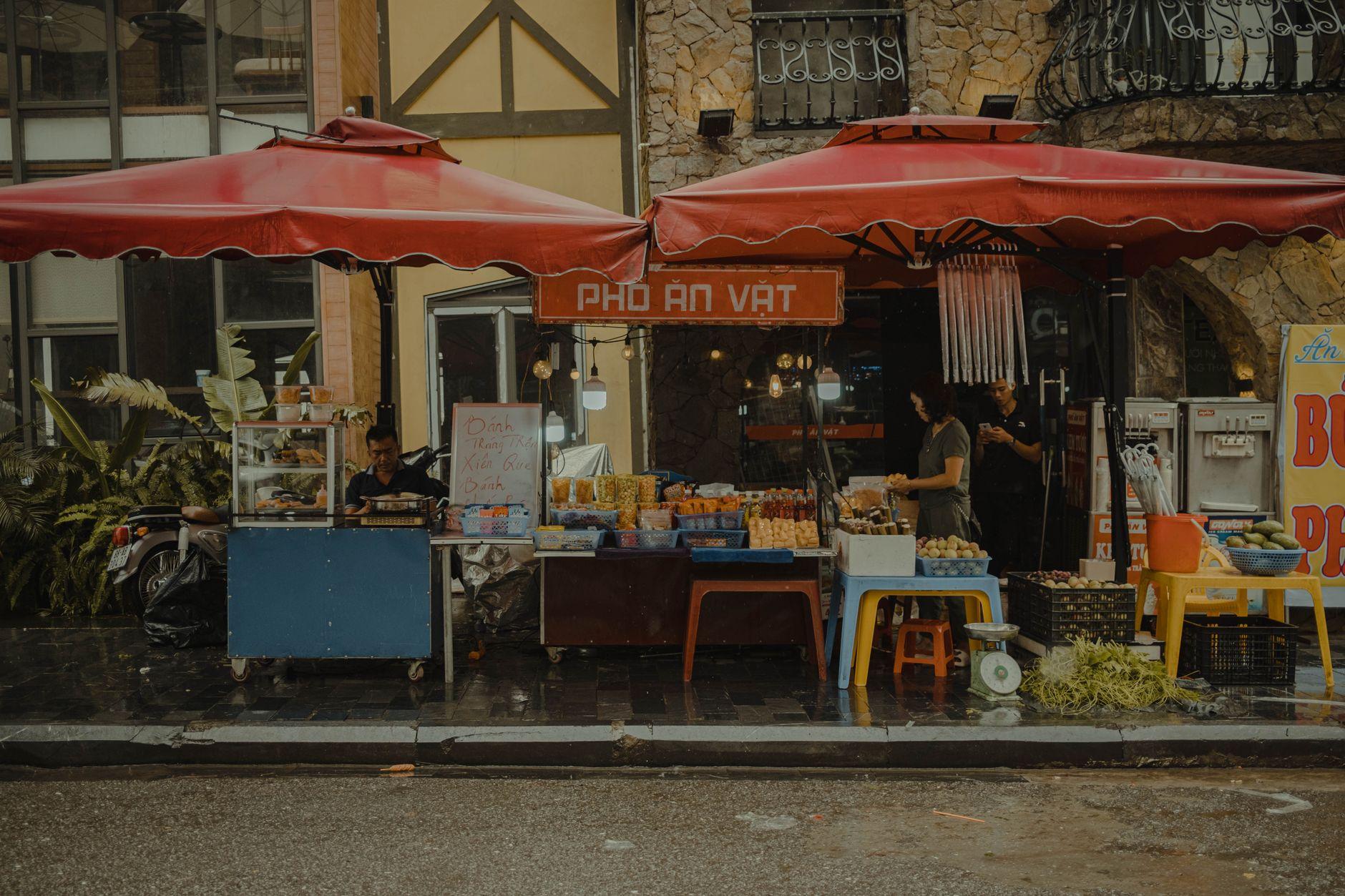
This one dies fastest in Medellín. The city has become a magnet for digital nomads, and its payment habits reflect that. Cafés in El Poblado and Laureles, coworking spaces, corner tiendas, even fruit vendors at neighborhood markets increasingly have a QR code taped to the counter, usually for Nequi or Daviplata. Bogotá and Cali are on the same trajectory.
Cash still exists, of course, and you’ll want a little for the occasional holdout. But treating Colombia as a cash-first country means you’re constantly withdrawing, constantly carrying, and constantly making change for a 50,000 peso note that the arepa stand can’t break. The locals solved this problem years ago. The QR code on the counter is the solution.
Belief two: my credit card will cover me in the cities
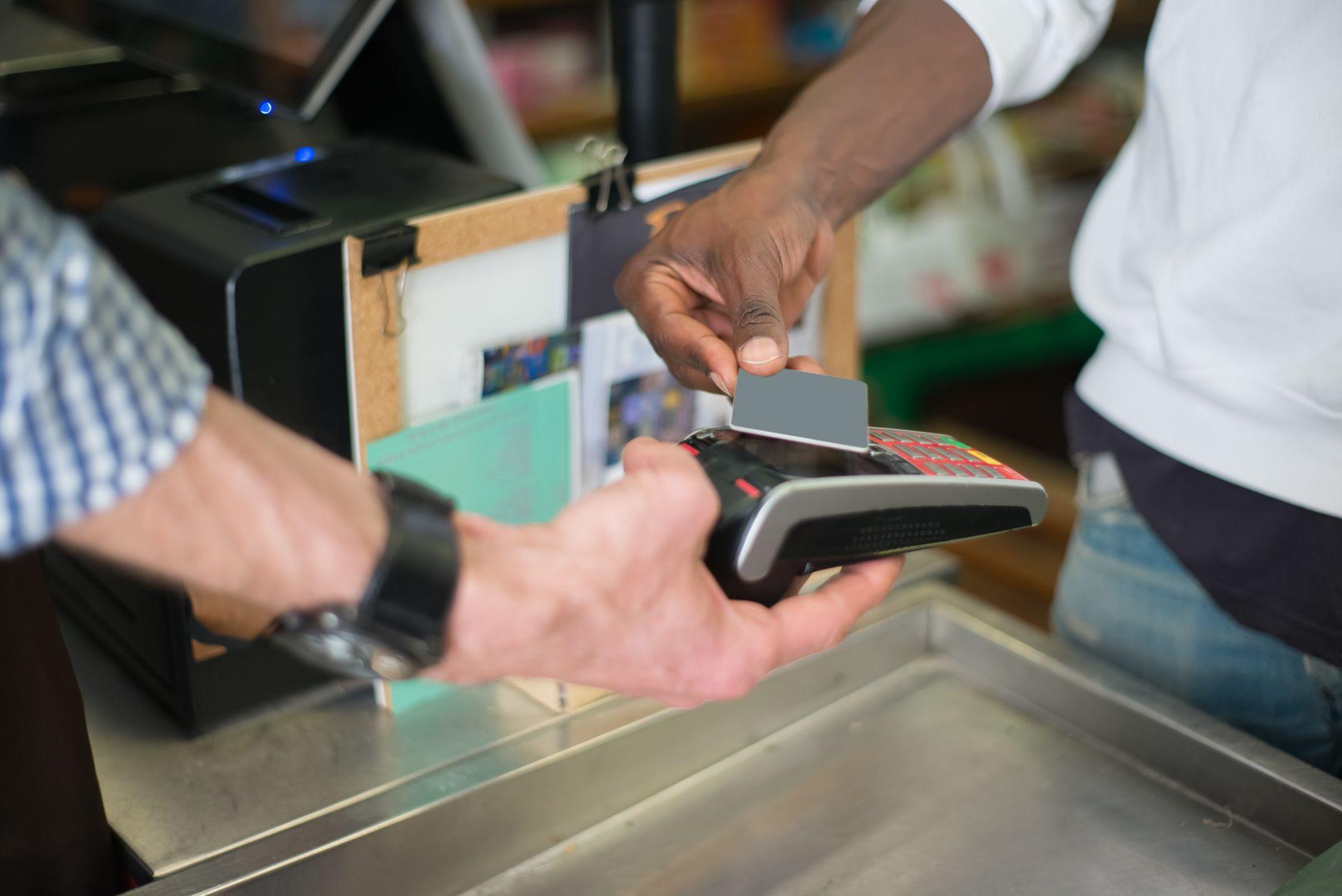
Here’s the part most guides skip: Colombians themselves are wary of card terminals. Card cloning has been a real and persistent fear for years, and it shaped local behavior. Many people simply don’t like handing their card over or inserting it into a machine they don’t control. QR payments took off partly because of this. When you scan a code with your own phone, nothing about your card ever touches the merchant’s hardware.
The practical effect for you: plenty of smaller merchants never bothered getting a card terminal at all. They have a Nequi QR and that’s it. Your Visa or Mastercard works fine at hotels, supermarket chains, and upscale restaurants, but the moment you step into the everyday economy, the menu of ways to pay in Colombia narrows to QR or cash. And even where cards are accepted, foreign card transactions often come with foreign transaction fees from your home bank, plus the occasional terminal that asks whether you’d like to pay in your home currency. Always say no to that. Dynamic currency conversion is a markup dressed up as a convenience.
Belief three: ATM fees are just the cost of travel
They’re the cost of a certain style of travel, the style where cash is your only tool. Colombian ATMs typically charge a fee to foreign cards, your home bank may add its own fee on top, and withdrawal limits per transaction mean you often pay that stack of fees multiple times per week. Then there’s the less measurable cost: standing at a street-facing ATM in an unfamiliar neighborhood counting out a thick stack of bills, which no security-conscious local would recommend.
The cheapest ATM strategy in Colombia is the same one we described for its neighbor: the withdrawal you never make. Every payment that goes through a QR code instead of a banknote is an ATM trip you skipped and a fee you never paid.
Belief four: I’ll just download Nequi like everyone else
This is the trap that catches travelers who did their homework, ironically. They read that Nequi and Daviplata run the show, so they try to sign up, and hit a wall: these apps are built for Colombian residents. Registration expects a Colombian ID and a local phone number. We covered the details in our traveler FAQ on Nequi and Daviplata, but the short version is that most visitors can’t realistically get either app working during a normal trip.
That’s the gap Moreta Pay was built for. You connect your home bank or card, top up a wallet in your own currency, and then scan the exact same Nequi, Daviplata, or Bancolombia QR codes that locals scan. Before you confirm, you see the amount, the merchant name, and the exchange rate applied. The merchant gets paid instantly in pesos through their own local rails. From their side of the counter, you paid like a Colombian. From your side, you never needed a Colombian bank account, a cédula, or a local SIM.
Belief five: the exchange rate is the exchange rate
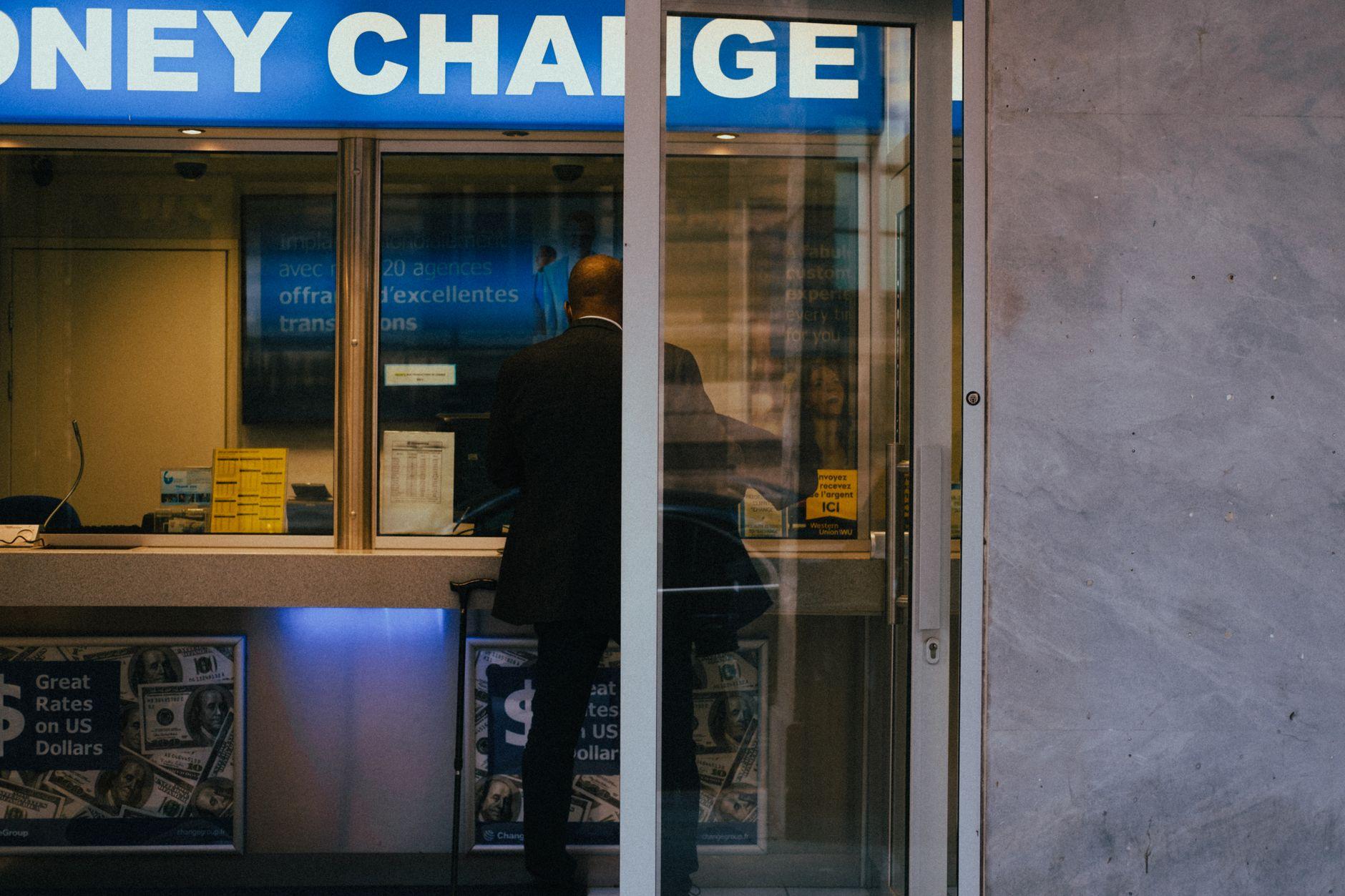
The Colombian peso trades in the thousands against major currencies, which makes mental math hazy and markups easy to hide. Airport exchange counters take their cut. ATMs take theirs. DCC terminals take theirs. Card networks and home banks layer on their own conversion spreads. Each individual step feels small, and together they quietly eat a chunk of your budget over a multi-week trip.
The defense is transparency at the moment of payment. When you scan a QR with Moreta Pay, the FX rate is on screen before you confirm, not buried on a statement three days later. The math starts working in your favor instead of against you.
Belief six: QR is only for in-person stuff
Not quite. QR-based checkout also shows up online in Colombia and across the region, on travel platforms and booking sites where paying with a foreign card can trigger declines or extra verification. Scanning a QR at checkout with your wallet sidesteps that friction. And if you’re an expat settling in for a longer stay, paying bills in supported countries works the same way.
What this looks like on an actual Tuesday in Medellín
You grab a coffee in Laureles and scan the code at the register. You take the metro to a coworking space and pay for a day pass the same way. Lunch is a corrientazo from a family-run spot with a laminated Nequi code by the till. In the evening you split a dinner bill by scanning while your Colombian friends do exactly the same thing on their phones. At no point did you visit an ATM, hand your card to a stranger, or wonder what rate you actually got.
You’ll still want a small cash reserve for the rare vendor without a code or the countryside bus that runs on coins and trust. But small means small: pocket money, not a money belt.
Colombia rewards travelers who pay the way Colombians do. Set up Moreta Pay before you land and walk into your first tienda already speaking QR.