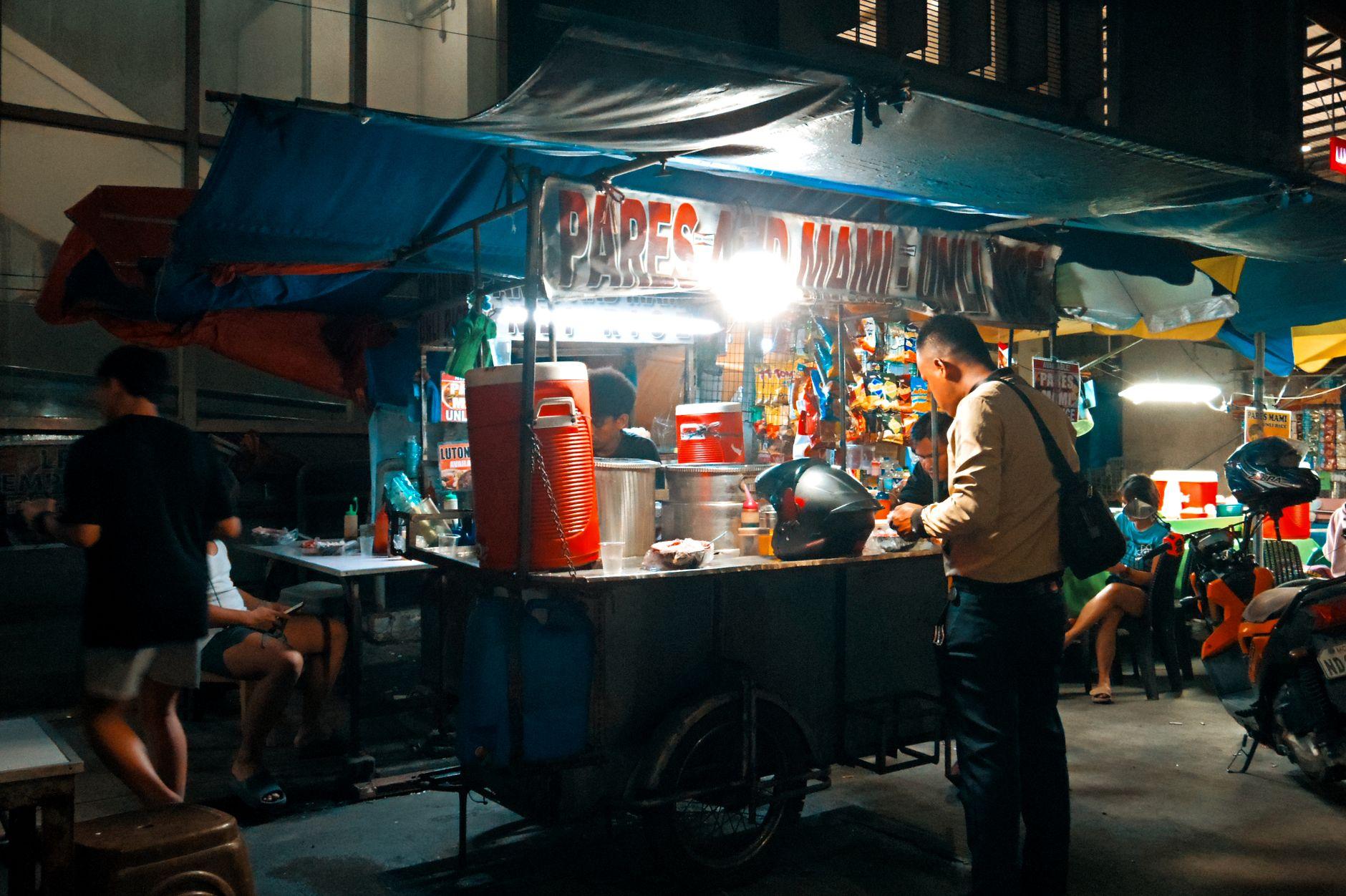

It is 1:40 in the morning at a mamak on Jalan Alor and you have just ordered roti canai, a plate of maggi goreng, and a teh tarik pulled so high the foam looks architectural. The bill arrives scrawled on a slip of paper. The guy at the next table glances at his own slip, points his phone at a laminated square taped to the drinks counter, and walks out before you have even found your wallet. The cashier watches you count ringgit notes with the patience of someone who has watched a thousand tourists do this, and who knows there is a faster way sitting right there on the counter.
That laminated square is the single most important thing to understand about money in Malaysia. Get it, and everyday spending here becomes almost frictionless. Miss it, and you spend your whole trip feeding ATMs and apologising for large notes.
One QR standard from the hawker stall to the mall
Malaysia did something a lot of countries still have not managed: it unified its QR payments under one national standard called DuitNow QR. The same type of code works at a night market satay stand, a kopitiam in Ipoh, a pharmacy in Mid Valley Megamall, and the aunty selling nasi lemak out of a basket on a Penang corner. Merchants display one sticker, and every participating wallet and bank app in the country can scan it.
This matters for you as a visitor because there is no guessing game. In some countries you learn to read which of five competing wallet logos a stall accepts. In Malaysia, if there is a QR code on the counter, it is almost certainly DuitNow, and almost everything has a QR code on the counter. Hawker centres, pasar malam stalls, barbers, laundromats, durian vendors who otherwise deal exclusively in crumpled tens. The coverage genuinely goes end to end.
There is a quiet economic reason merchants love it. Card terminals cost money to run, and card acceptance eats into margins, which is why the mamak with razor thin prices often does not bother with a card machine at all. A QR sticker costs them almost nothing. So QR is not the trendy option in Malaysia, it is the default, and for small merchants it is frequently the only cashless option.
The wall every foreigner hits
Here is where new arrivals get burned. The wallet locals use most, Touch 'n Go eWallet, is woven into daily Malaysian life, from tolls to parking to that mamak counter. Naturally, the first thing many nomads try is downloading it. Then the registration flow asks for things a visitor typically cannot provide: local verification steps, a Malaysian bank relationship for the useful features, the kind of setup that assumes you live here. Plenty of foreigners get partway through and stall. Some get an account that exists but cannot be topped up in any practical way.
The result is a strange gap. You are standing in one of the most QR saturated countries in Asia, the merchant in front of you would rather you scanned than handed over cash, and the local app will not let you in. People waste real hours of their first week on this, usually in a hostel lobby, usually with a forum thread open suggesting workarounds that stopped working a while ago.
The fix is not to fight your way into a local wallet. It is to arrive with something that can already speak DuitNow.
Scanning the same sticker as everyone else
This is exactly the gap Moreta Pay exists for. You connect your home funding source before or after you land (a US bank through Plaid or ACH, SEPA from Europe, UK Faster Payments, Canadian e-Transfer, or an international card), load your wallet in your own currency, and then scan the same DuitNow QR codes Malaysians scan. Before you confirm, you see the amount, the merchant name, and the exchange rate on screen, the wallet converts to ringgit, and the stall owner gets paid instantly. No Malaysian bank account, no verification maze, no sheepish cash counting at 1:40 am.
It also quietly solves a problem you will not notice until month two: a trail. Rent negotiations, visa paperwork, even just your own budgeting all get easier when your spending is visible somewhere, and paying through the local QR network builds a spending record in Malaysia in a way that a backpack full of ATM receipts never will.
Where cards still earn their keep, and where they quietly fail
To be fair to plastic, card acceptance in Malaysian cities is decent. KLCC, Pavilion, big supermarket chains, hotel restaurants, Uniqlo, all fine. If your life happened entirely inside air conditioned retail, you could survive on a foreign card, accepting whatever your bank does to the exchange rate.
But a nomad's actual life in Malaysia does not happen inside air conditioned retail. It happens at the kopitiam where breakfast costs less than the card machine's monthly fee would. It happens at the tailor in Chow Kit, the vegetable stall at the morning market, the standalone cafe in Bangsar that has a card reader but visibly prefers you did not use it. The cheaper and more local the place, the more likely the answer is QR or cash, and QR is the one that does not require an ATM run first. Co-working life has its own version of this split, which is worth reading up on if KL is your base, because what Kuala Lumpur hubs actually expect you to pay for in cash is not what most people assume.
The online half nobody warns you about
Malaysia's QR habit extends to screens. Shopee and Lazada orders, Trip.com and Agoda bookings, and bill payments in supported countries can all be settled through QR based checkout flows, which means your Moreta Pay wallet keeps working when the purchase is a standing fan for your apartment rather than a plate of char kway teow. For an expat settling in, that online coverage is often the difference between a wallet you use sometimes and a wallet that replaces your banking entirely.
What a sensible week here actually looks like
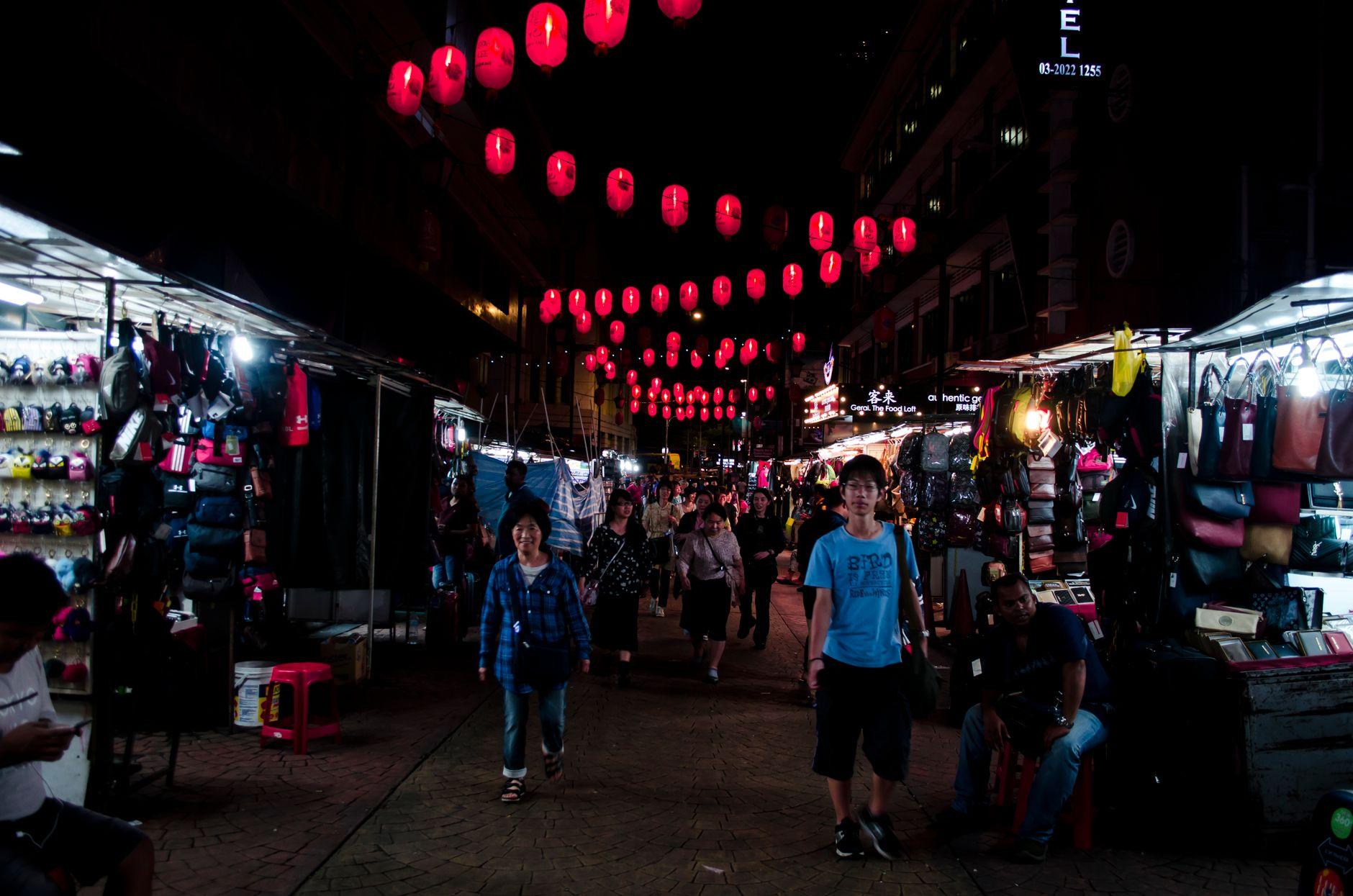
Keep a modest cushion of small ringgit notes. You will want them for the rare cash only parking attendant, the occasional temple donation box, and the one stall per week whose QR sticker has faded into abstraction under the Malaysian sun. Everything else, scan it. Breakfast kopitiam, scan. Grab top ups and groceries, scan. Night market dinner where you order from four different stalls, four quick scans, each one showing you the rate before you commit, which beats mentally dividing by whatever your bank decided ringgit was worth that day.
Malaysia built one of the cleanest payment systems in Asia and then, almost by accident, left visitors on the wrong side of the glass. You do not have to stay there. Set up Moreta Pay before you land and that laminated square at the mamak stops being a reminder of what you cannot do and starts being how you pay for the teh tarik.