
Here's the scene. You've cleared immigration at KLIA, found the queue for the best nasi lemak in the terminal area, and the auntie points at a laminated square on the counter. A QR code. She's not being difficult. That's just how Malaysia pays now.
The good news: you can pay that QR code too, without a Malaysian bank account, without a local SIM, and without touching an ATM. This article walks through exactly how.
One QR code to rule the whole country
Malaysia did something genuinely smart with payments. Instead of letting a dozen wallets fight it out with incompatible codes, the country standardized on DuitNow QR. It's a single national QR standard, which means the same sticker format works at a hawker stall in Penang, a mamak in Petaling Jaya, a pharmacy in Kota Kinabalu, and the payment counter at a Mid Valley department store.
For merchants, QR is cheaper to accept than cards, so even places that technically have a card terminal often prefer you scan. For small vendors, QR is frequently the only cashless option they offer at all. The kuih seller at a pasar malam isn't going to rent a card machine, but she almost certainly has a DuitNow QR code taped to her table.
So the question for a visitor isn't "does Malaysia take cashless payments." It's "how do I get myself into the DuitNow QR system."
The Touch 'n Go trap
Ask a local what wallet to use and they'll say Touch 'n Go eWallet, because that's what they use. Here's the catch most travelers discover at the worst possible moment: setting up Touch 'n Go as a foreigner is unreliable at best. Registration and top-up flows are built around local credentials, and many visitors simply can't complete the process. Some get partway through, load nothing, and give up at a checkout counter with a line forming behind them.
Don't plan your trip around getting a local wallet working. Plan around not needing one.
The workaround: scan DuitNow QR with Moreta Pay
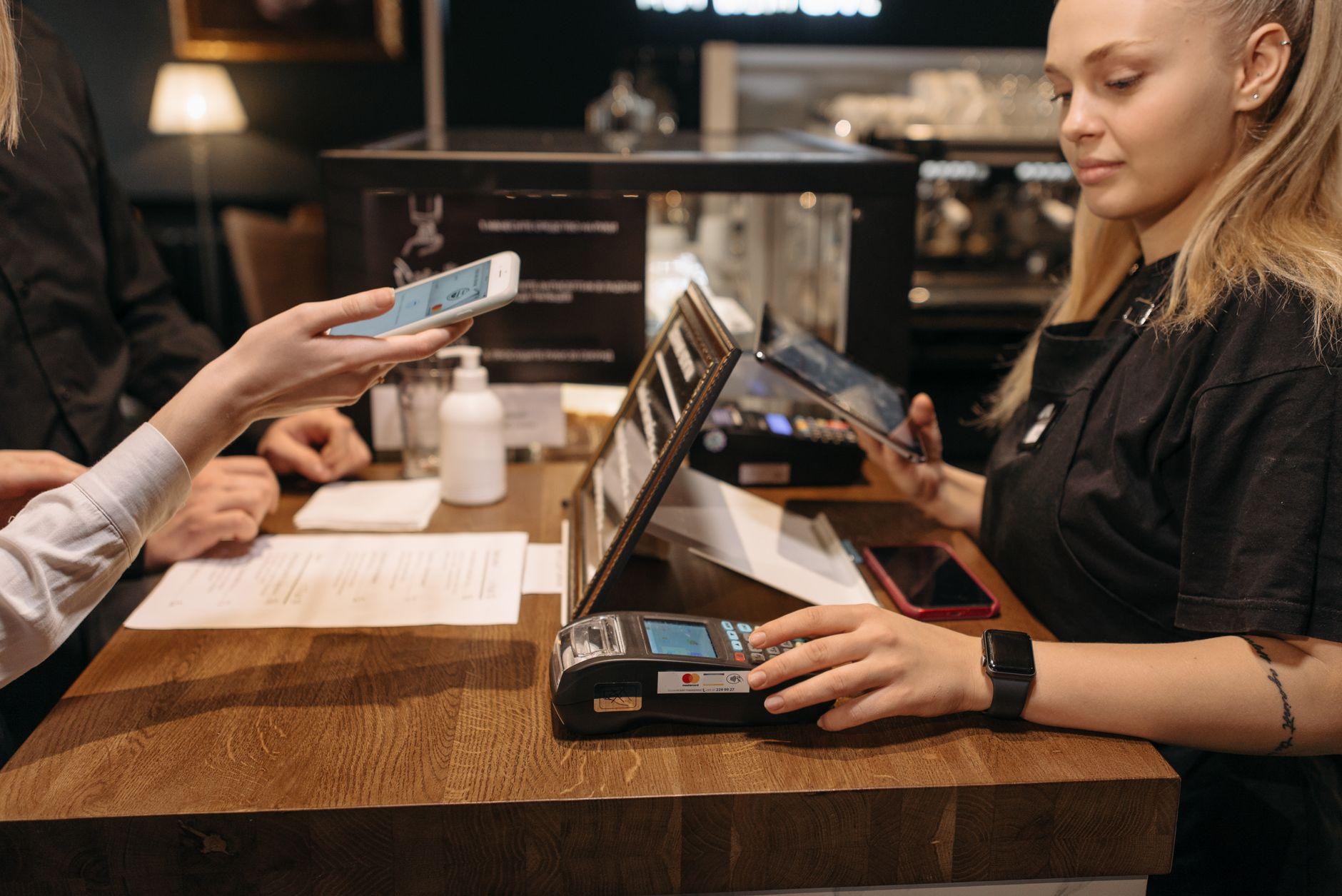
This is where Moreta Pay earns its spot on your home screen. It lets you scan the exact same DuitNow QR codes locals scan, but the money comes from a wallet you top up in your own currency, from your own bank at home.
The setup, start to finish:
- Download Moreta Pay before you fly. Do it on your home WiFi, not airport roaming.
- Connect a funding source. US bank via Plaid or ACH, European SEPA, UK Faster Payments, Canadian e-Transfer, or an international credit or debit card.
- Top up your wallet in your own currency. Dollars, euros, pounds, whatever you hold. No ringgit math required yet.
- At the stall, scan the DuitNow QR code. The screen shows the merchant name, the amount in ringgit, and the exact FX rate before you commit.
- Confirm. The wallet converts to ringgit and the merchant is paid instantly. They see a normal DuitNow payment land, same as from any local customer.
That's the whole flow. No hidden foreign transaction fees stacked on afterward, no guessing what rate you got. You see the conversion on screen before you tap confirm, which matters more in Malaysia than you'd think, because you'll be making a lot of small payments. RM8 here, RM14 there, all day long.
Where you'll actually use it in a normal Malaysian day
Breakfast at the mamak. Roti canai and teh tarik, QR code laminated to the drinks counter. Scan, confirm, done before your roti arrives.
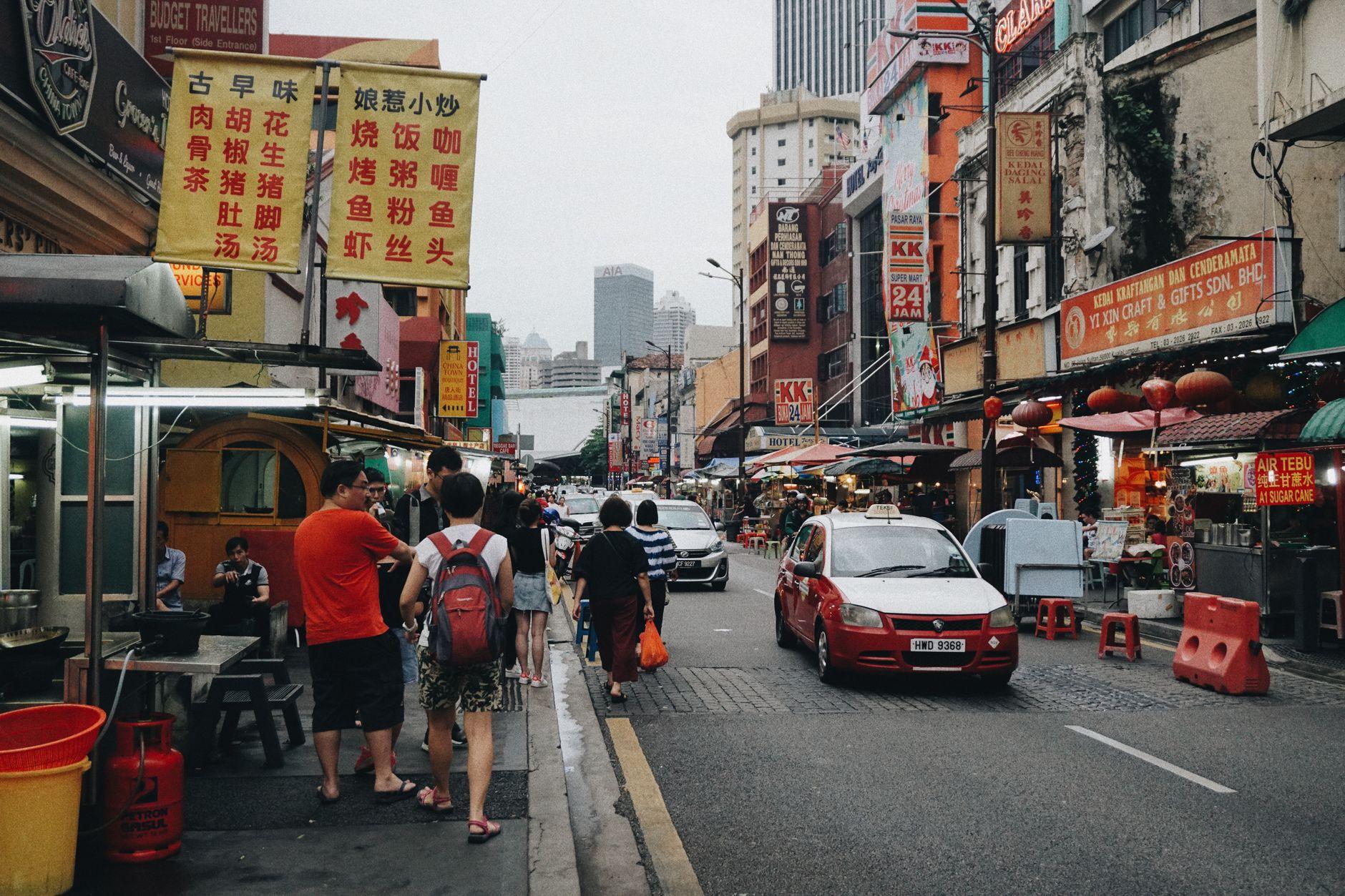
The wet market or pasar malam. Night market vendors are heavily QR-first. Many will look mildly pained if you hand them a RM50 note for a RM6 purchase, because now they have to find change.
Malls and chain stores. Cards work fine here, especially in KL, Penang, and Johor Bahru. But QR is equally accepted and you skip the foreign transaction fee lottery your card might run you through.
Cafes and kopitiams. Independent coffee shops in places like Bangsar or Georgetown are almost universally QR-enabled, and sometimes QR-only for anything under a certain amount.
Online bookings. DuitNow-style QR payments also show up at checkout on platforms like Shopee, Lazada, Agoda, and Trip.com. If a card payment is getting declined for being foreign (it happens), the QR option is your escape hatch, and Moreta Pay can handle that scan too.
If you want a deeper merchant-by-merchant comparison of every payment method in the country, cash and cards included, we scored them all in The Mamak Test.
Should you carry any cash at all?
A little, yes. Think of ringgit as a backup, not your plan. Keep a small amount for the rare holdout vendor, parking attendants in older lots, and anywhere deep in rural Sabah or Sarawak where connectivity gets patchy. In cities and towns, you can genuinely go days without opening your wallet, the physical one anyway.
What you can skip entirely: the airport ATM run, the currency exchange counter, and the mental overhead of guarding a brick of notes for a two week trip.
A few Malaysia-specific habits worth copying
Check the merchant name on screen. DuitNow QR shows you who you're paying. At a crowded stall with multiple codes taped up, a two second glance confirms you're paying the right vendor.
Small payments are normal. Nobody blinks at a QR payment for RM3 worth of kuih. Don't feel awkward scanning for tiny amounts. Locals do it constantly.
Show the confirmation screen. At busy stalls, the vendor may not hear their notification over the noise. Turning your phone around with the success screen is standard etiquette and settles it instantly.
Expect QR everywhere, even where you don't. Temples with donation QR codes, roadside durian trucks, the uncle selling newspapers. If someone sells something in Malaysia, assume they have a code.
Crossing the border? Same playbook
If Malaysia is one stop on a longer Southeast Asia run, the habit transfers. Thailand has its own national QR standard, PromptPay, and the same scan-and-confirm approach works there too. We covered the Thai side in our PromptPay guide, and the short version is that one app in your pocket covers both sides of the border without a new setup each time.
Your pre-flight checklist
- Install Moreta Pay and connect your home bank or card before departure.
- Top up enough for your first few days of food, transport, and small purchases.
- Withdraw or exchange only a small cash buffer for edge cases.
- At every counter, look for the DuitNow QR sticker first. It's almost always there.
Malaysia makes paying like a local easier than almost anywhere in the region, precisely because the whole country agreed on one QR standard. The only thing standing between you and that system was a local bank account, and now it isn't. Set up Moreta Pay before you board, and the nasi lemak auntie's QR code is yours to scan from day one.