
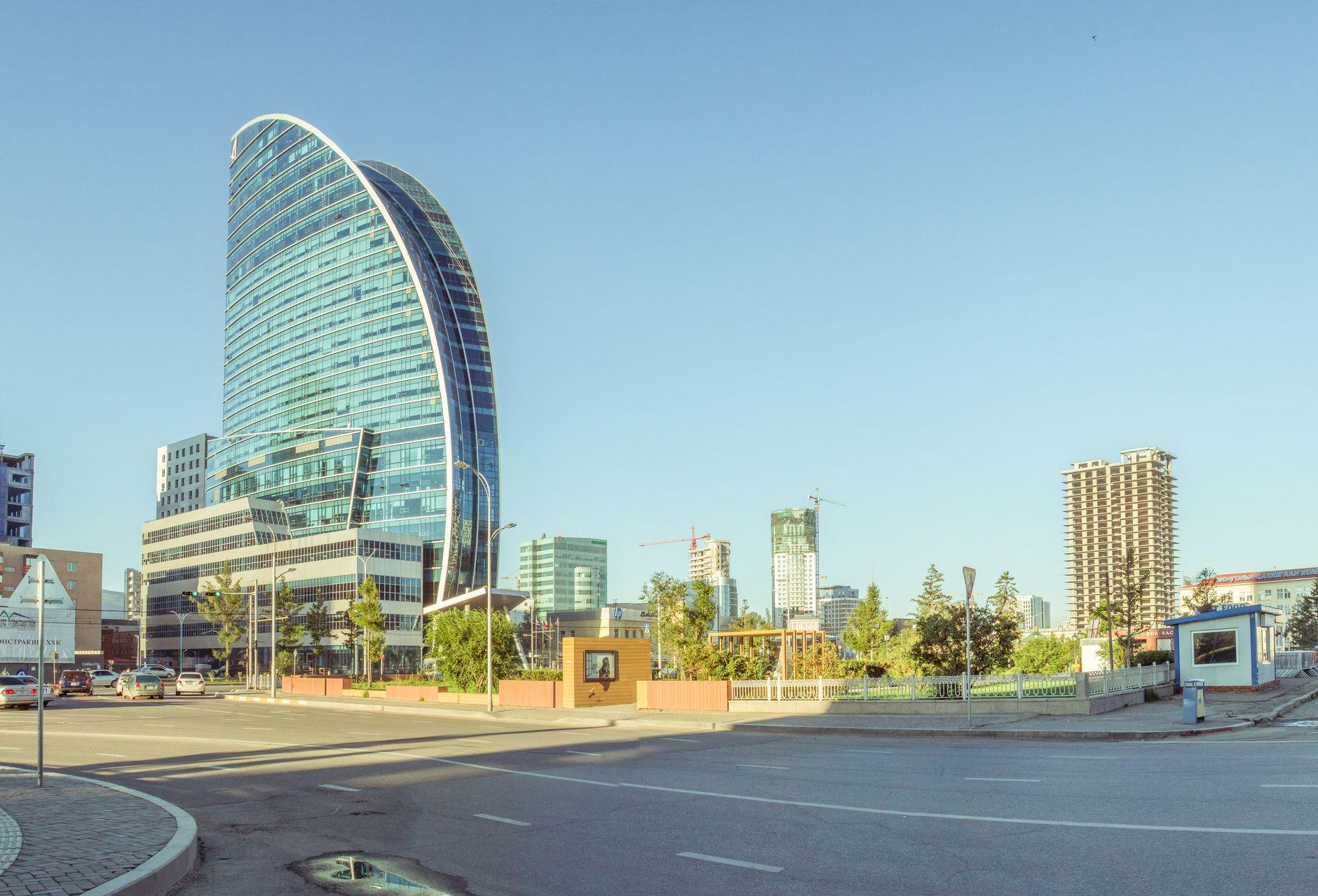
Mongolia has a split personality when it comes to money, and nobody tells you this before you land. In Ulaanbaatar, the cafe near Sukhbaatar Square has a QR code taped to the register and the cashier expects you to scan it. Three hours west, the family running a ger camp wants tugrik notes, counted out by hand, and a phone is useless for anything except photos. If you plan for only one of these two Mongolias, the other one will catch you off guard.
So let's do this properly. Here are the real options for paying in Mongolia as a visitor, weighed honestly, with the countryside problem and the city problem treated as the separate things they are.
Option one: carry tugrik cash for everything
The traditional advice. Withdraw a thick stack of Mongolian tugrik in Ulaanbaatar and spend it down across the trip.
In its favor: cash works everywhere in Mongolia, full stop. The driver who takes you to Terelj, the woman selling aaruul by the roadside, the guesthouse in Kharkhorin that has never seen a card terminal, all of them take tugrik. For any itinerary that leaves the capital, some cash is simply non-negotiable. There is no QR signal on the steppe.
Against it: tugrik denominations are small relative to prices, so meaningful spending money means a genuinely fat wad of notes. ATMs in Ulaanbaatar are plentiful but your home bank's foreign withdrawal fees stack up, and outside the city ATMs thin out fast. You also end the trip with leftover tugrik that is hard to exchange back once you leave, because tugrik is not a currency most exchange counters abroad want. And if you do change money at a counter, the quoted rate matters far more than any advertised commission, a trap we broke down in our guide to spotting exchange counter tricks.
Verdict: essential for the countryside, clumsy and expensive as your only method.
Option two: lean on your foreign card
The default for most travelers everywhere. In Mongolia it works less well than you'd hope.
In its favor: larger hotels in Ulaanbaatar, international restaurant chains, supermarkets like the big ones along Peace Avenue, and tour operators catering to foreigners will usually take Visa or Mastercard. For big-ticket items like a multi-day Gobi tour booked through an agency, a card is often fine.
Against it: Mongolia is one of the less internationally-friendly card environments in Asia. Plenty of ordinary city businesses, the kind locals actually eat and shop at, either have no terminal or have one that rejects foreign cards without explanation. Where cards do work, foreign transaction fees apply silently, and some terminals will offer to charge you in your home currency, which is dynamic currency conversion and almost always a worse rate (we've covered why getting DCC fees refunded afterward is so hard, so decline it at the terminal). And a card does nothing for you at the market stall or the small khuushuur place where the only payment options are cash or a QR code.
Verdict: a useful backup for hotels and tours, frustrating as a daily driver.
Option three: try to join a Mongolian wallet
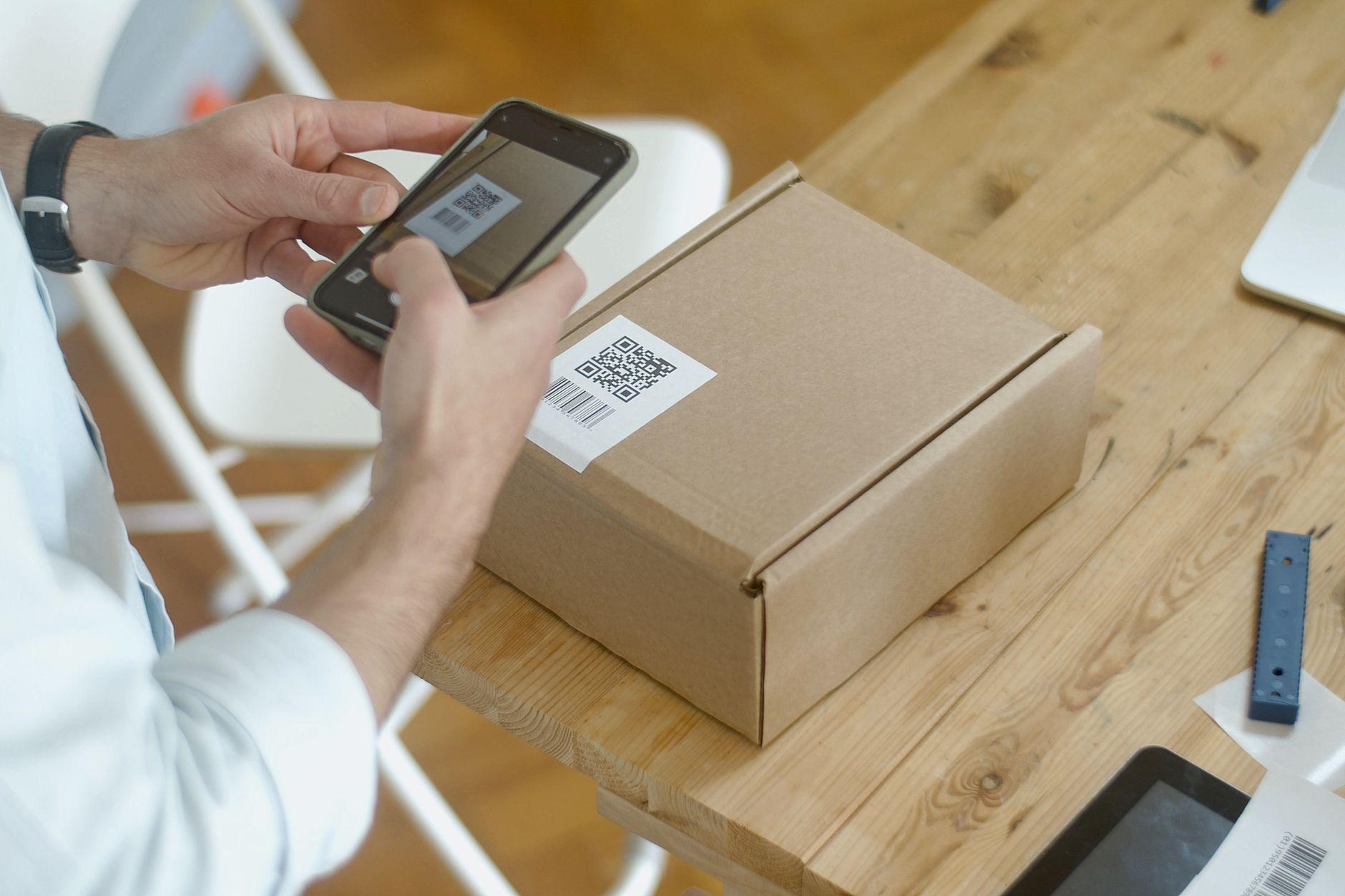
Here is what locals actually do. Ulaanbaatar has gone enthusiastically QR-first for everyday spending. Mongolians pay at coffee shops, pharmacies, convenience stores, and restaurants by scanning a QR code through apps tied to their Mongolian bank accounts, with QPay codes being the ones you'll see taped up most often at registers around the city.
In its favor: this is genuinely the smoothest way to pay in urban Mongolia. No cash counting, no card terminal roulette, instant confirmation, and merchants love it because it settles immediately.
Against it: as a visitor, you almost certainly can't get in the front door. These wallets hang off Mongolian bank accounts, which require local ID, residency paperwork, and an in-person branch visit that short-term visitors can't satisfy and even new expats find slow. Mongolia has few internationally-friendly on-ramps into its payment system. So you stand at the register watching everyone else scan and pay in four seconds while you dig for cash.
Verdict: the local ideal, mostly out of reach for foreigners.
Option four: bring a QR wallet that already works for visitors
This is the newer path, and it changes the math for the city half of the trip. Moreta Pay lets you scan the same standard QR codes Mongolian merchants already display, the ones built for local customers, and pay from a wallet you topped up in your own currency from your home bank or an international card. No Mongolian bank account, no branch visit, no local ID.
In its favor: you get to pay like a local where locals pay by QR. Scan the code at the register, see the amount in tugrik alongside the FX rate and the merchant name, confirm, and the merchant is paid instantly in their own currency. The rate is shown before you commit, so there are no hidden foreign transaction fees and no DCC trap, and you skip the ATM queue entirely for city spending. You top up from a US bank via Plaid or ACH, SEPA in Europe, UK Faster Payments, Canadian e-Transfer, or a credit or debit card, which means your funding source lives at home where it belongs.
Against it: it cannot fix the countryside. Where there is no QR code and often no mobile data, no app helps. Moreta Pay solves the Ulaanbaatar problem completely and the steppe problem not at all, which is exactly why the honest answer for Mongolia is a combination, not a single tool.
Verdict: the best available option for city spending as a visitor, paired with cash for everything beyond.
The split strategy that actually fits Mongolia
Put the four options side by side and the shape of the right plan emerges on its own. Mongolia rewards travelers who treat it as two zones with two systems.
Zone one, Ulaanbaatar and other towns with QR codes at the register: pay by scanning. Use Moreta Pay for cafes, restaurants, shops, pharmacies, anywhere a QR code is displayed, and keep your foreign card as a fallback for hotels and tour agencies. Your cash stays in your pocket, untouched, which matters for zone two.
Zone two, everywhere the pavement ends: cash only, withdrawn or exchanged in the city before you leave. Estimate your countryside days generously, because topping up tugrik from a soum-center ATM is not a plan you want to depend on. Driver tips, ger camp extras, roadside meals, small-town shops, all tugrik notes.
The mistake is doing it in the wrong proportions. Travelers who carry cash for everything burn money on withdrawal fees and exchange spreads for city spending that a QR scan would have handled cleanly. Travelers who assume their card will carry them end up hunting for an ATM at 9pm because the restaurant that looked modern only takes QR or cash.
Before you fly into Chinggis Khaan airport
Three small things that make the whole system work. First, set up and fund your wallet before departure, since connecting a home bank is easiest while you're still at home. Second, decide your countryside cash budget in advance and withdraw it in Ulaanbaatar in one or two larger pulls rather than many small ones. Third, when a terminal or ATM offers to charge you in dollars, euros, or pounds instead of tugrik, say no every time.
Do that, and Mongolia stops being a payments puzzle. The city half of your trip runs on the same QR codes locals use, and the wild half runs on a sensible, pre-planned stack of tugrik. If you want the city half sorted before your boots hit Peace Avenue, get your Moreta Pay wallet loaded and ready to scan.