
Ask ten travelers heading to Peru about money and you’ll hear the same handful of questions: how bad are the ATM fees, is the counterfeit-bill thing real, and what are those purple QR stickers on every market stall. Here are the direct answers, without the forum-thread noise.
Why does every cashier hold my banknote up to the light?
Because counterfeit soles are a genuine, everyday concern in Peru, and locals are trained by habit to check. You’ll see shopkeepers tilt a 100 sol note to catch the watermark, run a thumbnail over the raised print, and sometimes hand a bill straight back if it feels wrong. Tourists get warned about this constantly, and for good reason: the riskiest moments are exactly the ones travelers face most, like getting change from a street vendor at night or breaking a large bill from an ATM in a taxi. Every cash transaction is a small trust exercise, and you’re the person least equipped to spot a fake.
How much does an ATM withdrawal really cost in Peru?
More than the screen suggests. You typically face a fee charged by the ATM operator, plus whatever your home bank charges for foreign withdrawals, plus the exchange rate applied somewhere in the middle. Then comes the sneakiest part: many machines offer to charge you in your home currency instead of soles. That’s dynamic currency conversion, and the rate behind it is almost always worse than letting your own bank convert. Always choose soles. Add withdrawal limits that force repeat visits, and the true cost of staying cash-funded in Peru stacks up fast, before you’ve even started worrying about which of those bills are genuine.
What are Yape and Plin, and why are they everywhere?
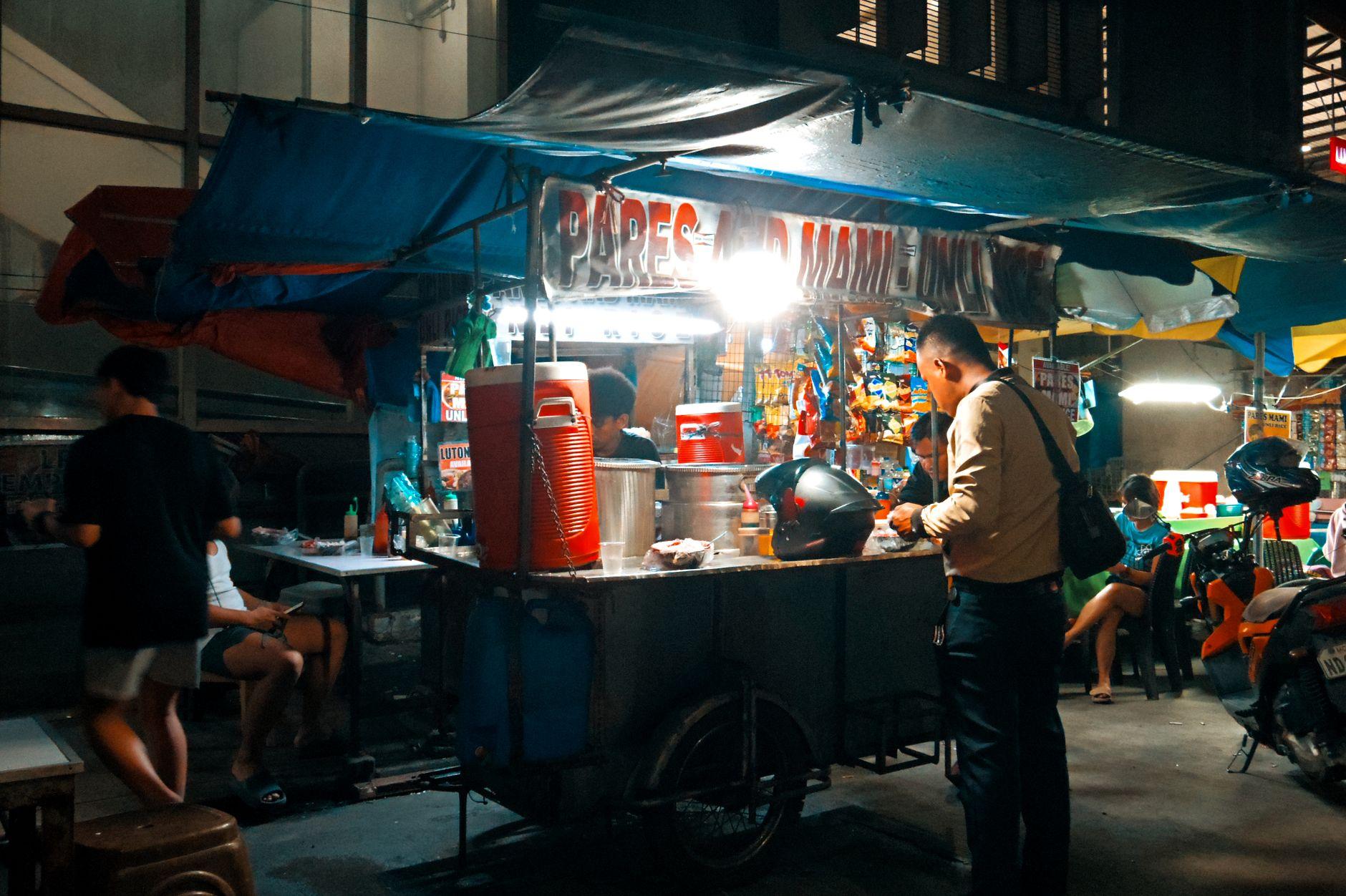
Yape and Plin are Peru’s dominant QR wallets, and “everywhere” is barely an exaggeration. The stickers hang at Lima ceviche counters, Cusco artisan stalls, Arequipa juice stands, and taped to the dashboard of taxis. Vendors love them because a QR payment can’t be counterfeit, can’t be shortchanged, and doesn’t require keeping a drawer of small bills. Plenty of small merchants now visibly prefer a QR scan over handling cash, which tells you how deeply this has replaced coins and notes in daily Peruvian life.
Can I just download Yape or Plin as a visitor?
Realistically, no. Both are built around Peruvian identity documents and local banking relationships, which puts them out of reach for short-term visitors. We walked through the details of that wall (and what it means for your trip) in our earlier guide to paying in Peru without Yape. The short version: unless you’re settling in long enough to open a local account, the apps locals use daily won’t install their way into your life.
So how do I pay a Yape or Plin QR code without a Peruvian bank account?
This is where Moreta Pay closes the gap. It lets you scan the same standard QR codes Peruvians scan, no local account required. You top up a wallet from your home bank (US bank connection, ACH, SEPA in Europe, UK Faster Payments, or Canadian e-Transfer) or an international card, in your own currency. At the stall, you scan the merchant’s code, see the amount, the merchant’s name, and the exact exchange rate on screen, then confirm. The merchant is paid instantly in soles, and you never touched a banknote. The rate is shown before you commit, which is more than any ATM in Peru will do for you.
Should I carry zero cash, then?
Not zero. Small soles still matter for public restrooms, some combis and colectivos, tips for guides and porters, and tiny villages along trekking routes where phone signal is a rumor. The strategy isn’t eliminating cash, it’s shrinking it: one modest withdrawal instead of five, small bills you can afford to lose, and QR for everything that has a sticker. If your route continues south into Bolivia, the same logic applies even more strongly, as we covered in our Bolivia withdrawal guide.
What about just using my Visa or Mastercard?
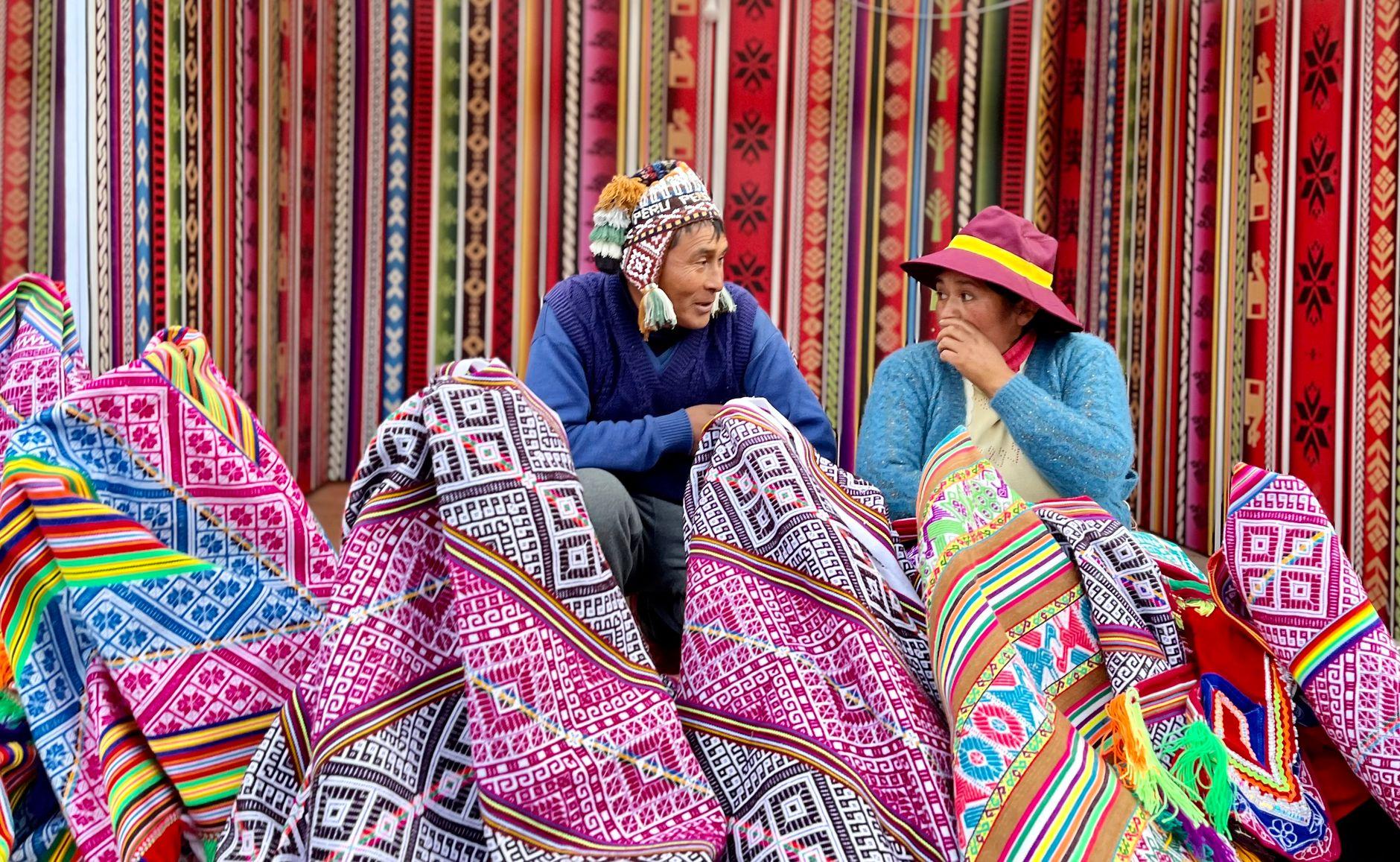
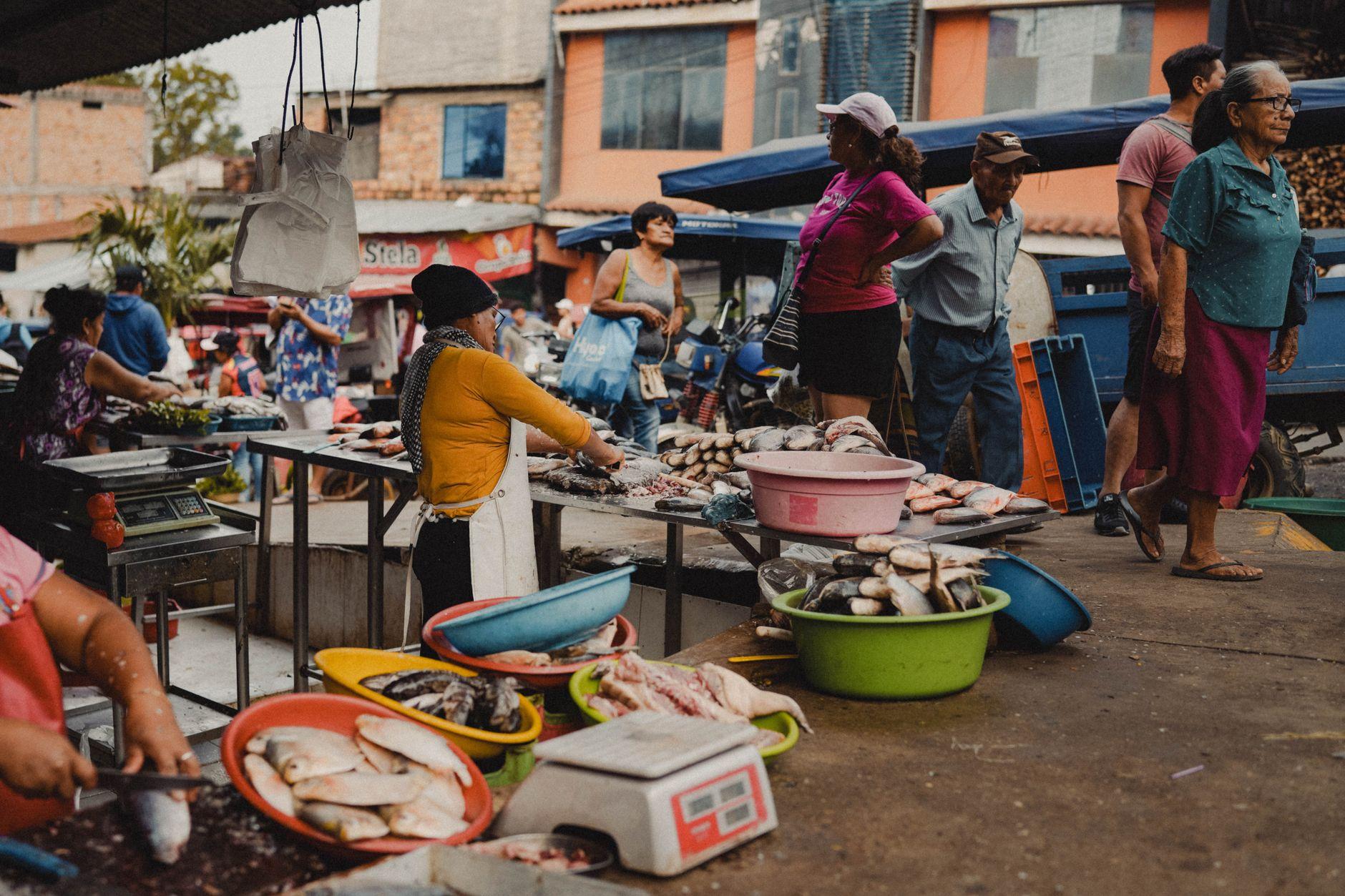
It works where you’d expect: supermarkets, chain restaurants, hotels, malls in Lima and Miraflores. Two caveats. First, if a terminal offers to charge you in dollars, euros, or pounds instead of soles, decline it, because that’s the same DCC markup the ATMs push. Second, the moments that make Peru worth visiting (the market almuerzo, the alpaca scarf from the weaver herself, the taxi negotiated on the street) mostly happen at merchants who take cash or QR, and nothing else. Your card covers the predictable half of the trip. The memorable half runs on Yape and Plin.
Does QR help with bookings and online purchases too?
Yes. QR-based checkout works on platforms travelers actually use, like Trip.com and Agoda, so you can settle a hotel or a train to Machu Picchu the same way you’d pay for lunch. Moreta Pay handles those QR payments as well, with the same upfront rate display, and can cover bills in supported countries, which is handy for expats settling into Lima or Cusco for a longer stretch.
What does a normal low-cash day in Peru actually look like?
Morning coffee in Barranco, scan the QR at the counter. Taxi across town, driver points at the code on his dashboard, scan and show him the confirmation. Lunch menu at a market stall, scan the laminated sticker next to the aji sauce. Souvenir from a Cusco artisan, same motion. The small bills in your pocket go to a restroom attendant and a tip, and that’s the entire day’s cash exposure. No ATM queue, no mental math on a bad rate, no squinting at a 50 sol note wondering if it will be accepted at the next stop.
One thing to do before you land
Set up your wallet and top it up while you’re still on home Wi-Fi, so your first scan in Peru is at a juice stand rather than a settings screen. Get Moreta Pay ready before your flight and let the purple stickers do the rest.