
Ask ten travelers how to pay in the Philippines and you will get ten confident, contradictory answers. Bring only cash. Cards work everywhere now. Just get GCash. You cannot get GCash. Somewhere between all of that is the truth, and the truth changes depending on whether you are standing in a Makati mall or on a beach in Siargao. Below are the questions people actually type into search bars before landing in Manila or Cebu, answered without the folklore.
Can tourists actually set up GCash or Maya?
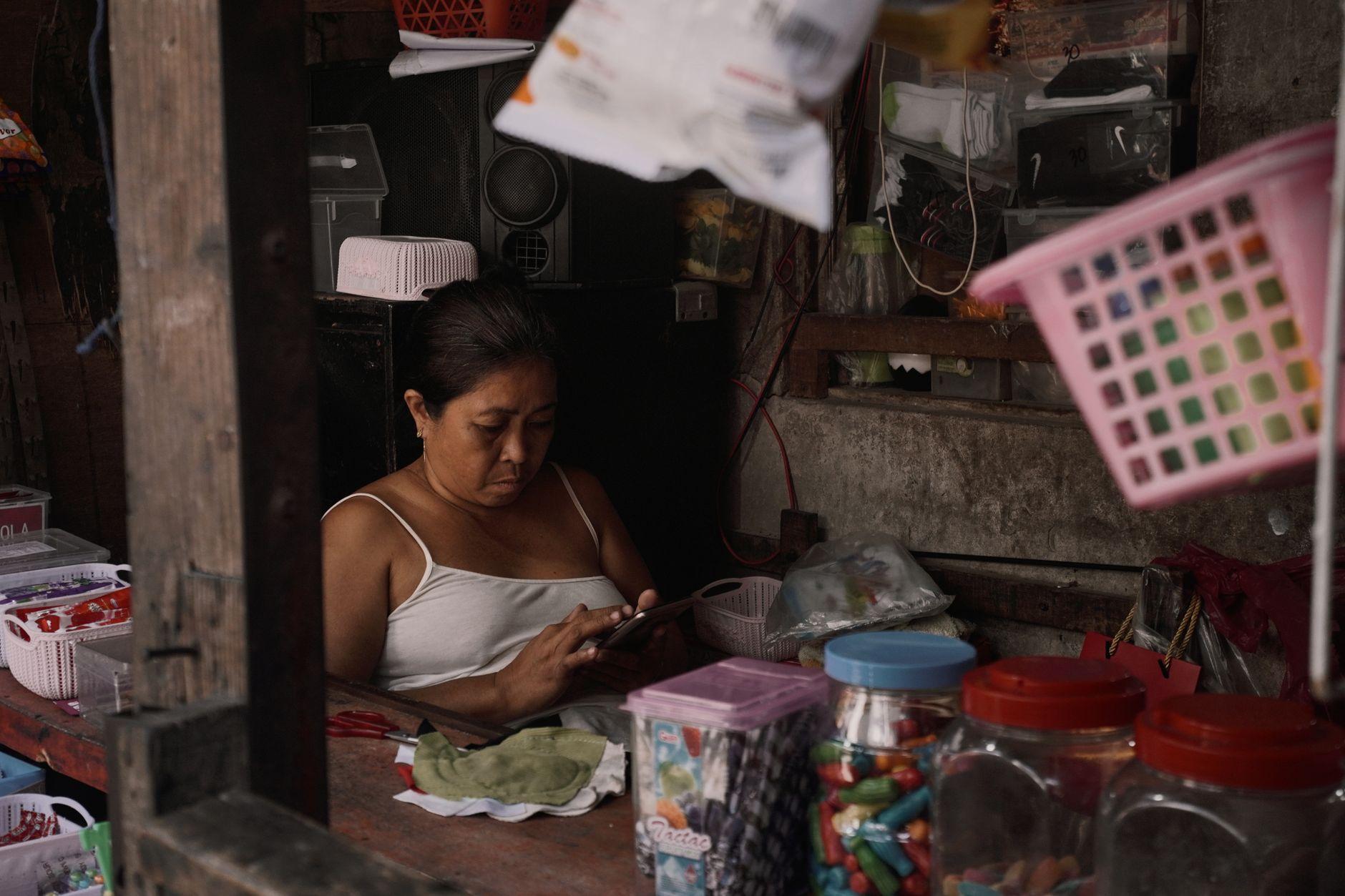
This is the question that trips up the most first-time visitors, so let's start here. GCash and Maya are the two wallets that dominate daily life in the Philippines. Locals use them for everything from jeepney-adjacent sari-sari store purchases to splitting dinner. The catch for visitors: signing up generally requires a Philippine mobile number, and full verification leans on local ID. Plenty of travelers buy a SIM at the airport specifically to attempt this, then hit a wall at the identity check anyway. It is a version of the same signup problem that frustrates foreigners across Southeast Asia, and for a two-week trip the effort rarely pays off.
The workaround most people miss: the QR codes those wallets scan are largely standardized under QR Ph, the national QR standard. You do not need a GCash account to pay a GCash merchant. You need any app that can read a QR Ph code and settle in pesos. Moreta Pay does exactly that, letting you scan the same code the local in front of you just scanned, funded from your own bank at home.
What is QR Ph, and why should I care?
QR Ph is the Philippines' unified QR code standard. Instead of every wallet printing its own incompatible code, merchants can display one QR Ph code that works across participating apps. In practice you will still see GCash blue and Maya green branding plastered on stall counters, but the code underneath is often the interoperable one. For a traveler this matters enormously: one standard means one way in. If your app speaks QR Ph, a huge slice of the country's payment infrastructure opens up without a local bank account, a local SIM, or a verification selfie that gets rejected three times.
Is cash still king in the Philippines?
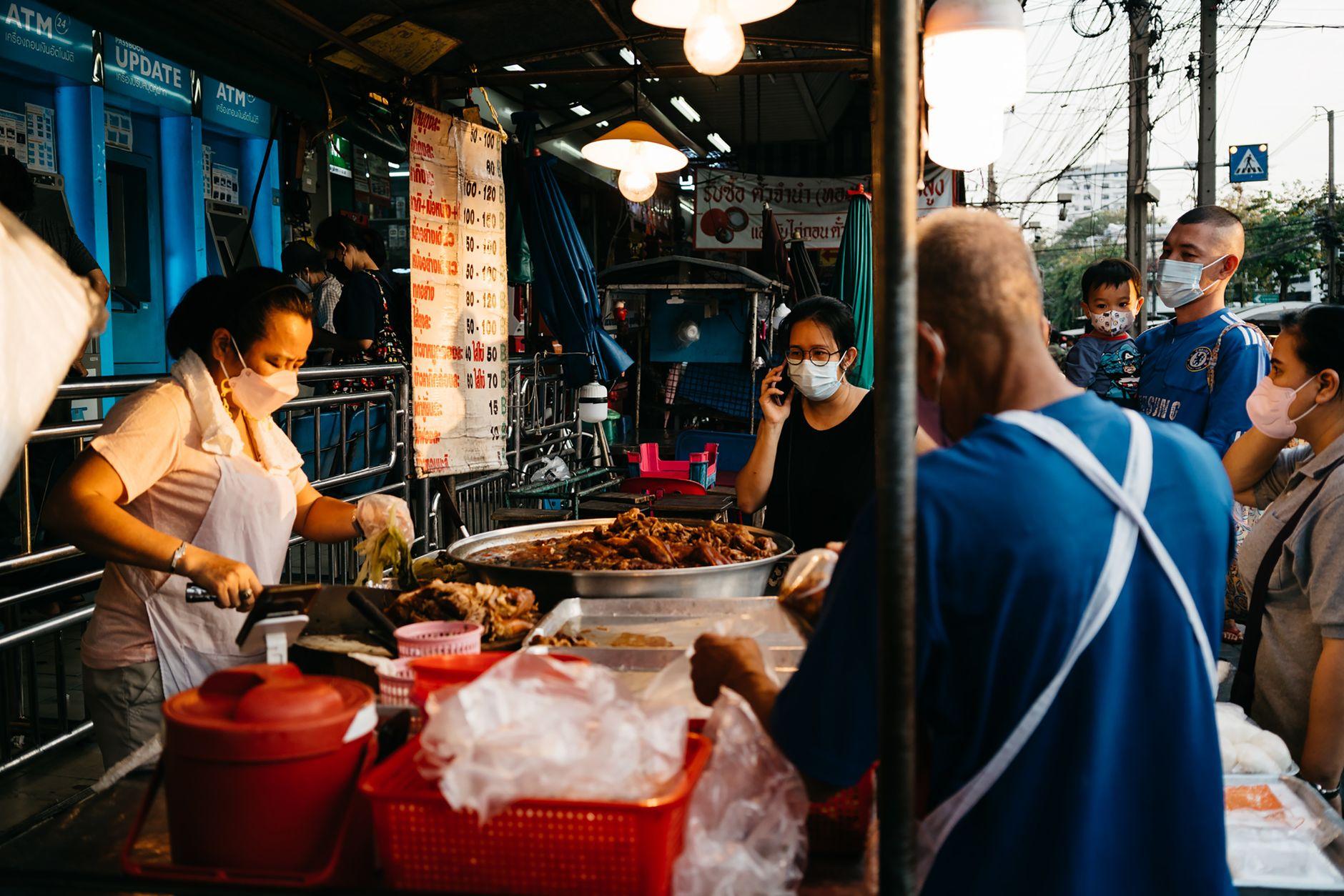
In the provinces, yes, and it is not close. Manila, Cebu City, and Davao are increasingly scannable, and tourist-heavy spots like El Nido and Boracay have plenty of QR-accepting cafes and dive shops. But once you get to smaller islands, tricycle drivers, boat crews, market vendors selling dried mangoes by the kilo, and roadside carinderias, pesos in hand are the expectation. The mistake is not carrying cash. The mistake is treating cash as your only tool, which forces you into the next problem on this list.
Will I find ATMs when I'm island hopping?
Do not count on it. This is the money mistake with the most painful consequences in the Philippines specifically, because the geography works against you. On an island-hopping itinerary through Palawan or the Visayas, you can go days between reliable ATMs, and the machines you do find may be offline, empty before a long weekend, or capped at withdrawal limits that feel comically low once per-withdrawal fees stack up. Travelers routinely end up rationing their last few hundred pesos on the boat back, skipping the grilled fish lunch they came for.
The fix is a split strategy: withdraw a sensible cash buffer in a city before heading remote, then pay by QR everywhere it is accepted so the cash lasts. Every QR Ph payment you make at a resort restaurant or tour operator is cash you did not have to hunt down an ATM to replace.
Can't I just use my credit card everywhere?
In malls, hotels, and chain restaurants, usually. Everywhere else, your card is close to useless. Even where cards are accepted, minimum-spend rules and terminal issues are common, and the pricing behind your card's currency conversion is rarely as clean as advertised. If you have ever wondered why a supposedly fee-free card still costs you money abroad, the Philippines is a good place to stop finding out the hard way. A card is fine as a backup for big-ticket hotel bills. It is not a plan for a country where the small purchases are the whole point.
What money mistakes do tourists in the Philippines make most often?
A quick list from the field:
Arriving with only large bills. Breaking a 1,000-peso note for a 60-peso tricycle ride is a small daily battle. Vendors often genuinely do not have change. Hoard small bills and coins like they are precious, because in the provinces they are.
Assuming the airport SIM unlocks the wallets. As covered above, a local number is only step one of the GCash puzzle, and step two is where foreign passports stall.
Underestimating how remote 'remote' gets. A place can appear on every travel blog and still have one temperamental ATM. Research the cash situation for each island, not just the country.
Paying tour operators in cash when they display a QR code. Island-hopping tours, motorbike rentals, and dive shops in tourist areas increasingly show QR Ph codes. Scanning one preserves your cash reserve for the places that truly need it.
Not confirming the price before the ride or the boat. Not strictly a payment-rails problem, but it interacts with one: fumbling for exact change during a fare dispute is a bad position. Agree first, pay calmly after.
Can I use QR payments for online bookings too?
Yes, and this surprises people. QR-based checkout shows up on platforms Filipinos and visitors both use heavily, including Agoda for hotels and Trip.com for ferries and flights, plus Lazada and Shopee if you need a phone charger delivered to your hostel. If your payment app handles QR checkout, a foreign card getting flagged mid-booking stops being a trip-planning hazard.
So what is the actual plan for paying in the Philippines without a local account?
Three layers. One: a cash reserve in small denominations, replenished in cities before you go remote. Two: QR Ph payments for everything that accepts them, which stretches that reserve across the gaps between ATMs. Three: a credit card held in reserve for hotels and emergencies. For the QR layer, Moreta Pay is built for exactly this traveler: top up from your US, European, UK, or Canadian bank in your own currency, scan the merchant's standard QR Ph code, see the peso amount and the FX rate before you confirm, and the vendor is paid instantly, the same way their local customers pay them.
The Philippines rewards travelers who get off the main islands, and the payment landscape should not be the thing that keeps you tethered to the nearest ATM. Set up Moreta Pay before your flight lands in Manila, and spend your island time thinking about which beach comes next instead of which machine still has cash.