
Malaysia is one of the easiest countries in Asia to pay in. Tourists still manage to make it hard.
The reason is simple: visitors arrive with habits built for other places. Carry lots of cash. Trust your card. Download the local wallet. Two of those three don't really work here, and the third costs you money. Here's what actually goes wrong, and the fix for each one.
Withdrawing a brick of ringgit on arrival
The classic move: land at KLIA, find the first ATM, pull out a thick stack of ringgit "to be safe."
The problem is that Malaysia runs heavily on QR payments now, from mall food courts down to the smallest hawker stall. That stack of notes mostly sits in your bag while you watch locals pay with their phones. And every withdrawal costs you something, between the operator fee and whatever your home bank adds on top. We broke down how those ATM fees stack up across the region, and Malaysia is no exception.
The fix: carry a modest amount of cash for the rare holdout vendor, parking machines, and small kampung-area stops. Plan to pay for most things by QR.
Trying to set up Touch 'n Go eWallet and hitting a wall
Every blog from a few years ago tells you to download the Touch 'n Go eWallet because "everyone uses it." Locals do. You, probably, cannot.
Full setup and top-up as a foreigner is where people get stuck. The verification steps are built around local documents and local banking, and plenty of travelers burn an evening in their hotel trying before giving up. Even those who get partway in often can't load money onto it without a Malaysian account.
The fix: skip the local wallet entirely. An app like Moreta Pay lets you scan the exact same merchant QR codes locals scan, but you fund it from your own bank at home (US bank via Plaid or ACH, SEPA in Europe, UK Faster Payments, Canadian e-Transfer) or an international card, in your own currency. No Malaysian phone plan, no local ID, no local bank account.
Assuming your card covers everything
Card acceptance in Malaysia is genuinely decent, better than much of Southeast Asia. In KL, Penang's Georgetown, and the big malls, you can tap a Visa or Mastercard most of the time.
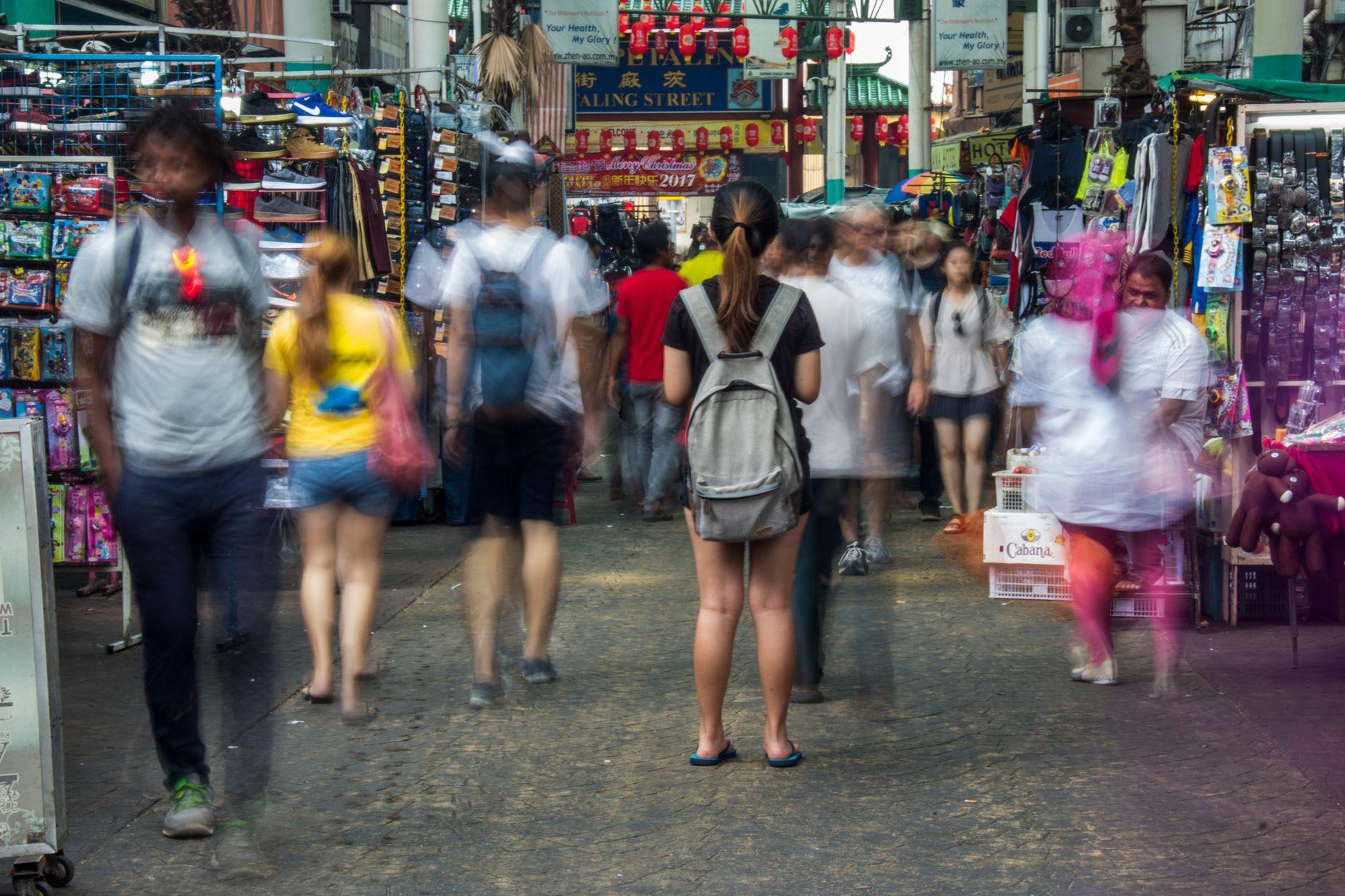
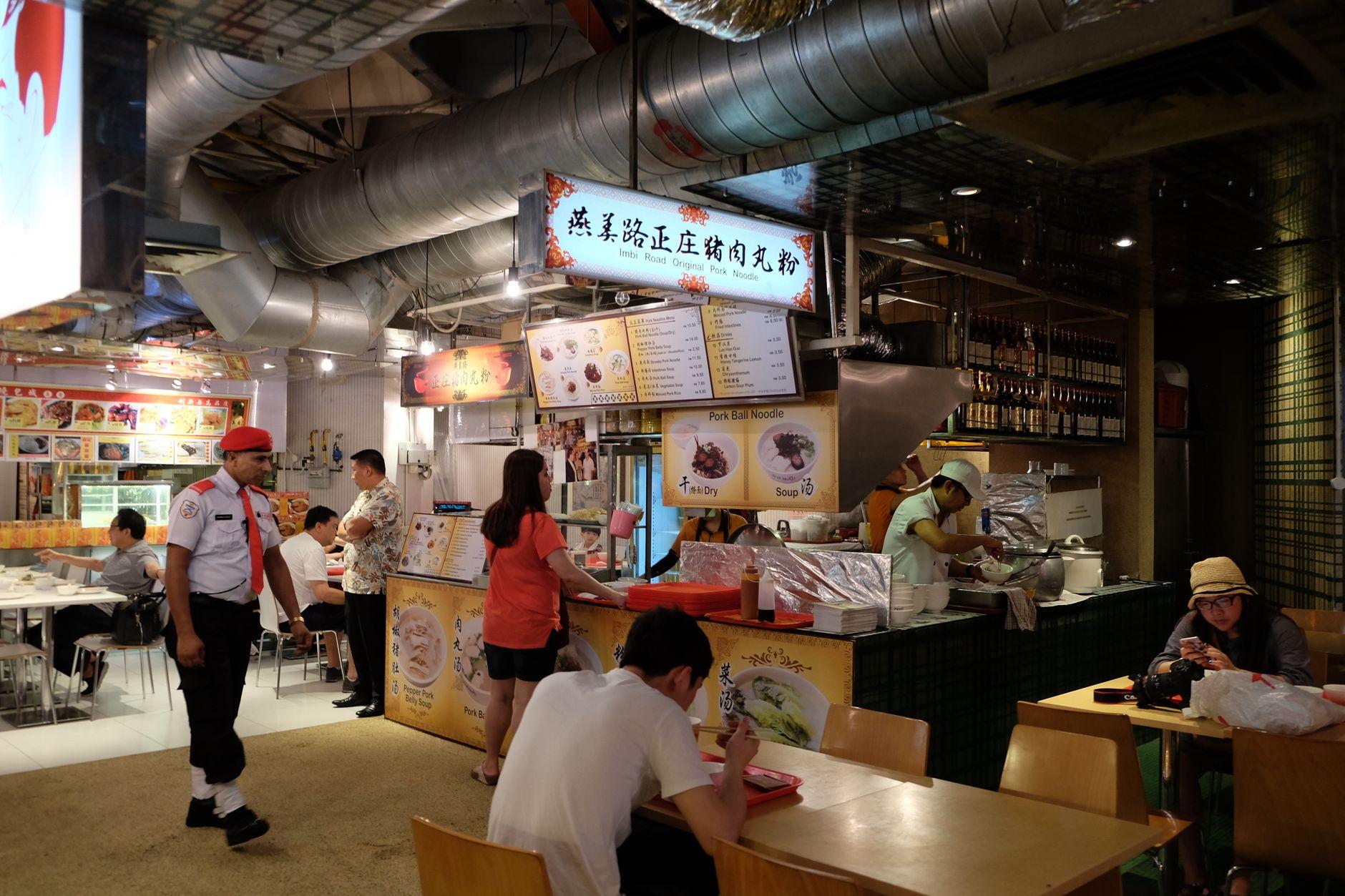
Then you sit down at a mamak at midnight for roti canai and teh tarik, and the answer is QR or cash. Same at the pasar malam, at most hawker centres, at the cendol cart, at the aunty selling nasi lemak bungkus outside your condo. For small merchants, QR is cheaper to accept than cards, so many simply never got a card terminal and never will.
The fix: treat your card as a mall and hotel tool. For everything else, which is most of the fun eating in Malaysia, be ready to scan.
Not realising DuitNow QR is one code for everything
Here's the thing visitors underestimate: Malaysia unified its QR payments under one national standard, DuitNow QR. That laminated blue code taped to the nasi kandar counter is the same standard used at the Pavilion KL cashier and the durian stall in Balik Pulau.
You don't need to figure out which wallet each merchant takes. One standard, everywhere. Scan it, the merchant's name appears, you confirm the amount, done. With Moreta Pay, you also see the exchange rate and the final charge in your home currency before you confirm, so there's no mystery number on your statement later.
Always glance at the merchant name on screen before confirming. It should match the stall you're standing at. And if something does go sideways, like a typo in the amount, we've covered what happens when a QR payment goes wrong in Malaysia and how to sort it out on the spot.
Letting the card terminal charge you in your home currency
When you do use a card in a Malaysian mall or hotel, the terminal will sometimes offer to charge you in dollars, euros, or pounds instead of ringgit. It sounds helpful. It isn't. That's dynamic currency conversion, and the rate behind it is set to favour the machine, not you.
The fix: always choose ringgit when a terminal gives you the choice. Let your own bank or your wallet do the conversion. Better yet, pay by QR where the rate is shown to you upfront instead of buried in fine print.
Forgetting that QR works online too
This one surprises people. Malaysia's QR ecosystem isn't just for street food. Shopee and Lazada checkouts, and travel platforms like Agoda and Trip.com, support QR-based payment too.
So if you're an expat or a nomad settling in for a few months, ordering a fan for your Airbnb or booking a Langkawi weekend doesn't require a local bank account either. You can pay those QR checkouts from the same wallet you use at the hawker stall, and handle bills in supported countries the same way.
Your five-minute setup before you land
Avoiding every mistake above takes less effort than reading this article did:
- Install Moreta Pay and connect your home bank or card before your flight, while you still have reliable internet.
- Top up your wallet in your own currency so you're ready the moment you clear immigration.
- Get an eSIM or local SIM so you have data at the stall, since QR payments need a connection.
- Withdraw a small cash buffer once, not a brick, for the handful of places that are still cash-only.
- When paying, check the merchant name and amount on screen, then confirm.
That's the whole system. Scan the blue code, see the rate, confirm, eat your char kway teow. The locals figured out years ago that this is the easy way to pay in Malaysia. Join them: set up Moreta Pay before your trip and the DuitNow QR at every stall becomes yours to use too.