
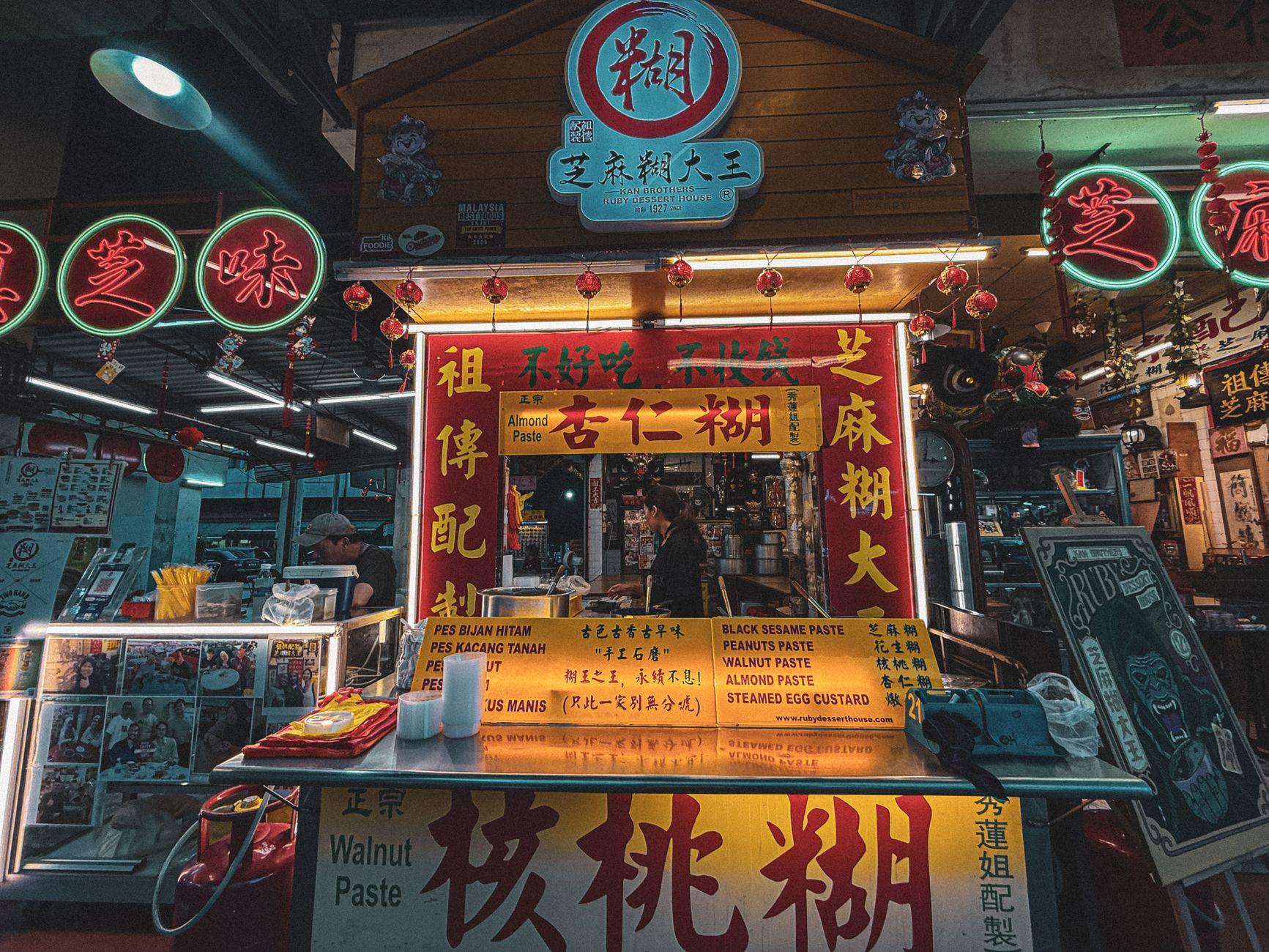
Watch the counter at any mamak in Kuala Lumpur around lunchtime. Plate of nasi kandar, glass of teh tarik, and then almost nobody reaches for cash. They point a phone at a small standee or sticker by the register, tap once, show the screen, done.
That sticker is DuitNow QR, and it is the single most useful thing to understand about how to pay in Malaysia in 2026. This guide covers what it is, why the local wallet apps probably won’t let you in, and how to scan those same codes as a visitor.
One standard, everywhere
Malaysia did something a lot of countries still haven’t managed: it unified its QR payments under one national standard. DuitNow QR is the same system whether you’re at a hawker stall in Penang, a kopitiam in Ipoh, a boutique in Pavilion KL, or a durian vendor working out of a truck.
That matters for you because there’s only one code to look for. You don’t need to figure out which of five competing wallets a merchant accepts. If you see the DuitNow QR logo, any app connected to the network can pay it. Locals might be scanning with Touch ‘n Go, their banking app, or something else entirely. The merchant doesn’t care. The code is the same.
Merchants also genuinely prefer it. QR payments cost them less than card terminals, which is why the tiny stall that would never rent a card machine happily prints a QR code and tapes it to the counter. In Malaysia, QR acceptance goes further down-market than cards ever did.
The Touch ‘n Go problem
Here’s where visitors usually get stuck. The wallet most Malaysians use day to day is Touch ‘n Go eWallet, and setting it up generally requires local credentials that short-term visitors don’t have. Plenty of travelers download it at the airport, hit a wall during registration or top-up, and give up somewhere around baggage claim.
Don’t burn an evening on it. The workaround isn’t to force your way into a local app. It’s to use a wallet built for people like you that connects to the same DuitNow QR rails. That’s exactly what Moreta Pay does: you fund it from your home bank or card in your own currency, and it pays Malaysian DuitNow QR codes directly. No Malaysian bank account, no local phone number, no registration dead ends.
How a payment actually goes
The mechanics are simple once you’ve done it twice:
1. Find the code. Look for the DuitNow QR standee, sticker, or laminated card near the register. At night markets it’s often clipped to the stall frame or sitting in a little acrylic holder next to the food.
2. Scan it. Open Moreta Pay, point your camera at the code. Some codes have the amount baked in; at most small vendors you’ll type it yourself. The vendor will tell you the total, usually in ringgit, sometimes just by holding up fingers.
3. Check the screen. You’ll see the merchant name, the ringgit amount, and the exact exchange rate before anything moves. This is your moment to confirm you’re paying RM12 and not RM120. No mystery markup added later, the rate you see is the rate you get.
4. Confirm and show. The merchant gets paid instantly, usually with a notification chime on their own phone. Show your success screen if they ask. Most won’t; they heard the ding.
The whole thing takes less time than counting change.
Where you’ll actually use it
A realistic week in Malaysia, paid by QR:
Food, constantly. Hawker centres, mamak stalls, kopitiams, the pasar malam. This is where QR beats cash hardest, because meals are cheap and cash means an endless trickle of small notes and coins.
Cafes and restaurants. KL and Penang’s cafe scene is thoroughly QR-native. The code is often printed right on the receipt or the table tent.
Retail, big and small. Malls take cards fine, but the QR option is always there too, and the independent shops in between often prefer it.
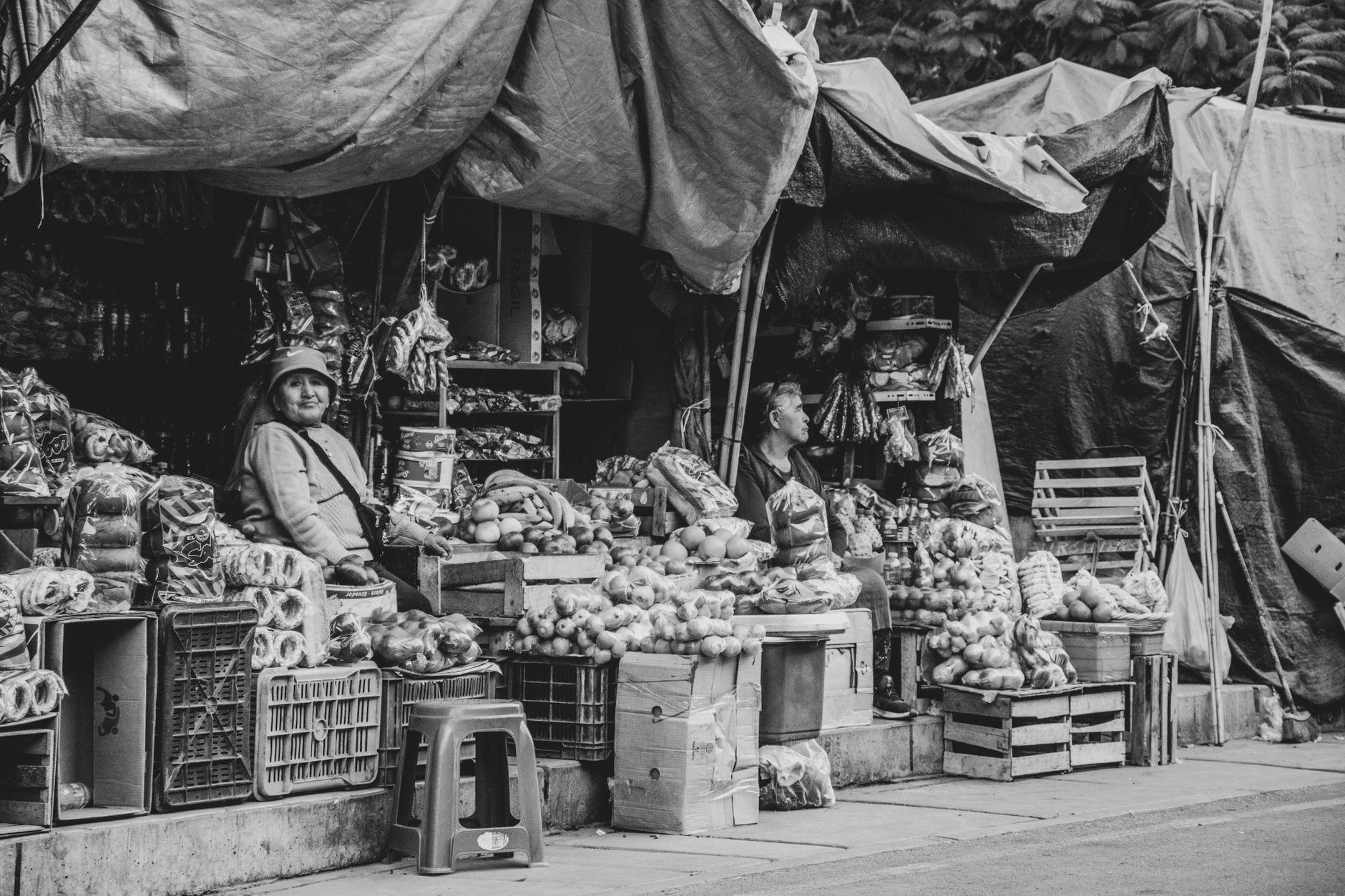
Markets and one-person businesses. Tailors, cobblers, fruit stands, the auntie selling kuih from a folding table. If they take digital payment at all, it’s DuitNow QR.
So do you still need your card?
Cards work reasonably well in Malaysian cities. Hotels, chain restaurants, department stores, no problem. But the card gets weaker exactly where your trip gets interesting: street food, small towns, market stalls, anywhere the bill is small.
QR covers both ends. It works at the mall and at the stall. If you want the full comparison of what each method costs you in fees and exchange spreads, we ran the numbers on paying in Malaysia in an earlier piece. Short version: QR through a transparent wallet is hard to beat.
It’s not just counters
DuitNow QR also shows up online, which surprises people. Shopping on Shopee or Lazada from your hotel room? There’s a QR payment option at checkout. Booking a hotel on Agoda or Trip.com? Same. Moreta Pay can scan those on-screen codes too, so your travel wallet handles your online Malaysian spending as well as the physical kind. Longer-stay expats can also use it for paying bills in Malaysia, which spares you the classic scramble of figuring out payment portals with a foreign card.
Keep some ringgit, but not much
Honesty clause: carry a little cash. Some parking situations, the occasional stubbornly analog stall, small change for a public toilet. A modest amount of ringgit covers the gaps. What you can skip is the old routine of repeated ATM runs and airport currency counters. Malaysia without cash isn’t quite literal yet, but Malaysia with very little cash absolutely is.
And if Malaysia is one stop on a longer loop, the same setup carries over the border. Thailand’s PromptPay works the same way for visitors, and we’ve written a PromptPay guide for people who just landed in Bangkok if that’s next on your route.
Do this before you board
Set up your wallet at home, where your bank connection is easy and your data is fast. Top up in your own currency via your US, UK, European, or Canadian bank, or a card. Then land in KL, walk past the airport money changers, and pay for your first teh tarik the way the person in front of you just did. Get Moreta Pay ready before your flight and Malaysia’s blue sticker is yours to scan from day one.