
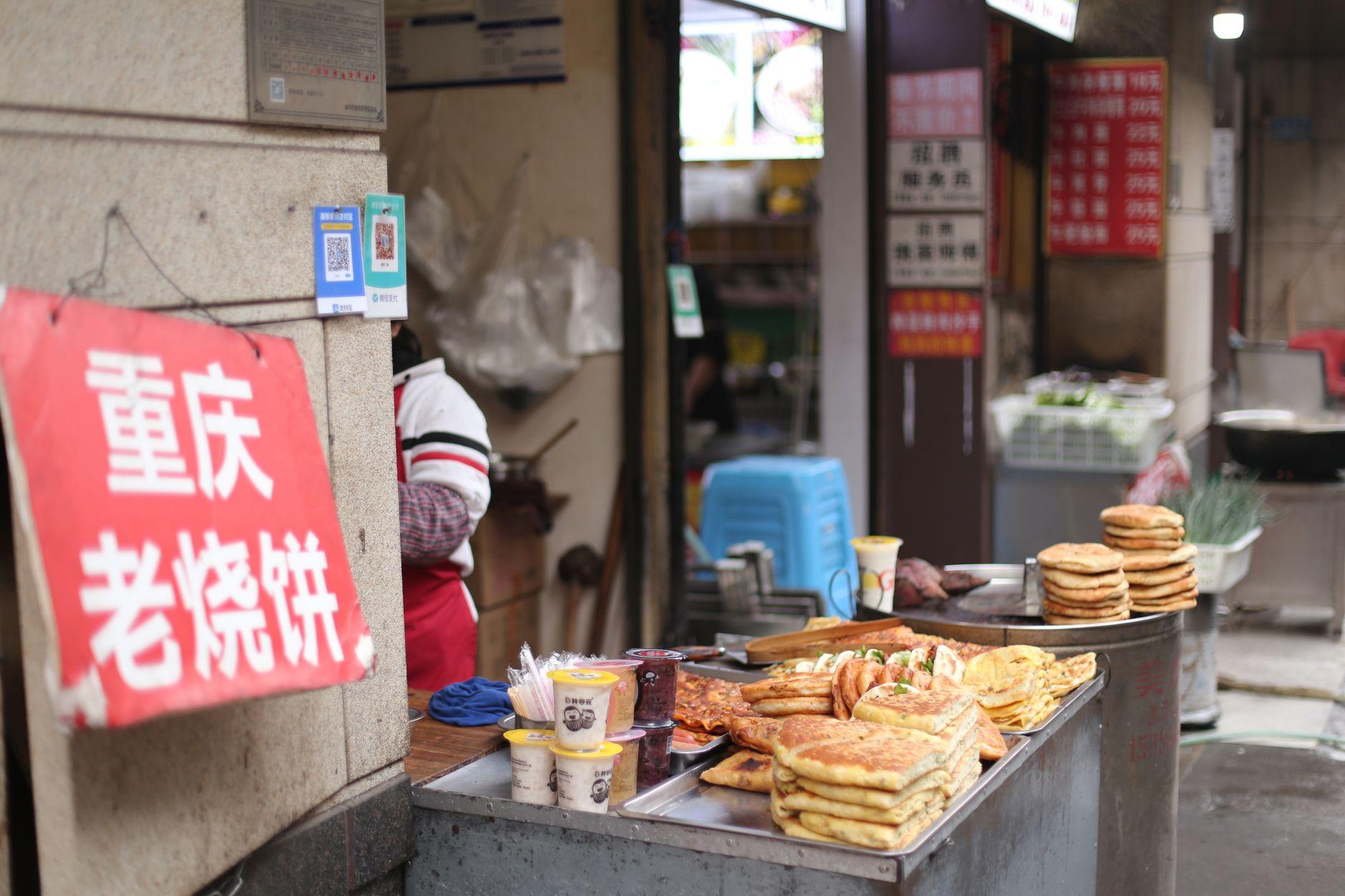
Mongolia confuses first-time visitors because it runs on two completely different payment worlds at once. In Ulaanbaatar, the person frying khuushuur at a market stall very likely has a QR code taped to the counter, and locals pay with a phone tap without thinking about it. Two hours outside the city, that same transaction is cash only, in tugrik, and nobody will blink if you pull out a stack of small notes. This article answers the questions travelers actually ask, in the order they usually ask them.
Do street food stalls in Ulaanbaatar really take QR payments?
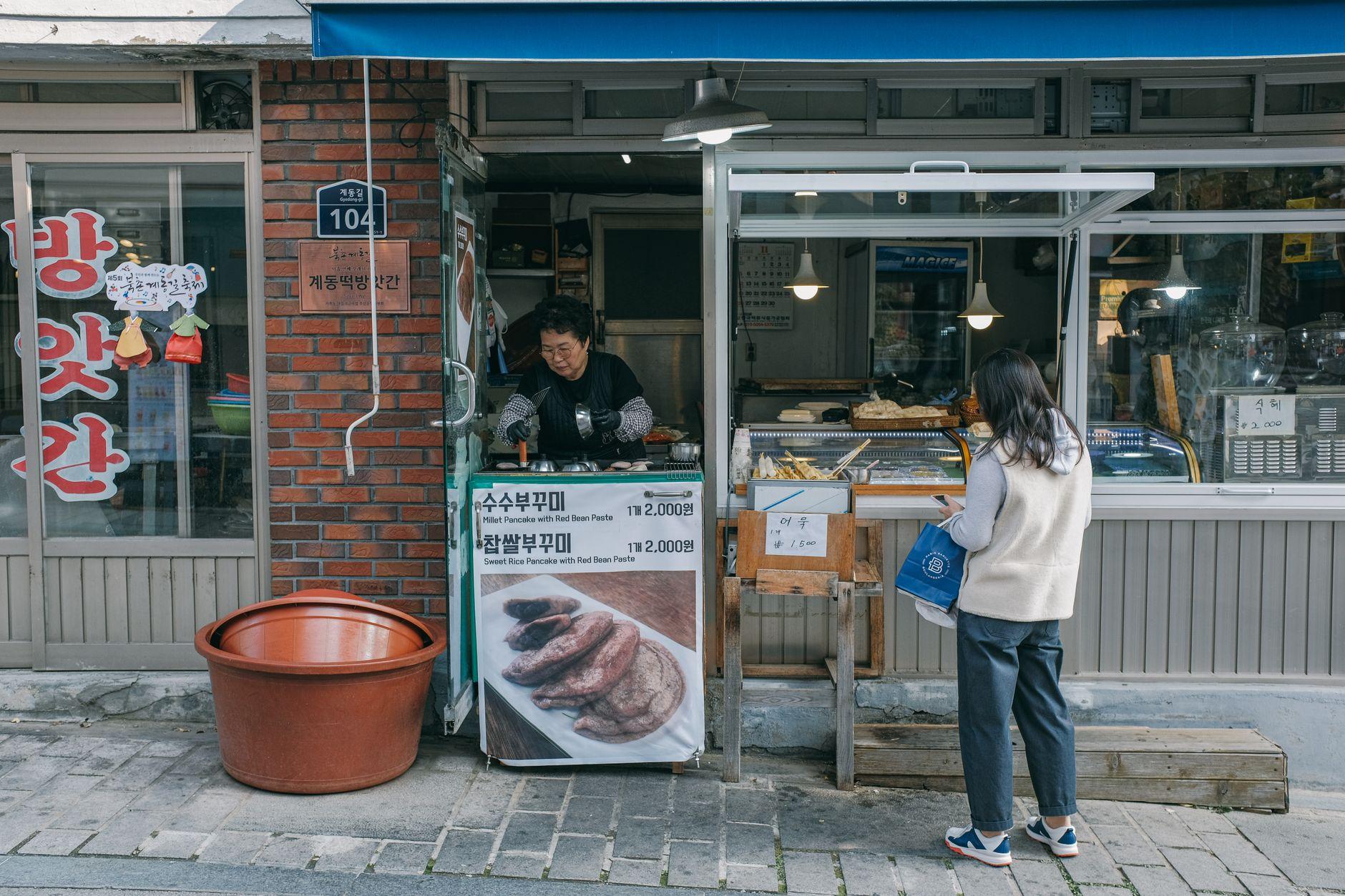
Yes, and more of them than most visitors expect. Ulaanbaatar has quietly become a heavily QR-based city. Khuushuur and buuz stalls near the markets, small canteens serving tsuivan, coffee kiosks, convenience stores, even some vendors inside Narantuul (the sprawling market locals call the black market, though it is perfectly legal) display printed QR codes at the counter. Locals often carry very little cash in the capital. The QR code is the default, cash is the fallback, which is the reverse of what many travelers assume about Mongolia.
What QR system are Mongolians actually using?
The codes you will see most often belong to QPay, the aggregator that most Mongolian banks and merchant apps plug into, alongside bank-branded wallets like SocialPay. In practice the vendor does not care which app you use, as long as it can read the code and the money arrives instantly. The vendor's phone buzzes, they glance at it, you get your khuushuur. There is no card terminal involved at a typical stall, so your physical Visa or Mastercard is often useless at exactly the places where Mongolian food is cheapest and best.
Can a foreign visitor just download the local apps?
Usually not in any practical way. The mainstream Mongolian wallets are built around a local bank account and often a Mongolian phone number or ID, which rules out someone visiting for two weeks or even wintering in Ulaanbaatar as a nomad. Mongolia sits firmly on the harder end of the spectrum we mapped in our guide to how open each country's QR network is to foreign visitors. The codes are everywhere, but the front door to the system is locals-only.
So how do I pay those QR codes without a Mongolian bank account?
This is exactly the gap Moreta Pay exists to close. You top up a wallet in your own currency from home (a US bank via Plaid or ACH, SEPA in Europe, UK Faster Payments, Canadian e-Transfer, or an international card), then scan the same QR code the vendor shows every local customer. Before you confirm, you see the amount in tugrik, the FX rate, and the merchant name on one screen. Confirm, and the stall owner is paid instantly in their own currency while your wallet converts at that moment. No local account, no hidden foreign transaction fee, no awkward pantomime about whether they take cards (they usually do not).
Do I still need tugrik cash in Mongolia?
Absolutely, and this is the part travelers most often get wrong in the other direction. The QR economy is an Ulaanbaatar phenomenon, plus a handful of larger towns. The moment you head into the countryside, to a ger camp in the Gobi, a guanz (roadside canteen) on the way to Kharkhorin, or a family selling aaruul and airag by the roadside, you are in cash territory. Mobile signal can be patchy or absent, and even where there is signal, a herder family is not running a merchant QR account. Carry tugrik, and carry it in small denominations, because breaking a large note for a bowl of noodle soup in a village is a genuine problem.
How should I split cash and QR on a typical trip?
A pattern that works well: use QR for everything in Ulaanbaatar (food stalls, restaurants, supermarkets, taxis that accept it, your guesthouse if it displays a code), and withdraw or exchange only the cash you expect to spend on countryside days. Most Mongolia itineraries are a few days in the capital bookending a long loop through the steppe or desert, so you can be nearly cashless at the start and end, and fully cash in the middle. Tour operators usually tell you roughly what cash you will need for drivers, park entries, and family-run camps along the route. Overestimating slightly is fine, but wildly overestimating leaves you with a brick of leftover tugrik, a currency that is hard to exchange once you leave the country, and converting leftover cash twice is one of the quietest ways travelers lose money.
What about markets like Narantuul, where haggling is normal?
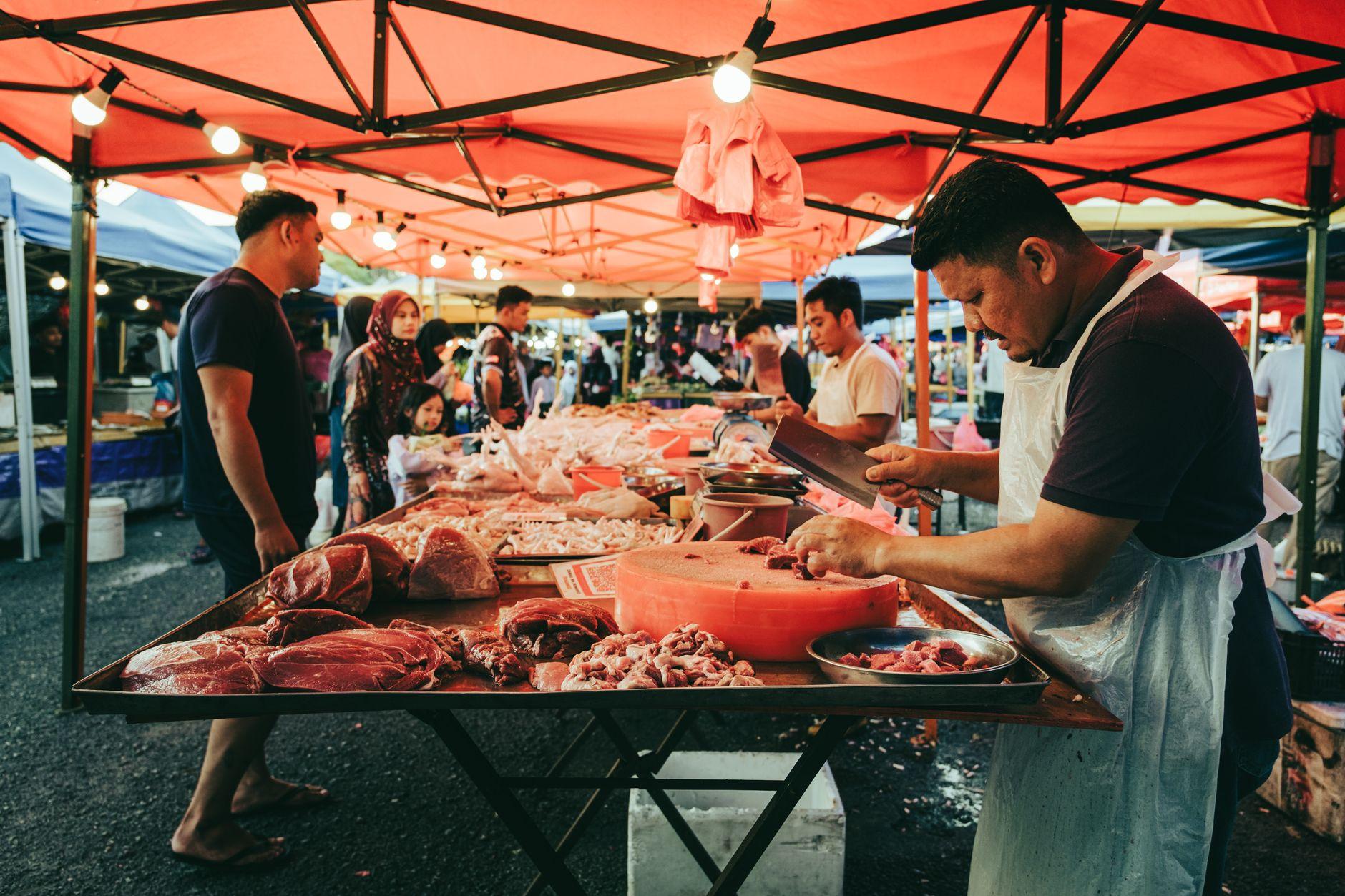
Narantuul is a hybrid. Many stalls selling cashmere, boots, del coats, and horse tack take QR, especially the established ones, while the smaller tables deep inside may be cash only. One useful quirk: QR actually helps when haggling. Once you agree a price, the vendor enters that exact amount, and you see it in tugrik on your screen before confirming, so there is no fumbling with change or quiet rounding up. If you are paying through Moreta Pay, you also see the conversion into your home currency at the same moment, which makes it much easier to judge whether that camel wool blanket is really the price you think it is.
Is QR safe to use at a crowded stall?
Reasonably, with one habit worth building: glance at the merchant name that appears after you scan. Printed codes at busy stalls occasionally get swapped or covered by a sticker, in Mongolia as anywhere. If the name on screen clearly does not match the business in front of you, ask before confirming. Because you review merchant and amount before any money moves, a wrong scan costs you nothing as long as you do not confirm it.
Can I use the same wallet for anything besides food?
Yes. The same scan-and-confirm flow covers restaurants, shops, and QR-based online checkouts, and in Moreta Pay's supported countries it also handles bills, which matters if you are an expat settling into an Ulaanbaatar apartment for a season rather than passing through. The broader point for anyone staying longer in Mongolia: the capital's day-to-day economy increasingly assumes you can scan a code, and plugging into that assumption makes the city dramatically easier to live in.
Before you land in Ulaanbaatar
Set up your wallet and top it up while you are still on home Wi-Fi, so your first khuushuur does not depend on airport SIM queues or finding an exchange counter. Then change a modest amount of tugrik for the countryside, and let QR handle the city. If you want to pay Ulaanbaatar's stalls and markets the way locals do from the moment you arrive, get Moreta Pay ready before your flight to Mongolia.