
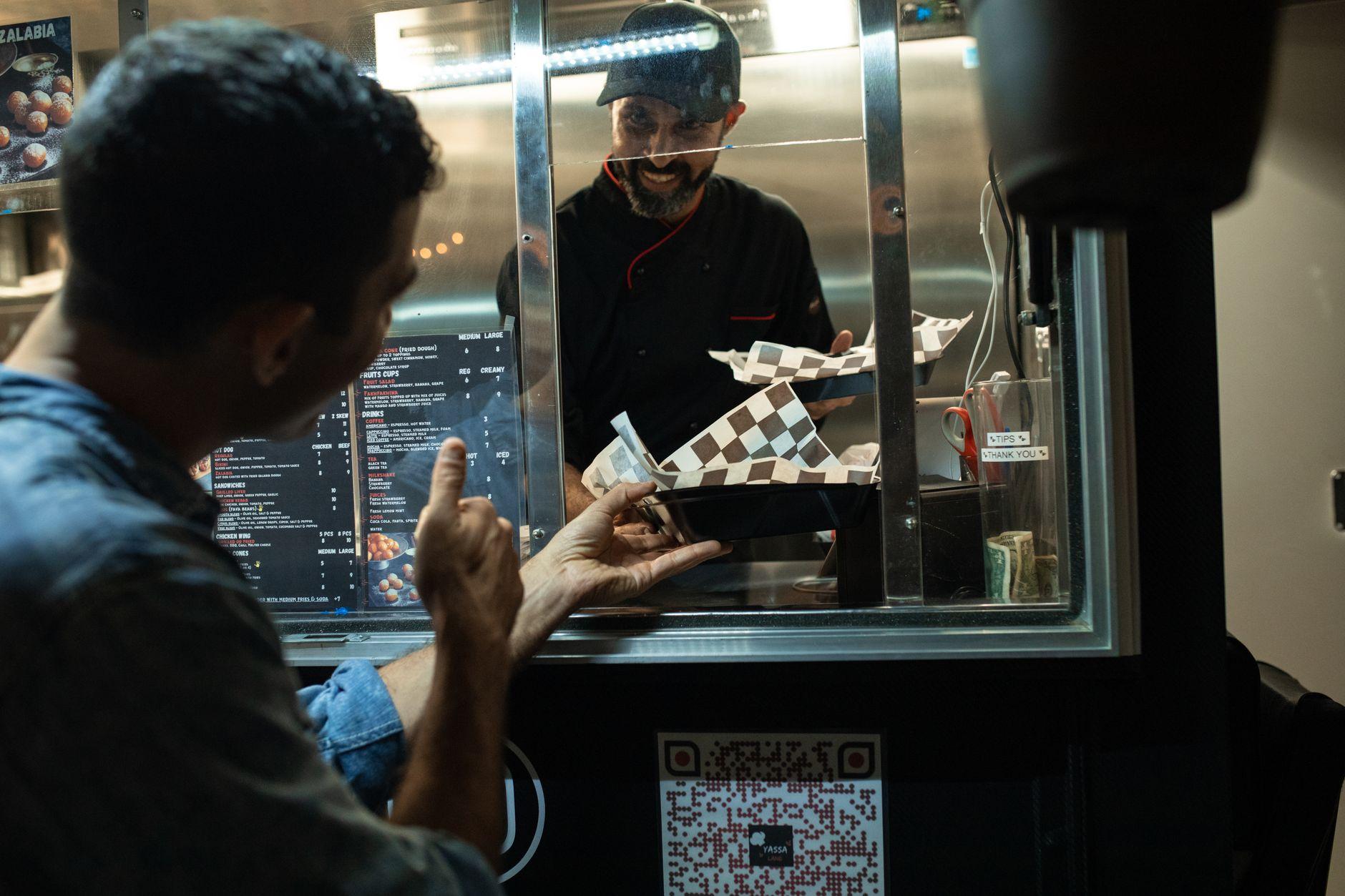
Stand at any street food cart in Bangkok for five minutes and watch how people pay. Almost nobody hands over cash. They point their phone at a laminated QR code taped to the cart, tap once, and walk away with their pad kra pao.
That QR code is PromptPay, and it is the single most useful thing to understand about money in Thailand before you arrive. This is a practical walkthrough: what PromptPay is, where it works, how to actually use it as a visitor, and where it falls short.
What that laminated QR code actually is
PromptPay is Thailand's national instant payment system. Locals link it to their bank account and phone number, and paying someone is as simple as scanning their QR code. The money moves instantly, bank to bank, with no card networks involved.
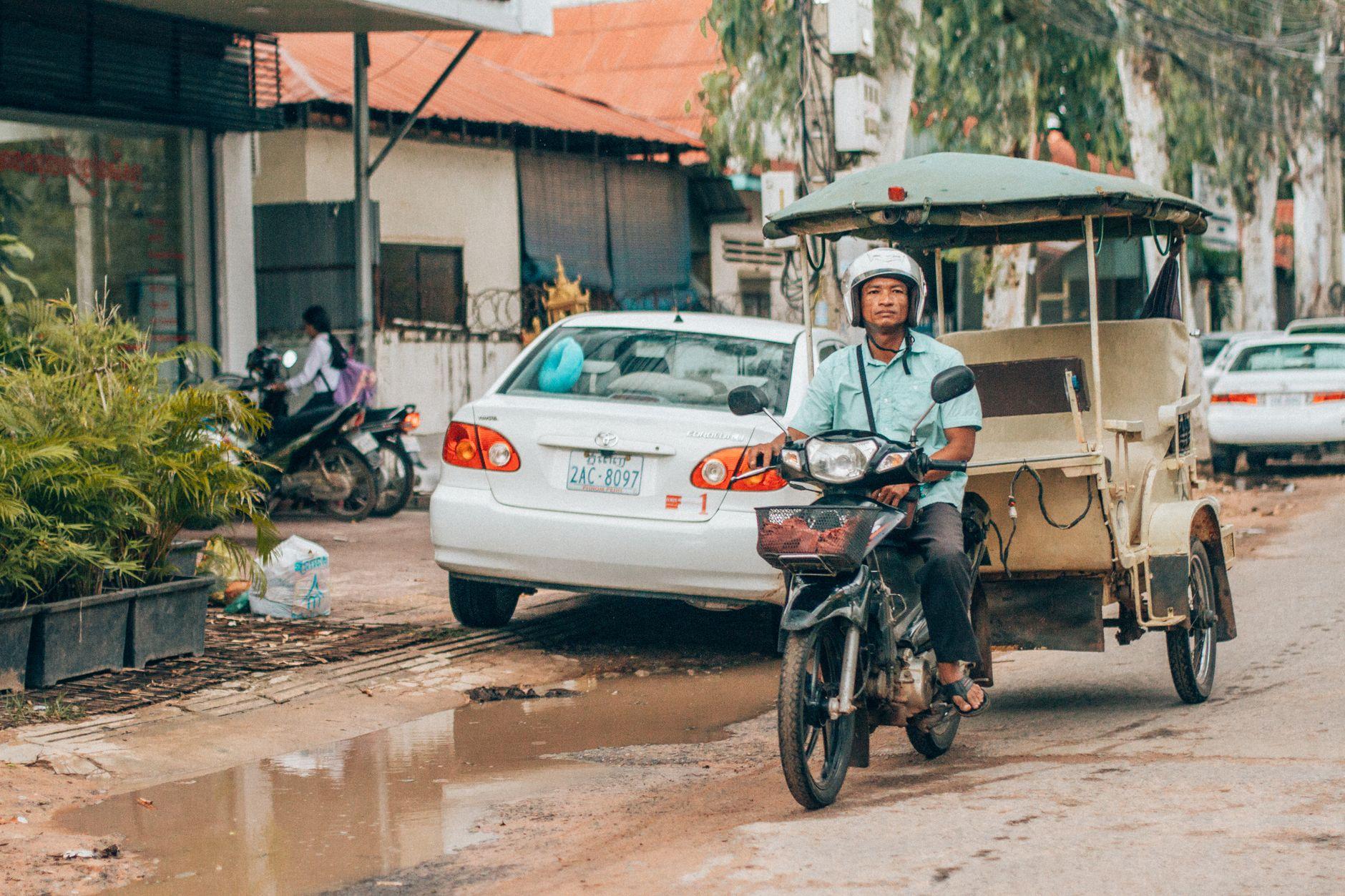
Because it costs merchants essentially nothing to accept, everyone takes it. The som tam lady with a plastic stool and no electricity has a PromptPay QR. So does 7-Eleven, the night market vendor selling knockoff sneakers, your massage place, the motorbike taxi driver, and the pharmacy.
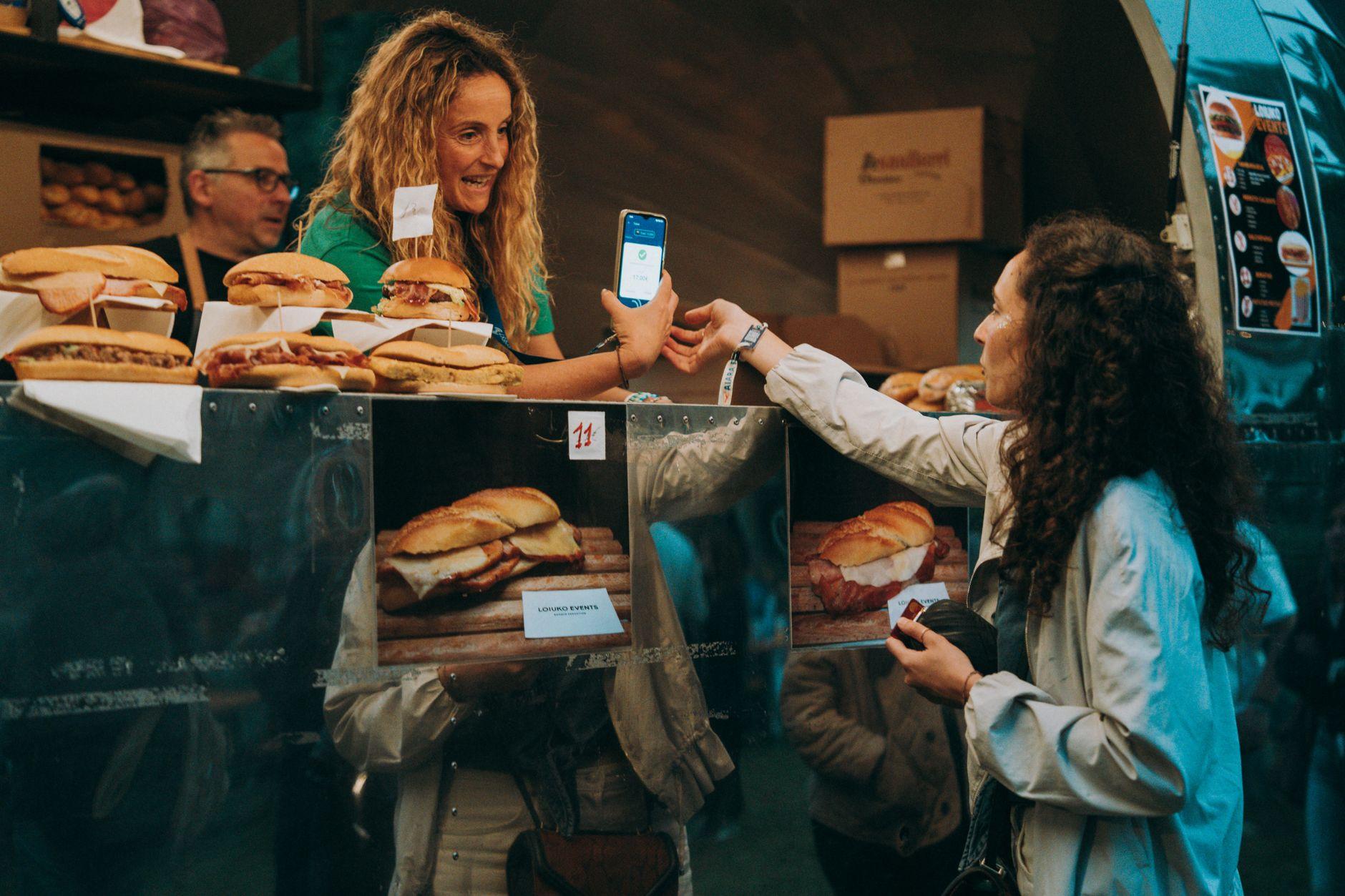
Here's the important nuance: the QR is usually static. It identifies the merchant, and the payer types in the amount. So when the vendor says "hasip baht" and gestures at the code, they expect you to scan, enter 50, and show them the confirmation screen. That two-second flash of the green success screen is the whole transaction. Learn that rhythm and you'll pay like you've lived there for years.
Where visitors hit a wall
The catch is that native PromptPay requires a Thai bank account, and opening one as a tourist ranges from tedious to impossible depending on your visa. So most visitors default to the two worst options Thailand offers.
Option one is cards. Thailand is emphatically not a tap-to-pay country outside hotels, malls, and chain restaurants. Small merchants often refuse foreign cards outright, and taxis are frequently cash-or-QR only. You can wave a Visa at a Chatuchak market stall all day and get nowhere.
Option two is cash from ATMs, where foreign cards get hit with a notoriously steep fee, often 220 THB per withdrawal, before your home bank adds its own charges. We've covered why that 220 baht fee is avoidable in detail, but the short version is that every trip to the machine is money burned.
The third option, the one locals use, is joining the QR system directly. That's what Moreta Pay is for: it lets you scan the exact same PromptPay QR codes Thais use, pay from a wallet funded in your home currency, and see the FX rate and merchant name before you confirm. No Thai bank account, no card refusals, no ATM line.
Your first PromptPay payment, step by step
- Load your wallet before you fly. Connect your US bank, use SEPA, UK Faster Payments, Canadian e-Transfer, or a card, and top up in your own currency. Do it from the airport lounge if you forgot.
- Find the QR. It's usually laminated and taped to the cart, counter, or dashboard. Sometimes it hangs on a lanyard around the vendor's neck. If you don't see one, just say "scan?" and mime a phone. They'll produce it.
- Scan it in the app. You'll see the merchant name pop up. Glance at it. If you're paying "Somchai Noodle Shop" and the name looks like a noodle shop, great.
- Enter the amount if asked. Static QRs need you to type the price. Dynamic QRs (common at 7-Eleven and bigger shops) already include it.
- Check the FX rate on screen, then confirm. Moreta Pay shows you the conversion before you commit, so you know exactly what the meal costs in your money. You also earn 1% back on the payment.
- Show the success screen. Vendors want to see it. Hold your phone up, get the nod, done.
The whole thing takes less time than counting out coins, and you never touch a banknote that's been through a wet market.
Situations where QR quietly saves your trip
Taxis and songthaews. Bangkok taxi drivers are famous for "no change" when you hand them a 1,000 baht note. Many now have a QR taped to the headrest. Scan, enter the meter amount, show the screen, and skip the negotiation entirely.
7-Eleven runs. Thailand's 7-Elevens are a lifestyle, not a convenience store, and every one of them takes QR at the register. Late-night toastie and a Chang? Scan and go.
Street food crawls. Yaowarat, Jodd Fairs, any night market. Paying five different vendors in an hour used to mean a pocket full of small bills. Now it's five scans.
Islands and small towns. ATMs get sparse on smaller islands and the fee stings even more when the nearest machine is a ferry ride away. QR acceptance, meanwhile, follows phone signal, which reaches basically everywhere.
Booking the next leg online. QR payment also works for online checkouts on platforms like Agoda, Trip.com, Lazada, and Shopee. You can book your Chiang Mai guesthouse or order a phone charger to your hotel and pay through the same wallet.
Keep a little cash anyway (but only a little)
Honesty time: Thailand is not 100% cashless. A few holdouts remain. Some temple donation boxes, the odd rural bus conductor, coin-operated laundry machines, and the occasional grandmother who trusts paper more than phones. Keep a few hundred baht in small notes for these moments.
The shift is that cash becomes your backup instead of your default. One small withdrawal (or leftover baht from a previous trip) can last weeks when QR handles everything else. That flips the ATM math completely: instead of eating the foreign-card fee every few days, you might pay it once, or never.
A few local habits worth copying
- Confirm the price out loud before you type it. Thai numbers are easy: "song roi" is 200, "ha sip" is 50. Vendors appreciate the effort and it prevents typos.
- Don't pocket your phone until the vendor has seen the success screen. Walking off early reads as dodgy.
- At markets, pay per stall, not per bite. Each vendor has their own QR even when stalls share a table.
- Screenshot receipts for anything significant, like a tailor deposit or a dive course. The transaction record in your app is your proof of payment.
If Thailand is one stop on a longer Southeast Asia loop, the good news is this skill travels. Cambodia runs a similar national QR system, and the KHQR codes across the border work the same way through the same wallet.
Thailand made paying by phone the normal thing years ago. Visitors were just locked out of the party. Set up Moreta Pay before your flight and you'll be scanning that laminated QR at the noodle cart on night one, right alongside everyone else.