
Where is your money at 3 AM on a sleeper bus? The safest answer is to board with as little cash as possible and split the rest into separate layers: a phone wallet for daily spending, a backup card in a money belt under your clothes, and a small reserve of low-denomination notes. No single slashed bag, wandering hand or lost phone should be able to take everything. Moreta Pay is a wallet travelers use to pay local QR codes like DuitNow in Malaysia, KHQR in Cambodia and WeChat Pay in China without a local bank account.
About the Author: This guide comes from the team at Moreta Global Inc., a Y Combinator-backed (Summer 2024), FinCEN-registered Money Services Business that builds Moreta Pay for travelers paying on local QR networks across Asia and Latin America.
What actually goes wrong with money on an overnight bus or sleeper train?
The lights go off somewhere past Kampong Thom. Your big pack is in the hold, your daypack is wedged against the window of a berth built for someone shorter than you, and the passenger in the next bunk is already asleep. At 2 AM the bus pulls into a roadside stop lit by one fluorescent tube, where a woman sells grilled corn from a charcoal tray. Half the bus shuffles off.
Money on overnight transport is exposed at three predictable moments:
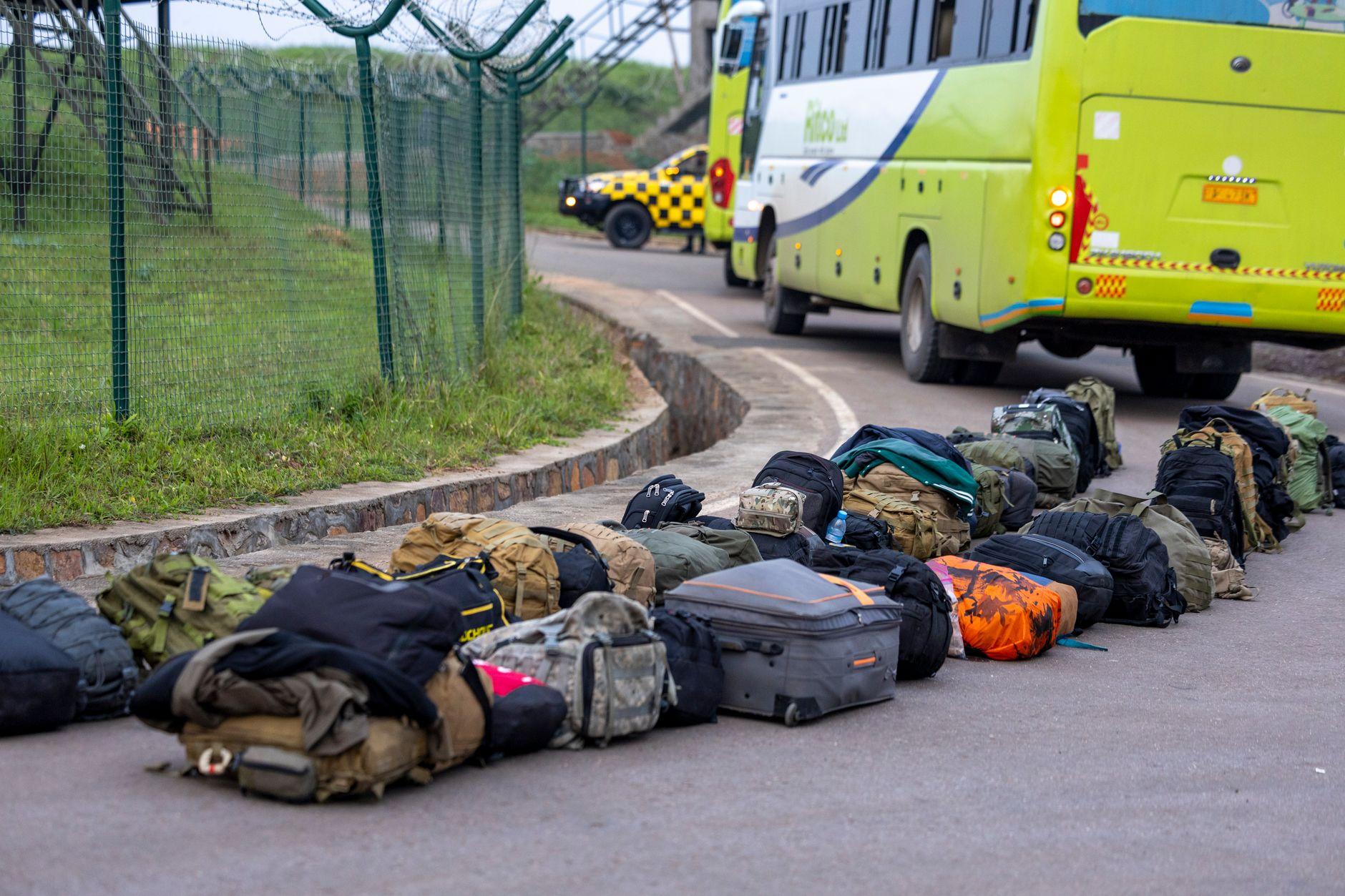
- Loading. Your large backpack or suitcase goes underneath the bus, out of sight for hours, so essentials belong in the bag you keep with you.
- Sleeping. Anything reachable from the aisle or the next berth sits unwatched for several hours.
- Arrival. A bus that leaves at 10 PM tends to arrive at first light, when you are groggy and counting bills in front of a cluster of waiting drivers.
None of these losses require skill. They require access and time, and an overnight trip offers plenty of both.
Split money so one loss never wipes you out.
Since access and time are the real risks, the fix is to make sure no single point of access holds everything. Ships work on the same principle: the hull is divided into watertight compartments, so a breach floods one section while the bulkheads keep the ship afloat.
| Layer | What goes in it | Where it lives at night |
|---|---|---|
| Phone wallet | Day-to-day spending balance | Zipped pocket you are lying on |
| Body | Passport, backup debit card, emergency notes | Money belt under your waistband |
| Daypack | Small notes for the next 24 hours, second card | Locked compartment, strap looped around your arm |
| Hold luggage | Nothing of value | Under the bus |
One rule matters most. Never put both cards in the same layer.
A flat money belt under the waistband beats a neck wallet for sleeping.
Each tool protects a different layer, so the useful question is which one still works while you are unconscious.
| Option | Strength on overnight trips | Weak point |
|---|---|---|
| Money belt | Flat, under clothes, hard to reach without waking you | Hot on buses with weak air-con |
| Neck wallet | Easy to tuck under a shirt | Cord is visible and can ride up when you turn over |
| Anti theft backpack | Lockable zips and hidden pockets keep the daypack closed | Only protects what is inside while it stays attached to you |
| RFID blocking wallet | Shields contactless cards from wireless reads | Does nothing against a hand in your pocket |
The best travel money belt is the most boring one: thin, a neutral color, no logo, sitting below the waistband. The best anti theft backpack for night transport has zips that face your back and is small enough to sleep against inside the berth. Read any RFID blocking wallet review with your actual route in mind. On a sleeper bus, the risk you can control is physical access, so a shielded wallet is a pleasant extra, not your main defense.
Carrying less cash matters more than hiding it well.
Every trick to hide money while traveling buys some protection, but the bigger gain comes from having less of it to hide. Cash is a bearer instrument: whoever holds the note owns its value, with no confirmation step and no record. A phone wallet balance works differently because each payment needs the owner's approval.
Many national QR systems across Asia follow the EMV QR Code Specification, so a station kiosk in Kuala Lumpur and a noodle stall in Kampot display codes built on the same underlying format. With Moreta Pay, the process is:
- Top up from home in your own currency by US ACH, SEPA, UK Faster Payments, Interac e-Transfer, card, Apple Pay or Google Pay.
- Scan the local code: DuitNow in Malaysia, KHQR in Cambodia. In China, the app opens on your payment code for the cashier to scan on WeChat Pay.
- Check the merchant name, amount and exchange rate, then slide to pay.
- The merchant receives local currency instantly.
Moreta reports a 1.5% fee per payment, shown on screen before you confirm. Every account is identity-checked with a selfie and passport, and you get real-time alerts on your account. Stablecoin top-ups cannot be spent in Cambodia or China, so fund those trips by card or bank transfer.
Fewer ATM visits also cut fees. A December 2022 Wise analysis of ATM withdrawals at Singaporeans' favourite travel destinations found the Philippines was the most expensive, averaging 2.68 percent per transaction. Most travel card roundups rank cards by fees and perks. For night travel, also rank them by what you lose if the card disappears.
Keep a small, specific cash reserve for rest-stop toilets, roadside stalls and dawn tuk-tuks.
Carrying less cash is not the same as carrying none, and pretending otherwise is how you end up stuck at a rest stop where the toilet attendant wants coins. Scanning also needs mobile data at the moment you pay, and signal drops on rural stretches, so install an eSIM before departure.
Keep a modest reserve in small notes:
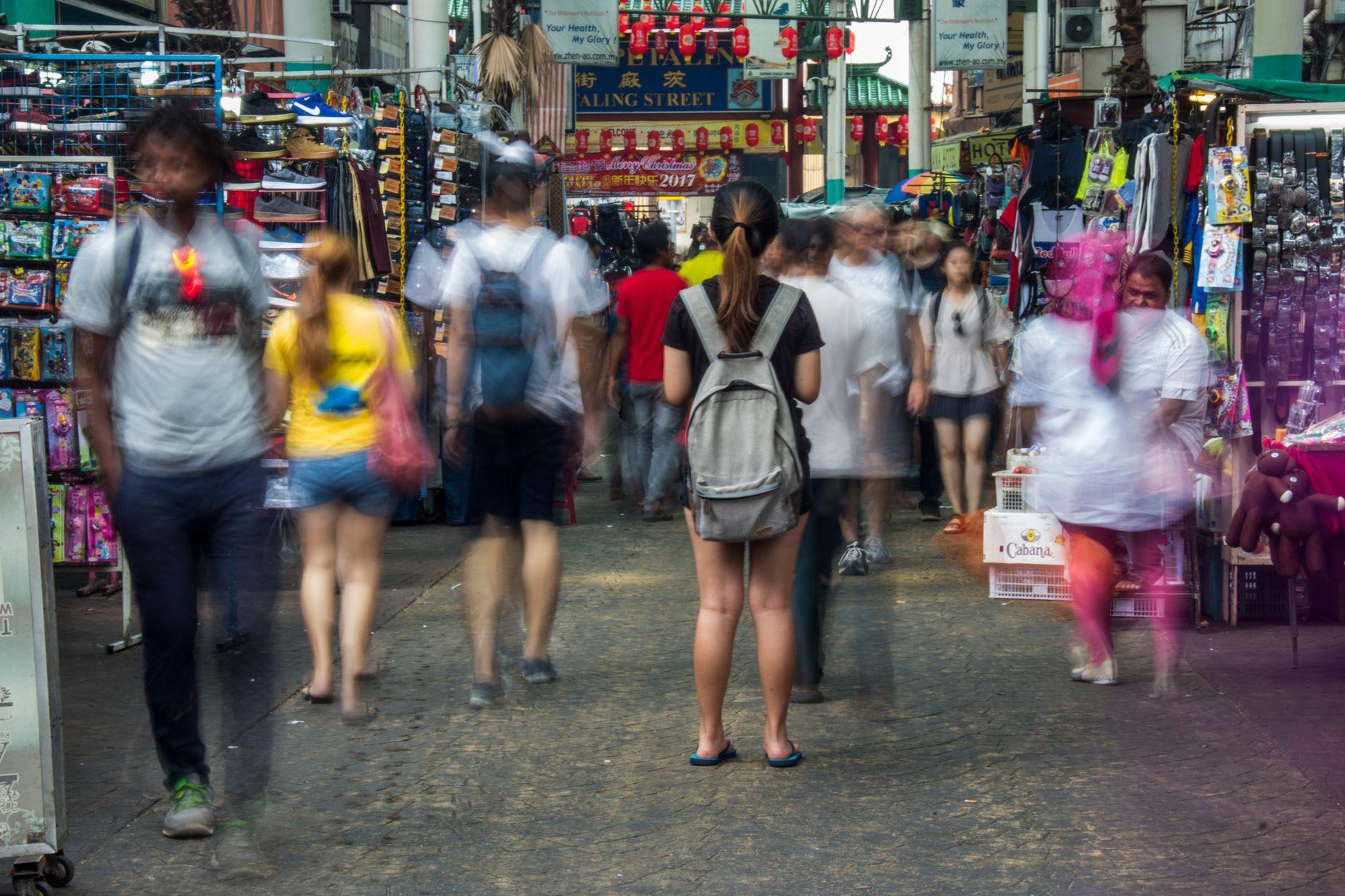
- Malaysia: a few 5 MYR and 10 MYR notes for the stop between Kuala Lumpur and Penang.
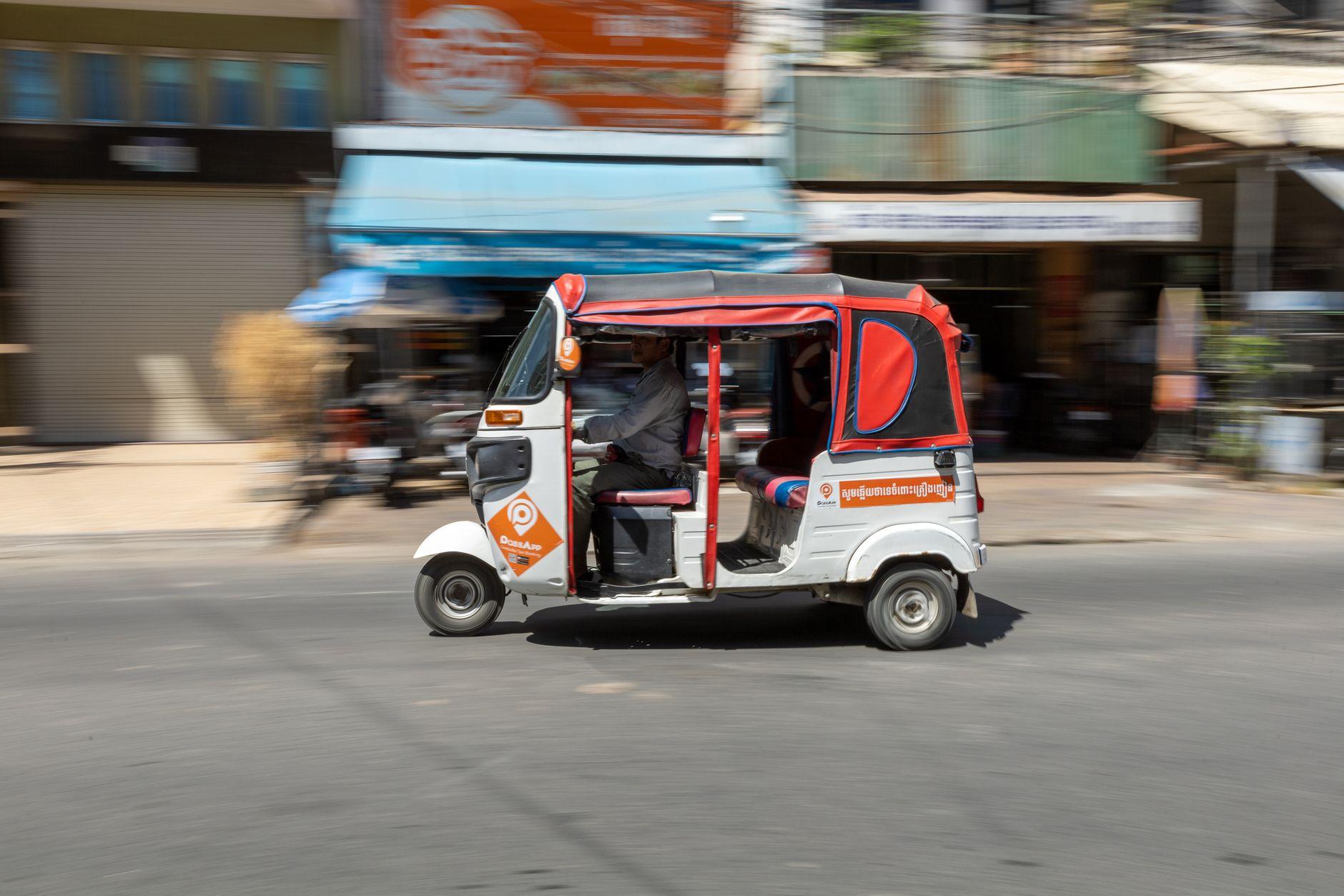
- Cambodia: small US dollar bills plus 1,000 and 5,000 riel notes, since small change comes back in riel. Cambodia uses both US dollars and riel, so you will see prices in either currency depending on the vendor and neighborhood.
- Laos: 10,000 and 20,000 kip notes for the overnight sleeper bus north to Luang Prabang.
- China: a little yuan for vendors who show only an Alipay code, which is a different network from WeChat Pay.
When you do use an ATM or card terminal, decline dynamic currency conversion and always choose to be charged in local currency.
Insurance is the last layer behind everything above.
Insurance pays out only if your paperwork matches the policy. Before relying on travel insurance theft cover, read three lines: the cash sub-limit, how the policy treats bags left in a luggage hold, and what proof a claim needs. Store photos of your passport and the customer service numbers for each card in cloud storage. In-app receipts that show date, amount and merchant name help you rebuild a spending record if a wallet goes missing.
What should you set up before boarding a night bus?
- Split cards across your money belt and daypack, and photograph both.
- Install an eSIM and top up your phone wallet while you are still on hotel Wi-Fi.
- Break a large note into small change at a 7-Eleven or market stall before departure.
Frequently Asked Questions
Should I sleep with my phone in my pocket?
Yes, in a zipped pocket on the side you sleep on, not on a charging cable dangling into the aisle.
Is it safe to put my backpack under the bus?
For clothes, yes. Keep cards, passport, phone and medication in the bag you carry on.
Do I need a local SIM to pay by QR?
No. Moreta Pay needs mobile data or Wi-Fi only at the moment you pay, so an eSIM works.
Can I use Moreta Pay on a sleeper train in China?
Yes, while you are physically in China. It pays on WeChat Pay, so codes marked only for Alipay will not work.
What if my phone is stolen?
Every payment needs your confirmation in the app, and real-time alerts flag account activity. Lock your phone with a strong passcode before boarding.
Is a neck wallet or money belt better?
For sleeping, a money belt. It stays flat and is harder to reach without waking you.
About Moreta
Moreta Global Inc. is a Delaware corporation and FinCEN-registered Money Services Business, backed by Y Combinator (Summer 2024). Its app, Moreta Pay, lets travelers top up from home and pay local QR networks including DuitNow, KHQR, WeChat Pay, QR Ph, OnePay, Pix and Yape. Balances stay in your own currency until you pay, and each payment converts at the live rate with one fee shown before you confirm. Funds are held with licensed partner banks, and transactions are monitored around the clock.
Plan your next overnight route with less cash in your pockets. Learn more at moretapay.com.